7 Prairie Gardens for Sustainable Landscaping and Biodiversity
Prairie gardens offer a unique way to enjoy natural beauty and local plants. They focus on plants that thrive in open, sunny spaces with native grasses and wildflowers. These gardens can provide habitat for wildlife while adding an appealing look to outdoor spaces.

The concept of prairie gardens is about creating sustainable, low-maintenance landscapes that fit well with their local environment. People interested in gardening often choose prairie gardens because they blend nature and design in a practical way. This article will explore seven examples of prairie gardens and what makes each one special.
1) Prairie Gardens & Jeffrey Alans Christmas Décor
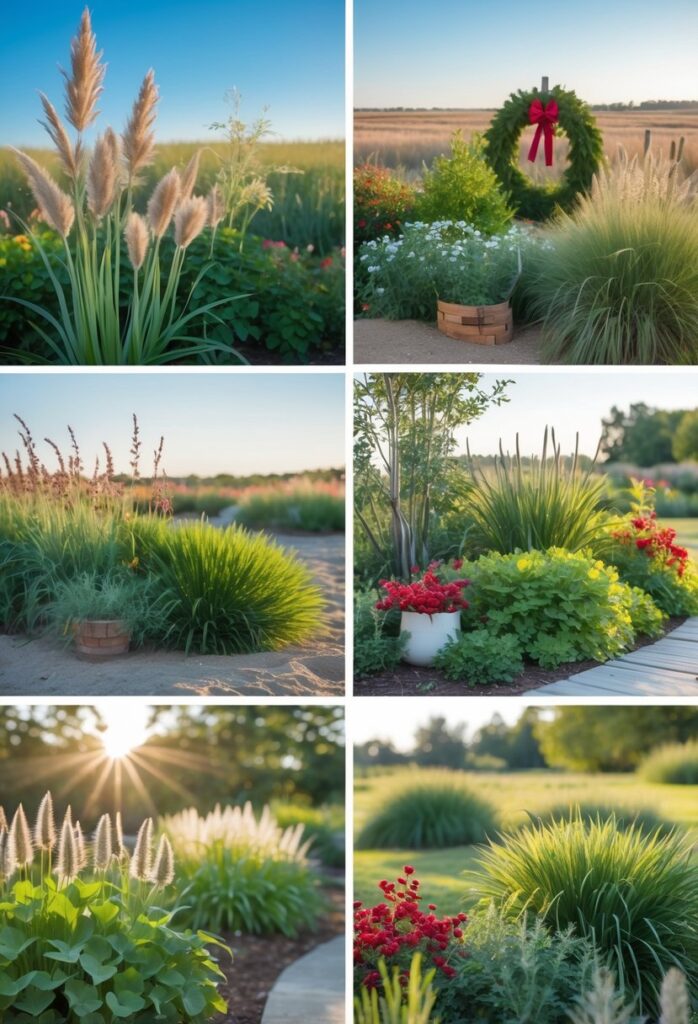
Prairie Gardens & Jeffrey Alans offers a large selection of Christmas décor. They provide ornaments, wreaths, garlands, and festive ribbons to decorate homes. Their artificial Christmas trees come in various styles, from slim to full.
The store also features holiday blooms and silk stems for floral decorations. Customers can find seasonal designs that suit different tastes and styles.
2) Prairie Gardens Adventure Farm Corn Maze
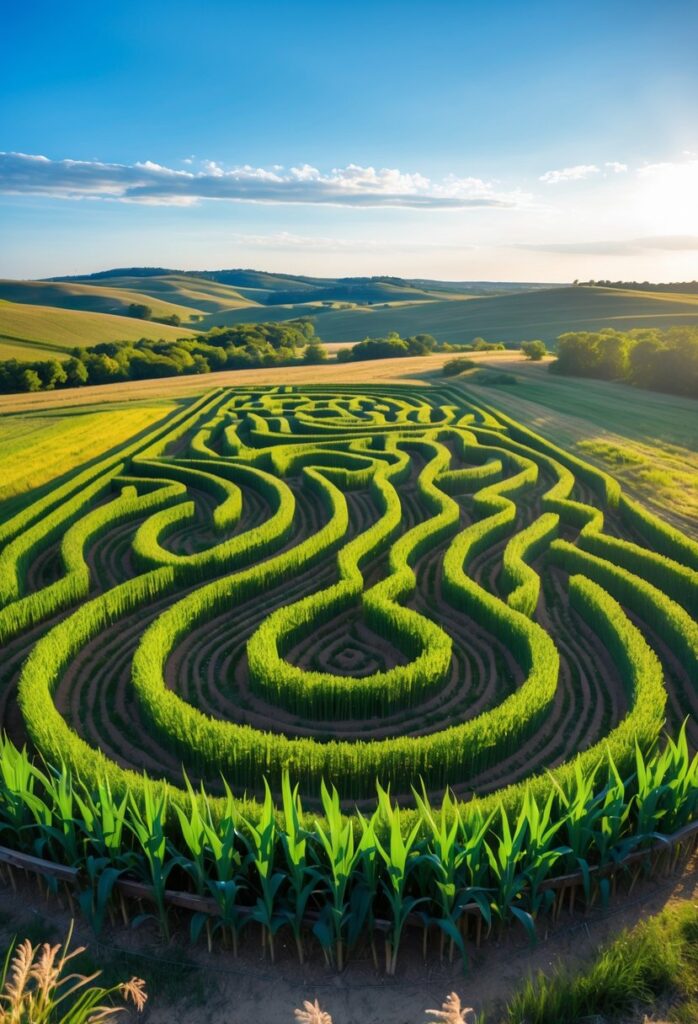
The corn maze at Prairie Gardens Adventure Farm covers seven acres. It offers a fun challenge for visitors of all ages. People can explore winding paths and solve puzzles along the way.
The maze is part of a larger farm experience. It includes other activities like pumpkin picking and train rides. The corn maze is open on weekends and select weekdays.
3) U-Pick Strawberries and Pumpkins at Prairie Gardens
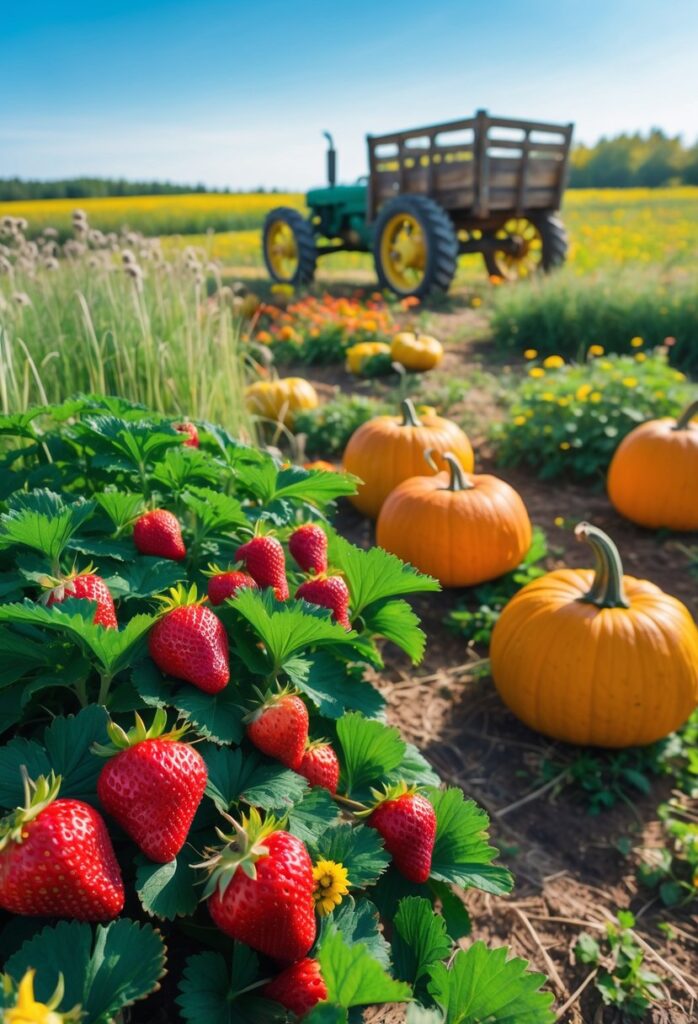
Prairie Gardens offers U-pick strawberries and pumpkins on a working 35-acre farm near Edmonton. Visitors can pick fresh strawberries during mid-July to August. The pumpkin patch has many varieties suitable for carving or cooking.
The farm also includes fun activities like tractor wagon rides to the fields. Admission is required to enter the U-pick areas.
4) Fresh-Cut Fraser and Balsam Fir Christmas Trees
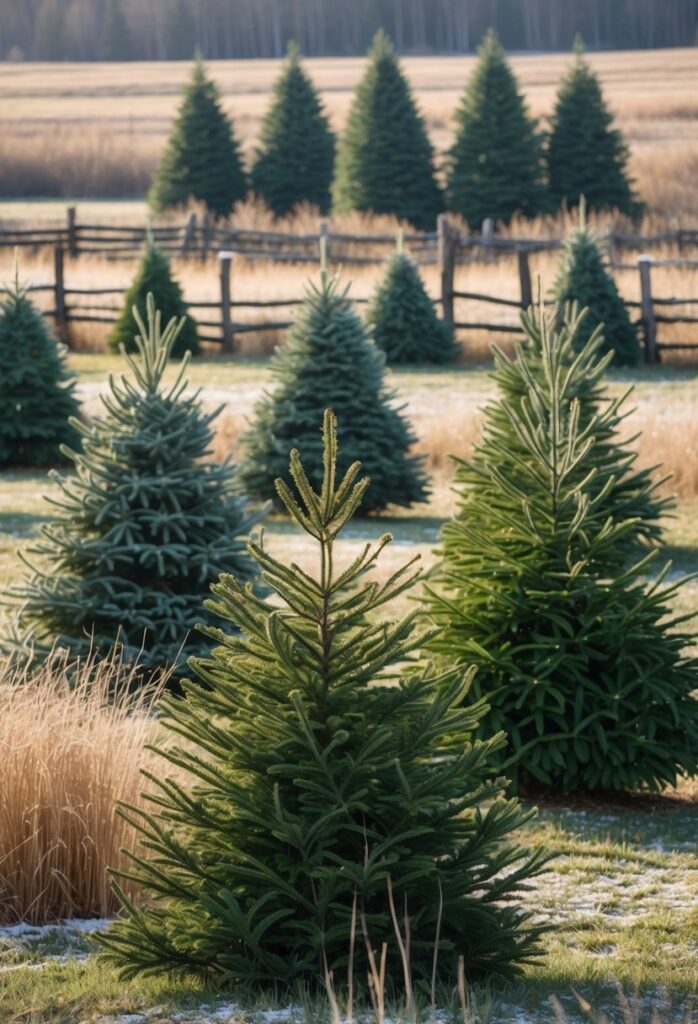
Prairie Gardens offers fresh-cut Fraser and Balsam Fir trees known for their strong fragrance and firm branches. These trees are harvested recently to keep their needles long-lasting and dense. The Fraser Fir’s soft needles and sturdy branches make it easy to decorate.
Balsam Fir trees have a rich green color and a classic scent. Both types are popular choices for creating a natural holiday centerpiece.
5) Handmade Wreaths and Holiday Greenery

They offer a wide selection of handmade wreaths, swags, and arrangements. These pieces are carefully crafted by skilled floral designers.
The greenery includes both fresh and artificial options. Customers can find classic and unique styles to suit their holiday decor.
This selection adds a natural, festive touch to any home. It reflects nearly 50 years of experience in floral design.
6) Prairie Gardens Seasonal Home and Garden Décor
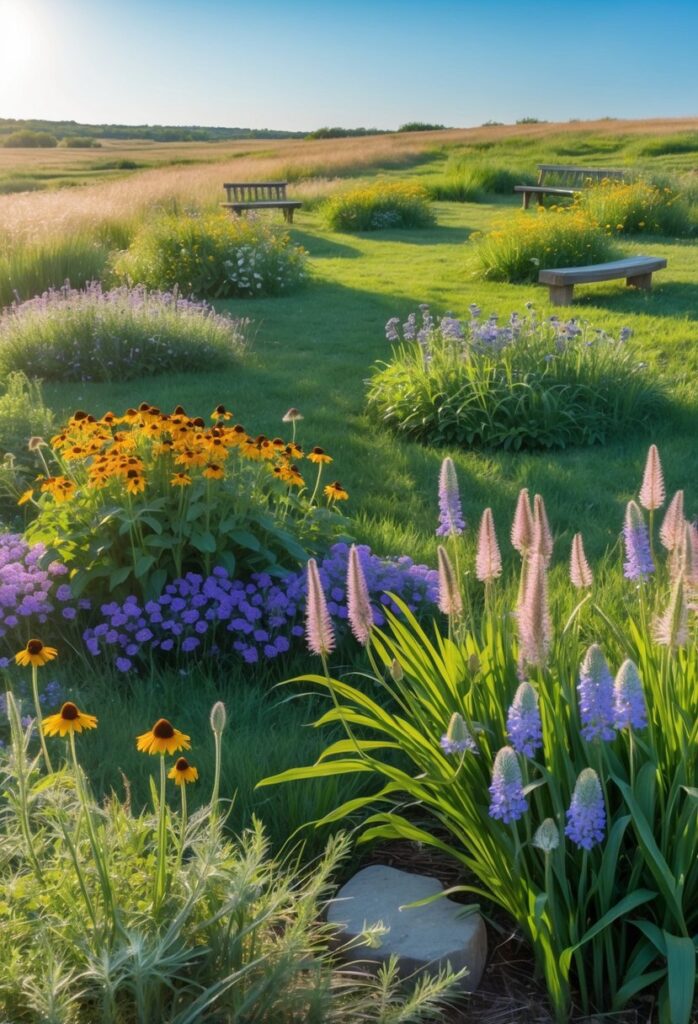
Prairie Gardens offers a changing selection of seasonal home and garden décor. They feature items like holiday decorations, faux plants, and handmade arrangements.
The store’s collections help customers create warm, inviting spaces year-round. Their range includes cozy pillows, floral designs, and stylish containers for any season.
7) Farm-to-Table Dinner Experiences
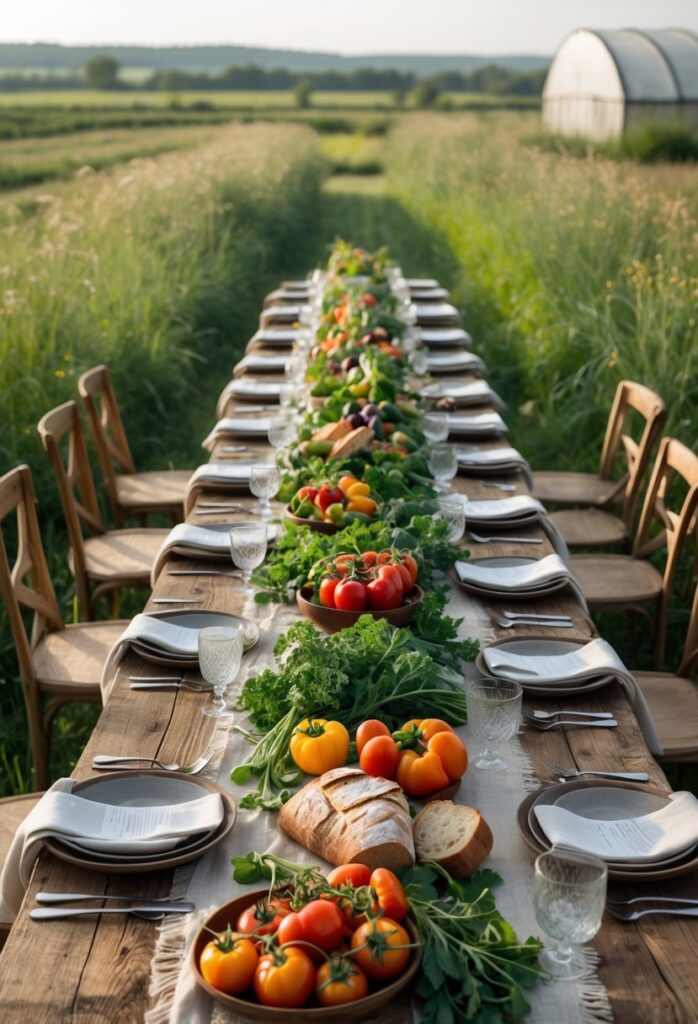
They offer farm-to-table dinners set outdoors, using fresh ingredients grown nearby. Guests can enjoy meals ranging from simple three-course dishes to gourmet seven-course offerings. These dinners often take place among fields or in greenhouses, creating a unique dining atmosphere connected to the farm. The menus change with the seasons, highlighting local produce and flavors.
Designing Your Own Prairie Garden
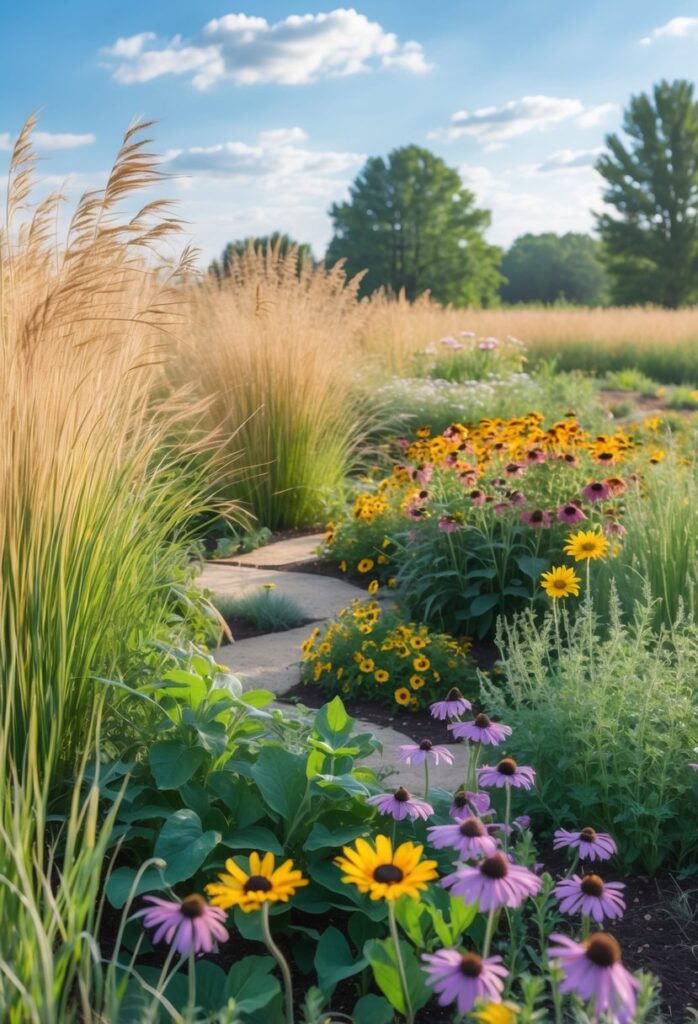
Creating a prairie garden requires careful choices in plants, preparing the soil properly, and using smart watering and maintenance methods. Each step helps build a healthy, natural space that supports local wildlife and stays vibrant through the seasons.
Selecting Native Plants
Native plants are the backbone of a prairie garden. They are well-adapted to the local climate and soil, making them easier to care for and more sustainable. Choose a mix of native grasses and wildflowers for a balanced look and to support pollinators like bees and butterflies.
Focus on plants that bloom at different times to provide color and food throughout the year. Include tall grasses for structure and shorter flowers for variety. Aim for diversity with at least 8-10 species to create a resilient ecosystem.
Using only local native plants can reduce the need for fertilizers and pesticides. It also encourages local birds and insects to thrive. Avoid invasive species that may harm the natural balance.
Soil Preparation Tips
Good soil is key to starting a strong prairie garden. Begin by clearing the area of weeds and unwanted plants to give native species room to grow. If grass or dense plants are present, removing them with a shovel or solarizing the soil can help.
Prairie plants do best in well-draining soil with moderate fertility. Avoid adding too much fertilizer; native plants usually thrive in less fertile ground. Test the soil pH if possible; most prairie species prefer slightly acidic to neutral soil (pH 6.0 to 7.0).
Loosen the soil with a rake or garden fork to improve air circulation and root growth. Mixing in organic matter like compost can enhance soil texture but should be done lightly to avoid overfeeding plants.
Watering and Maintenance Strategies
Prairie gardens need less water once established, but young plants require regular watering for the first year or two. Water deeply and less often to encourage roots to grow downward. Early morning is the best time to water to reduce evaporation.
After establishment, prairie plants are drought tolerant. Avoid overwatering, as soggy soil can damage roots. During dry spells in summer, occasional watering helps keep plants healthy.
Maintenance involves removing invasive weeds and dead plants to prevent crowding. Annual or biennial mowing in late winter can mimic natural prairie cycles, removing dead material and encouraging new growth.
Mulching is usually not necessary and can inhibit the growth of native seedlings. Instead, focus on allowing natural leaf litter to decompose on the soil surface. This supports soil life and mimics prairie conditions.
Ecological Benefits of Prairie Gardens
Prairie gardens provide lasting value to the environment in many ways. They help support different forms of wildlife, boost the health of pollinators, and improve soil quality by using native plants that are adapted to local conditions.
Wildlife Habitat Creation
Prairie gardens offer shelter and food to many species, from small mammals to birds and insects. The mix of tall grasses, wildflowers, and native plants creates varied habitats, which support diverse animal populations. These areas become safer places for wildlife to breed and raise their young.
Native plants in prairie gardens also provide year-round cover and nesting sites. Birds feed on seeds, while mammals find hiding spots in the dense grass. This helps maintain and increase local biodiversity, which is essential for ecosystem balance.
Supporting Pollinators
Pollinators like bees, butterflies, and other insects rely on prairie gardens for nectar and pollen. The gardens include a wide range of flowering plants that bloom at different times, providing food throughout the growing season. This continuous supply supports healthy pollinator populations.
By planting native wildflowers, prairie gardens create habitats tailored to pollinators’ needs. Some plants even help native bee species thrive by offering specific pollen types. This support is crucial, as pollinators are vital for many crops and wild plants.
Soil Health Improvement
Prairie gardens improve soil by reducing erosion and increasing its ability to hold water. The deep roots of prairie grasses and flowers break up compacted soil and create channels that help water seep in. This reduces runoff and loss of nutrients.
These roots also store carbon underground, helping to decrease carbon dioxide in the atmosphere. Over time, decaying roots add organic matter to the soil, improving its structure and fertility. This leads to healthier plants and a more sustainable garden environment.