7 Farmhouse Garden Ideas to Transform Your Outdoor Space with Rustic Charm
Farmhouse gardens blend simple, rustic charm with practical designs to create inviting outdoor spaces. They work well for different yard sizes and can add warmth and style to any home environment.
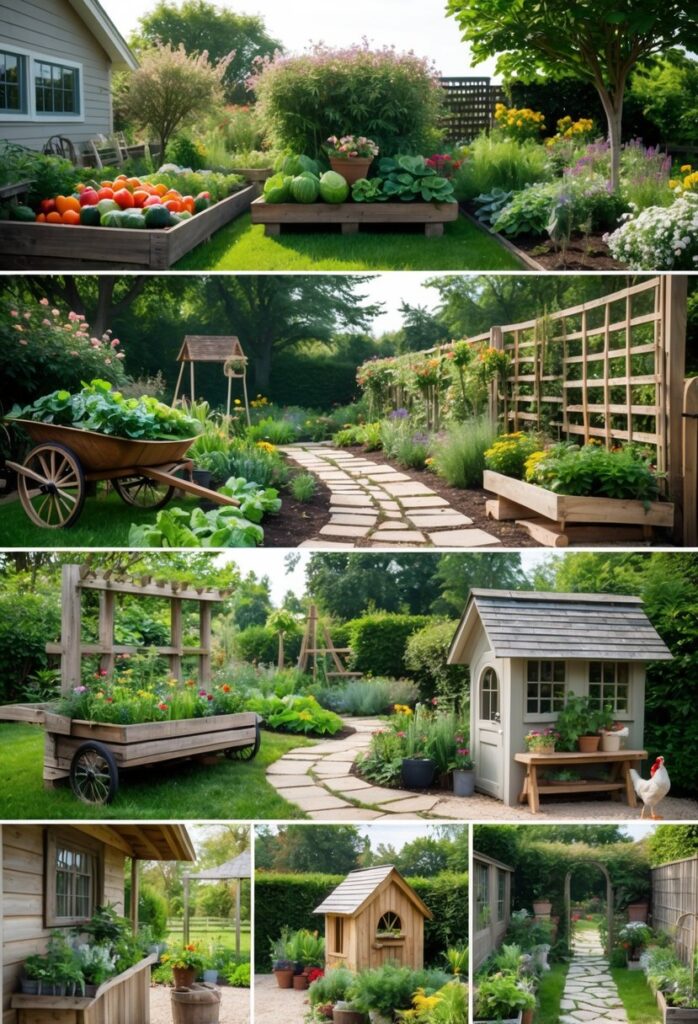
These garden ideas focus on straightforward ways to bring classic farmhouse character to a yard without needing fancy materials or complex steps. This approach makes it easy for anyone to enhance their outdoor space with cozy and functional touches.
1) Rustic raised garden beds using reclaimed wood
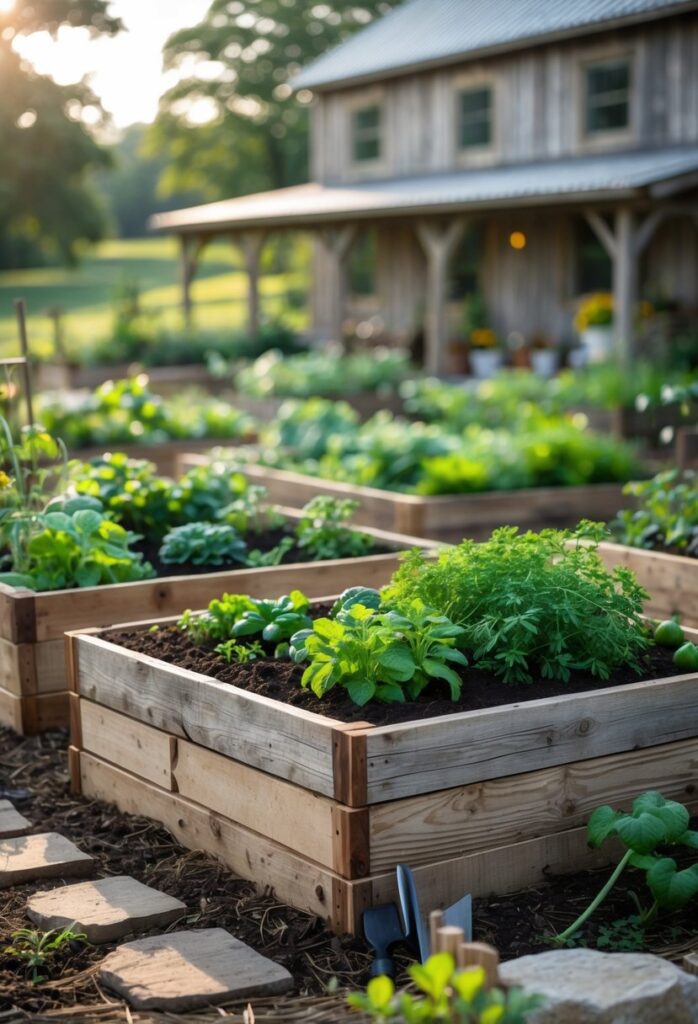
Using reclaimed wood for raised garden beds adds a natural, weathered look that fits well in farmhouse gardens. It is a practical way to reuse old boards while creating durable beds.
Reclaimed wood is often cheaper than new materials and reduces waste. These beds improve soil quality and offer a charming, rustic style. Instructions to build them are available to help gardeners create functional and attractive beds with ease.
Learn more about rustic raised garden beds using reclaimed wood at farmstandapp.com.
2) Wildflower patches for natural color and pollinators
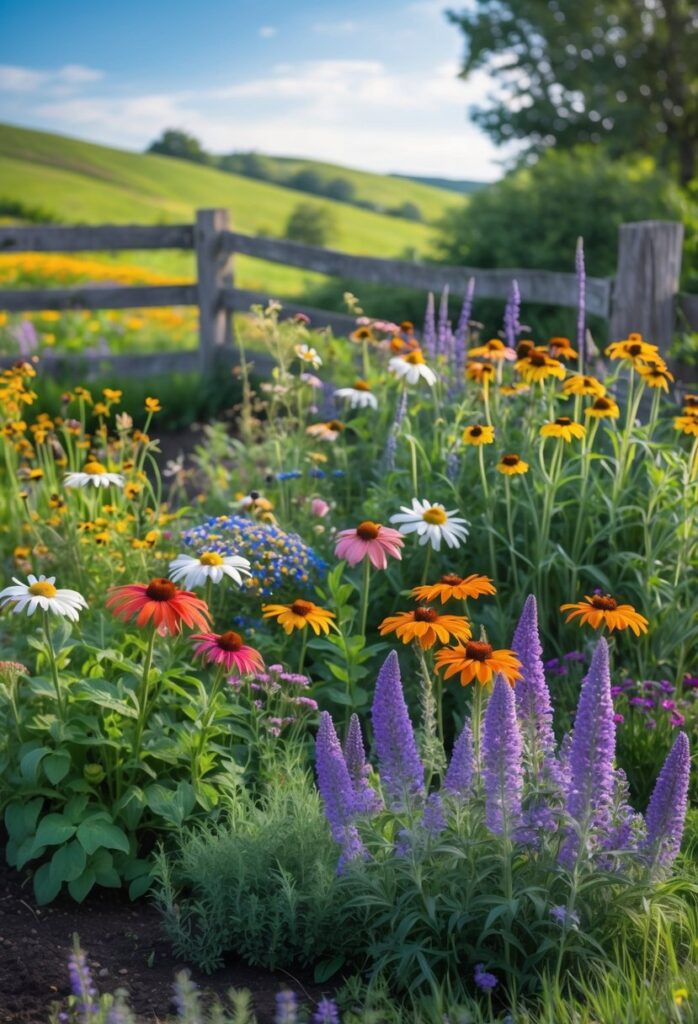
Wildflower patches add natural color to a farmhouse garden without much effort. They grow in a relaxed, informal way, fitting well with rustic garden styles. These patches attract bees, butterflies, and other pollinators, which help the garden thrive.
Choosing a mix of annuals and perennials ensures blooms over many months. Once established, wildflowers need little care and adapt to various conditions. A wildflower patch creates a lively, eco-friendly area that supports local wildlife and adds simple beauty to the yard. For more ideas, see wildflower garden tips.
3) Gravel pathways for easy navigation and farmhouse charm
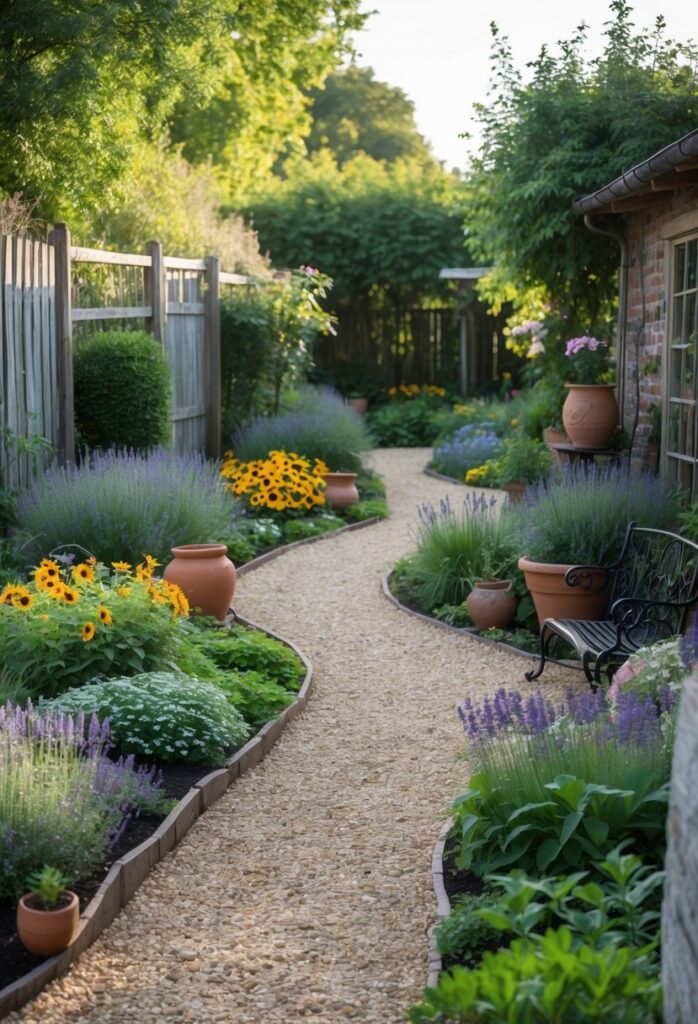
Gravel pathways provide a simple way to move around the garden while adding a rustic touch. They work well with natural surroundings and fit the farmhouse style.
Installing gravel paths is straightforward. Using a weed barrier beneath the stones keeps the path neat and easy to maintain.
Gravel paths can be shaped to guide visitors through flower beds or connect outdoor spaces. They offer practical, low-cost charm that lasts.
For ideas on creating these paths, see farmhouse walkway ideas using gravel and stone.
4) Vintage metal watering cans as decorative accents
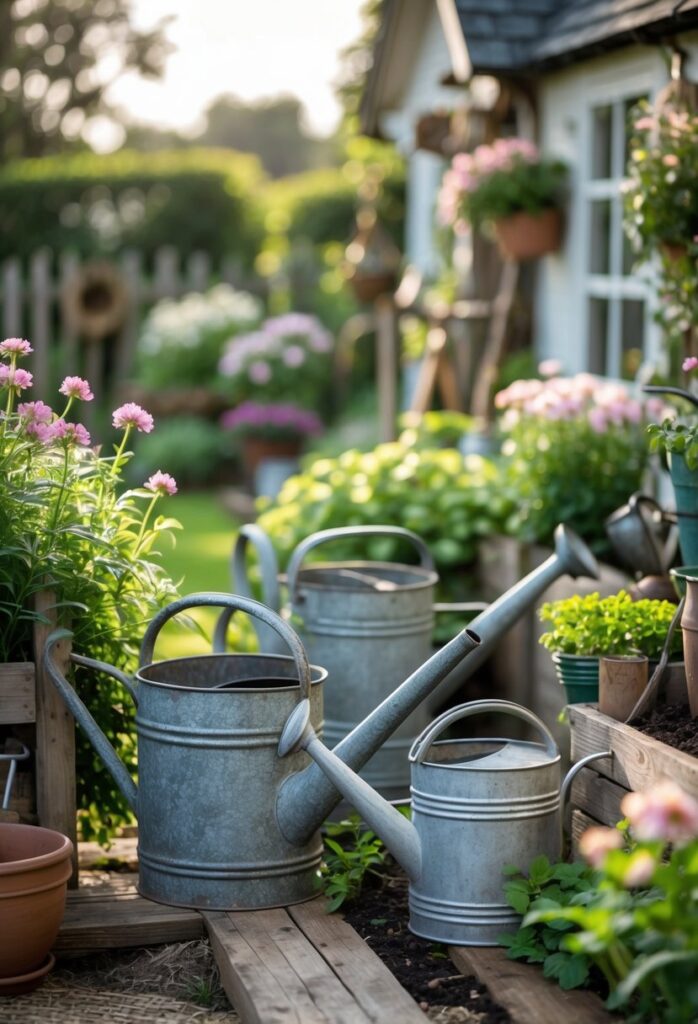
Vintage metal watering cans add a classic touch to farmhouse gardens. They can be placed on porches or among flower beds to create a charming display.
Using galvanized or copper watering cans gives a rustic feel that blends well with outdoor settings. Some choose to fill them with fresh or artificial flowers for more color.
This simple addition brings character without needing much space. It’s a practical way to combine style and garden function. See more ideas about vintage watering can decorations here.
5) Porch swing integrated into garden seating area
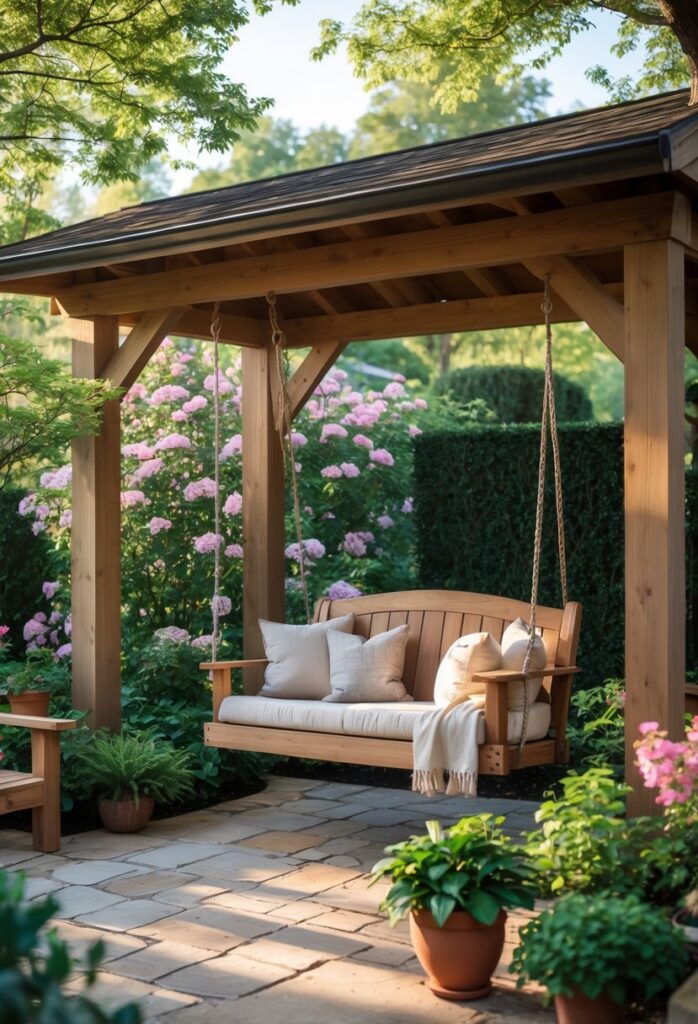
A porch swing is a great addition to a farmhouse garden seating area. It offers a cozy spot for relaxing while blending well with rustic garden furniture. They often use durable wood like cedar or oak, which fits the farmhouse style.
Adding cushions in weather-resistant fabric improves comfort and style. Positioning the swing in a shaded spot makes it inviting during warm days. For ideas on creating charming setups, see farmhouse porch swing designs for outdoor spaces.
6) Herb garden section with wooden planter boxes
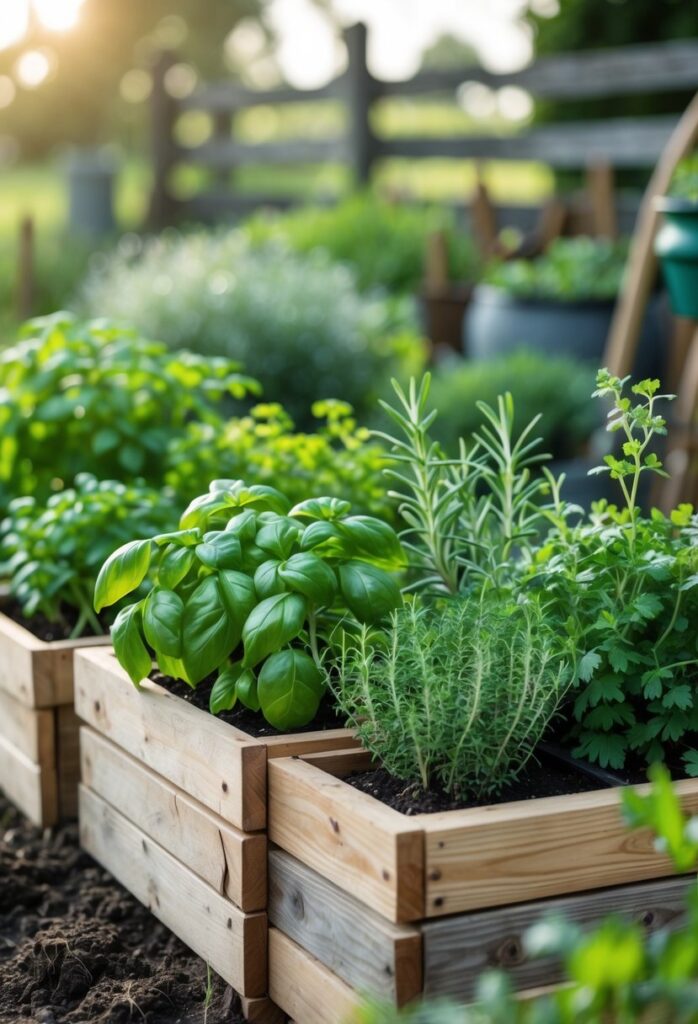
Wooden planter boxes add a natural touch to a farmhouse garden. They are sturdy and easy to arrange in different layouts.
Using these boxes, gardeners can grow a variety of herbs in one neat space. The wood also helps maintain soil moisture, which herbs need to thrive.
Raised wooden beds make planting and harvesting herbs simpler and more organized. They fit well with rustic farmhouse decor and bring both function and charm to the garden.
For more ideas on using raised wooden beds, see this guide on rustic farmhouse garden ideas with raised planter boxes.
7) Rustic trellises for climbing plants like peas or beans
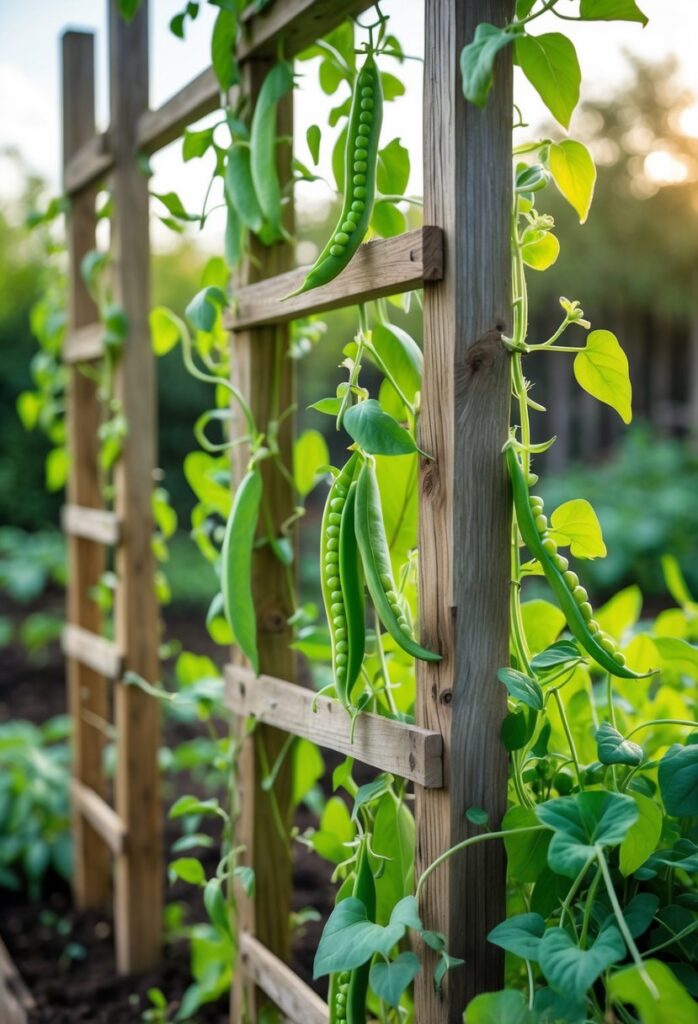
Rustic trellises offer a simple, natural way to support climbing plants such as peas and beans. They are often made from wood, bamboo, or repurposed materials, blending well with farmhouse gardens.
Their design allows plants to grow upward, saving space and improving air flow. This makes harvesting easier and helps reduce pests.
Building a rustic trellis can be affordable and customizable to fit any garden size. For ideas on rustic trellis designs, see this guide on adding whimsy to your garden.
Principles Of Farmhouse Garden Design
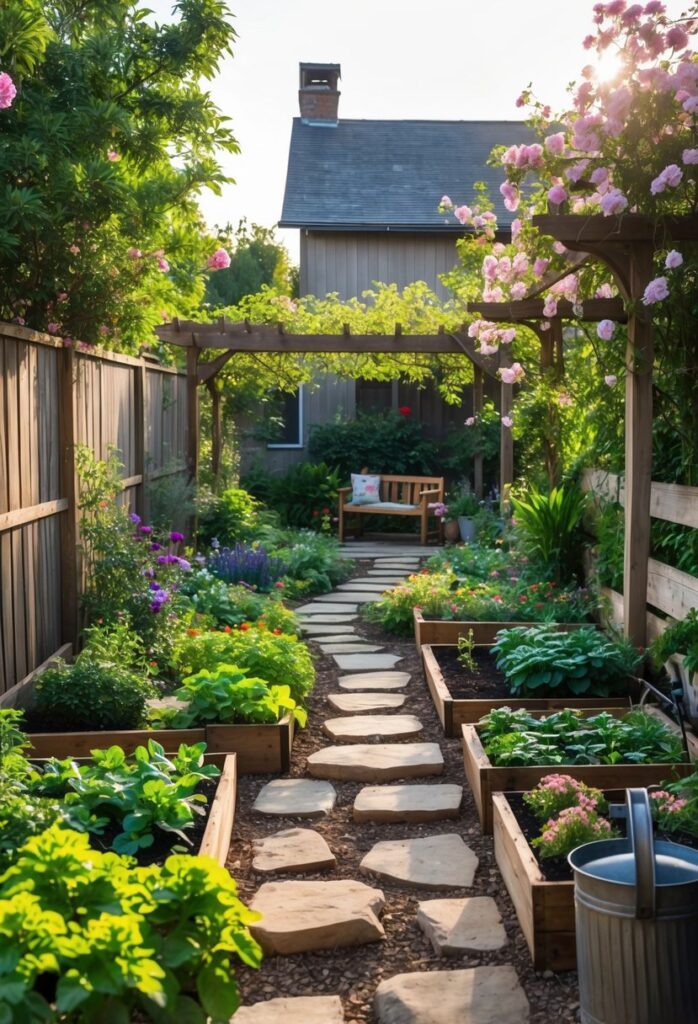
Farmhouse garden design is built on practicality and charm. It combines natural materials with simple layouts to create spaces that feel welcoming and easy to maintain. Thoughtful choices about style and color help keep everything balanced and inviting.
Blending Rustic And Modern Elements
A key part of farmhouse gardens is mixing old-fashioned, rustic features with modern touches. Rustic elements like weathered wood, stone paths, and vintage containers create warmth. Adding modern pieces such as sleek metal planters or minimalist seating introduces a fresh look without losing the classic farmhouse feel.
This blend keeps the garden functional and stylish. Paths should be made from natural materials like gravel or flagstone, while furniture can be a mix of handcrafted rustic and clean-lined modern styles. Lighting also plays a role; lantern-style fixtures paired with simple string lights offer charm and practicality.
Color Palette Selection For Cohesive Spaces
Choosing the right colors is essential for a farmhouse garden to feel unified. Soft, earthy tones like sage green, cream, and muted browns work well as base colors. These shades reflect natural materials and blend smoothly with plants.
Accent colors come from flowers and décor. Whites, pale yellows, and dusty blues add gentle pops of color without overwhelming the space. Consistency across pots, fences, and garden furniture creates a cohesive look. Avoid bright, neon tones as they clash with the calm, rustic nature of farmhouse style. Using a limited palette helps maintain harmony throughout the garden.
For more practical farmhouse garden design tips, visit 7 farmhouse garden ideas to transform your outdoor space this spring.
Sustainable Gardening Practices
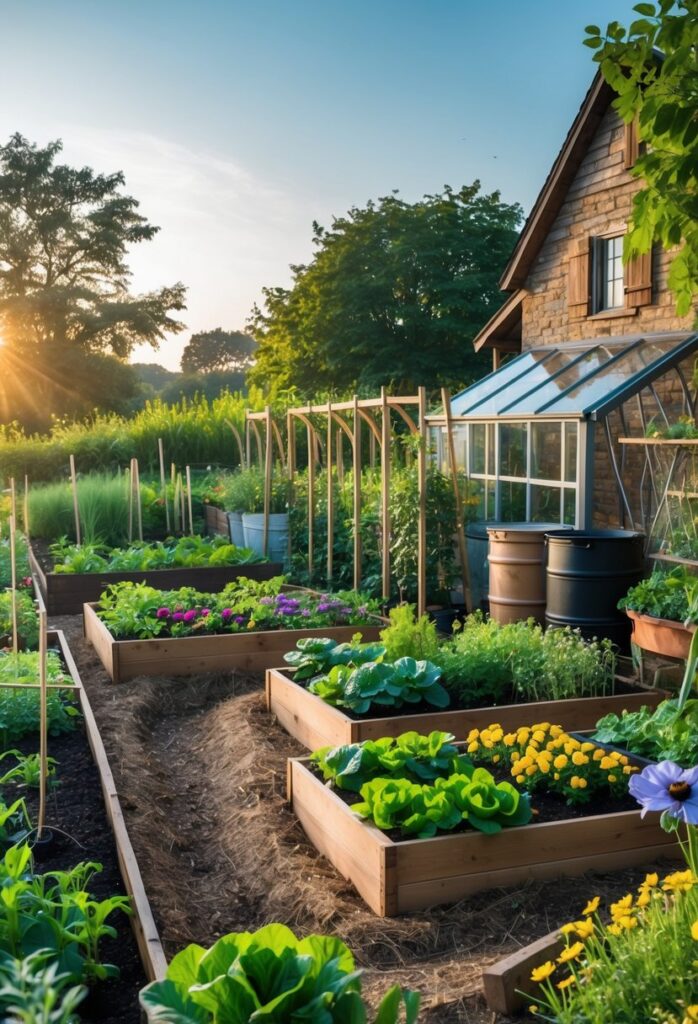
Farmhouse gardens benefit greatly from careful choices in materials and efficient use of water. These actions support both the health of the garden and the environment.
Eco-Friendly Material Choices
Choosing natural and recycled materials helps reduce waste and chemical use in a garden. Wood from reclaimed sources can be used for fences, raised beds, or garden furniture. This reduces the need to cut down new trees and lowers environmental impact.
Mulch made from organic matter like leaves or grass clippings improves soil health while minimizing plastic waste. Avoiding synthetic fertilizers and pesticides also protects beneficial insects and soil microbes.
Composting kitchen scraps and garden waste creates nutrient-rich soil that reduces the need for store-bought products. This practice closes the nutrient loop in a sustainable garden. Using local materials whenever possible cuts down on transportation emissions.
Water Conservation Techniques
Water-saving methods make a significant difference in farmhouse gardens. Collecting rainwater with barrels or tanks supplies plants naturally and reduces dependence on tap water.
Drip irrigation targets water directly to plant roots, cutting waste from evaporation or runoff. Mulching around plants keeps the soil moist longer and reduces watering frequency.
Choosing drought-tolerant plants suited to the local climate also limits water needs. Grouping plants with similar water requirements together optimizes irrigation efficiency.
Checking for leaks in hoses and watering systems prevents unnecessary water loss. These steps help maintain a healthy garden with a lower water footprint.
Learn more about sustainable gardening ideas at The Gardening Tips.