
8 Outdoor Lighting Ideas to Transform Your Home’s Exterior This Winter
Outdoor lighting changes how a home looks and functions after dark. The right fixtures make yards safer, highlight beautiful features, and create spaces where people want to spend time. Good lighting helps guests find their way to the door and lets families enjoy outdoor areas long after sunset.
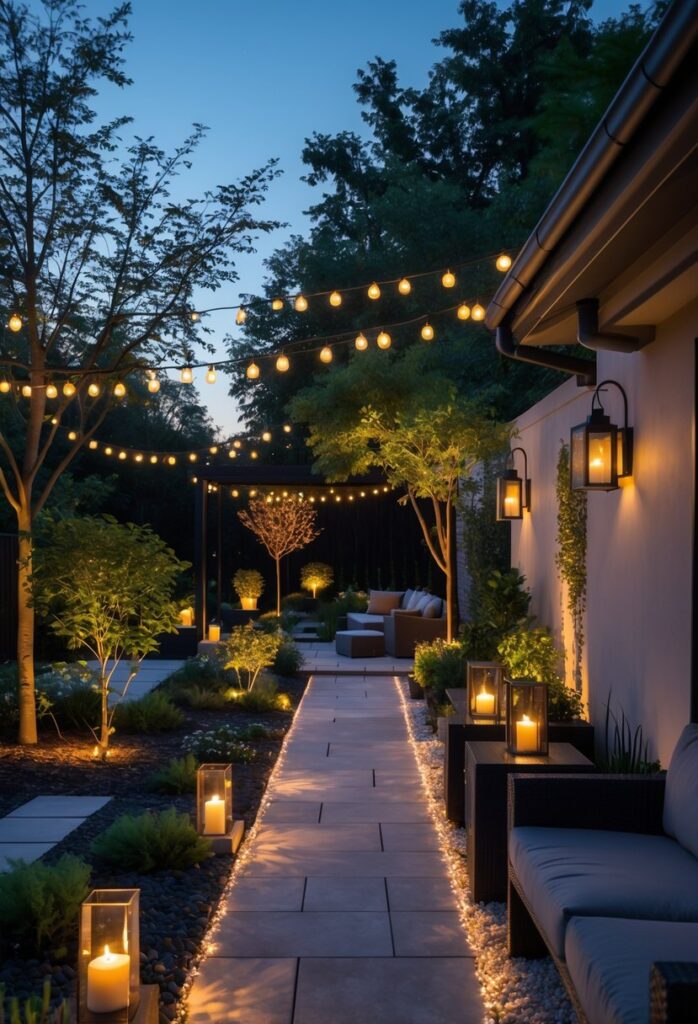
Homeowners can choose from many types of outdoor lights that serve different purposes, from security to decoration. Some options use new technology that saves energy and money. Others offer traditional styles that add character to a home’s exterior.
The best outdoor lighting plans mix several types of fixtures to meet specific needs. Modern outdoor lighting solutions work together to light pathways, showcase plants and structures, protect property, and set the mood for gatherings. Each type of light plays a role in making outdoor spaces both practical and pleasant.
8) Spotlights highlighting landscaping features like trees and sculptures
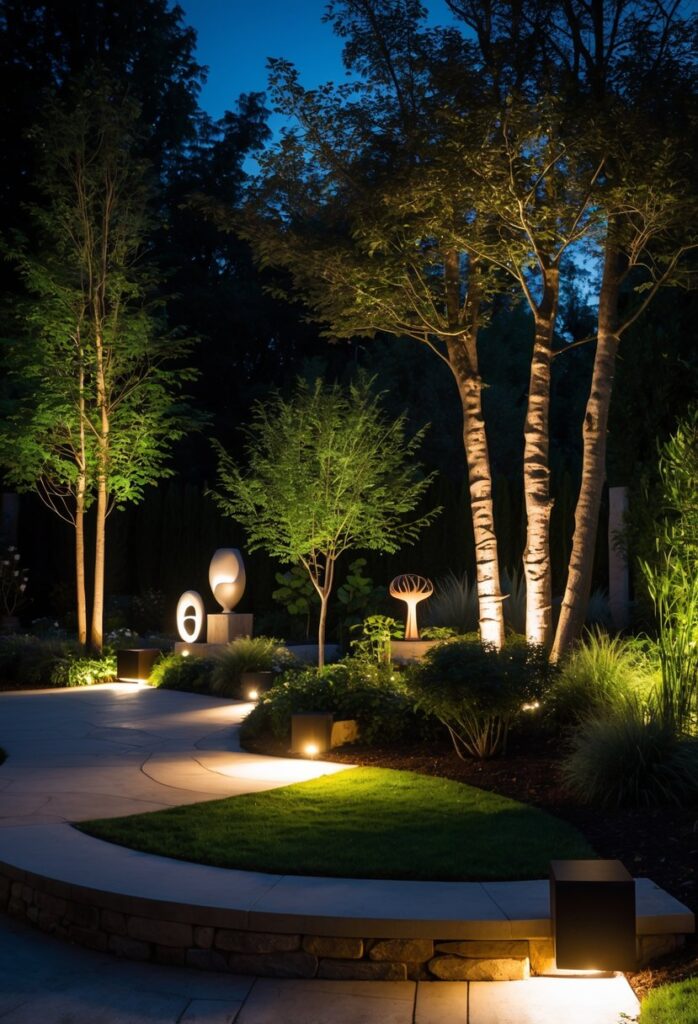
Spotlights draw attention to specific garden elements after dark. They work well for illuminating trees, sculptures, and architectural features.
Adjustable spotlights let homeowners control the beam direction and intensity. Placing lights at the base of a tree creates an uplighting effect that shows off its shape and texture.
LED spotlights are energy-efficient options that last for years. They highlight focal points without lighting the entire yard at once.
7) Smart Outdoor Lights are controllable via smartphone for convenience and customization
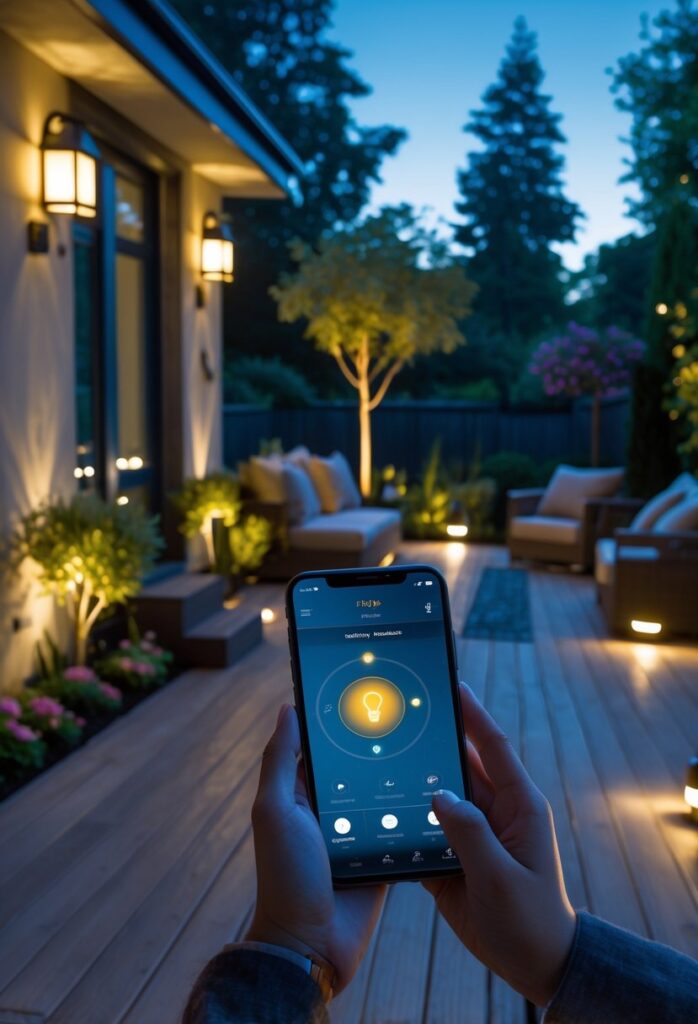
Smart outdoor lighting lets homeowners control their lights from anywhere using a smartphone app. These systems allow users to adjust brightness, change colors, and set schedules without going outside.
Many options work with voice commands through Alexa or Google Assistant. App-controlled lighting solutions make it easy to customize outdoor spaces for different occasions. They also improve home security by letting people turn lights on remotely.
6) Recessed Deck Lighting installed flush with the deck surfaces for a subtle glow
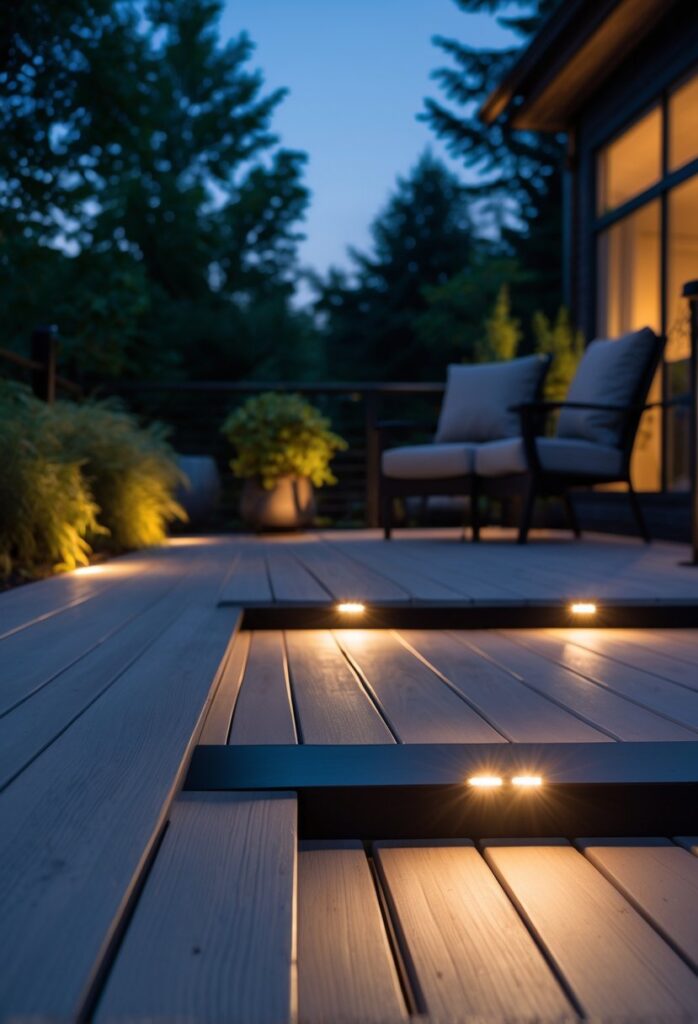
Recessed deck lights install flush on deck boards to create clean, uncluttered surfaces. These low-profile fixtures sit level with the deck material and provide gentle illumination without protruding.
Recessed lighting defines deck perimeters, pathways, and stairways effectively. The lights remain virtually invisible during the day while delivering bright illumination after dark. Waterproof construction allows them to withstand foot traffic and weather conditions.
5) Lantern-Style Wall Sconces adding classic charm to porch areas
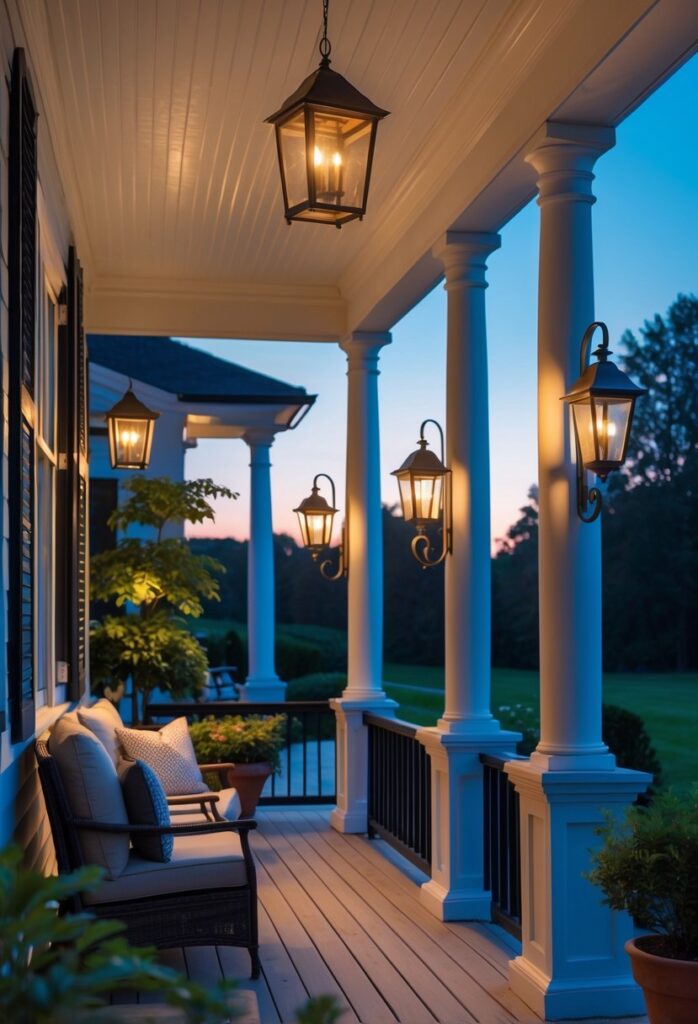
Lantern-style wall sconces bring timeless appeal to any porch. These fixtures work well when mounted on either side of a door, creating a balanced look.
The design offers both light and style. Classic lantern sconces add a cozy feel to outdoor spaces.
They work in many settings, from traditional homes to rustic properties. The warm glow highlights architectural details while making guests feel welcome.
4) LED Floodlights providing bright, wide coverage for backyard spaces
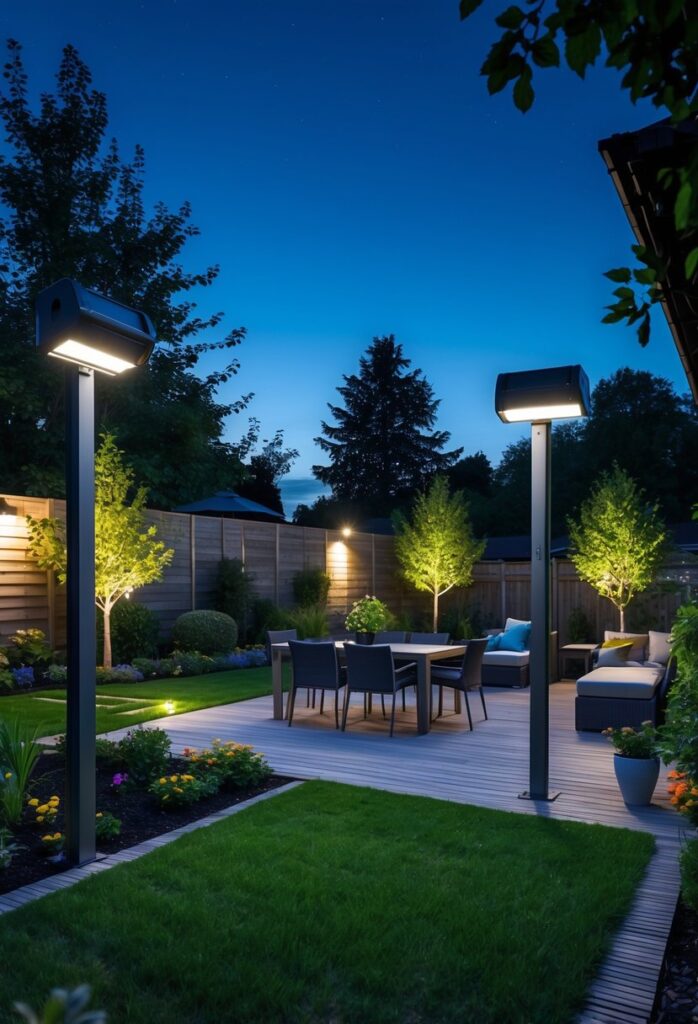
LED floodlights are designed to illuminate large outdoor areas with powerful, bright light. They work well for backyards because they provide wide beam coverage up to 120 degrees.
These lights use less energy than traditional options while delivering higher brightness levels. For general backyard lighting, LED flood lights typically range from 700 to 1500 lumens.
They last longer and reduce electricity costs, making them practical for nightly outdoor use.
3) Motion-Sensor Security Lights enhancing safety near entrances and driveways
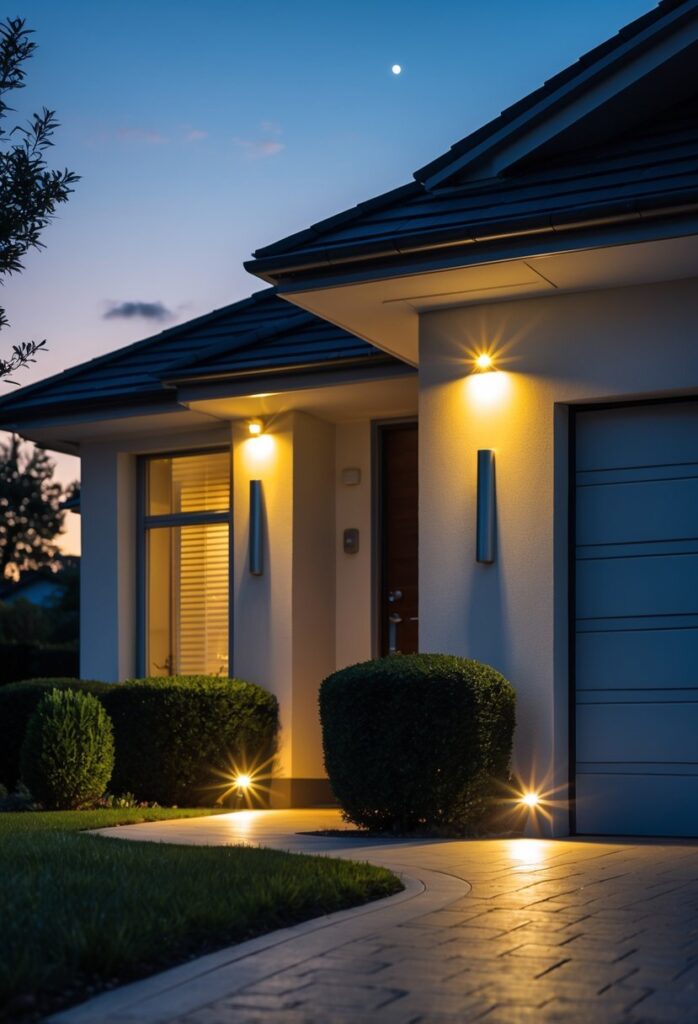
Motion-sensor lights automatically turn on when they detect movement nearby. These outdoor motion sensor lights work well at front doors, back entrances, and driveways.
They help people see clearly when arriving home after dark. The lights also discourage unwanted visitors by lighting up dark areas around the property.
Motion-activated security lights save energy because they only work when needed. They typically use LED bulbs that last for years.
2) String Lights draped around patios and pergolas to create a warm ambiance
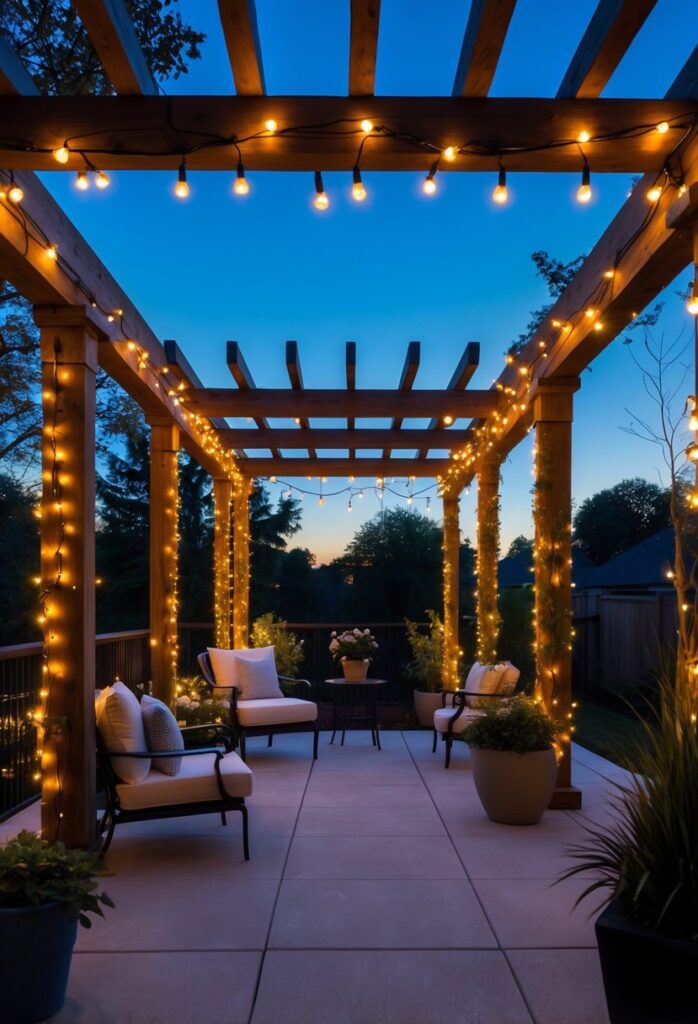
String lights transform outdoor spaces into inviting areas for relaxation and entertainment. When draped across a pergola, they create a cozy and inviting ambiance perfect for evening gatherings.
Homeowners can wrap lights around patio posts to highlight architectural features while adding soft illumination. This simple installation method works well for both dining areas and casual seating spaces.
The gentle glow helps extend outdoor living time into the evening hours throughout the year.
1) Solar-Powered Pathway Lights for energy-efficient walkway illumination
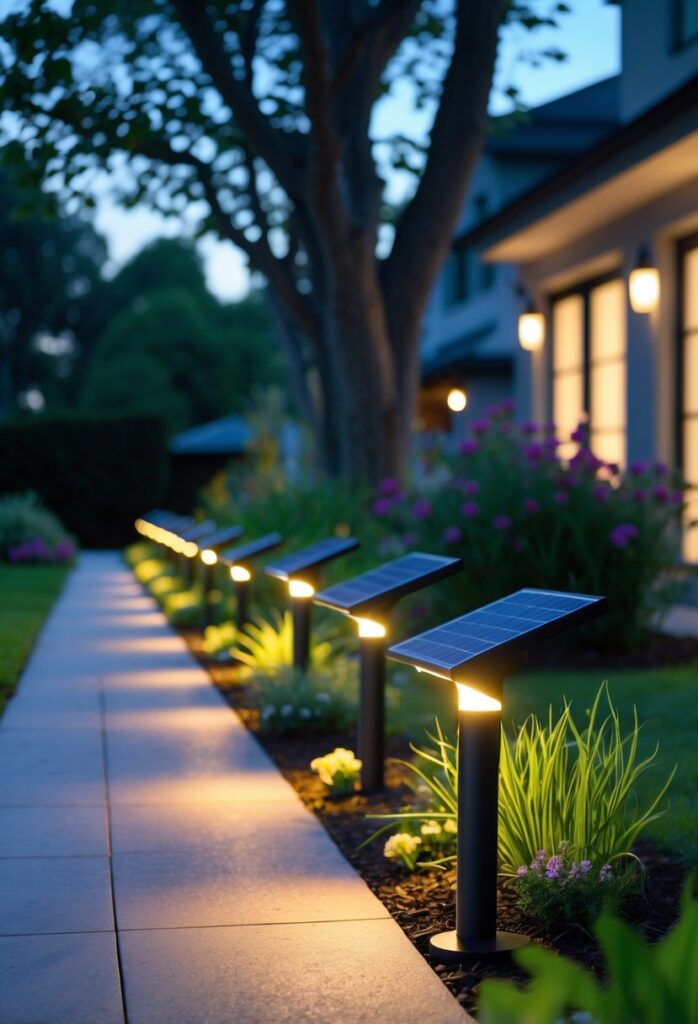
Solar pathway lights collect sunlight during the day and automatically turn on at dusk. They need no wiring or electrical connections, which makes installation simple.
These lights work well for illuminating driveways, gardens, and walkways without adding to electricity costs. Most models include LED bulbs that provide bright light while using minimal energy.
Weather-resistant designs ensure the lights work year-round in various conditions.
Benefits of Outdoor Lighting
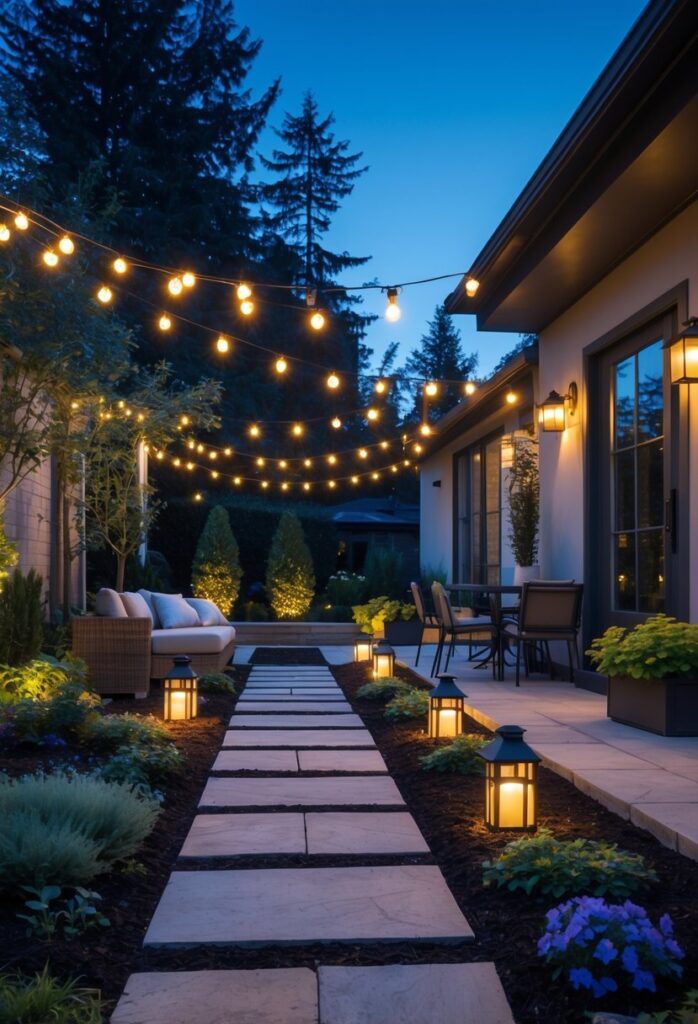
Outdoor lighting delivers practical advantages that go beyond simple decoration. Well-planned lighting adds value to a property, protects against unwanted visitors, and creates functional spaces for evening activities.
Enhancing Curb Appeal
Outdoor lighting transforms a home’s appearance after dark by highlighting architectural features and landscaping elements. Strategic placement of lights draws attention to columns, doorways, and unique design details that might otherwise go unnoticed at night.
Pathway lights create welcoming entrances that guide visitors to the front door. Uplighting showcases trees and garden focal points, adding depth and dimension to the landscape. Creative outdoor lighting solutions can boost a property’s visual appeal while making it stand out in the neighborhood.
The right lighting choices also increase property value. Potential buyers notice well-lit exteriors during evening showings, and quality lighting systems suggest a maintained, cared-for home. Warm light temperatures between 2700K and 3000K create inviting atmospheres that make outdoor spaces feel like natural extensions of the interior.
Improving Security
Illuminated properties deter potential intruders who prefer to operate in darkness. Motion-sensor lights near entry points alert homeowners to movement around doors, windows, and garages.
Dark corners and shadowy areas provide hiding spots that lighting eliminates. Installing fixtures near vulnerable access points removes these blind spots and increases visibility for security cameras. Outdoor lighting enhances safety and security by making it difficult for unwanted visitors to approach undetected.
Well-lit walkways and stairs prevent trips and falls for residents and guests. Clear visibility of steps, uneven surfaces, and obstacles reduces accident risks during nighttime use.
Extending Usable Outdoor Space
Effective outdoor lighting makes yards and patios more functional after sunset by creating comfortable spaces for dining, entertaining, and relaxation. Families can use decks, patios, and outdoor kitchens well into the evening hours.
String lights and overhead fixtures provide ambient lighting for social gatherings. Task lighting over cooking areas ensures safe food preparation outdoors. Dimmable options allow adjustment based on activities and mood preferences.
LED and solar-powered lights offer energy-efficient solutions that reduce electricity costs while extending outdoor living time. These technologies provide adequate illumination without significantly impacting monthly utility bills.
Planning Your Outdoor Lighting
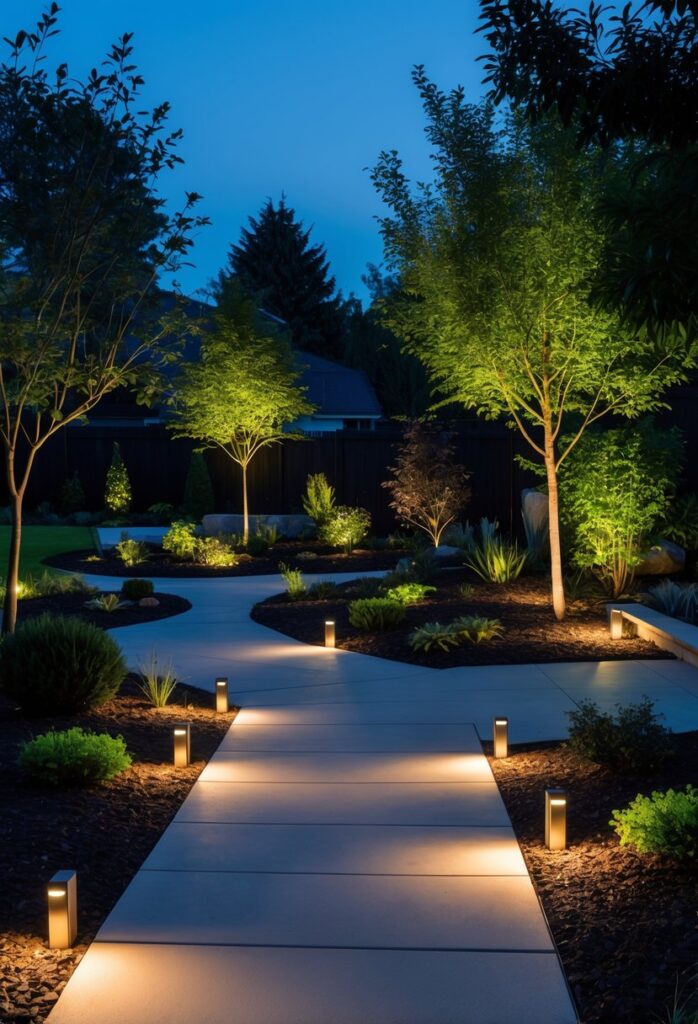
Success with outdoor lighting starts with understanding your property’s unique features and picking fixtures that work well for years to come. The right planning creates safe, beautiful spaces while avoiding common mistakes that waste money and effort.
Assessing Your Space
A proper evaluation of outdoor areas helps identify where lighting makes the biggest impact. Homeowners should walk their property at night to spot dark zones near entryways, pathways, stairs, and gathering areas. These spots need attention first for safety reasons.
Taking measurements of key areas helps determine how many fixtures are needed and their placement. A typical pathway needs lights every 6-10 feet for even coverage. Larger areas like patios or decks require different spacing based on their size and shape.
The landscape itself affects lighting choices. Trees, shrubs, and garden beds can create interesting shadow patterns when lit from below or behind. Power source locations matter too since they determine whether solar, battery, or wired fixtures work best for each spot.
Choosing the Right Fixtures
Different outdoor areas need specific fixture types to work properly. Pathway lighting uses low-profile fixtures that light the ground without causing glare. Wall sconces work well near doors and garage entrances. Spotlights and floodlights highlight architectural features or large trees.
Durability ratings matter for outdoor use. Fixtures need an IP rating of at least IP65 to handle rain and moisture. Materials like aluminum, copper, and stainless steel resist rust better than basic metals.
Key Fixture Considerations:
- Brightness levels – Measured in lumens, typically 50-300 for paths, 700+ for security areas
- Color temperature – Warm white (2700-3000K) for ambiance, cool white (4000-5000K) for task areas
- Power type – Solar for remote areas, low-voltage for safety, line-voltage for bright security needs
- Control options – Timers, motion sensors, or smart controls for convenience
Balancing Aesthetics and Functionality
Good outdoor lighting serves practical needs while looking attractive. Safety lighting should be bright enough to prevent trips and falls but not so harsh it creates uncomfortable glare. Motion-activated lights near entrances provide security without staying on all night.
Layering different light types creates depth and visual interest. Ambient lighting sets the overall mood, task lighting helps with specific activities, and accent lighting draws attention to special features. This approach works better than relying on just one type.
Matching fixture styles to home architecture keeps the look cohesive. Modern homes pair well with sleek metal fixtures, while traditional homes suit lantern-style lights. The fixtures themselves become part of the landscape design, not just tools for seeing in the dark.