
8 Living Room Decor Ideas to Elevate Your Space Instantly
Living rooms are central spaces where people gather to relax, connect, and spend time together. Decorating these rooms well can make a big difference in how comfortable and welcoming they feel.
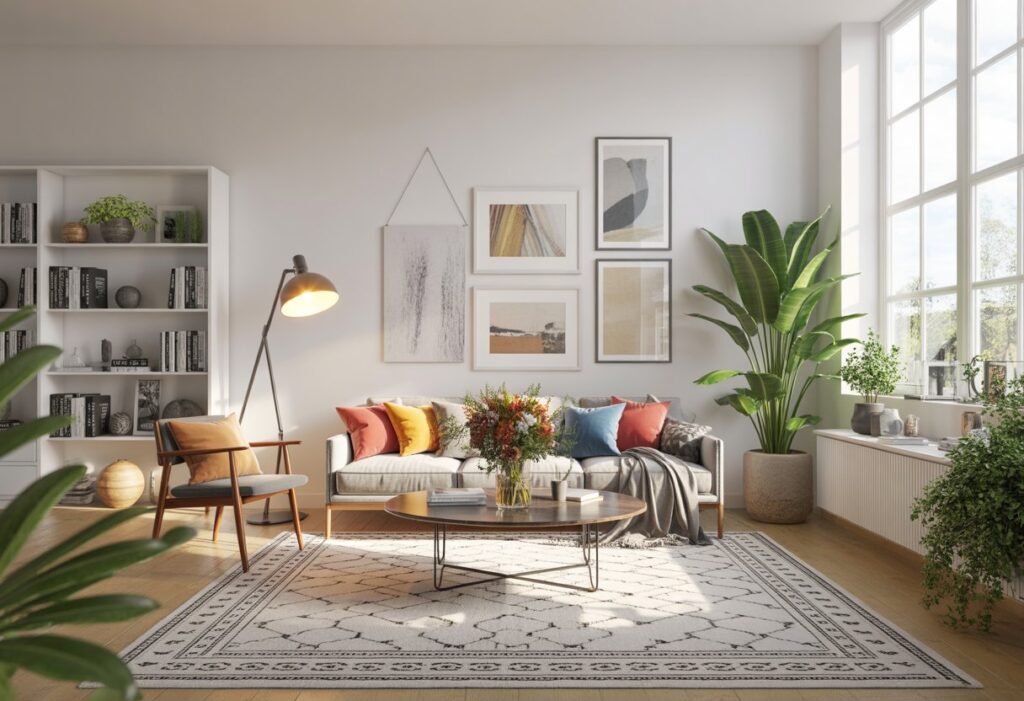
The right decor ideas help create a balance between style and function, making a living room both beautiful and practical. These ideas can suit different tastes and room sizes without needing a major renovation or high costs.
1) Create a focal wall with bold, textured wallpaper
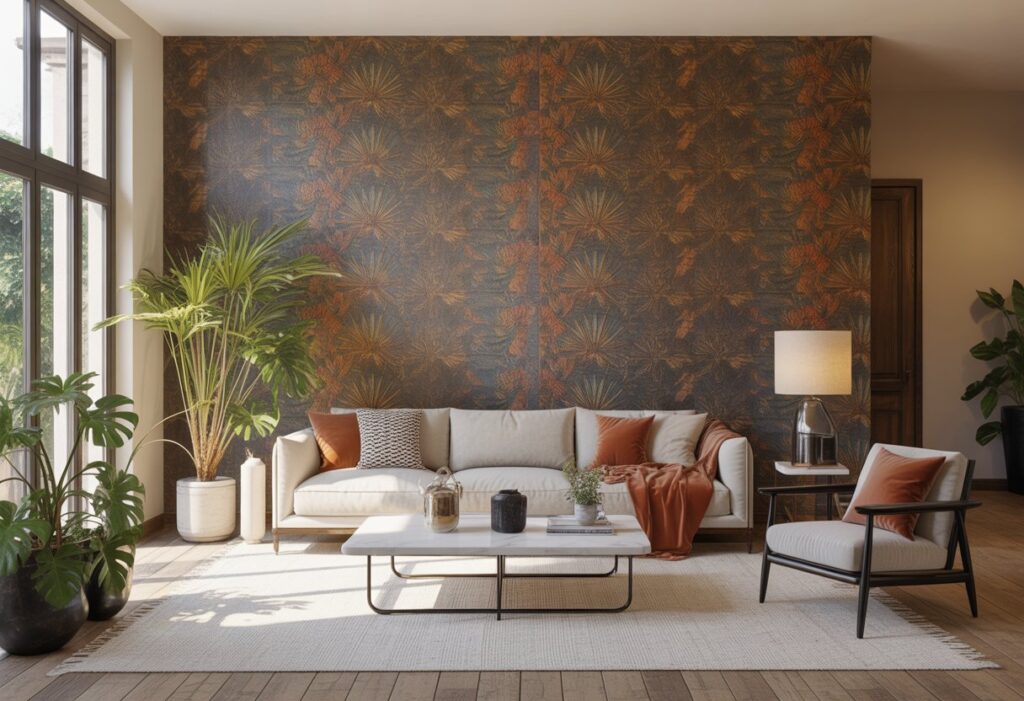
A focal wall with bold, textured wallpaper can change the look of a living room quickly. It draws attention and adds depth to the space. Instead of using plain paint, textured wallpaper offers a unique feel that paint alone cannot achieve.
Bold patterns or raised textures create a sense of style and make the room more inviting. For example, geometric shapes or natural textures like grasscloth can give the wall character. This helps break up plain walls and adds a layer of visual interest.
Textured wallpaper also works well with simple furniture. It allows the walls to stand out without overwhelming the room. The right choice of color and texture can make the living room feel cozy or modern, depending on the design.
Using wallpaper on one wall is a budget-friendly way to update a room. It avoids covering all the walls, which can be time-consuming and costly. Anyone can refresh their living room by focusing on one strong accent wall with textured wallpaper.
2) Incorporate layered lighting: ambient, task, and accent
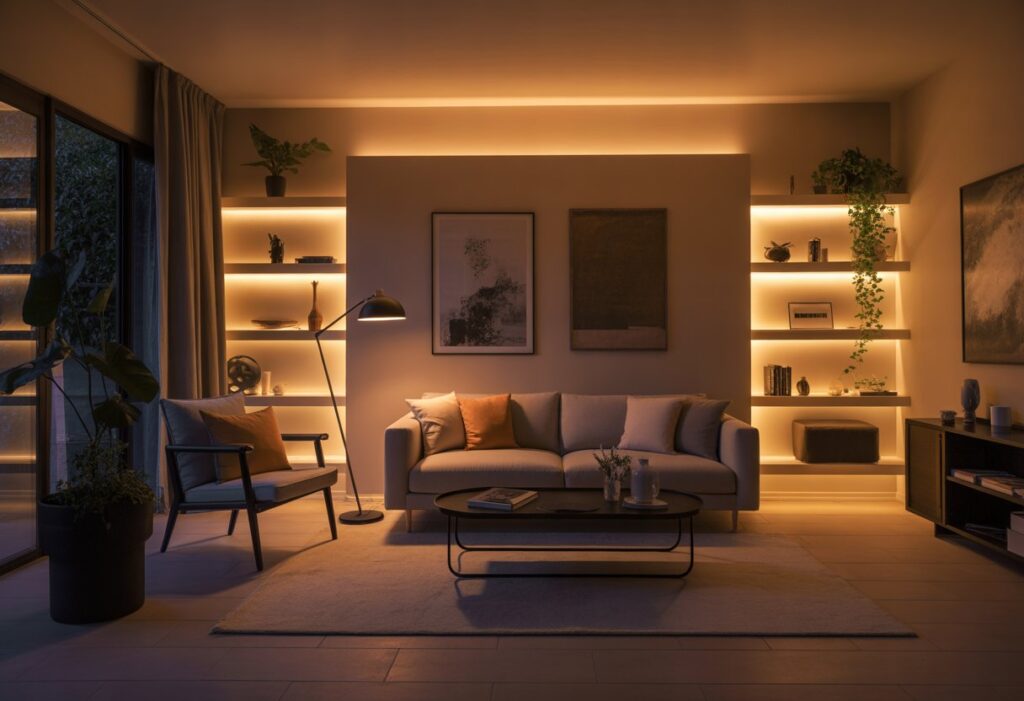
Layered lighting uses three types of light to create a balanced and functional living room. Ambient lighting provides general brightness. It sets the overall mood and ensures the space is well-lit.
Task lighting focuses on specific activities like reading or working. Examples include floor lamps or desk lights placed where extra light is needed. This type of lighting helps reduce eye strain and makes tasks easier.
Accent lighting highlights artwork, plants, or architectural features. It adds depth and visual interest. Accent lights are often smaller and more directed, such as spotlights or wall sconces.
Combining these layers allows for flexibility. Using dimmers or adjustable fixtures helps change the mood from bright and active to soft and relaxing. Matching bulb colors and placing lights carefully creates a cohesive look.
This approach is practical and stylish. It adapts to different needs while improving the room’s atmosphere and design. Layered lighting is a key element in modern living room decor.
3) Use a mix of patterned throw pillows for depth
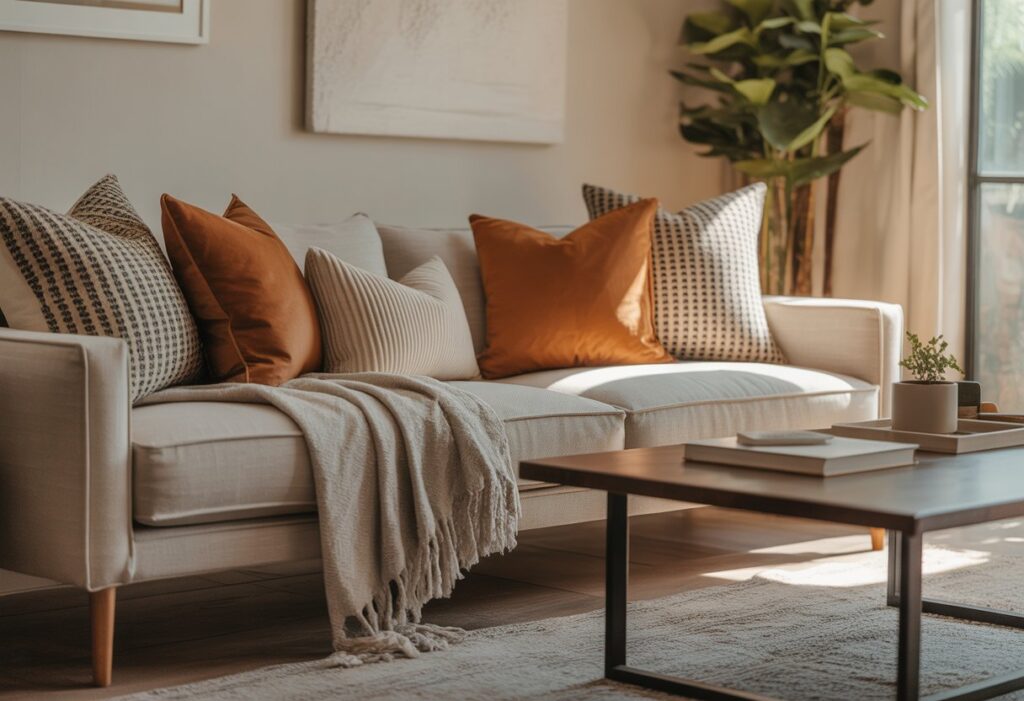
Using a variety of patterned throw pillows can add depth and interest to a living room. Mixing patterns like stripes, florals, and geometric shapes creates visual layers that make the space feel more dynamic.
It helps to stick to a consistent color palette so the patterns look connected rather than random. Combining different textures, such as velvet, linen, or chunky knits, also adds a subtle richness to the arrangement.
He or she can start with one bold pattern and then add smaller, more subtle designs to balance the look. This approach gives the room personality without overwhelming it.
Pairing geometric patterns with softer shapes can offer a modern yet comfortable feel. Throw pillows give an easy way to update the room’s style without major changes.
By mixing patterns and textures thoughtfully, the living room gains a stylish and inviting atmosphere.
4) Add a large area rug to define the seating area
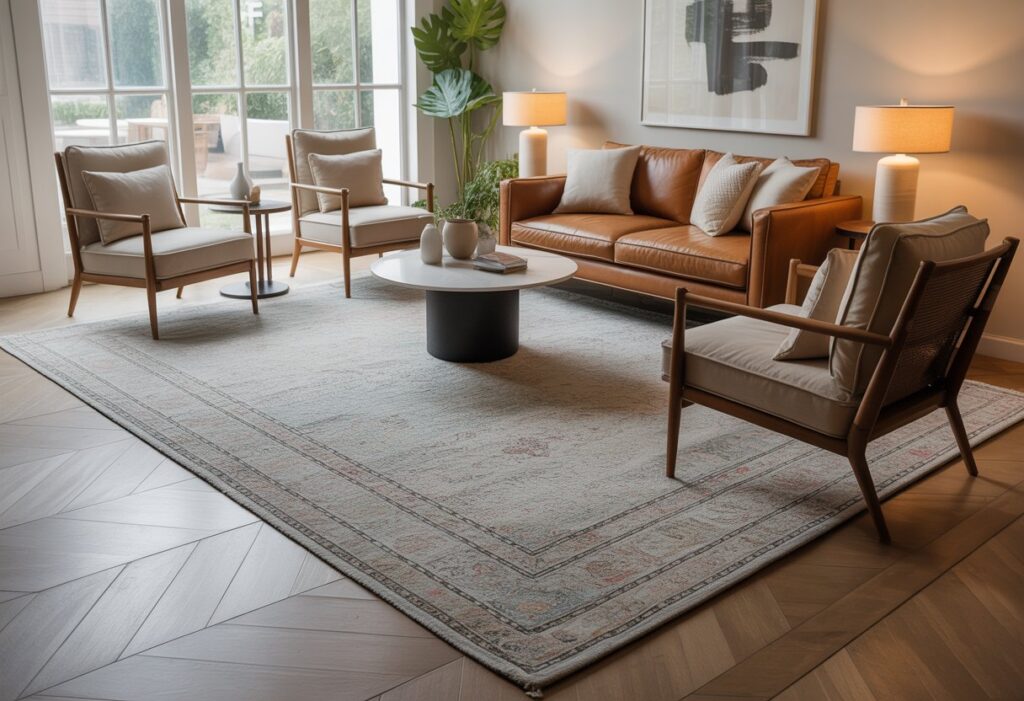
A large area rug can clearly mark the seating area in a living room, helping to organize the space. It creates a visual boundary that separates the seating zone from other parts of the room without the need for walls.
The rug should be big enough to fit under key furniture pieces like the sofa and chairs. This helps tie everything together and gives the area a unified look. Rugs that extend beyond the edges of furniture avoid a cramped feeling and add warmth to the space.
Choosing a rug with a simple or neutral pattern works well to keep the room cohesive. However, a bold, patterned rug can also work if balanced with other design elements. The texture and color of the rug should complement the furniture and walls to maintain harmony.
Using a large rug helps create a cozy and inviting seating area, especially in open or spacious rooms. It also adds softness underfoot, making the living room more comfortable to spend time in. Overall, a well-placed rug is a practical and stylish way to define the main gathering spot.
5) Place a statement coffee table as a central piece
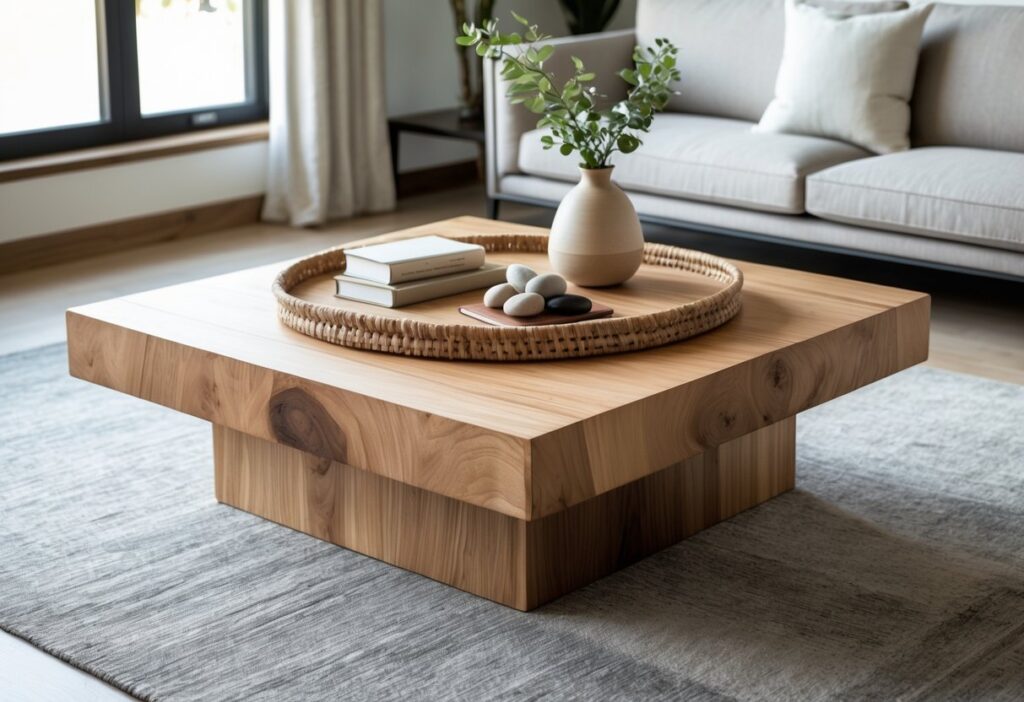
A statement coffee table can anchor a living room and draw attention. It sets the tone for the space and helps define the style of the room. Choosing the right shape is important—square tables work well with a strong central piece, while round or oval tables benefit from a mix of objects that add height and movement.
Materials like wood, glass, or metal offer different vibes. A wooden table adds warmth, while glass can make the room feel more open. Metal frames can bring a modern or industrial touch. The table should fit the room size, allowing enough space to move around comfortably.
Styling the coffee table with simple, eye-catching items adds personality without clutter. Natural elements, such as bowls with stones or woven trays, create a calm, inviting feel. Layering a few decorative pieces helps balance the look and connects the table with the rest of the decor.
6) Include built-in shelving for both storage and display
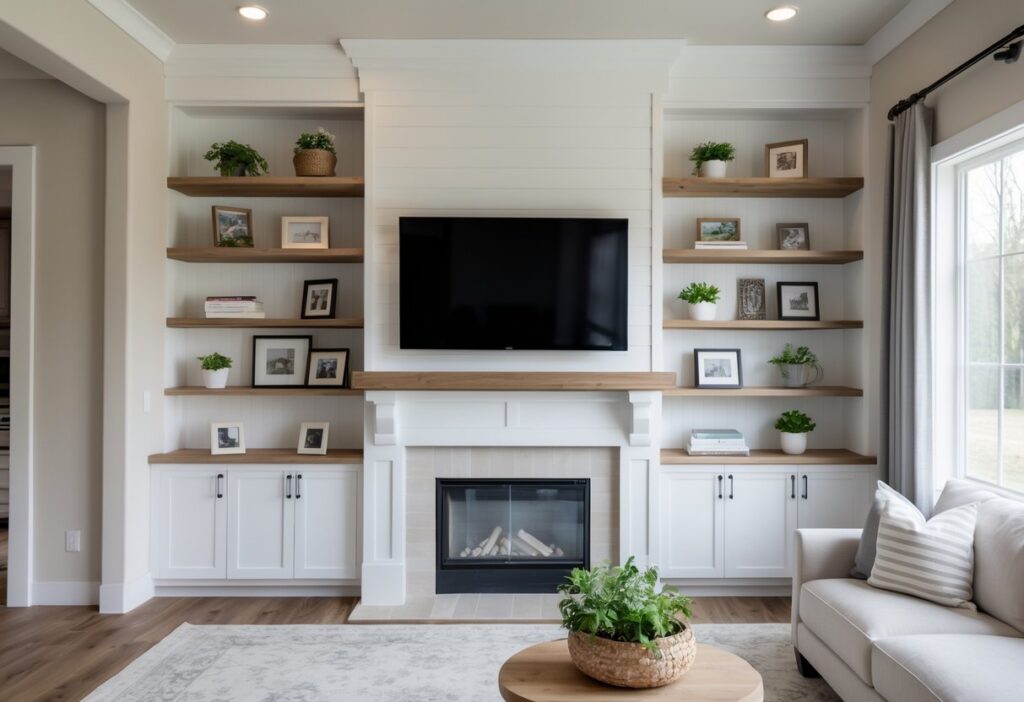
Built-in shelving adds practical storage while keeping the living room organized. It fits seamlessly into the room’s design, creating a clean and polished look without taking up extra floor space.
These shelves can be customized to fit different styles, from modern to farmhouse. They offer open spaces to display books, photos, and decor, as well as closed cabinets to hide clutter. This balance helps keep the room tidy and visually appealing.
Built-in shelves work well around fireplaces, TVs, or windows, making use of wall space that might otherwise be wasted. They also create cozy corners or focal points that add interest to the room’s layout.
Adding built-in shelving is a smart way to combine storage needs with style. It helps maximize vertical space, providing plenty of room for both everyday items and decorative pieces.
7) Choose a calming neutral palette with pops of color
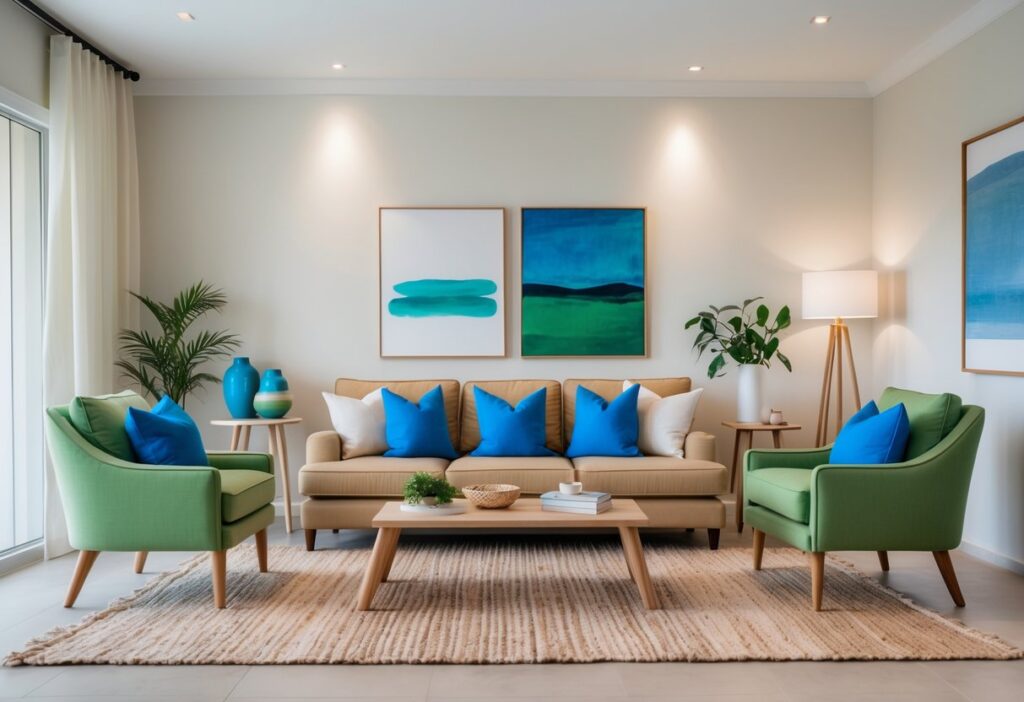
A neutral color palette creates a calm and inviting base for any living room. Shades like white, cream, beige, or gray offer a soft background that feels balanced and timeless. They allow the space to feel open and relaxed without overwhelming the senses.
Adding pops of color to a neutral room brings interest and energy. This could be through cushions, rugs, or artwork in brighter shades. Using color in small amounts helps highlight certain areas without disturbing the overall calmness.
For example, a tan sofa paired with green armchairs or blue pillows can add personality while keeping the main space neutral. The key is to balance bold colors with soft tones to keep the room feeling fresh but still peaceful.
Neutral rugs and natural textures work well to ground the room. They calm vibrant elements by creating a visual break. This mix of calm and color offers style without sacrificing comfort or simplicity.
8) Bring in natural elements with indoor plants
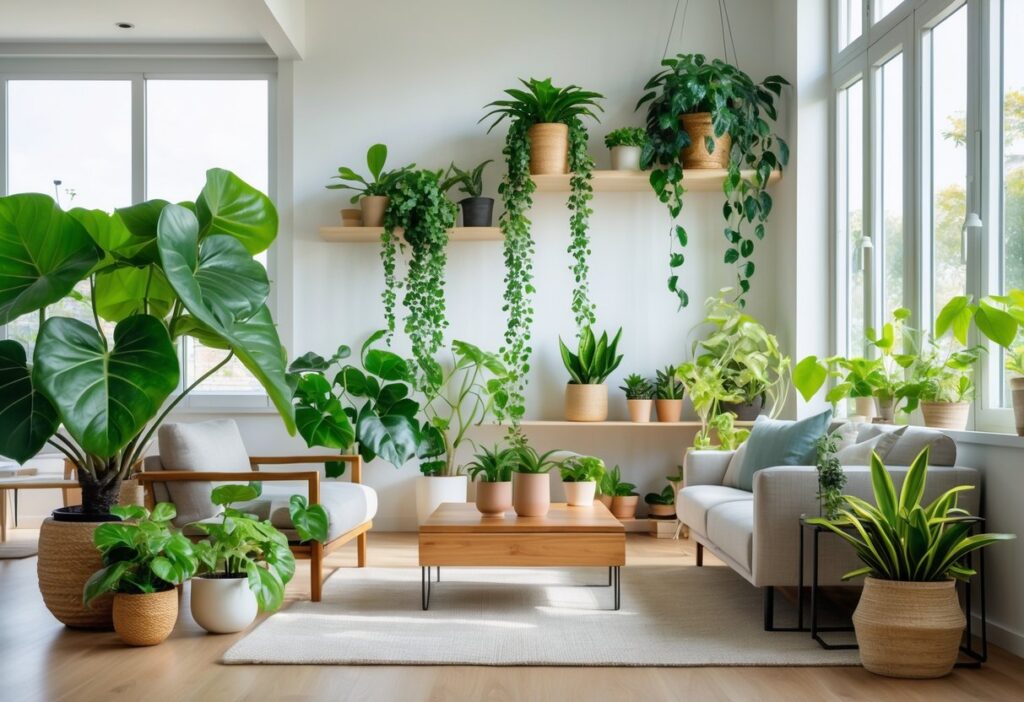
Indoor plants add texture and life to a living room. They create a calming atmosphere by connecting the space with nature. Different plant sizes and shapes can be used to balance the room visually.
Trailing plants like ivy or string of pearls can hang to fill empty corners and add movement. Larger plants can serve as focal points, while smaller ones work well on shelves or tables.
Plants also improve air quality and bring color without needing major changes to the decor. Choosing the right pot and placement helps integrate them naturally with furniture.
With proper light and care, indoor plants can thrive year-round. They are a simple way to refresh a room and create a cozy, organic feel.
Principles of Living Room Decor
Living room decor needs to combine looks with practical use. Careful choices in furniture, lighting, and color make the space inviting and efficient. Good design balances beauty with ease of living, creating a room people want to spend time in.
Balancing Style and Function
A living room must look good and work well for daily use. Furniture should be comfortable and fit the space without crowding it. For example, a sofa with clean lines and durable fabric suits a busy household.
Lighting also plays a big role. Layered lighting—using overhead lights, floor lamps, and task lighting—helps set the mood and serves different activities like reading or watching TV.
Storage is important too. Pieces like ottomans with hidden storage or stylish shelves keep clutter away while adding to the room’s appeal.
Choosing a Cohesive Color Palette
A well-chosen color palette ties a living room together. It’s best to pick 2-3 main colors that work well in the space.
Neutral tones like beige, gray, or soft white create a calm base. Adding one or two accent colors with pillows, rugs, or art adds interest without overwhelming.
Consistency matters in walls, furniture, and accessories. Using similar shades or tones throughout helps the room feel unified.
Bright colors can work if used in small doses, balancing energy with calm elements.
Personalizing Your Living Room
Personal touches make a living room feel lived-in and special. Thoughtful choices in art and textiles can turn a simple space into one that reflects personality and style clearly.
Integrating Art and Decorative Accents
Art is one of the easiest ways to add character. Choosing pieces that speak to personal interests or memories creates a meaningful atmosphere. Gallery walls combining photos, prints, and artwork offer variety and visual interest.
Decorative accents such as sculptures, vases, or unique collectibles bring texture and depth. They should complement the overall color scheme to keep the room cohesive. Placement matters: arrange items at different heights for a balanced look.
Lighting can highlight art effectively. Use picture lights or spotlights to draw focus. Regularly updating or rotating these accents keeps the space fresh without a full redesign.
Showcasing Unique Textiles
Textiles give warmth and comfort, while adding a layer of style. Mixing patterns and textures through pillows, throws, and rugs adds visual richness. For example, pairing a soft velvet pillow with a woven throw creates contrast.
Choosing textiles in colors that tie into the rest of the room helps maintain unity. Natural fabrics like cotton, wool, or linen feel inviting and perform well over time.
Consider incorporating textiles sourced from different cultures or family heirlooms. These elements add a story to the space and make it deeply personal. Regularly changing textiles by season or mood also refreshes the room without extra cost.