8 Small Indoor Plants Perfect for Compact Spaces and Easy Care
Many people want to add greenery to their homes but struggle with limited space. Small indoor plants offer a practical way to bring nature inside without taking up too much room. They fit well in apartments, offices, or any cozy spot needing a touch of life.

Small indoor plants are perfect for brightening spaces while being easy to care for and space-efficient. These plants can improve the look of a room and create a calming atmosphere without overwhelming the area. Choosing the right small plants helps make the most of every inch available.
1) Spider Plant
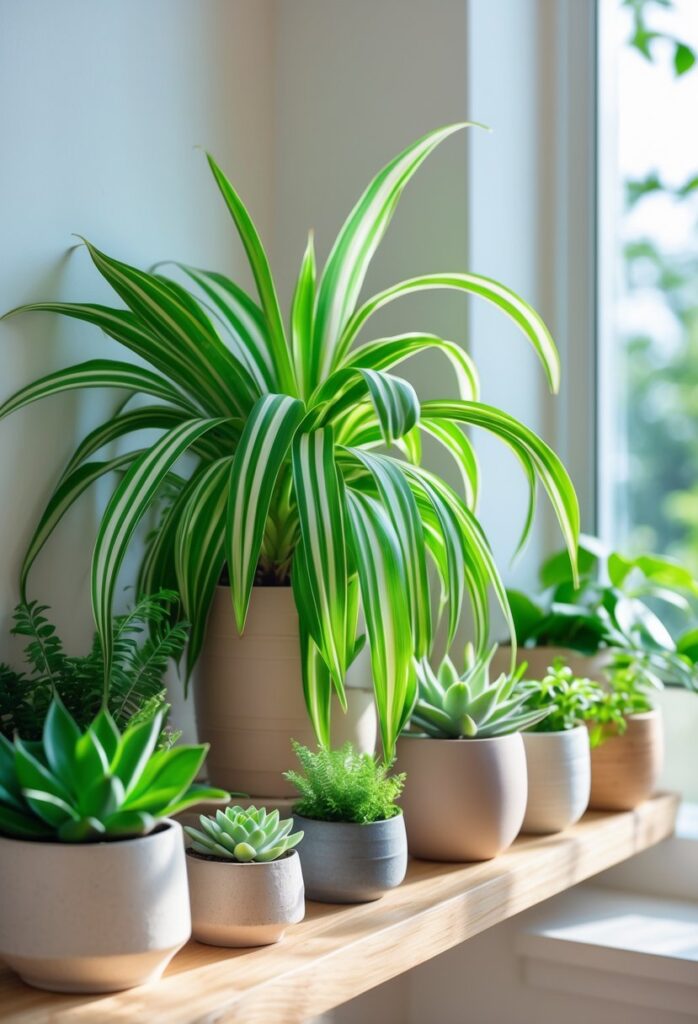
The spider plant is a popular small indoor plant known for its easy care. It has long, slender leaves with green edges and a white or cream center. Spider plants produce small offshoots called spiderettes that hang down like tiny spiders.
This plant thrives in bright, indirect light and needs watering when the soil feels dry. It adapts well to different indoor conditions and helps improve air quality. Learn more about spider plant care for indoor growth.
2) Pothos
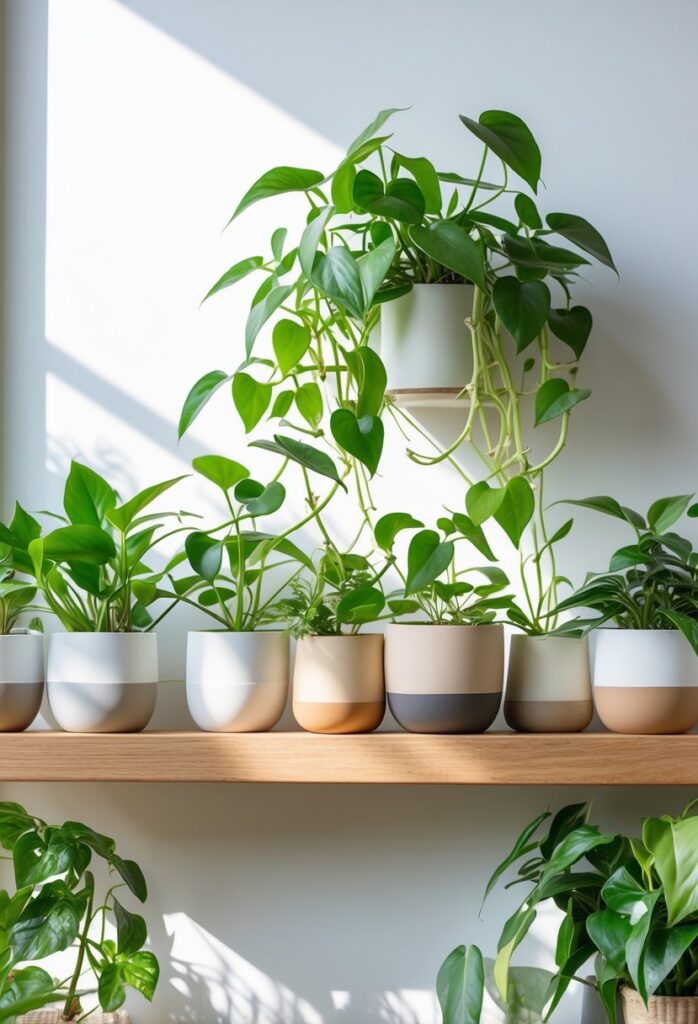
Pothos is a popular small indoor plant known for its heart-shaped leaves and trailing vines. It adapts well to low light and needs only occasional watering, making it low-maintenance. This plant can thrive in various indoor conditions, perfect for beginners or busy plant owners.
Pothos comes in many varieties with different leaf patterns and colors. It grows quickly and can be trained to climb or hang gracefully. For care tips, see this pothos plant guide.
3) Snake Plant
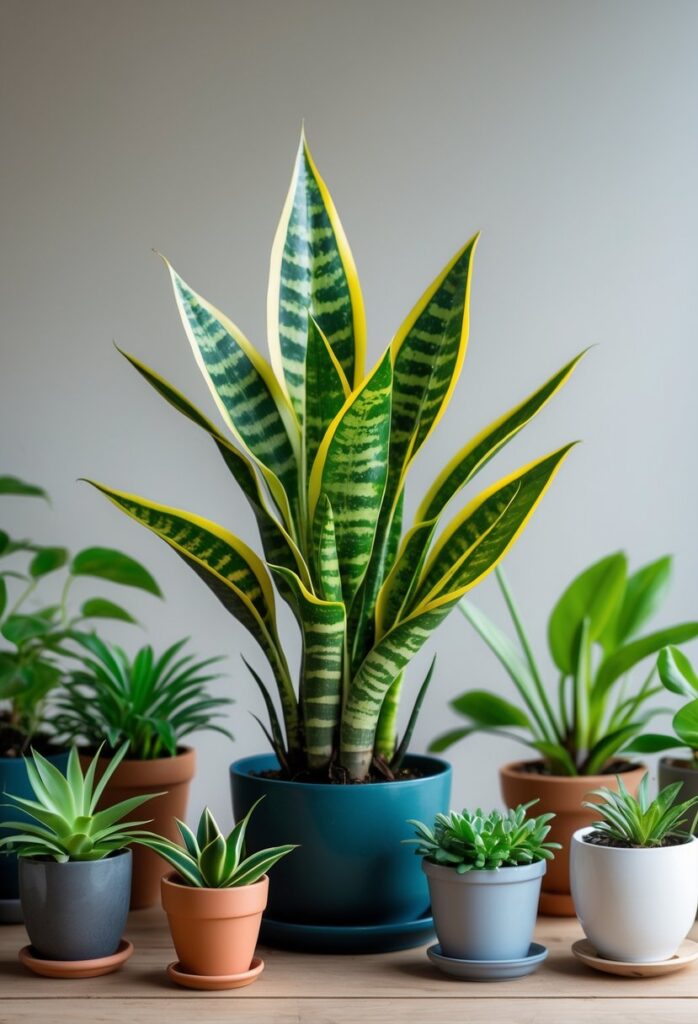
The snake plant is a popular choice for small indoor spaces. It stays compact, usually growing only 6 to 8 inches tall. This makes it perfect for desks or shelves where space is limited.
It requires little care and can survive low light and irregular watering. Snake plants also help improve indoor air quality by filtering out common toxins. Their upright leaves add a clean, architectural look to any room. For more details, see dwarf snake plants for compact spaces.
4) ZZ Plant
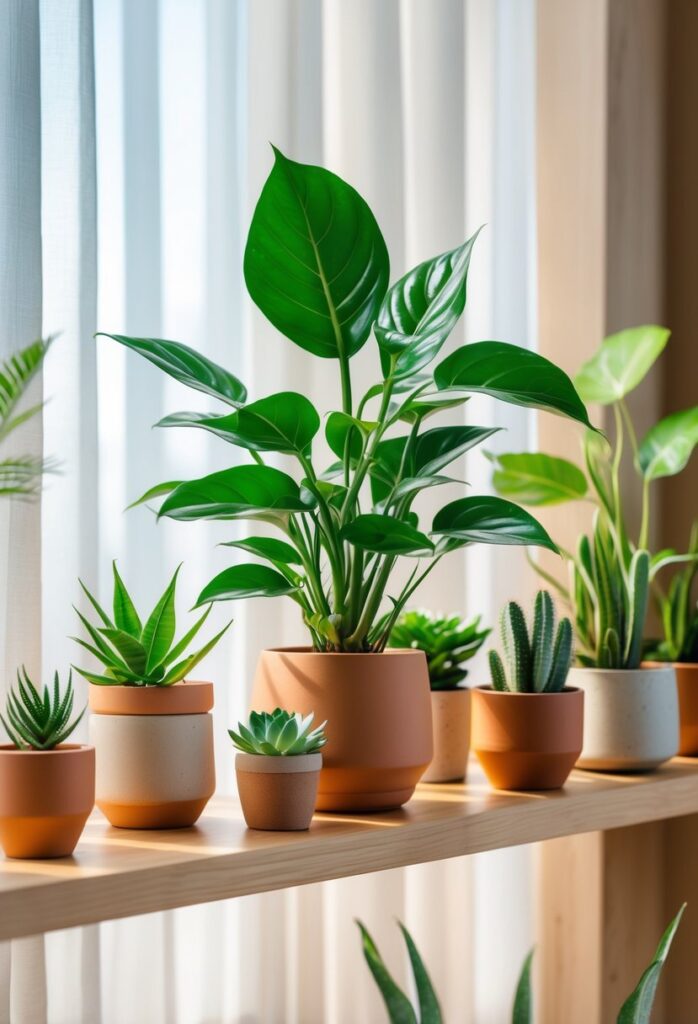
The ZZ plant is a small, low-maintenance indoor plant. It has shiny, dark green leaves and can grow well in low or bright light. It does not need much water, making it ideal for busy or beginner plant owners.
This plant is known for its tolerance to different indoor conditions. It can fit nicely in offices, bedrooms, or any small space. Learn more about caring for ZZ plants here.
5) Baby Rubber Plant

The Baby Rubber Plant is a small houseplant with thick, glossy leaves. It grows up to about one foot tall, making it perfect for desks or shelves.
It prefers indirect light and can tolerate low-light spaces. This plant needs only moderate watering since its leaves store water.
Its slow growth and easy care make it a popular choice for beginners and small indoor spaces. Learn more about its care at this Baby Rubber Plant Care guide.
6) Peperomia

Peperomia is a small indoor plant known for its thick, glossy leaves. It usually grows between 6 to 12 inches tall, making it perfect for shelves or desks.
This plant is easy to care for and adapts well to different light conditions. It prefers medium to bright indirect light and needs well-draining soil. Popular varieties include the baby rubber plant and watermelon peperomia, both admired for their unique leaf patterns and textures.
Peperomia is also pet-friendly, adding safety along with beauty to indoor spaces. For more details on different varieties, see 50 beautiful peperomia varieties for indoors.
7) String of Pearls
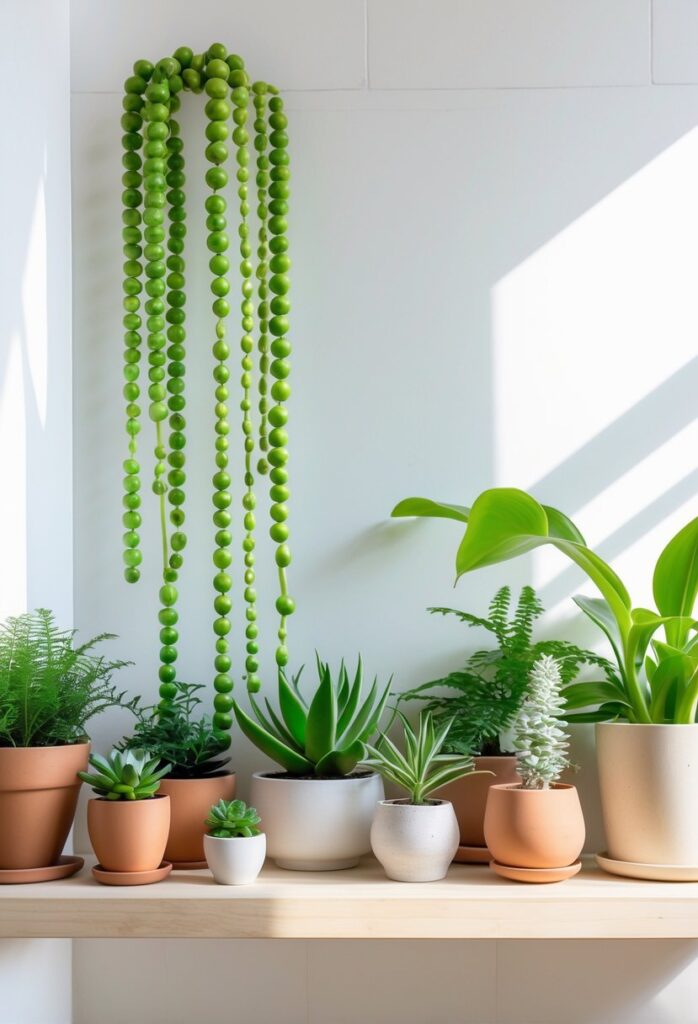
The String of Pearls is a small, trailing succulent with round, bead-like leaves. It adds a unique texture to any indoor space.
This plant prefers bright, indirect light and well-drained soil. Watering should be light, allowing the top of the soil to dry out between watering. It is easy to care for and makes a good choice for indoor gardens.
More care details can be found in this String of Pearls plant care guide.
8) Succulent Mix
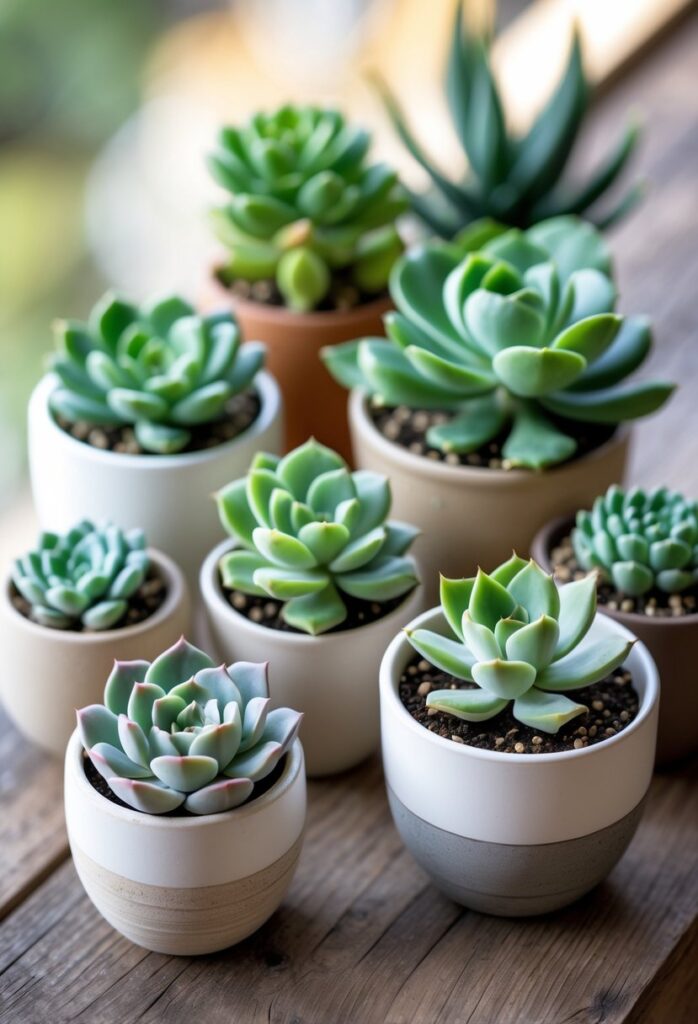
A succulent mix offers a variety of small plants in one pot. Each plant has unique shapes and colors, adding interest to any indoor space.
These plants need little water and do well in bright, indirect light. They are perfect for beginners or those with limited space.
A set like the Sprout N Green Assorted Succulents includes different types, making it easy to create a mini indoor garden with minimal care. You can find these succulent mixes online.
Best Care Practices for Small Indoor Plants
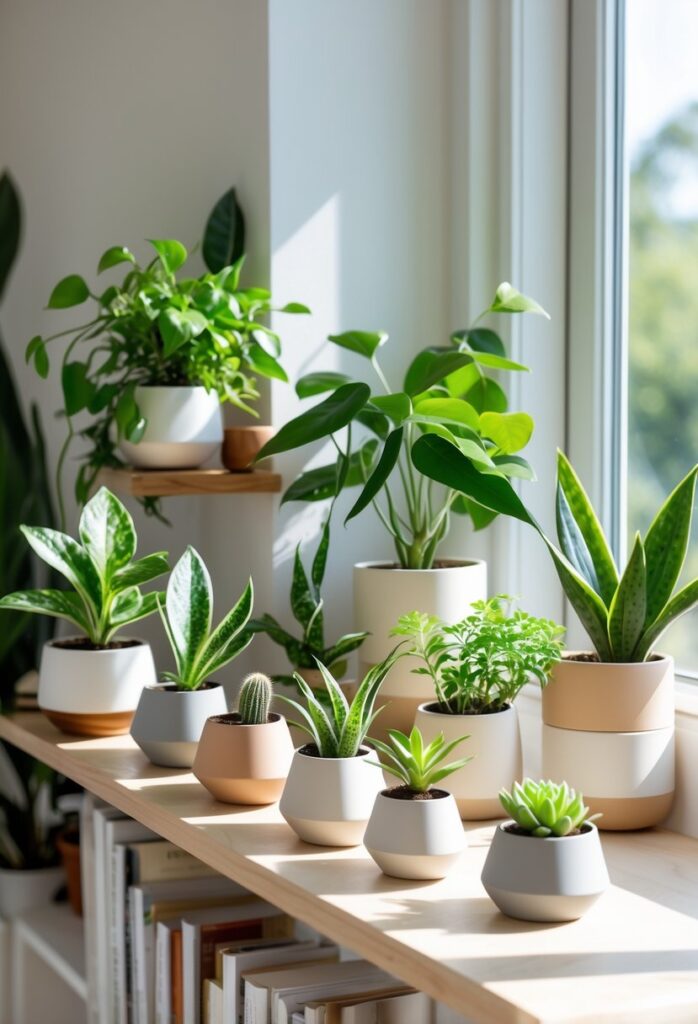
Small indoor plants need the right balance of light, water, and soil to stay healthy. Giving attention to these key areas helps them grow well without taking up too much space or time.
Light Requirements
Most small indoor plants need bright, indirect light to thrive. Direct sunlight can be too strong, causing leaves to burn or dry out quickly. A north or east-facing window is often ideal because it provides soft light.
Some plants tolerate lower light but usually grow slower or lose color. If natural light is limited, using a grow light for 8-12 hours a day can help. Rotating the plant every week ensures all sides get enough light and promotes even growth.
Watch for signs of poor lighting like yellowing leaves or leggy stems. Adjust the plant’s position if it leans toward the window or looks weak.
Watering Tips
Small indoor plants generally need less water than larger ones, but watering varies by species. It’s better to water deeply but less often. Check the soil moisture by sticking a finger about an inch deep; if dry, it’s time to water.
Overwatering causes root rot and is a common problem. Use pots with drainage holes to prevent water buildup. Allow excess water to drain freely after watering.
Some plants prefer their soil to dry out fully before watering again, while others like to stay slightly moist. Research the specific needs of each plant to avoid stress. Mist leaves occasionally if your home is very dry, but avoid soaking the foliage.
Soil and Containers
Small plants do best in lightweight, well-draining soil mixes. A regular potting mix with added perlite or sand improves drainage and keeps roots healthy. Avoid heavy garden soil that can hold too much moisture.
Choosing the right container is important. Pots with drainage holes prevent water from sitting at the bottom and causing root damage. Size matters too; a container just a bit bigger than the root ball encourages steady growth without overwhelming the plant.
Materials like terracotta offer breathability, while plastic pots retain moisture longer. Matching the pot size and type to the plant’s water needs helps maintain balance. Repot small plants every 1-2 years to refresh soil and check root health.
For more detailed advice on caring for small indoor plants, visit 15 Best Small Indoor Plants to Brighten Up Any Space.
Health and Well-Being Benefits
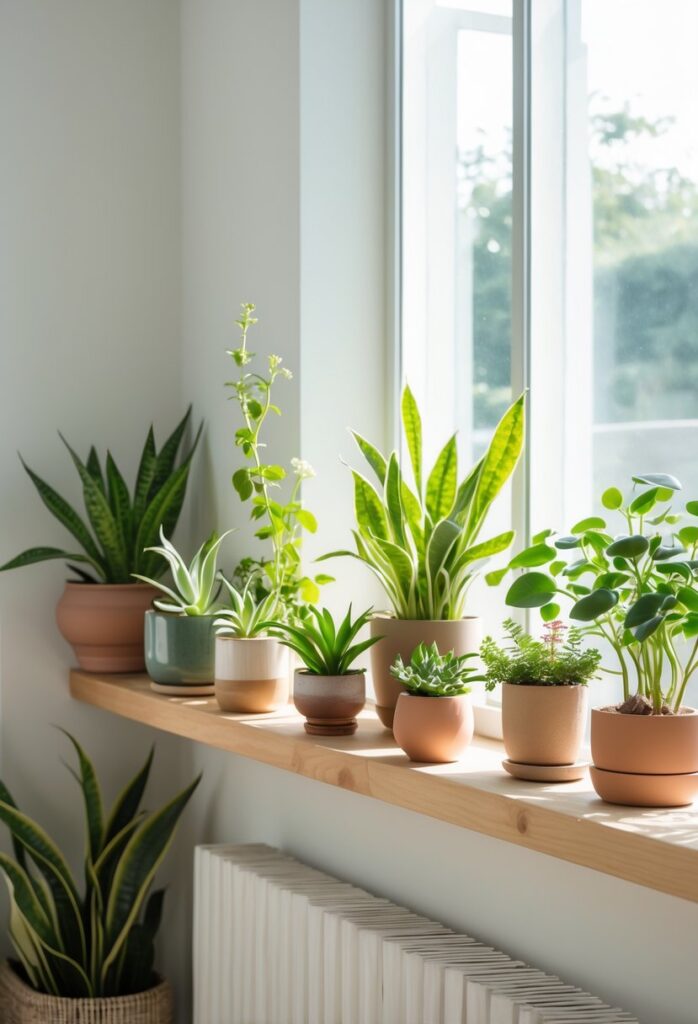
Indoor plants improve the quality of living spaces in specific ways. They help clean the air and support mental calmness. These effects directly impact health and daily comfort.
Air Purification
Small indoor plants can remove harmful chemicals from the air, such as formaldehyde and benzene. Plants like spider plants and peace lilies absorb these toxins through their leaves and roots. This process helps reduce indoor pollution, which can lower risks of headaches and respiratory issues.
Plants also increase humidity by releasing moisture. This can relieve dry skin and irritated lungs, especially in heated or air-conditioned rooms. Having several plants in a room is more effective, as a single plant provides only limited air cleaning.
Choosing low-maintenance plants with strong air-cleaning abilities makes it easier to benefit consistently without much care needed. More details are available in this guide on the best indoor plants for health.
Stress Reduction
Being around plants helps lower stress levels and improve mood. Studies show that even looking at greenery can reduce heart rate and feelings of anxiety. This effect comes from both visual comfort and the act of caring for living things.
Plants can increase focus and productivity by creating a calming environment. This is especially helpful in work or study spaces. Simple tasks like watering and trimming plants may also act as mindful breaks that ease mental fatigue.
Small indoor plants with easy care routines fit well into cramped spaces, making stress relief accessible. More about how plants improve mood and mental health can be found in this article on indoor plants and health benefits.
Frequently Asked Questions
Small indoor plants vary in their light needs, care requirements, and effects on air quality. Some types are especially suited for tiny pots and limited spaces while others are known to stay small without much pruning.
What are the best small indoor plants for low-light conditions?
Plants like the Snake Plant, ZZ Plant, and Pothos do well in low-light areas. They tolerate indirect or minimal sunlight without losing their vibrant green color. These plants are ideal for spots away from windows or in rooms with little natural light.
Which small houseplants are easiest to care for and maintain?
Spider Plants and Baby Rubber Plants are low-maintenance choices. They need only occasional watering and can survive in average indoor conditions. Their resilience makes them suitable for beginners or busy individuals.
Can tiny indoor plants significantly improve air quality, and which are most effective?
Yes, many small plants help clean indoor air by filtering toxins. Spider Plants and Snake Plants rank high for improving air quality. While the effect isn’t huge from just one plant, several placed around a room can make a difference.
What types of small potted plants are suitable for indoor environments?
Succulents, air plants (Tillandsia), and compact foliage plants like Pothos thrive indoors. These plants adapt well to controlled indoor climates and limited space. They also tend to need less water, fitting indoor routines better.
How do you choose plants for tiny pots and small spaces?
Select plants that grow slowly or have a natural small size. Trailing or upright habits like those of Pothos or Snake Plants maximize vertical space. Also, pick species that tolerate confined root space without stress.
What are some popular tiny plants known for staying compact?
The Baby Rubber Plant and ZZ Plant are prized for their compact growth. They keep a small footprint while adding greenery to small homes, apartments, or desks. These types are easy to manage and rarely outgrow their pots quickly.