8 Succulents Garden Ideas for Easy and Stylish Outdoor Spaces
Succulent gardens offer a simple and attractive way to bring life and greenery to any space. They require little water and care, making them ideal for both beginners and experienced gardeners. These plants come in many shapes and colors, allowing for creative and varied garden designs.
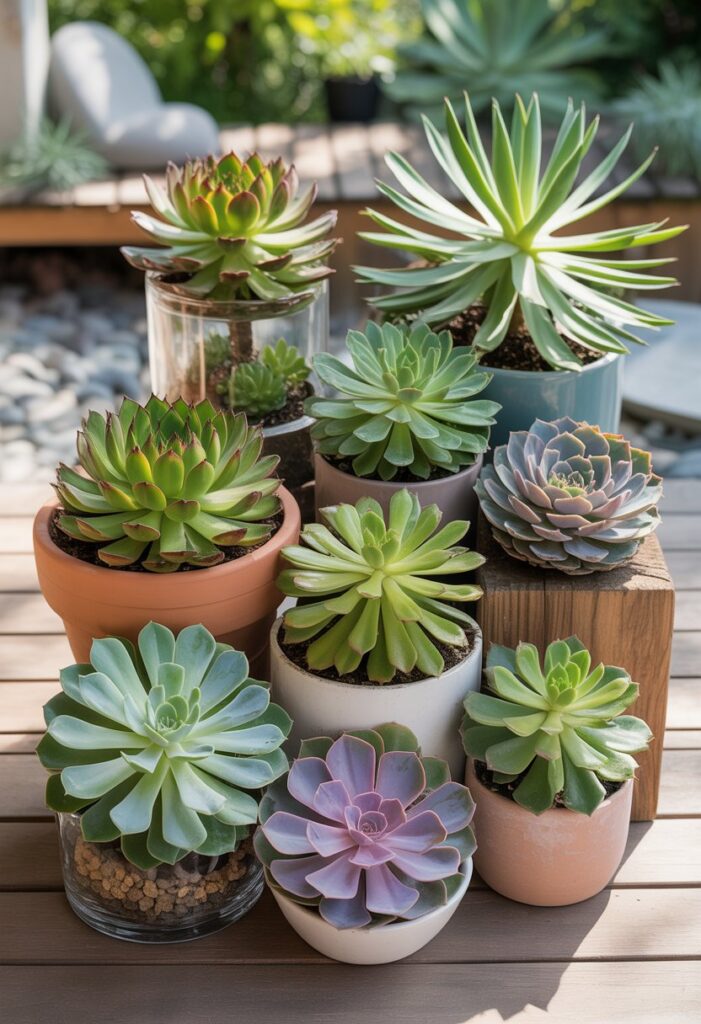
The best succulent garden ideas help people create visually pleasing arrangements that thrive with minimal effort. With the right approach, anyone can design a garden that adds texture and interest while being easy to maintain.
1) Create a succulent rock garden with mixed varieties for texture contrast
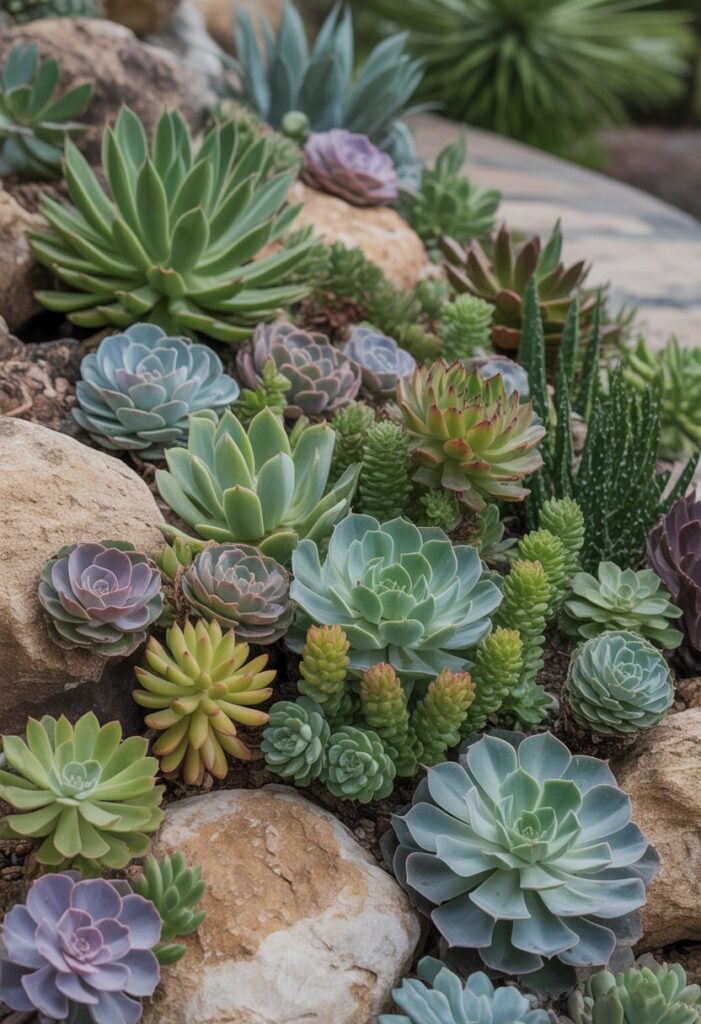
A succulent rock garden with mixed varieties adds interesting texture and depth. Different shapes and sizes of succulents create natural contrast.
Using smooth pebbles, large stones, and varied succulents helps keep the design balanced. This combination highlights each plant’s unique features while adding structure. Rocks also help retain moisture and improve drainage for the plants.
For ideas on mixing succulents and rocks effectively, see this guide on succulent rock garden ideas.
2) Design a minimalist succulent arrangement using white stones and geometric pots
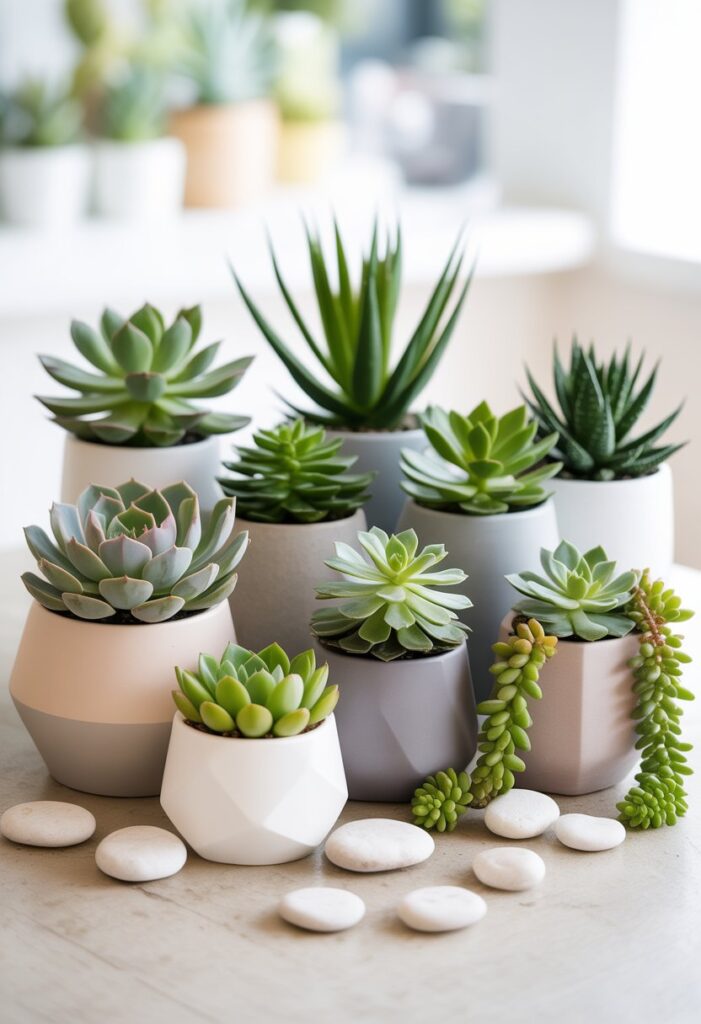
A minimalist succulent arrangement uses simple shapes and clean lines. White stones add brightness and contrast against the green plants.
Geometric pots, like cubes or triangles, enhance the modern look. They keep the focus on the succulents without clutter. This design works well indoors or in small outdoor spaces. Using this style allows for easy care and a neat appearance.
For more ideas, see minimalist succulent rock garden layouts.
3) Incorporate vertical succulent planters to maximize small spaces
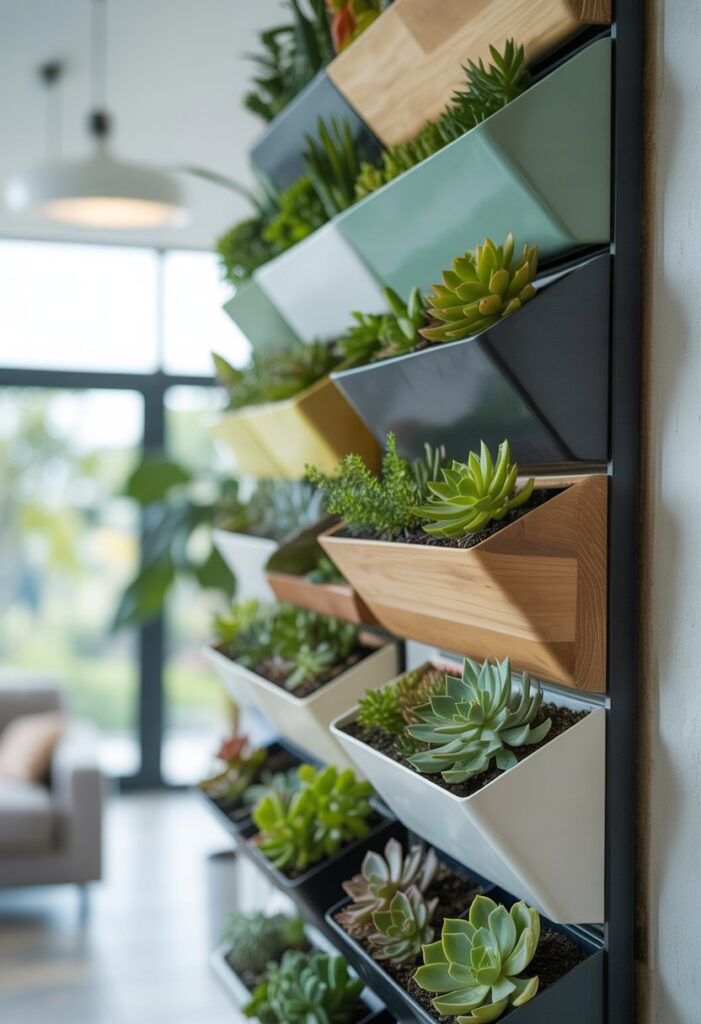
Vertical succulent planters save floor space by using walls or fences. They create a living piece of art without crowding the room. These planters also improve air flow and sunlight for healthier plants.
People can use frames, pocket planters, or hanging systems to display succulents vertically. This method works well indoors and outdoors, turning small areas into green, stylish spots. More ideas on vertical succulent planters can be found in this guide on vertical succulent gardens.
4) Use terracotta pots with drainage for healthy root growth
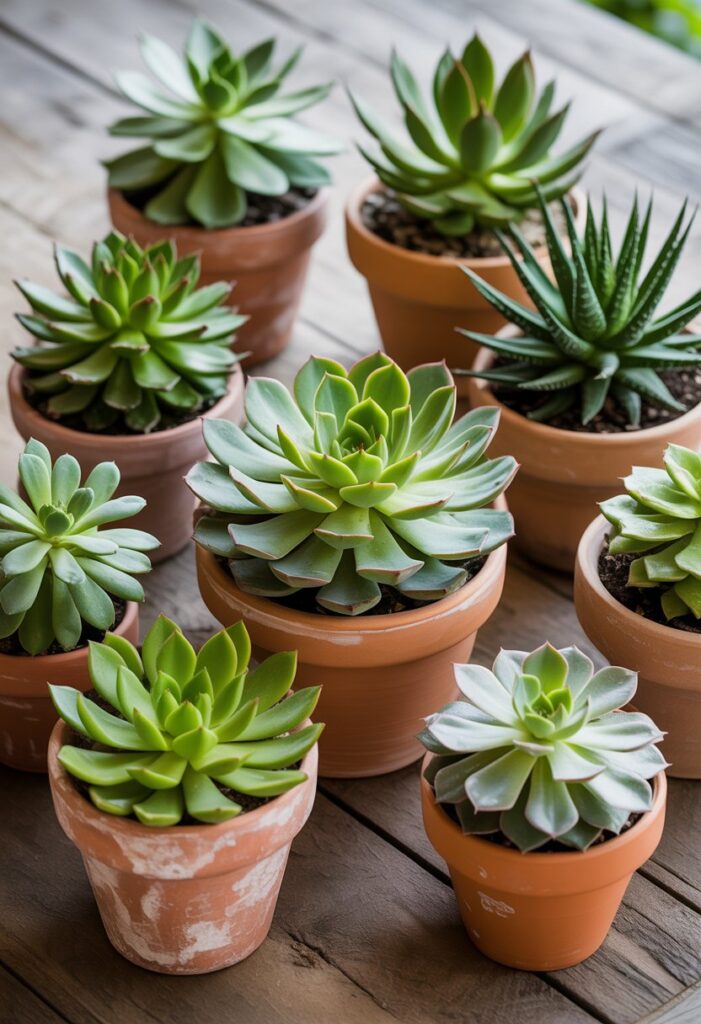
Terracotta pots are ideal for succulents because they allow air and moisture to move through the clay. This helps keep roots dry and prevents problems like root rot.
These pots usually have drainage holes, which are important for letting excess water escape. Without good drainage, water can build up and harm the plant.
The natural texture of terracotta helps water evaporate faster than plastic, making it a reliable choice for healthy root growth. For more details, see this guide on terracotta pots with drainage.
5) Combine Agave, Aloe, and Jade Plant for a drought-tolerant display
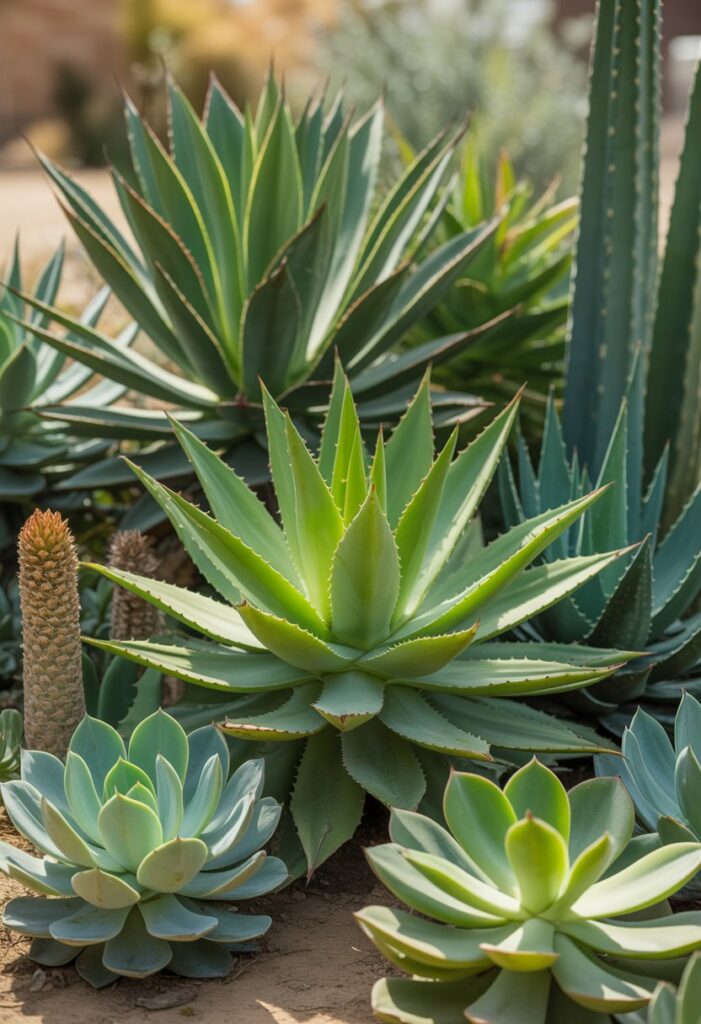
Combining agave, aloe, and jade plants creates a strong drought-tolerant garden. Each plant thrives with little water and grows well in full sun. Agave adds bold shapes, while aloe offers healing qualities and interesting textures. Jade plants bring rich green color and round leaves, balancing the arrangement. Grouping these succulents in well-drained soil helps each one stay healthy and low-maintenance for dry climates. For ideas on this style, see drought-tolerant garden tips.
6) Build a succulent centerpiece with colorful Echeveria rosettes
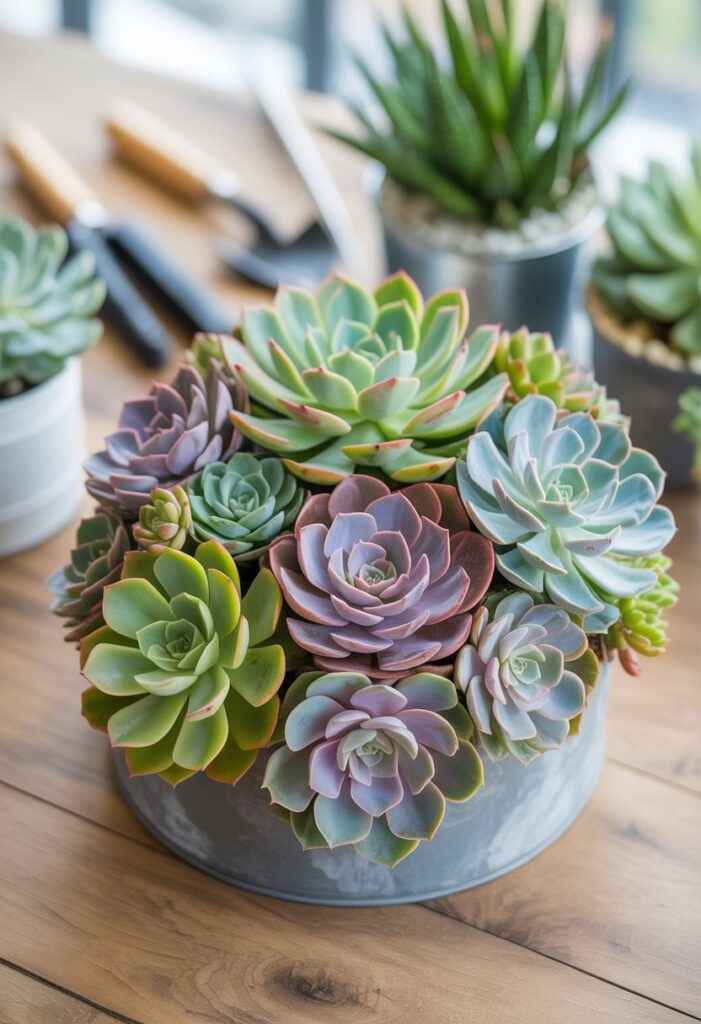
They use Echeveria for its rosette shape and bright colors. These succulents come in many sizes and shades, offering variety.
A mix of different Echeveria varieties creates a rich, textured look. It works well in shallow dishes or pedestal pots for easy display.
Echeveria centerpieces add a fresh, natural touch indoors or outdoors. They require little care and stay attractive for a long time. For ideas on combining colors and types, see this guide to colorful Echeveria varieties.
7) Arrange succulents in tiered containers for layered visual appeal
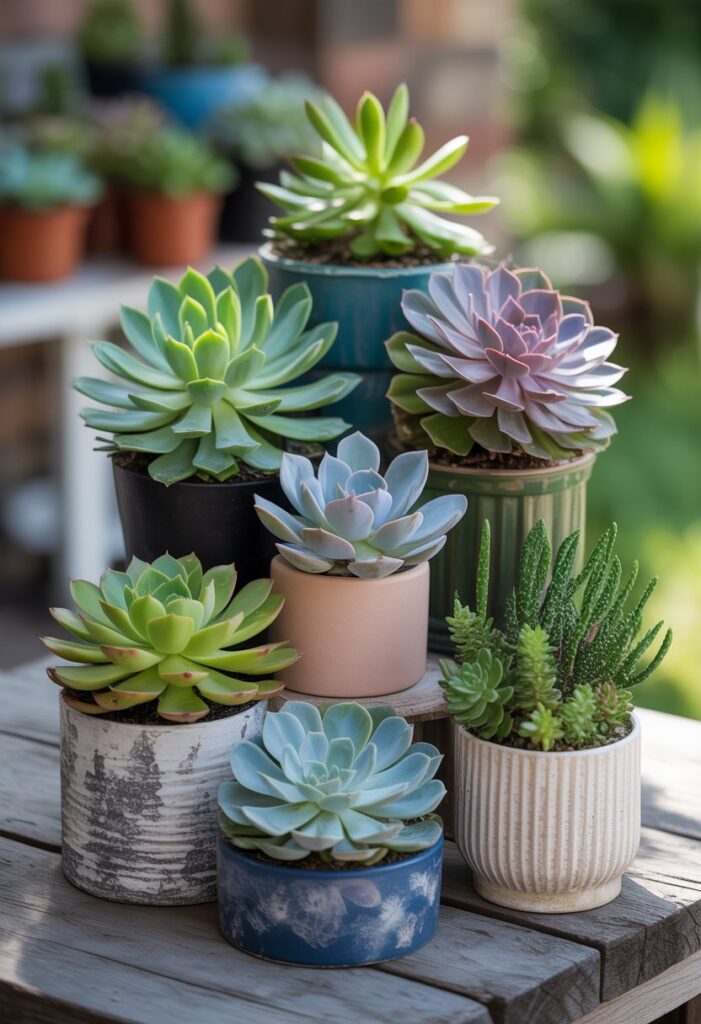
Using tiered containers helps save space by stacking plants vertically. This layout gives each succulent better access to light.
The layers create depth and make the display more interesting. It also makes care easier since plants are more accessible.
This method works well with different sizes and types of succulents. A tiered arrangement adds style without needing extra room.
For ideas, see how to organize succulents on tiered plant racks.
8) Integrate succulents into a desert-inspired garden with sand and driftwood
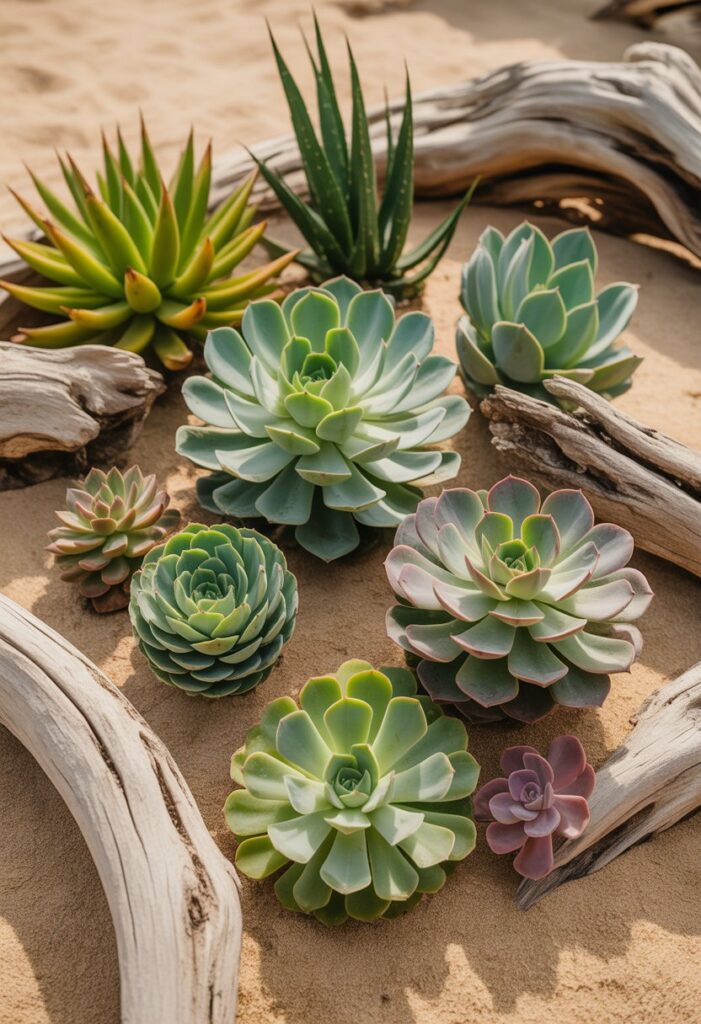
They can create a natural desert look by planting succulents in sand. Driftwood adds texture and a rustic feel, contrasting nicely with smooth leaves.
Using sand mimics dry desert soil, which many succulents prefer. Driftwood pieces serve as focal points and help hold the design together. This mix keeps the garden low-maintenance and visually interesting.
For ideas on creating a desert garden, see desert garden designs with succulents and rocks.
Design Principles for Succulent Gardens
Creating a successful succulent garden depends on smart choices about the soil, light, and how different plants work together. Attention to each element ensures plants grow strong and look their best. Proper soil and good drainage prevent water problems, sunlight supports healthy growth, and matching colors and textures adds visual interest.
Soil and Drainage Optimization
Succulents need soil that drains quickly to prevent root rot. A mix of sandy or gritty soil with organic material works well. Gardeners often use a commercial cactus or succulent soil mix, which balances drainage and moisture retention.
Adding materials like perlite, pumice, or coarse sand improves airflow and drainage. Raised beds or pots with drainage holes also help excess water escape. Standing water harms succulents, so avoiding compacted, clay-heavy soil is important.
Good soil and drainage give roots oxygen and keep them dry but not parched. This foundation supports strong growth and vibrant plants.
Sunlight Requirements for Healthy Growth
Succulents generally need bright light to thrive. Most prefer at least 6 hours of direct sunlight each day. Some species tolerate partial shade but may stretch or lose color if light is too weak.
For indoor gardens, placing succulents near south- or west-facing windows provides enough sun. Outdoors, areas with morning sun and afternoon shade suit heat-sensitive varieties.
Too much harsh midday sun can cause leaf burn on some species. In these cases, light filtering or partial shade is best.
Understanding each plant’s sunlight preference supports balanced growth and vibrant foliage.
Color and Texture Pairings
Combining succulents with different colors and textures creates depth and interest. Mix plants with smooth, waxy leaves alongside those with spiky or fuzzy surfaces for contrast.
Color choices should balance. Pair cool greens with warm reds, purples, or yellows to make each hue stand out. Using a variety of leaf shapes and sizes can prevent visual monotony.
Grouping plants with similar light and water needs while contrasting their appearance strengthens the overall design. Thoughtful pairings turn simple patchwork into striking displays.
For ideas about arranging succulents, see succulent garden design ideas.
Sustainable Succulent Garden Practices
A sustainable succulent garden focuses on using resources wisely and minimizing harm to the environment. It involves smart watering techniques and natural pest control to keep plants healthy while saving water and reducing chemicals.
Water-Efficient Gardening Tips
Succulents need less water than many plants, but overwatering can still harm them. Using drip irrigation or soaker hoses delivers water directly to the roots, cutting down waste. Water in the early morning or late evening to reduce evaporation. Collecting rainwater for irrigation is another eco-friendly option.
Choosing well-draining soil helps prevent root rot and makes watering more effective. Mulching with small rocks or organic material reduces moisture loss. It’s best to water deeply but infrequently, allowing the soil to dry between sessions. This approach supports strong root growth and conserves water.
Eco-Friendly Pest Management
Chemical pesticides can damage beneficial insects and soil quality. Instead, using natural methods keeps succulents safe and gardens balanced. Introducing ladybugs or lacewings helps control aphids and other pests naturally.
Neem oil and insecticidal soaps are safe choices that target pests without harming succulents. Regularly inspecting plants and removing damaged leaves reduces pest habitats and spread. Maintaining good airflow and avoiding overcrowding helps prevent fungal infections, too.