
8 Accent Wall Ideas to Elevate Your Home Decor Effortlessly
Accent walls are a simple way to add style and personality to any room. They create a focal point that can make a space feel more interesting without needing a full redesign. These walls come in many forms, from paint and wallpaper to texture and molding.

The key benefit of an accent wall is its ability to transform a space by adding color, pattern, or texture in a balanced way. This design choice works well in different rooms and styles, giving people flexibility to express their taste without overwhelming the entire area.
1) Bold geometric wallpaper accent wall Ideas

A bold geometric wallpaper accent wall adds a clear, modern look to any room. It uses sharp shapes like triangles, squares, or polygons in bright or contrasting colors.
This style works well on a single wall to create a strong focal point. Surrounding walls are often painted white or a neutral color to keep the focus on the design.
Adding simple furniture helps highlight the wallpaper without making the room feel crowded. Lighting, such as a modern fixture, can enhance the geometric patterns further.
2) Wood paneling with natural stain
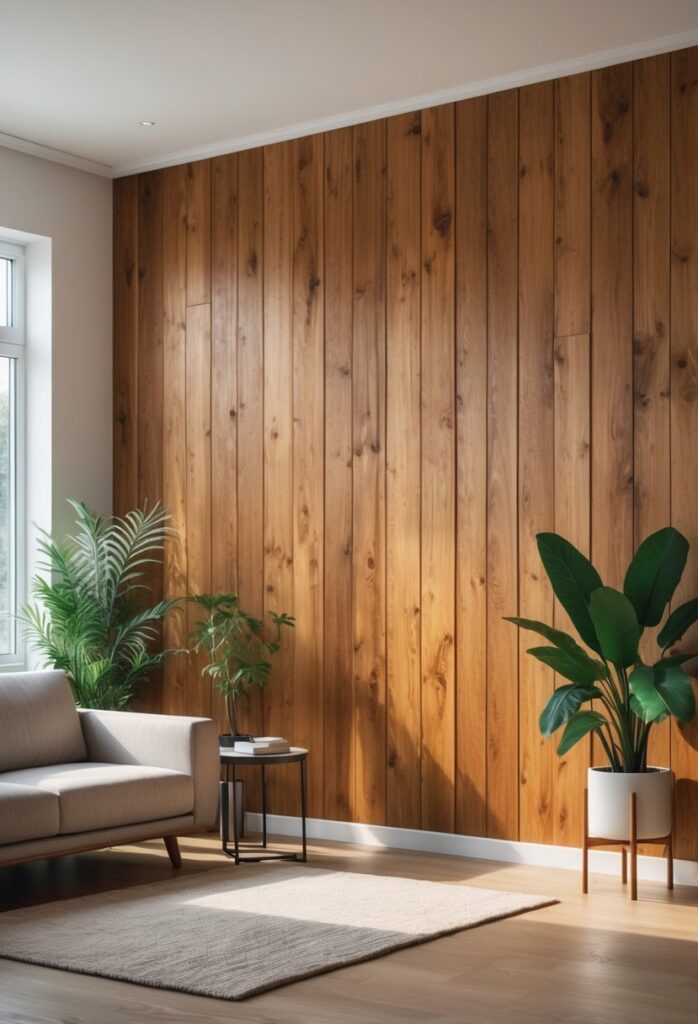
Wood paneling with a natural stain highlights the wood’s original grain and texture. It brings warmth and a subtle beauty to any room.
This style fits well with both modern and traditional spaces. Choosing a natural or light-toned stain gives a calm, Scandinavian look.
It is easy to pair with different furniture and colors. Natural stain keeps the design simple but elegant.
3) Board and batten molding design
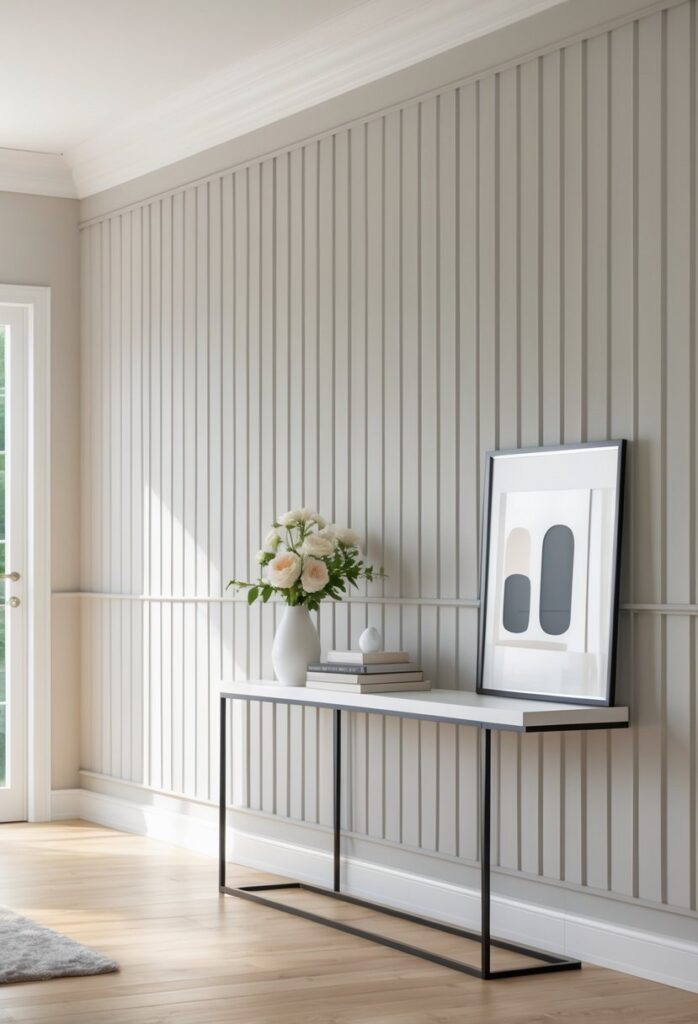
Board and batten molding features vertical boards, called battens, spaced evenly on a flat wall. This design adds texture and visual interest without being overwhelming.
It works well in many styles, from modern farmhouse to coastal cottage. The clean lines bring depth and shape to plain walls.
This molding style can fit any room, making it a popular choice for accent walls. It is also a budget-friendly way to upgrade builder-grade homes.
4) Terracotta paint with creamy white walls
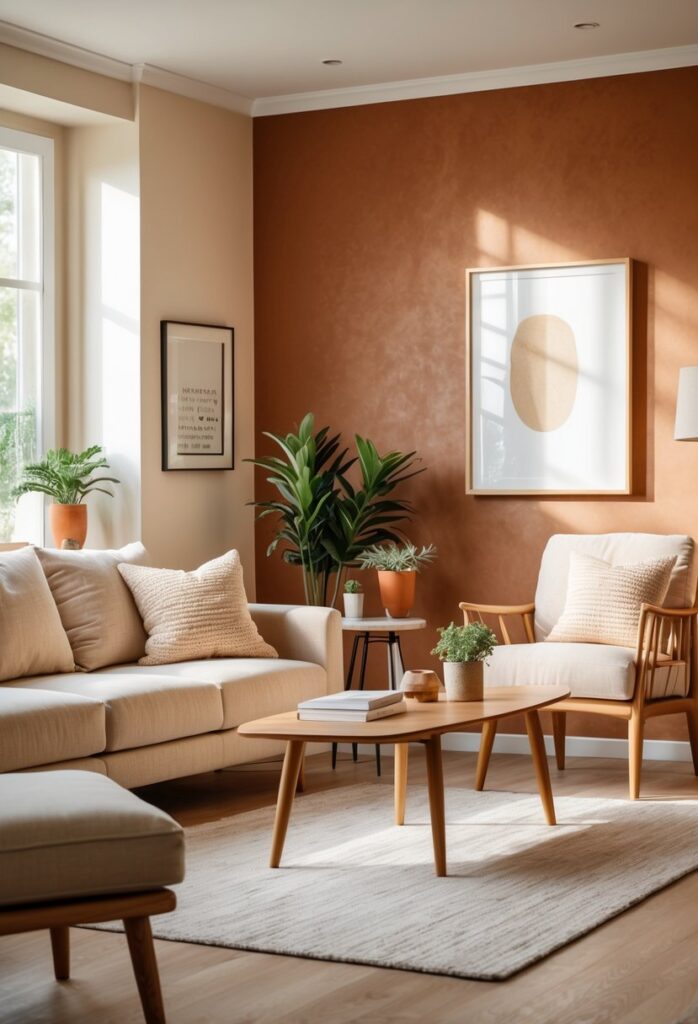
Terracotta paint paired with creamy white walls creates a warm and balanced look.
The earthy tone of terracotta adds depth. It contrasts nicely with the soft, neutral white.
This combo works well in living rooms and bedrooms. It helps make spaces feel cozy and inviting.
Creamy white walls keep the room bright. Terracotta adds an organic, natural touch without overwhelming the space.
It fits well with wooden furniture and natural elements. Together, they create a calm and comfortable atmosphere.
5) Bookshelf accent wall with integrated lighting

A bookshelf accent wall with integrated lighting adds both style and function. It highlights books and decor while providing soft ambient light.
LED lights work well under shelves or along edges to brighten the space. This lighting helps create a cozy and modern look.
Integrated lighting makes it easier to find items and draws attention to favorite collections. The design can fit many room styles.
6) Herringbone tile accent wall
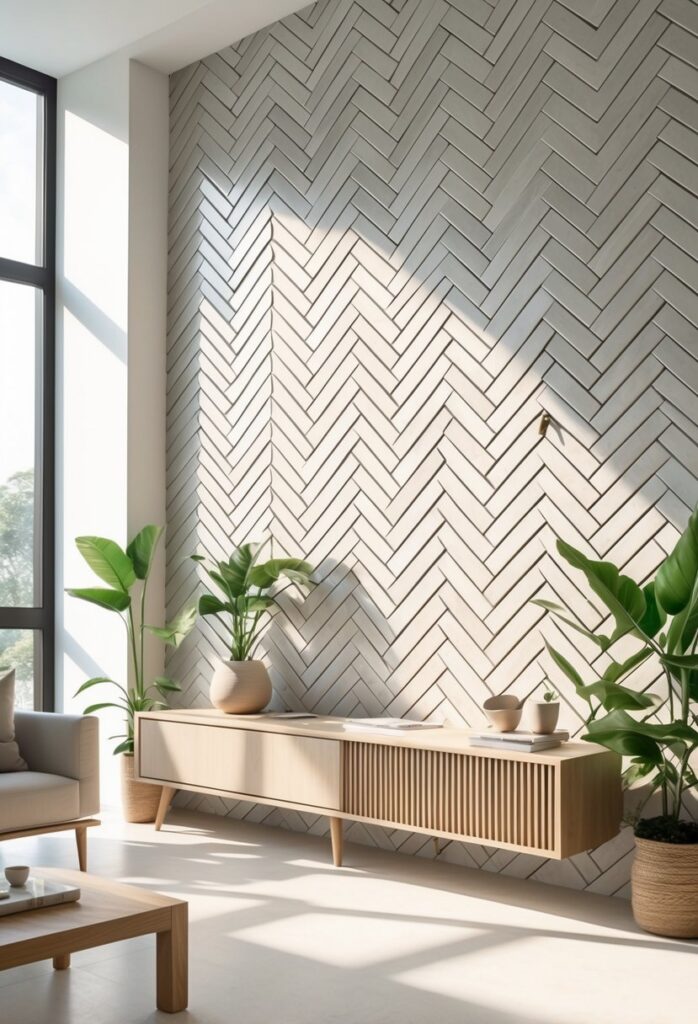
A herringbone tile accent wall uses tiles arranged in a zig-zag pattern. This design adds subtle texture and movement to any room.
It works well in kitchens and bathrooms, creating a stylish backsplash or a feature wall. The pattern can make a space feel more dynamic without being overpowering.
The herringbone style is both classic and modern. It fits many decor types and adds visual interest with simple shapes and lines.
7) Floral wallpaper in vintage style
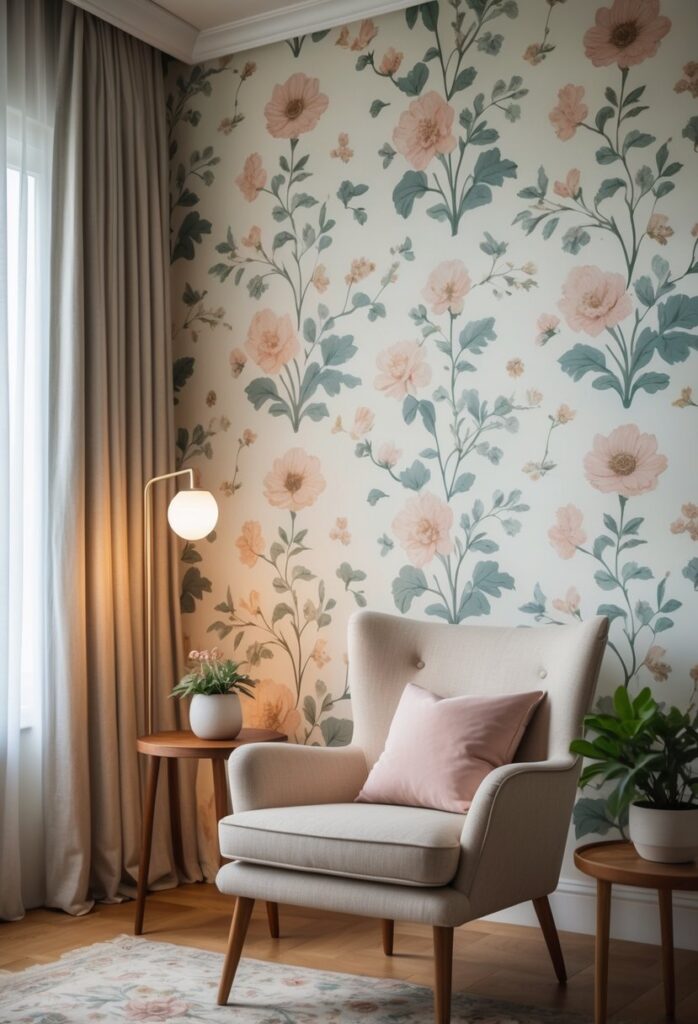
Vintage floral wallpaper adds timeless charm to an accent wall. It often features soft colors and detailed flower patterns that bring a classic feel.
This style fits well in living rooms, bedrooms, or any space needing subtle warmth. It combines old-fashioned beauty with a gentle, natural look.
Using vintage floral wallpaper can create a cozy atmosphere without overwhelming the room. It works best as a single accent wall to highlight the design.
8) Curtain wall with sheer drapes
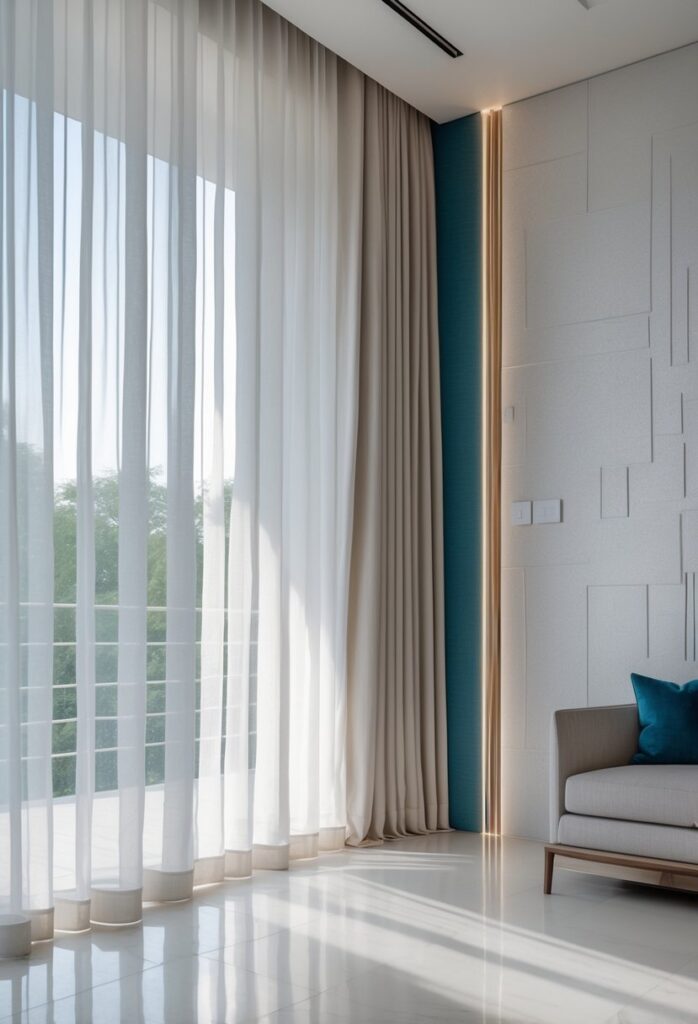
Sheer drapes create a soft, light-filtering accent wall. They add texture without heavy color or patterns.
Layering sheer curtains over blackout drapes or blinds offers both style and function. It lets in natural light while providing privacy when needed.
A curtain wall can cover an entire wall, turning it into a focal point. This design works well for tall or large windows.
Using sheer fabrics brings an airy, elegant feel to the room. It also helps soften hard architectural lines and adds depth.
How Accent Walls Enhance Interior Design

Accent walls bring purpose and charm to a space by focusing on key areas, helping to define spaces, and expressing personality. They can change how a room feels and looks by adding depth and interest without overwhelming the entire room.
Visual Impact
An accent wall immediately draws the eye, creating a strong visual focal point. Unlike painting all four walls the same color, an accent wall uses bold colors, textures, or patterns to add dimension. This can make a room feel more dynamic and less flat.
For example, a deep blue or rich green wall placed behind a bed or sofa enhances the area and adds a sense of depth. Using materials like wood panels or textured wallpaper can also add tactile contrast, making the wall stand out even more. This visual interest keeps the space from looking plain or boring.
Room Zoning
Accent walls help separate parts of a room without building physical barriers. This is especially useful in open-plan homes where living, dining, or work areas blend together. By changing the color or material of one wall, it signals a different zone.
For example, an accent wall painted with a warm tone can mark the dining area, while a cooler textured wall highlights the workspace. This method is simple but effective, guiding the eye and clarifying how each part of the room is meant to be used. It keeps open spaces organized and visually easy to understand.
Personalization
Choosing an accent wall allows someone to express their taste and style within a room. Whether it’s a favorite color, an interesting pattern, or unique texture, the wall becomes a canvas for individuality.
This can include using bold geometric designs, natural wood finishes, or even decorative tiles. An accent wall can reflect hobbies or cultural roots through chosen materials or colors. Adding artwork, shelves, or lighting to the wall also enhances this personal touch. This creates a space that feels unique and tailored to the person living there.
Tips for Choosing Colors and Materials
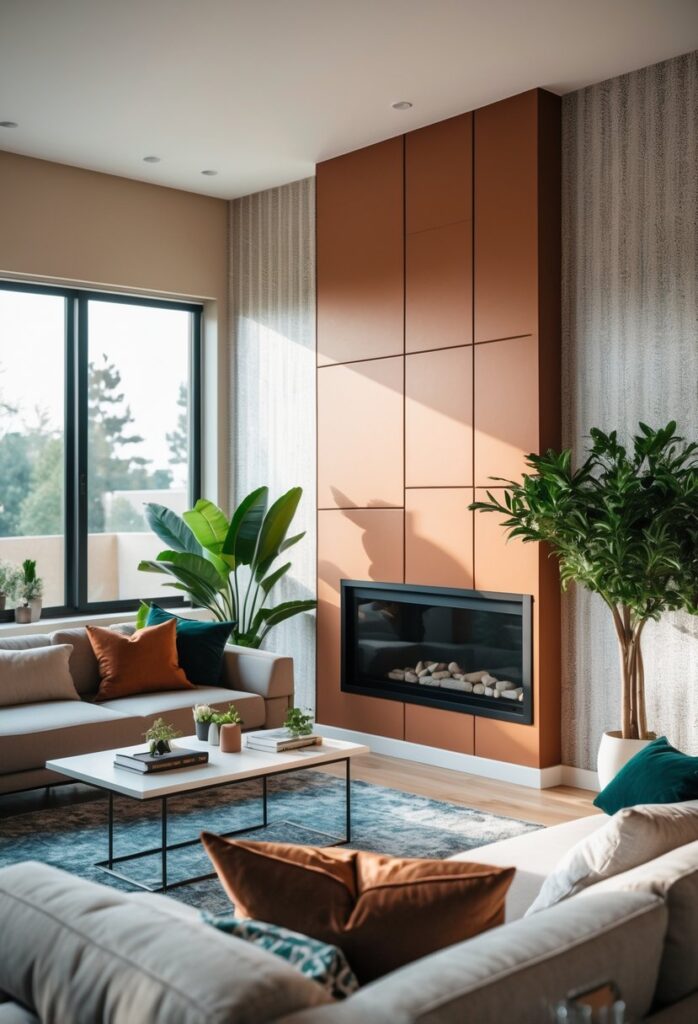
Picking the right colors and materials for an accent wall requires careful thought. It’s important to match the wall with the room’s style, lighting, and size. The choices should enhance the space without clashing or overwhelming it.
Coordinating With Existing Decor
Colors should connect smoothly with the room’s current decor. One way to do this is by repeating a color already found in items like throw pillows, rugs, or artwork. This creates a balanced look where the accent wall feels like part of the design, not out of place.
When choosing colors, contrast helps the wall stand out, but too much difference can disrupt harmony. For example, a navy blue wall pairs well with beige furniture, while a bright red might be too bold unless balanced by neutral tones.
Materials also need to complement the style of the space. Natural woods fit well in rustic rooms, while sleek paints or wallpapers often suit modern designs. The goal is a unified look that highlights the wall without competing with other elements.
Understanding Light and Space
Natural and artificial light affect how colors and materials appear. A wall that looks deep and rich in bright sunlight might seem dull in low lighting. It’s useful to test paint samples or material swatches at different times of day.
Size of the room also matters. Dark colors or heavy textures can make small spaces feel cramped. In larger rooms, bold colors or textured surfaces can add warmth and interest without overwhelming.
Consider the direction the room faces. South-facing rooms get more light, allowing for darker or richer accent walls. North-facing or shaded rooms often benefit from lighter or warmer tones to keep the space feeling open.
Popular Material Choices
Paint remains the simplest and most versatile option. Matte, satin, or glossy finishes can change the mood, from soft and calming to sharp and modern.
Wallpaper offers endless patterns and textures. It works well as a statement piece but should be chosen to avoid clashes with other prints in the room.
Wood panels provide texture and warmth. Reclaimed wood or shiplap adds a rustic or farmhouse feel, while smooth panels fit contemporary styles.
Other materials include stone, tile, or metal. Stone works in living rooms or fireplaces for a natural look. Tiles can add color or texture in kitchens and bathrooms. Metallic finishes introduce shine and a modern edge but work best in small areas so they don’t overpower the space.