
9 Kitchen Backsplash Ideas for Modern and Timeless Designs
A kitchen backsplash is a simple way to add style and protect walls from cooking messes. It can change the look of a kitchen without requiring a full renovation. Many homeowners look for options that blend function with design.
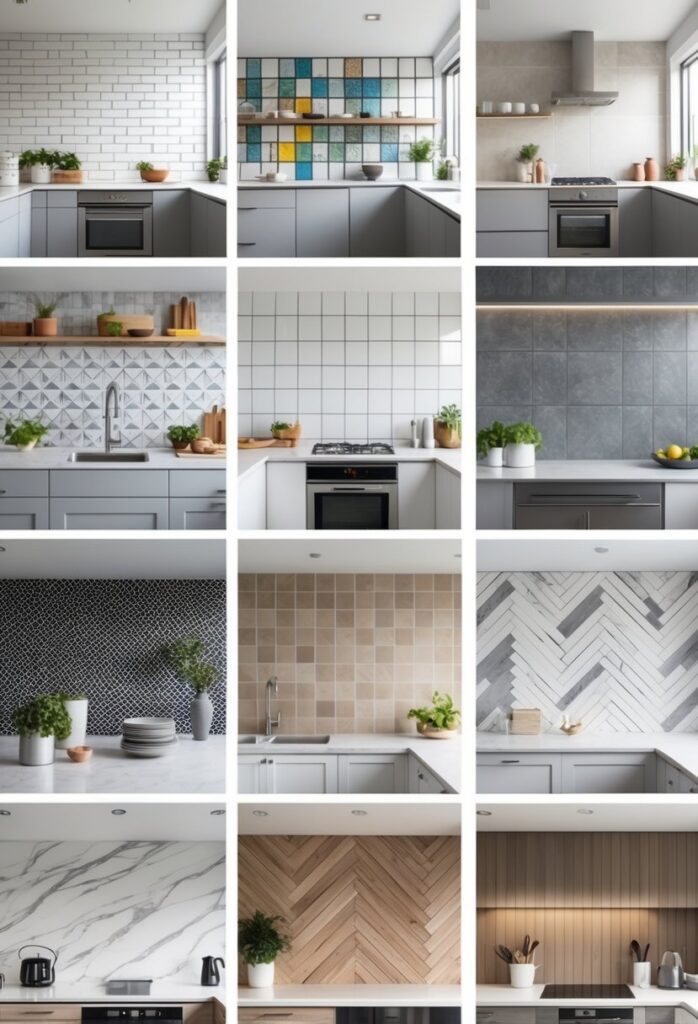
The right kitchen backsplash ideas can update the space and make it more enjoyable to use. This article will explore nine backsplash ideas that fit different tastes and needs, helping readers find the best option for their kitchen.
1) Classic White Subway Tile
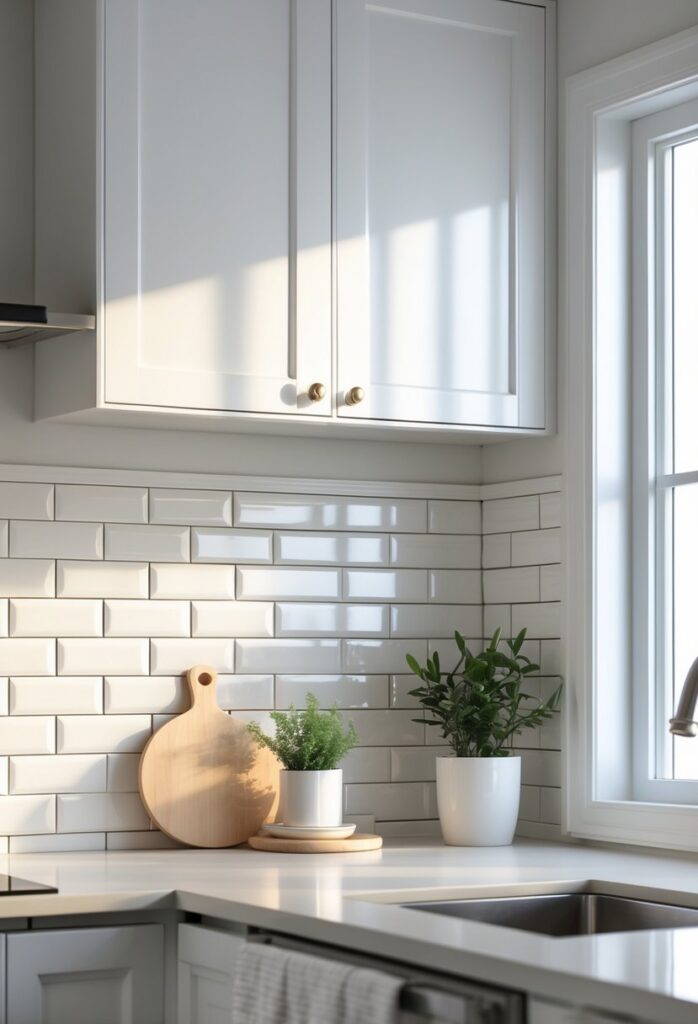
The classic white subway tile backsplash remains a popular choice for kitchens. It offers a clean, simple look that fits many styles.
These tiles are usually 3×6 inches and laid in a running bond pattern. This arrangement gives a timeless, orderly feel.
White subway tile works well with various cabinet colors and countertop materials. Its neutral tone lets other design elements stand out.
The tile’s glossy finish makes cleaning easy. Quality installation and classic size keep the backsplash looking fresh for years.
2) Glass Mosaic Tile
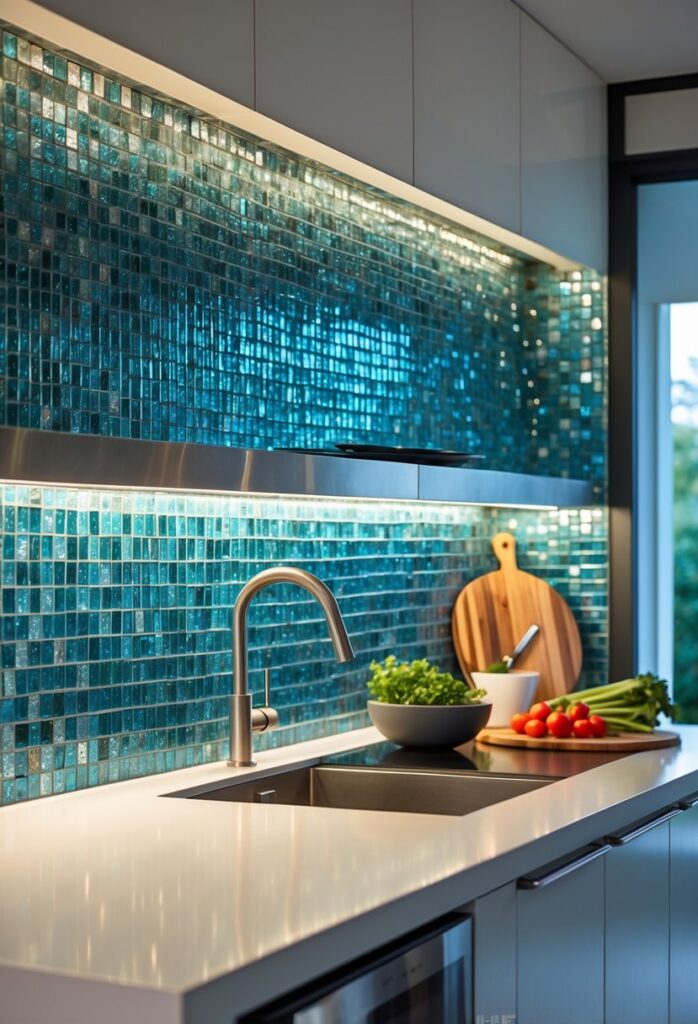
Glass mosaic tiles bring a sleek and modern look to any kitchen backsplash. They reflect light well, adding brightness and a sense of space.
These tiles come in many colors and finishes, including glossy and iridescent options. This variety allows for creative patterns or subtle, classic designs.
Glass mosaic tiles are also easy to clean. Their smooth surface resists stains and moisture, making them a practical choice for busy kitchens.
Some glass mosaics are made from recycled materials. This adds an eco-friendly aspect without sacrificing style or durability.
3) Natural Stone Slab
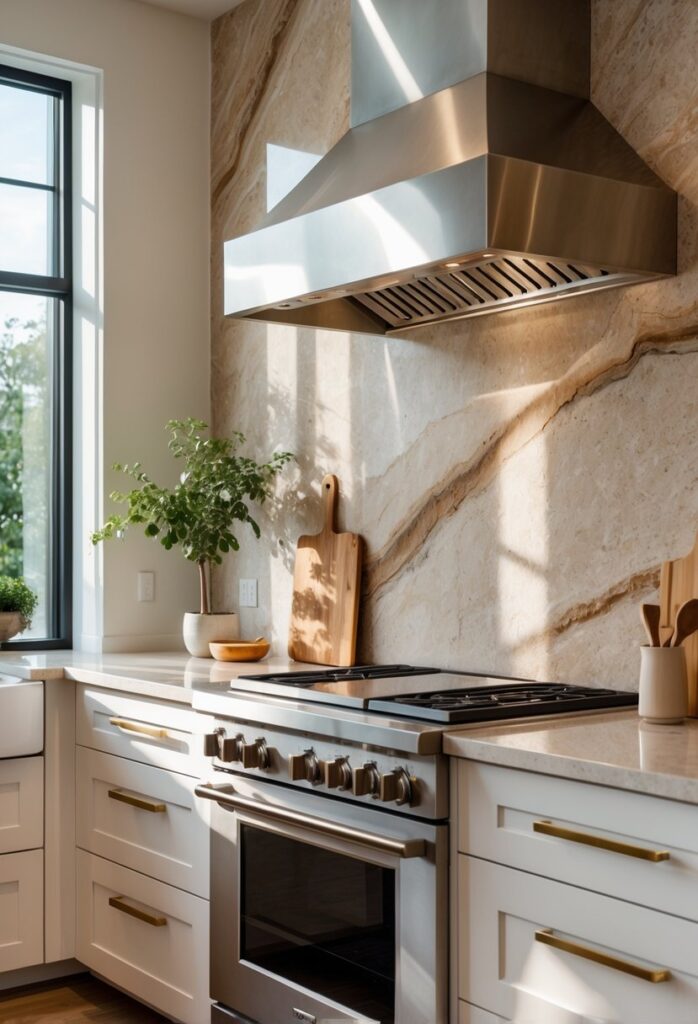
Natural stone slabs offer a clean, seamless look for kitchen backsplashes. They create a smooth surface with few visible joints.
Materials like marble, granite, and quartzite are popular choices. Each stone brings its own pattern and color, adding subtle texture.
These slabs are durable and easy to clean. They can resist heat and moisture, making them practical for cooking areas.
Installation requires precise cutting and professional fitting. Once installed, the slab becomes a lasting feature of the kitchen design.
4) Patterned Ceramic Tiles
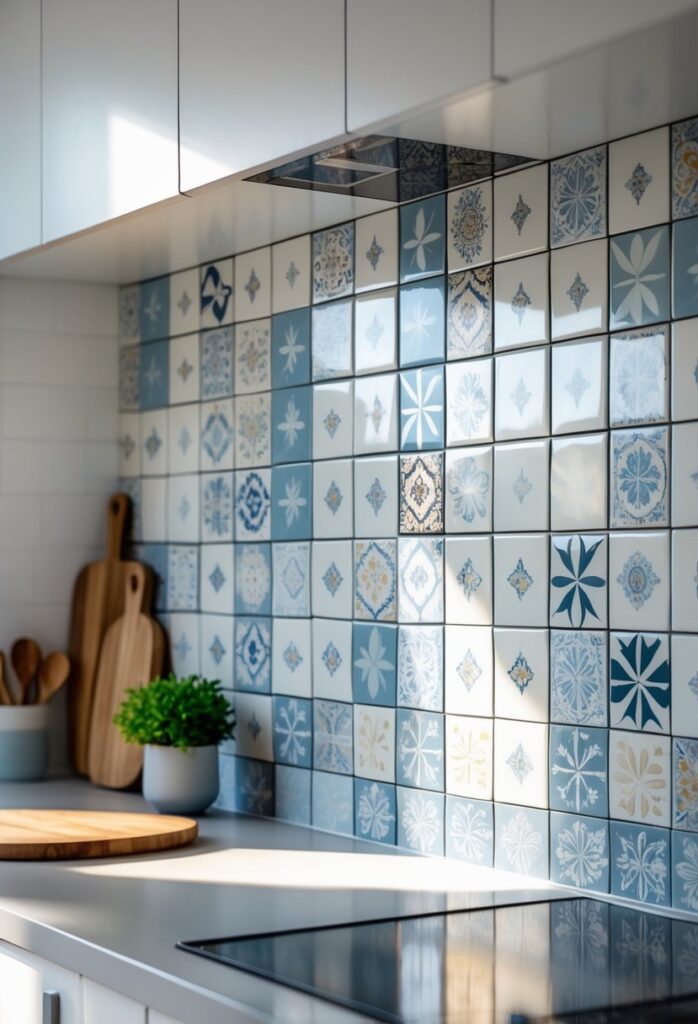
Patterned ceramic tiles bring personality to any kitchen backsplash. They offer a wide variety of designs, from traditional to modern.
These tiles create visual interest without needing bold colors. Patterns like geometric shapes or floral prints add style and depth.
They work well in both small and large kitchens. Patterned tiles can become a focal point or complement other design elements.
5) Herringbone Layout
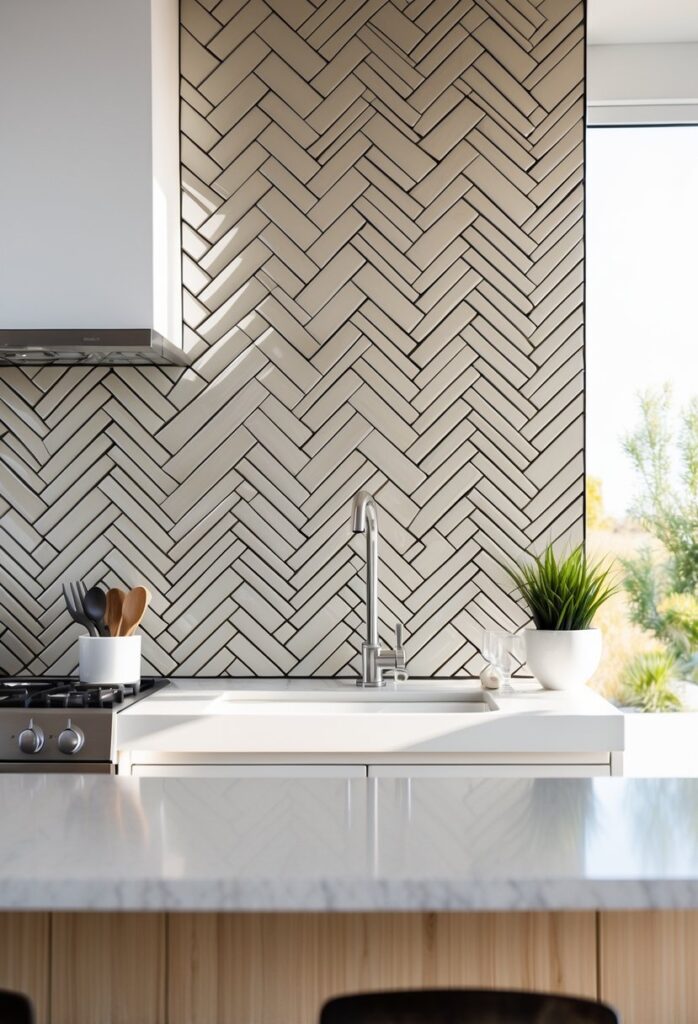
The herringbone layout uses tiles arranged in a zigzag pattern. It adds visual interest without being too busy.
This pattern works well with many tile materials, from marble to glass. It can fit both classic and modern kitchens.
Using contrasting grout can make the herringbone design stand out. Soft, matching grout creates a subtle, elegant look instead.
The layout brings energy and movement to the backsplash. It is a simple way to add style and texture.
Many designers choose herringbone for its timeless appeal. It balances neat lines with a dynamic pattern easily.
6) Hexagonal Tiles
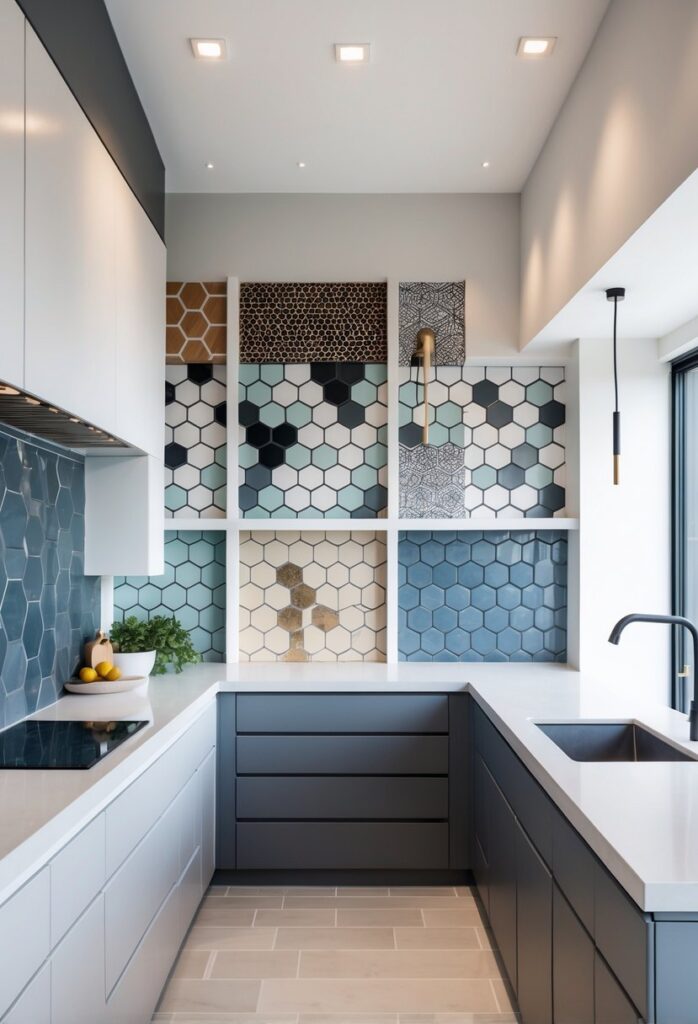
Hexagonal tiles offer a modern and geometric look for kitchen backsplashes. Their six-sided shape adds visual interest without being too bold.
These tiles come in many materials like ceramic, porcelain, and stone. They can be small or large, and colors range from neutral whites and grays to darker blues and teals.
Hexagon backsplashes fit well in both traditional and contemporary kitchens. They pair easily with open shelving and simple countertops for a fresh, clean look.
Using light-colored hexagons can brighten up the kitchen, while darker tiles create a striking contrast. This style brings a timeless yet trendy appeal to the space.
7) Metallic Tile Accents
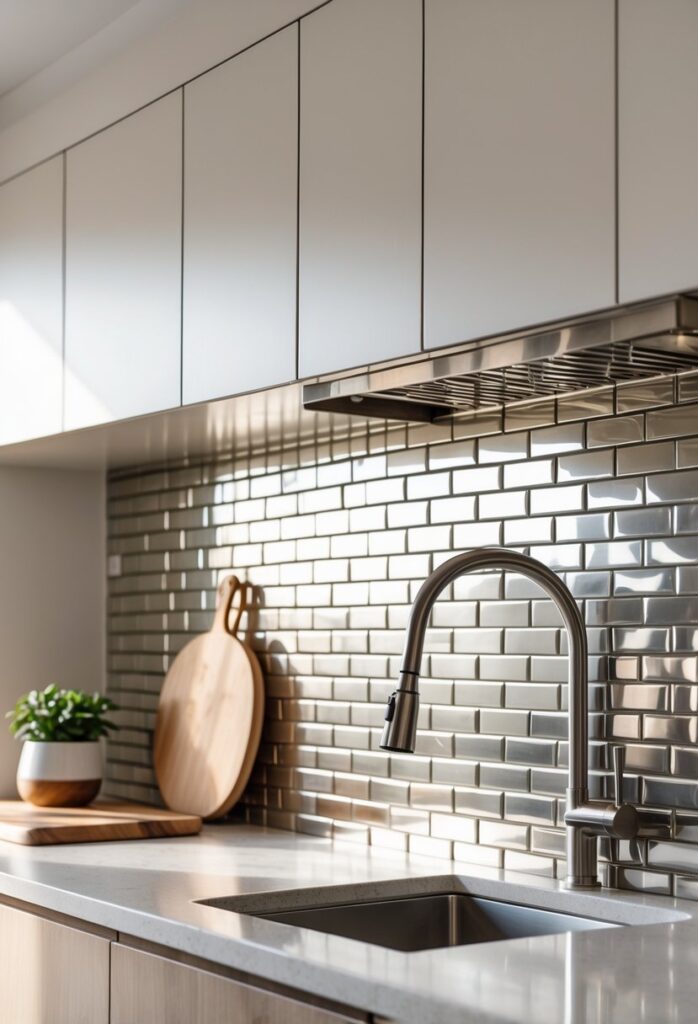
Metallic tile accents add a modern touch to kitchen backsplashes. They reflect light well, brightening the space.
Common metals include stainless steel, copper, brass, and tin. Each offers a different look and feel.
Metallic tiles work well with both dark and light cabinets. They can add elegance without being flashy.
These tiles are durable and easy to clean. This makes them practical for busy kitchens.
Using metallic accents can highlight specific areas behind the stove or sink. It also adds texture to the walls.
8) Peel-and-Stick Backsplash
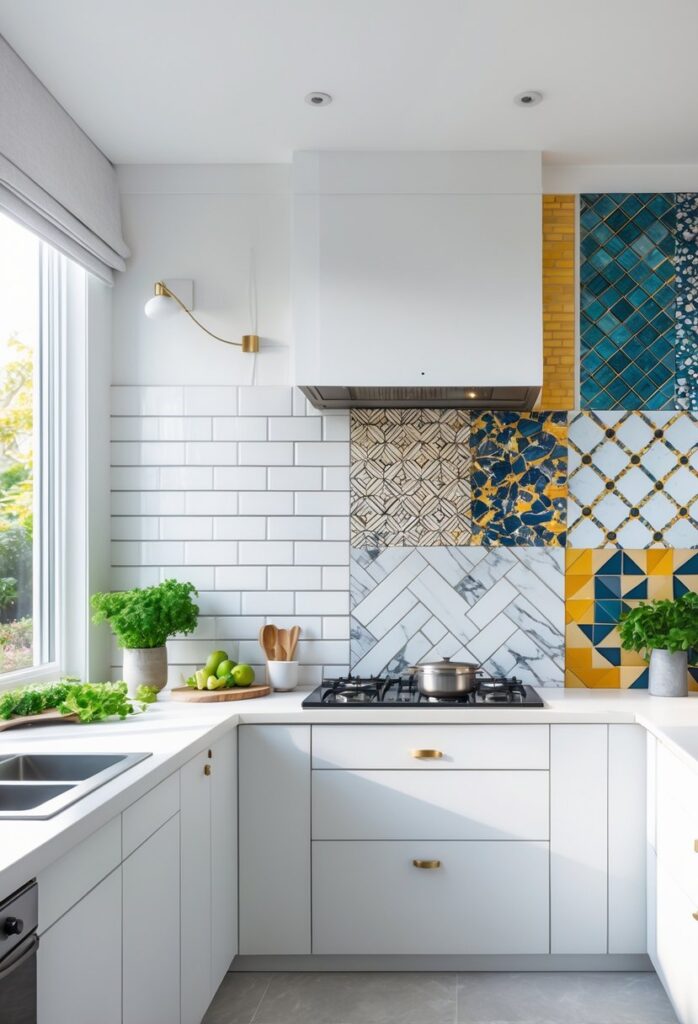
Peel-and-stick backsplashes are a simple way to update a kitchen quickly. They do not require grout, grout tools, or professional help.
They come in many styles, including ceramic and glass looks. The adhesive is designed to hold up against heat and moisture. This makes it good for areas behind stoves and sinks.
Installation usually takes less than an hour. Users just peel off the backing and press the tiles onto a clean wall. They are easy to remove or replace, which suits renters or those who change styles often.
9) Marble Slab Backsplash
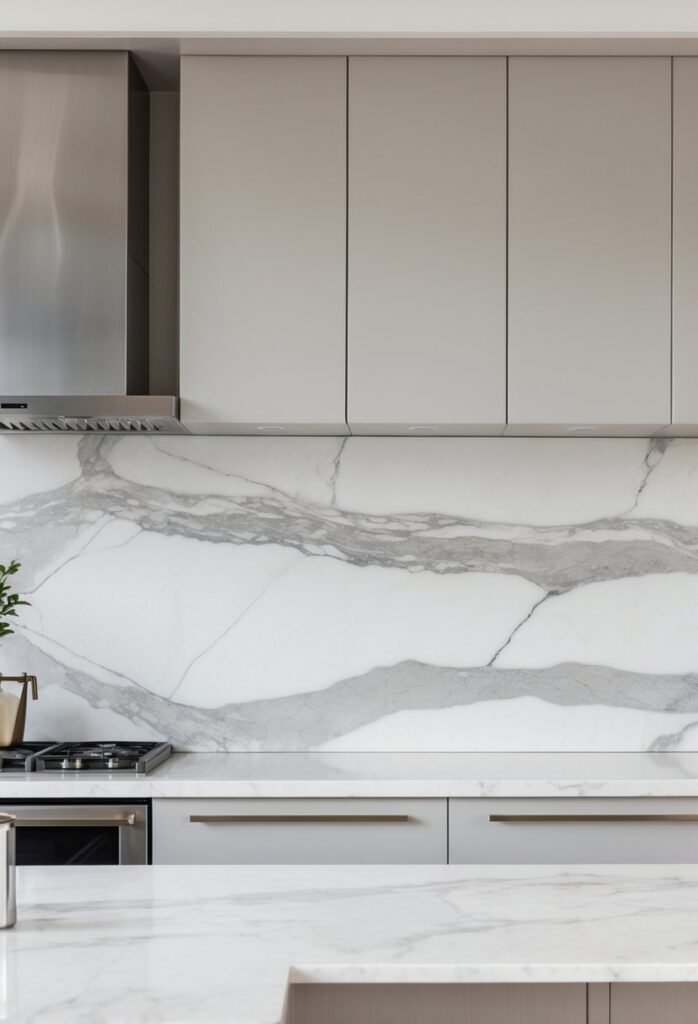
A marble slab backsplash offers a sleek and seamless look. It covers a large area without grout lines, making the surface easier to clean.
This option suits both open and compact kitchens well. The natural veining in marble adds unique character to each backsplash.
Marble slabs come in different types, such as Calacatta and Carrara. These variations offer a range of colors and patterns to fit various styles.
People often choose marble slabs for their durability and timeless appeal. They work with many kitchen designs, from modern to traditional.
How to Choose the Right Kitchen Backsplash
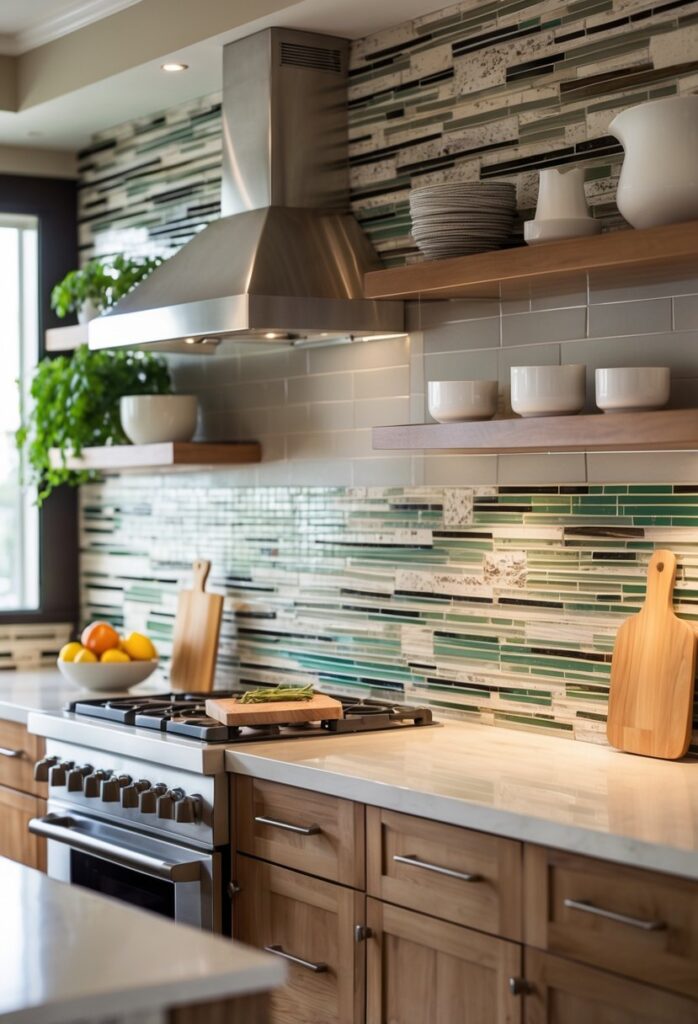
Selecting a kitchen backsplash involves balancing durability and design. It should protect the walls from spills and splatters while fitting the kitchen’s overall look. The right choices in materials and colors can make a big difference.
Material Considerations
The material affects both the look and function of the backsplash. Common options include ceramic, porcelain, glass, and natural stone. Ceramic tiles are affordable and come in many styles but can chip and have grout that stains. Porcelain is more durable and water-resistant but usually costs more.
Glass backsplashes add shine and are easy to clean but may show fingerprints. Natural stone offers a unique, textured look but can require more maintenance and sealing.
Choose a material based on how much cleaning it needs, how resistant it is to damage, and the budget. Also, think about the kitchen’s moisture and heat exposure. Durable, water-resistant materials work best near the sink and stove.
Color and Style Coordination
The backsplash should blend with the kitchen’s color scheme and style. Neutral colors like white, beige, or gray are safe choices that work with most designs and don’t feel dated. Bold colors or patterned tiles create a statement but should match the kitchen’s overall theme to avoid clashes.
Matching the backsplash with countertops and cabinetry creates a cohesive look. For example, light-colored countertops pair well with darker backsplashes to add contrast. Conversely, a patterned backsplash can brighten simple cabinets.
Texture and finish also matter. Matte tiles offer a soft look, while glossy surfaces reflect light and make the space feel larger. The chosen style should enhance the kitchen’s personality without overwhelming it.
Installation and Maintenance Tips
Choosing the right installation method affects the backsplash’s durability and appearance. Proper cleaning helps keep the backsplash looking new and prevents damage over time.
Professional vs. DIY Installation
Many homeowners attempt DIY installation to save money or customize their space. Installing tile requires careful measuring, surface preparation, and precise application of adhesive. Mistakes like uneven spacing or poor grout sealing can lead to water damage and tile loosening.
Professionals bring experience and tools that usually result in a cleaner, longer-lasting finish. They can also handle complex layouts or tricky surfaces more efficiently. However, hiring a pro increases costs.
DIY is doable with simpler materials like peel-and-stick tiles or basic ceramic tiles. Those less confident with tools should consider professional help to avoid costly repairs.
Cleaning and Upkeep Recommendations
Backsplashes gather grease, food splashes, and water spots that can stain or degrade surfaces. Regular cleaning with mild soap and warm water prevents buildup. Avoid abrasive cleaners that can scratch tiles or dull their finish.
For grout, using a soft brush and grout cleaner keeps joints bright and mold-free. Sealing grout once or twice a year adds protection against stains and moisture.
Glass and ceramic tiles are easy to wipe, but textured or natural stone backsplashes may require special cleaners to preserve their look without damage. Promptly wiping spills helps maintain a backsplash’s clean appearance.