
6 Shade Garden Ideas for Lush, Low-Light Outdoor Spaces
Many gardeners struggle with shady areas that receive little sunlight, unsure of how to make these spaces attractive. Shade gardens offer a way to use these darker spots effectively by choosing plants and designs that thrive without direct sun.
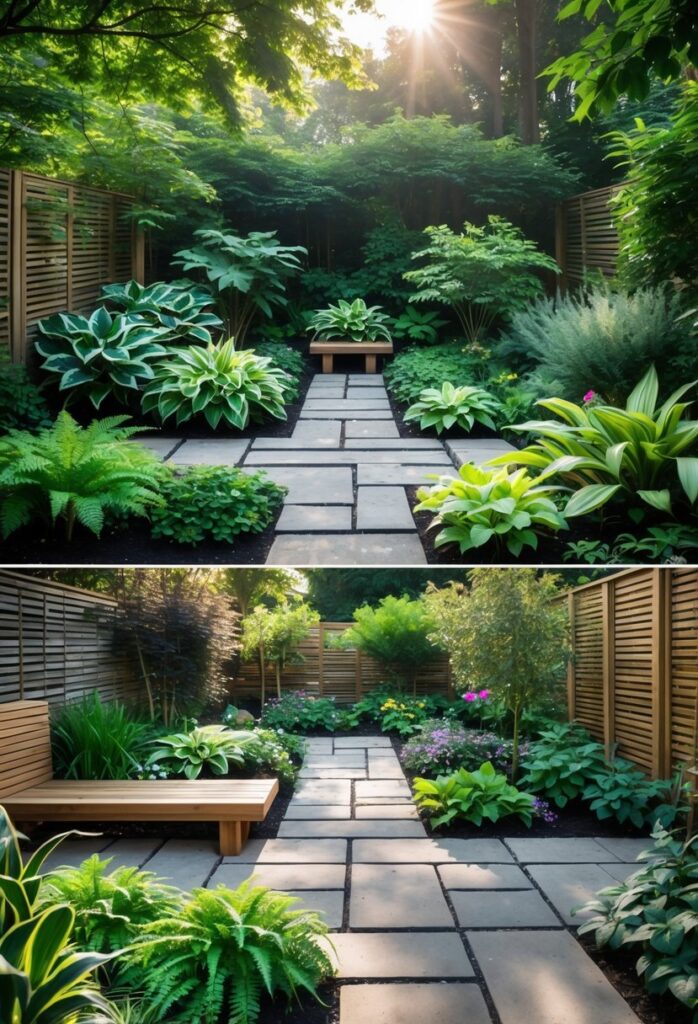
Shade garden ideas show how to create beautiful, healthy green spaces even in low-light conditions. These ideas help transform dull corners into inviting parts of the yard that still support a variety of plants.
1) Hostas for lush foliage contrast
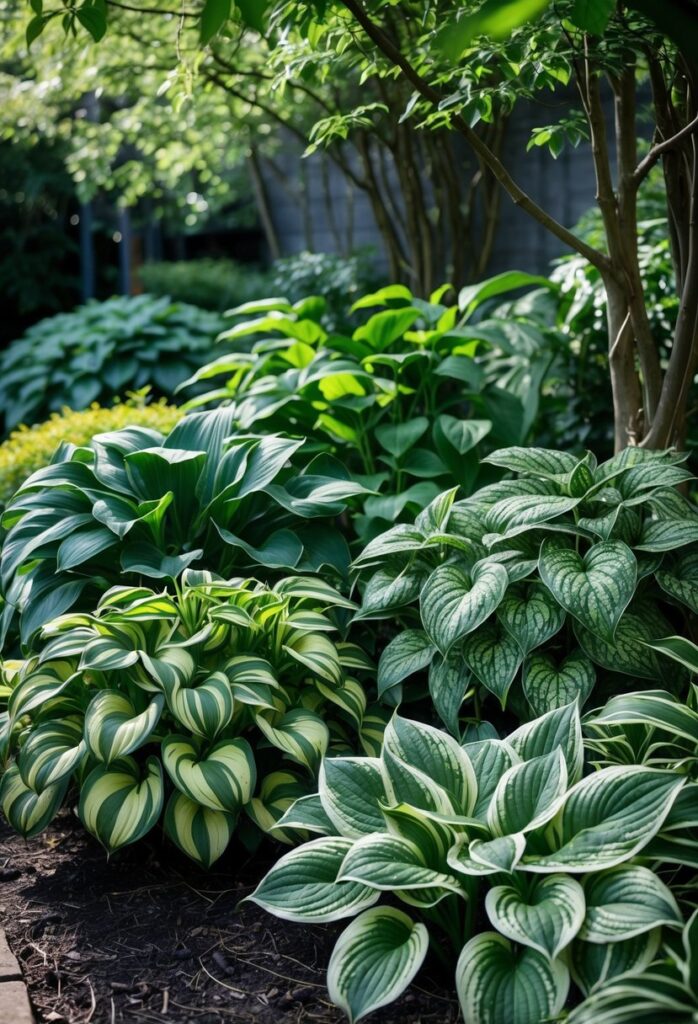
Hostas provide rich, textured leaves that thrive in shady spots. Their variety of colors, from deep green to blue and cream, adds natural contrast in the garden.
They grow well with other shade plants, creating layers of bright and dark foliage. This makes them a strong choice for gardeners seeking low-maintenance beauty. For example, pairing hostas with dark plants like Heuchera enhances visual depth in shaded areas.
Learn more about using hostas for shade gardens here.
2) Astilbe for vibrant plume-like flowers
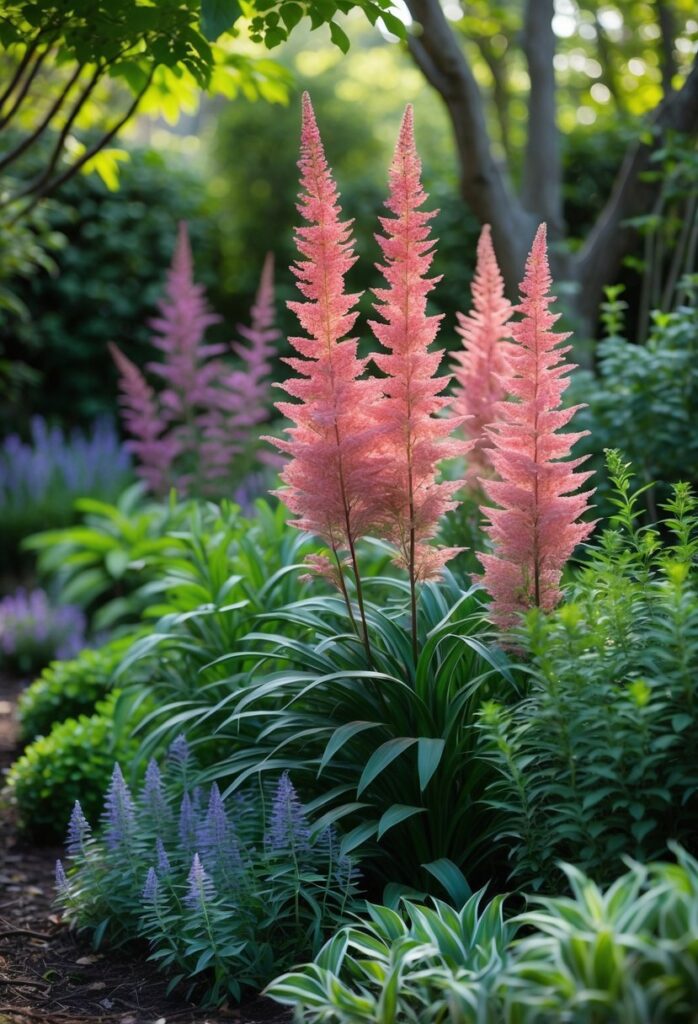
Astilbe produces bright, plume-like flowers that add color to shaded garden spots. It grows well in low light, making it a top choice for shady areas.
The plant’s feathery blooms come in pink, white, red, and purple, offering variety and texture. It thrives with minimal care and works well alongside hostas and ferns. For a lush, colorful look, astilbe is an excellent option in shade gardens. See more about its colors and care at completegardening.com.
3) Ferns to add texture and greenery
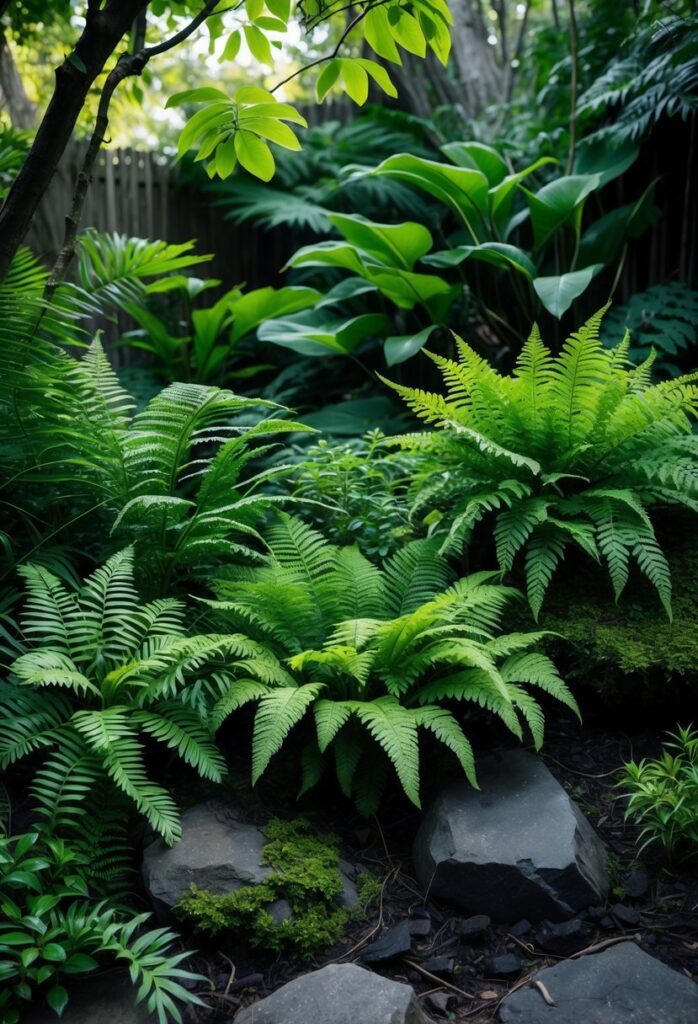
Ferns bring a rich texture to shade gardens with their delicate, feathery leaves. They thrive in low-light, moist areas, making them perfect for spots where other plants struggle.
Using a mix of fern varieties with different heights creates visual interest. They add lush greenery that fills shaded spaces naturally and elegantly.
Ferns also pair well with shade-loving plants like hostas and bleeding hearts to enhance the garden’s depth and color. Their low-maintenance nature suits both beginners and experienced gardeners.
Learn more about designing with ferns at Gardening Know How.
4) Heuchera for colorful, resilient leaves
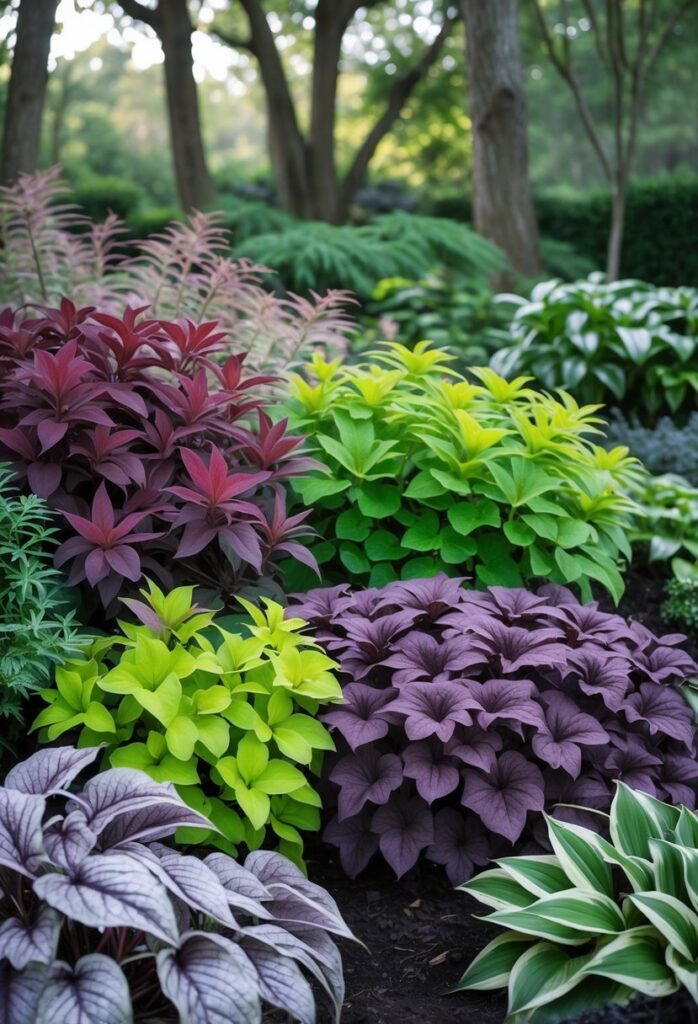
Heuchera, also called coral bells, adds bright color to shady gardens. Its leaves come in many shades like purple, bronze, and lime green. These plants are hardy and adapt well to low light.
They grow best in well-drained, nutrient-rich soil. Heucheras are low-maintenance and fit well in garden beds or containers. Their vibrant foliage creates year-round interest in shaded spots.
Learn more about popular varieties with colorful foliage that thrive in shade from this guide on stunning Heuchera varieties.
5) Bleeding Heart for unique, heart-shaped blooms
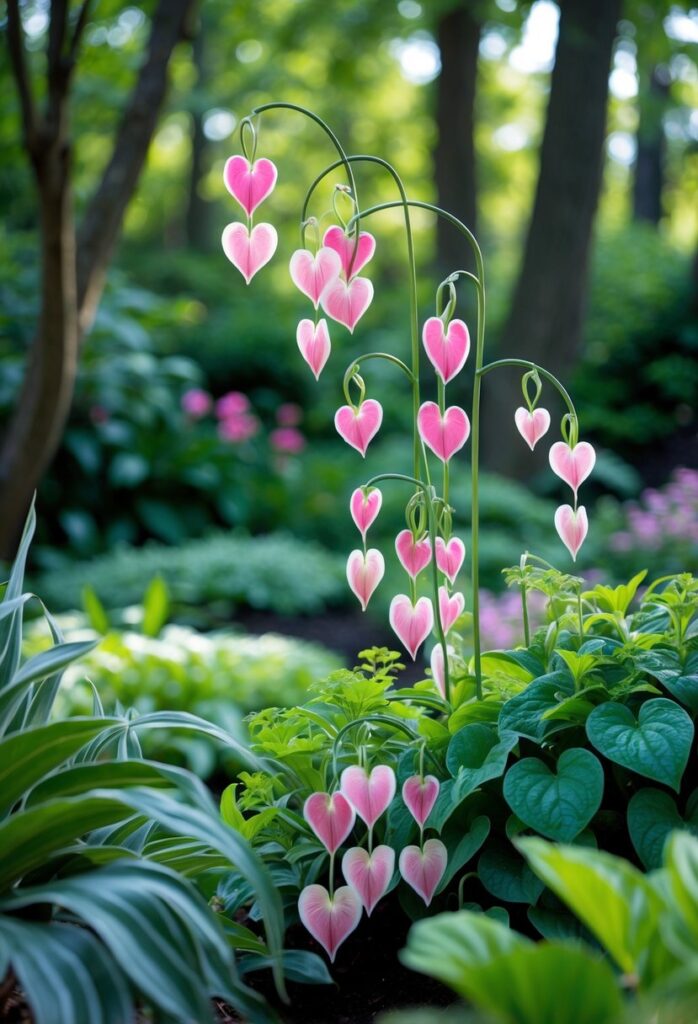
The Bleeding Heart plant is known for its distinctive heart-shaped flowers that hang from arching stems. It blooms in shades of pink, red, and white, adding unique beauty to shady garden spots.
This plant prefers cool, shaded areas and moist soil. Its delicate flowers create a calm and elegant look, making it a popular choice for shade gardens. Learn more about growing Bleeding Heart plants at the Growing Bleeding Hearts guide.
6) Japanese Forest Grass to create movement and softness
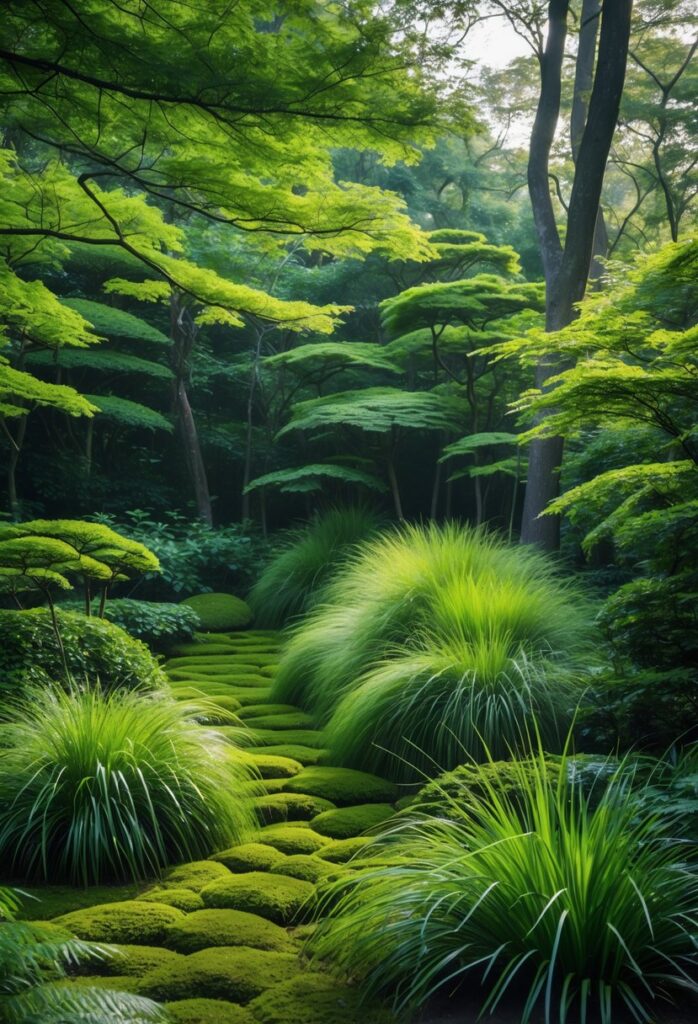
Japanese Forest Grass, also known as Hakone grass, adds gentle movement to shade gardens. Its arching leaves create a soft, flowing look that brightens dark corners.
It thrives in low light and spreads slowly, forming a dense, attractive ground cover. Planting it along paths or borders brings a natural flow to the garden space. For tips on care and design, visit Japanese Forest Grass shade plants.
Understanding Shade Garden Microclimates
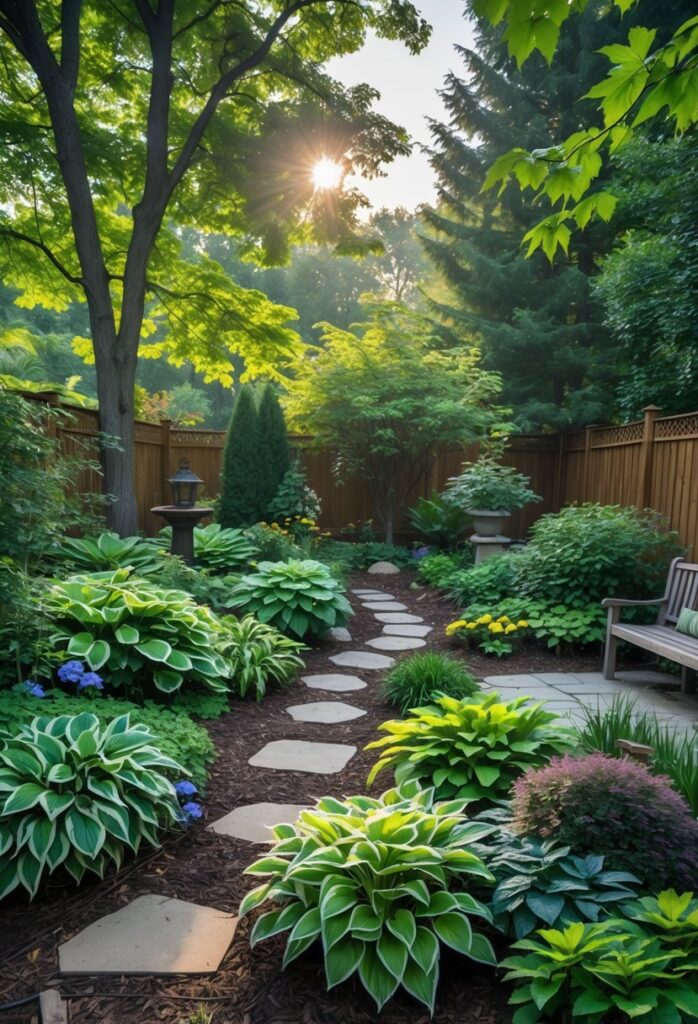
Shade gardens create unique growing conditions involving temperature, light, humidity, and air flow. These microclimate factors affect how plants grow and what care they need. Knowing the types of shade and how to prepare soil can help gardeners choose the right plants and set them up for success.
Types of Shade and Their Impact on Plant Growth
Shade is not all the same. It can be full shade, where plants get less than two hours of direct sunlight daily, or partial shade, with about 3 to 6 hours of filtered or early morning light. There is also dappled shade, where sunlight filters through tree leaves, creating spots of light and shade.
Each shade type influences plant growth differently. Full shade tends to be cooler and moister, so plants need to tolerate low light and excess moisture. Partial shade allows some sun-loving plants to grow but not those that need full sun. Dappled shade supports plants that thrive in varying light, such as ferns and hostas.
Choosing plants that match the shade type ensures healthier growth and fewer problems. Gardeners should observe their space during the day to see how light moves and changes with seasons. This helps determine the exact shade conditions.
Soil Preparation Tips for Shaded Areas
Soil under shade often has less organic matter and slower drying times. This happens because shade slows down the breakdown of leaves and plant debris. To improve soil, gardeners should add compost or well-rotted leaf mold yearly. This boosts nutrients and helps soil hold moisture without becoming soggy.
Shade soils can be compacted, especially under trees. They benefit from gentle digging or aerating to improve air and water movement. Avoid disturbing tree roots too much.
A good soil mix for shade gardens should be loose, rich in organic material, and well-draining. Mulching with natural materials like bark chips also helps keep moisture steady and reduces weeds. Checking soil pH is useful because some shade-loving plants prefer slightly acidic soil.
Proper soil preparation supports root health and helps plants better handle the cooler, wetter conditions of shade garden microclimates.
For more on garden microclimates and shade, see this guide to understanding sun, shade, and wind patterns.
Design Principles for Shaded Spaces
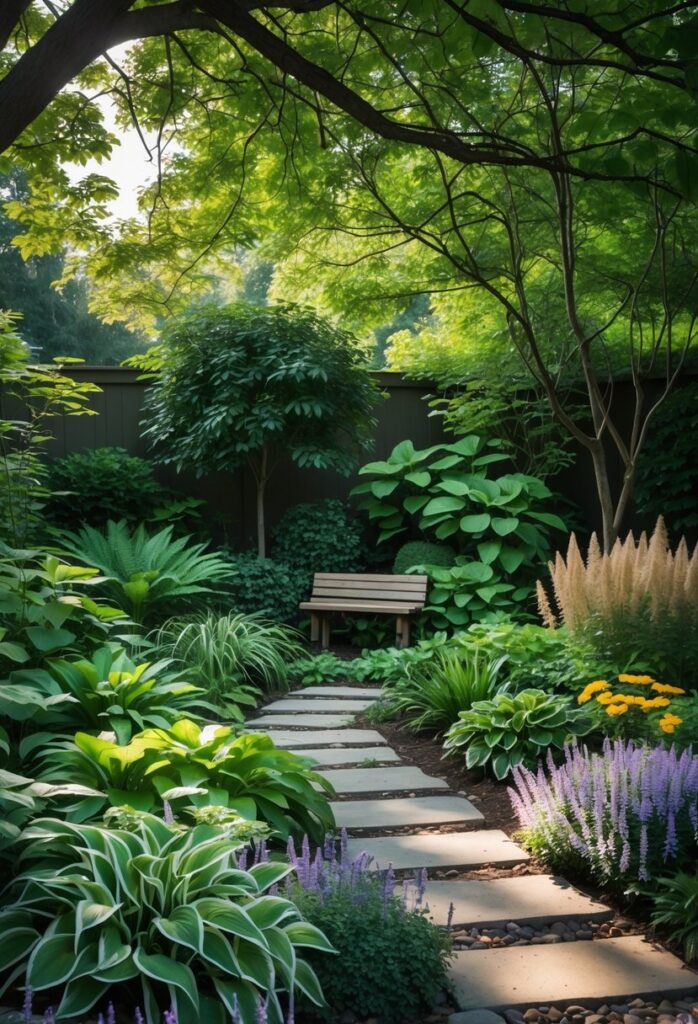
Designing for a shaded garden means focusing on how plants work together in layers and how their colors and textures stand out in low light. Making sure plants have different heights and leaf types creates depth. Choosing the right colors and textures helps prevent a dull look.
Layering Plants for Visual Interest
Layering is key to a successful shade garden. Taller plants like ferns or shrubs form the back layer, giving a natural frame. Mid-height plants such as hostas fill the middle ground with broad leaves. Low ground covers complete the front, adding softness.
This arrangement adds depth and keeps the eye moving across the garden. Using plants with various leaf shapes helps increase texture contrast. For example, pairing large, round leaves with fine, feathery ferns brings balance.
Evergreens can provide year-round structure. Pairing them with seasonal bulbs adds spots of color throughout the year. Layering also helps different plants get enough light by arranging them according to their shade tolerance.
Color and Texture Choices in Low Light
In shade gardens, plant colors are often muted. Bright greens and variegated leaves can add life without needing strong sunlight. Shades of silver, blue, and purple work well because they reflect light differently.
Using plants with contrasting leaf textures improves interest. Smooth, shiny leaves next to rough or fuzzy ones make the space feel dynamic. For example, pairing hostas’ wide leaves with the fine texture of ferns or grasses.
Adding bulbs like bluebells or astilbes gives bursts of color in spring and summer. Avoid relying on flowers alone since blooms may be less frequent in shade. Leaf color and texture are the main focus for a vibrant garden in low light conditions.
For more detailed ideas on effective layering and color use in shade gardens, see these shade garden design tips and plants.