
9 Perennial Garden Plants for Year-Round Beauty and Low Maintenance
A 9 perennial garden offers a reliable way to create a lasting and low-maintenance outdoor space. Perennials return year after year, reducing the need for replanting and helping gardeners build a stable, attractive landscape over time.
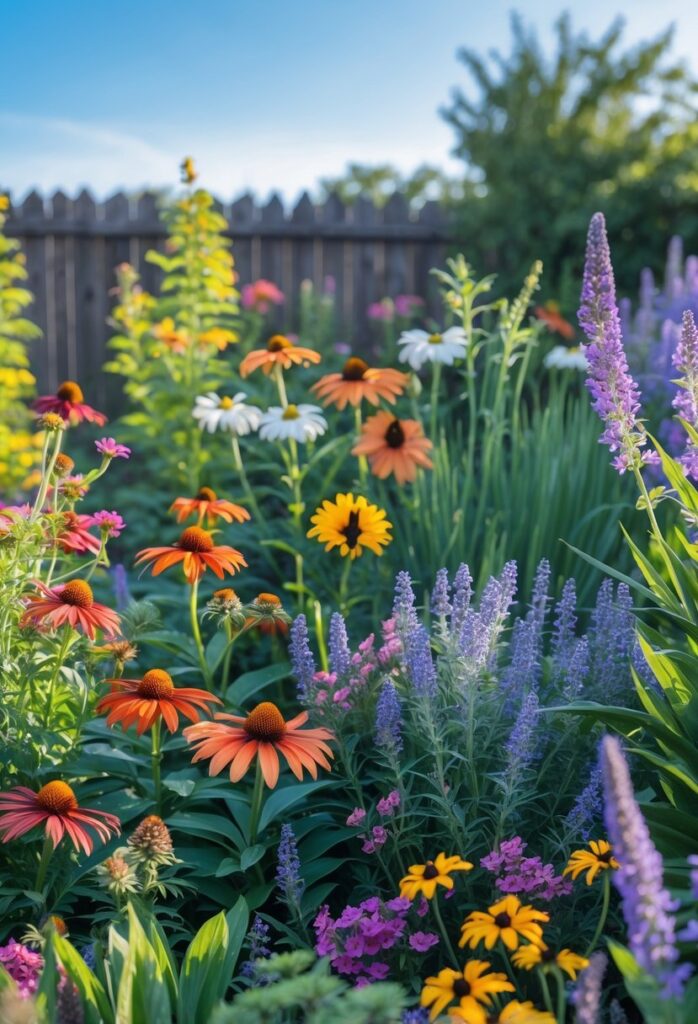
Choosing the right perennials for the garden zone ensures plants thrive and add consistent beauty without extra effort. This approach works well for gardeners looking for sustainable options that adapt to their local climate.
1) Plan your garden layout for continuous seasonal blooms
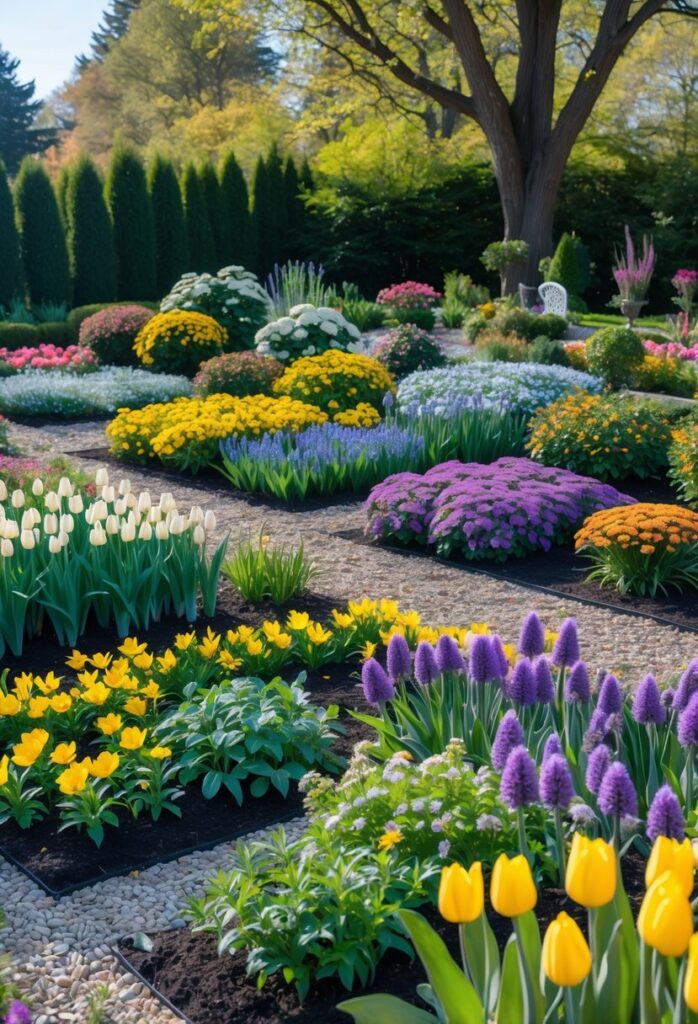
He or she should arrange plants with staggered bloom times. Early bloomers, mid-season flowers, and late-season varieties keep color in the garden for months.
Choosing plants that bloom at different times creates a flow of color through spring, summer, and fall. This approach helps maintain visual interest without large gaps.
Planning for continuous blooms also means considering your local frost dates and planting schedule. Knowing these helps to pick the right plants for the right time of year. For more details, visit perennial garden design tips.
2) Choose a mix of shade and sun perennials
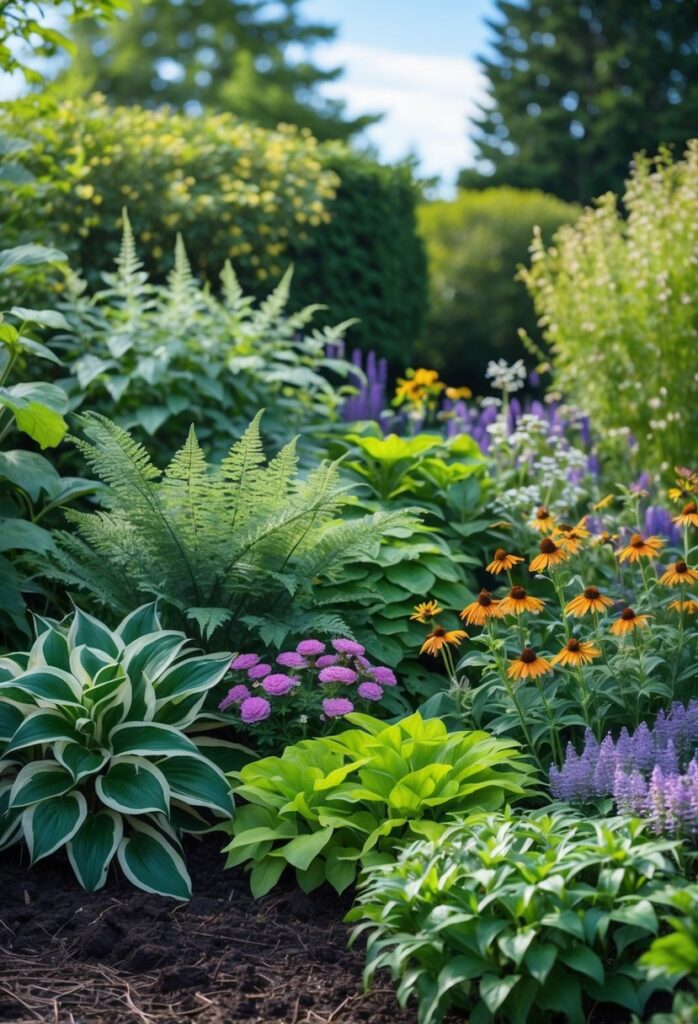
A garden with both sunny and shady spots benefits from a mix of perennials suited to each area. Shade perennials like hosta and astilbe perform well where sunlight is limited. Sun-loving perennials thrive in brighter spots and add color throughout the garden.
Combining these types creates a balanced look and helps plants grow healthy. It also ensures blooms appear across most parts of the garden. Choosing plants for each light condition is key to a thriving zone 9 garden. See more about shade perennials for Zone 9 here.
3) Include peony for vibrant spring color
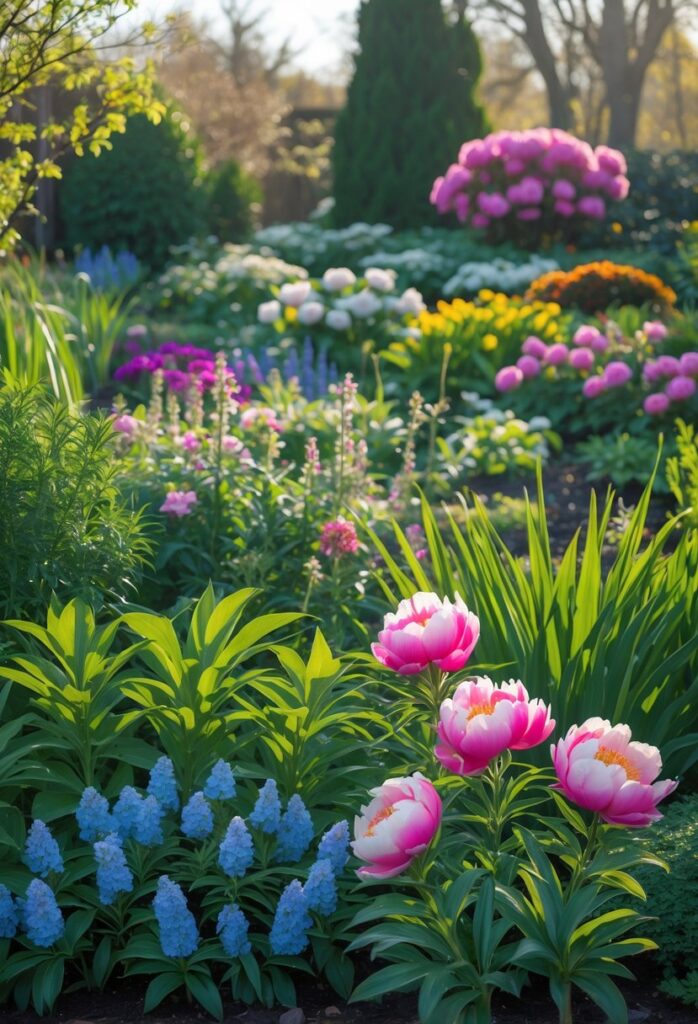
Peonies offer bright and wide-ranging colors, from soft pinks to deep purples. They are reliable perennials that bloom once each spring, adding bold color to any garden space.
These flowers are hardy and can thrive in many climates. Their large, full blooms create a striking presence without much care.
Peonies also grow well with other spring plants, making them a versatile choice. This makes them ideal for gardeners seeking vibrant spring color that lasts.
4) Add black-eyed Susan for summer interest
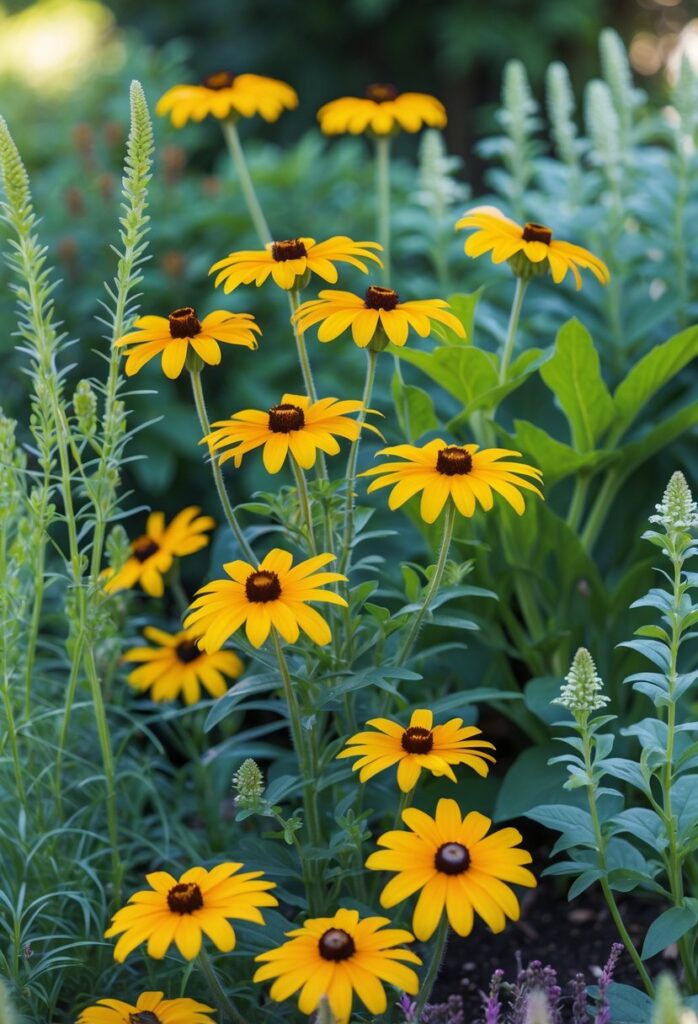
Black-eyed Susan is a popular perennial that adds bright yellow color to gardens. It blooms from mid-summer to early fall, providing long-lasting visual interest.
This plant is easy to grow and thrives in full sun. It attracts pollinators like bees and butterflies, supporting garden wildlife.
Black-eyed Susan pairs well with other summer bloomers. Its bold flowers stand out in borders and containers, making it a versatile choice for garden design. See more about growing Black-eyed Susan in your garden at Homestead Gardener.
5) Select daylily for long-lasting flowers
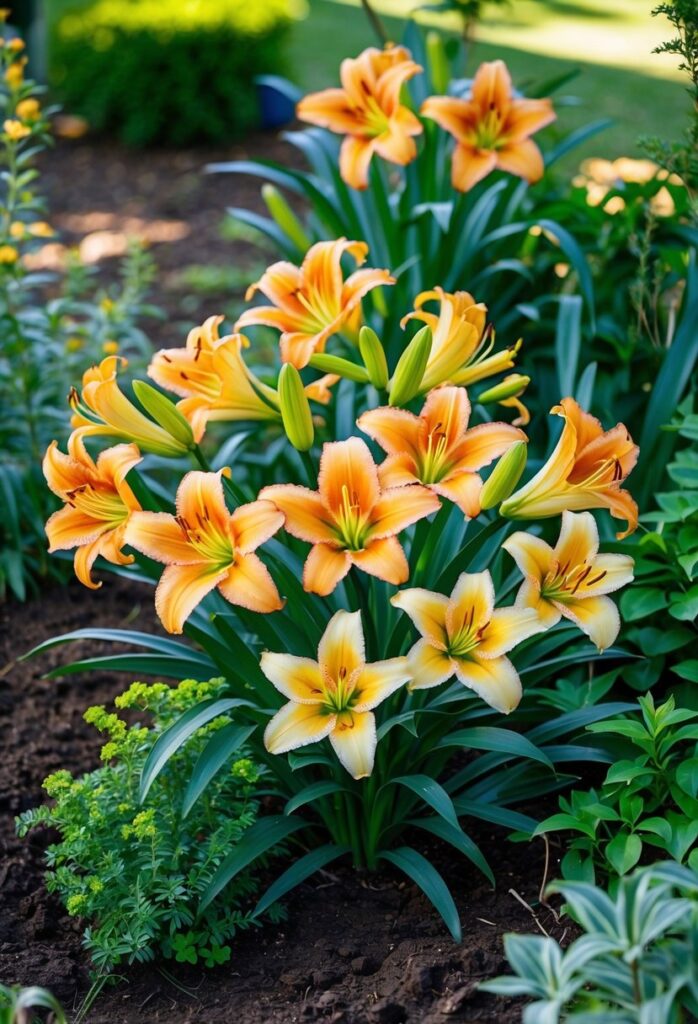
Daylilies are tough perennials that need little care. They bloom over a long season, providing color from early summer into fall.
Each flower lasts only one day, but new blooms open steadily. This keeps the garden bright for weeks.
Many types vary in size, color, and fragrance, giving gardeners plenty of choices. Their ability to adapt to different soils makes them reliable. For more on varieties, see the best daylily types to grow in your garden.
6) Incorporate ornamental grasses for texture
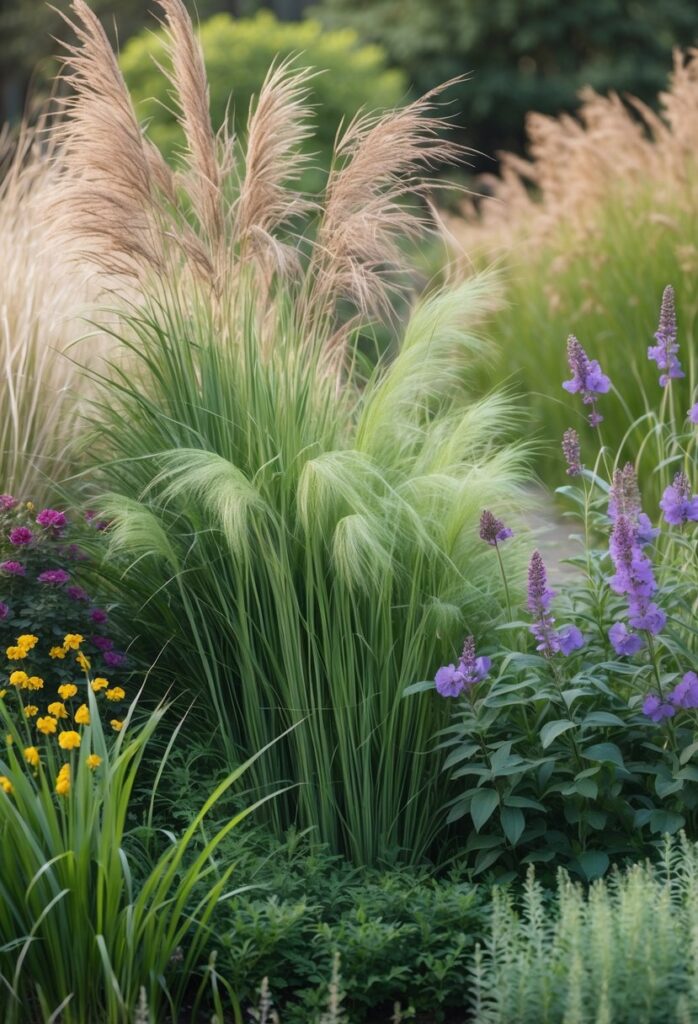
Ornamental grasses add important texture to a perennial garden. They create movement as their blades sway gently in the wind.
Different types offer a range of heights and shapes, from low groundcovers to tall, dramatic stalks. This variety helps balance other plants and adds depth.
These grasses require little care and bring year-round interest. They also soften hard edges and can act as natural privacy screens, enhancing the garden’s structure and flow. Using them improves both the look and feel of the space. For more ideas, see landscaping with ornamental grasses.
7) Plant perennials with varied bloom times
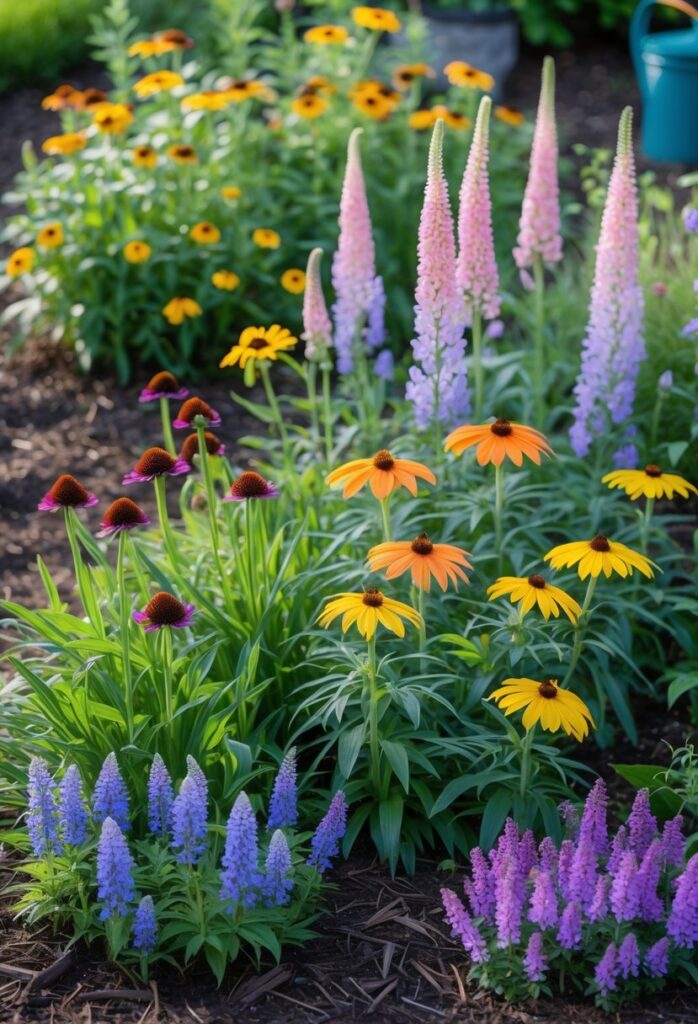
They choose perennials that bloom at different times to keep a garden colorful longer. Early bloomers bring color in spring, while others flower in summer or fall.
This timing spreads out the blooms, giving a steady display instead of one short burst. It also supports pollinators through more seasons.
Mixing plants with different bloom schedules creates a lively, balanced garden. This method helps maintain visual interest and supports garden health. For more details on reblooming perennials, see this guide to multi-blooming perennials.
8) Use soil amendments for healthy growth
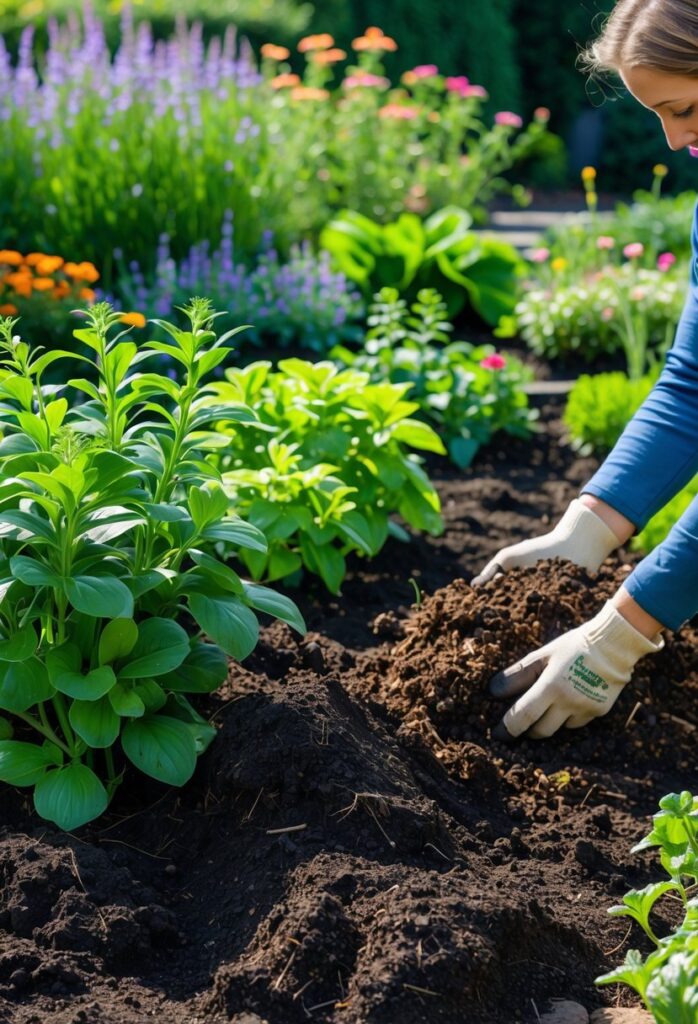
Garden soil often needs extra nutrients to support strong perennial growth. Soil amendments like compost, aged manure, and worm castings add essential nutrients and improve soil structure.
These materials also increase beneficial microorganisms in the soil. Amendments help retain moisture and improve drainage, creating better conditions for roots.
Choosing the right amendments depends on soil tests and plant needs. Applying them at the right time boosts plant health and resilience. For more details, see this guide on soil amendments for healthy plants.
9) Design with evergreen perennials for year-round structure
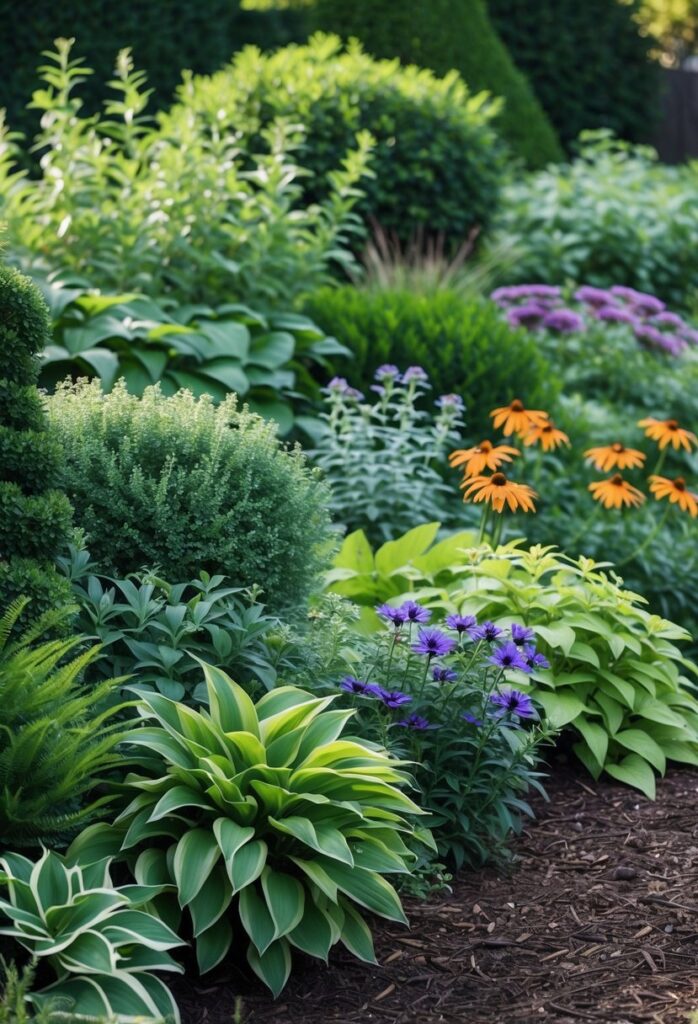
Evergreen perennials provide consistent shape and color all year. They create a strong garden framework that holds other plants together through seasons. This structure helps maintain visual interest even when flowers fade.
Choosing evergreen plants suited to sun or shade ensures they thrive in different garden areas. This approach makes a garden look orderly and balanced regardless of weather changes. Using evergreen perennials is a key strategy for lasting garden design Evergreen Perennials – Portland Nursery.
Design Principles for a Cohesive Perennial Garden
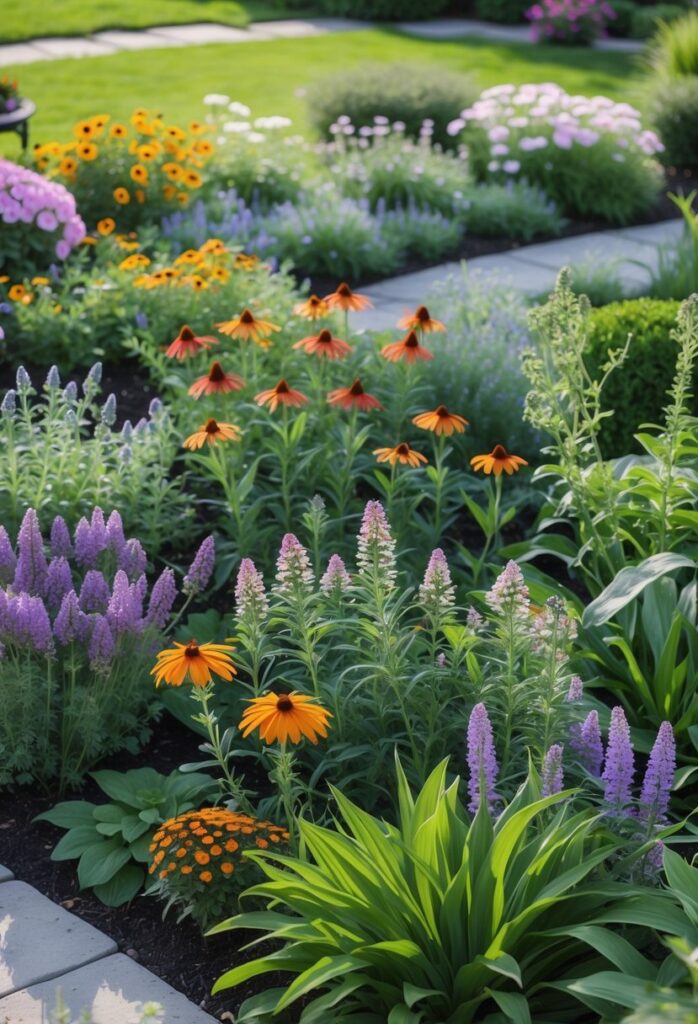
A well-designed perennial garden uses thoughtful planning to create balance and flow. Careful choices about color and timing ensure the garden looks attractive throughout the growing season. Combining these elements helps the garden feel unified and purposeful.
Color Coordination Strategies
Color in a perennial garden should create harmony while adding interest. Designers often use a limited color palette of two to three main colors to avoid visual chaos. Grouping plants with similar hues, such as blues and purples, can create a calm effect.
Using complementary colors, like purple and yellow, adds contrast and draws the eye. Light and dark shades of the same color can offer depth without overwhelming.
Plant height and placement matter too. Taller plants with bold colors often go in back beds, while softer colors appear in front. Using repetition of key colors across the garden helps tie separate areas together, giving a unified look.
Seasonal Interest Planning
Perennials bloom for limited times, so planning their bloom periods is crucial. A mix of early, mid, and late blooming plants keeps the garden colorful from spring to fall.
Including evergreen foliage or plants with interesting seed heads adds structure when flowers fade. Staggered bloom times prevent gaps in color, maintaining visual appeal.
Gardeners should research the bloom length of each plant and choose those suited to their climate. Grouping perennials by bloom time and height also helps create smooth transitions in the garden’s appearance across seasons. This planning leads to continuous beauty and ease of care.
For more guidance on combining bloom times with color, see this perennial garden design guide.
Soil Preparation and Maintenance Tips
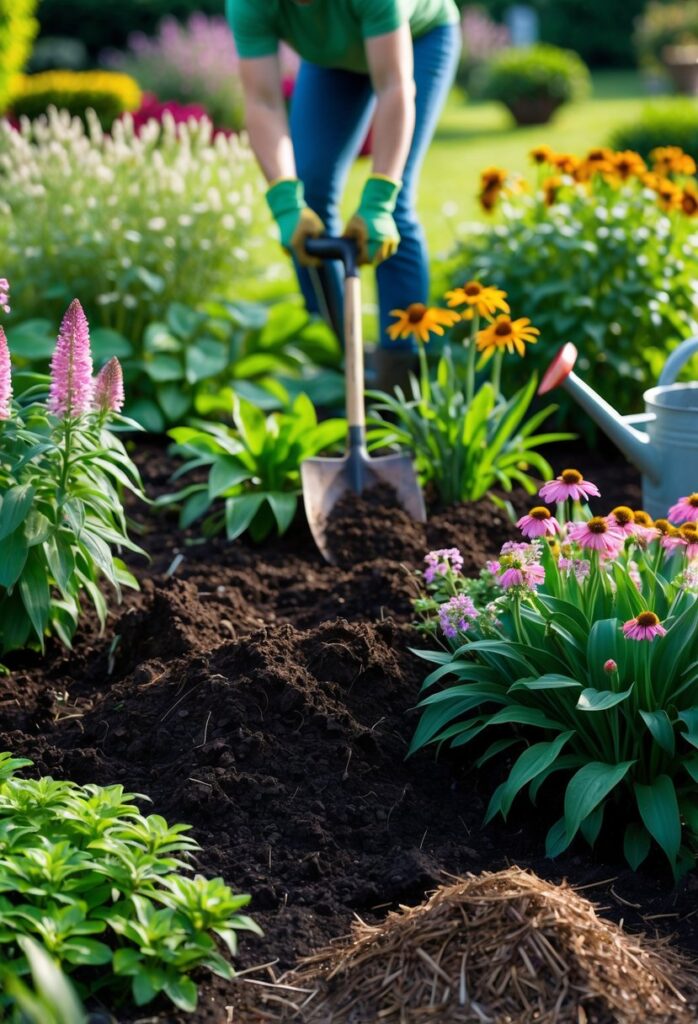
Good soil condition and proper watering are essential for perennial health. Soil must be prepared to promote strong roots and steady growth. Watering should match the plants’ needs without causing waterlogging or dryness.
Amending Soil for Perennials
Soil for perennials should be rich in organic matter and drain well. Start with a soil test to check pH and nutrient levels. Most perennials prefer a slightly acidic to neutral pH (6.0 to 7.0). Amend clay soils with compost or aged manure to improve texture and drainage.
Adding organic matter like leaf mold or compost increases nutrient content and helps soil retain moisture. Avoid heavy use of synthetic fertilizers early on, as they can burn young roots. Instead, slow-release fertilizers or natural amendments work better.
Loosen the soil to a depth of at least 12 inches to allow roots to spread. Remove rocks, debris, and weeds before planting. Mulching after planting will help maintain soil moisture and temperature.
Watering Techniques
Perennials typically need about 1 inch of water per week. It’s best to water deeply and less often to encourage roots to grow downward. Shallow, frequent watering can cause weak root systems.
Water early in the morning to reduce evaporation and prevent fungal diseases. Avoid wetting the foliage by using drip irrigation or watering at the base of the plants.
Adjust watering based on weather, soil type, and plant species. Sandy soil needs more frequent watering, while clay holds moisture longer. Always check soil moisture by feeling it a few inches below the surface before watering again.