
7 Home Interior Design Ideas To Transform Your Living Space
Home interior design can change the look and feel of a space, making it more comfortable and inviting. Many people want to improve their living areas but may not know where to start or what ideas to consider.
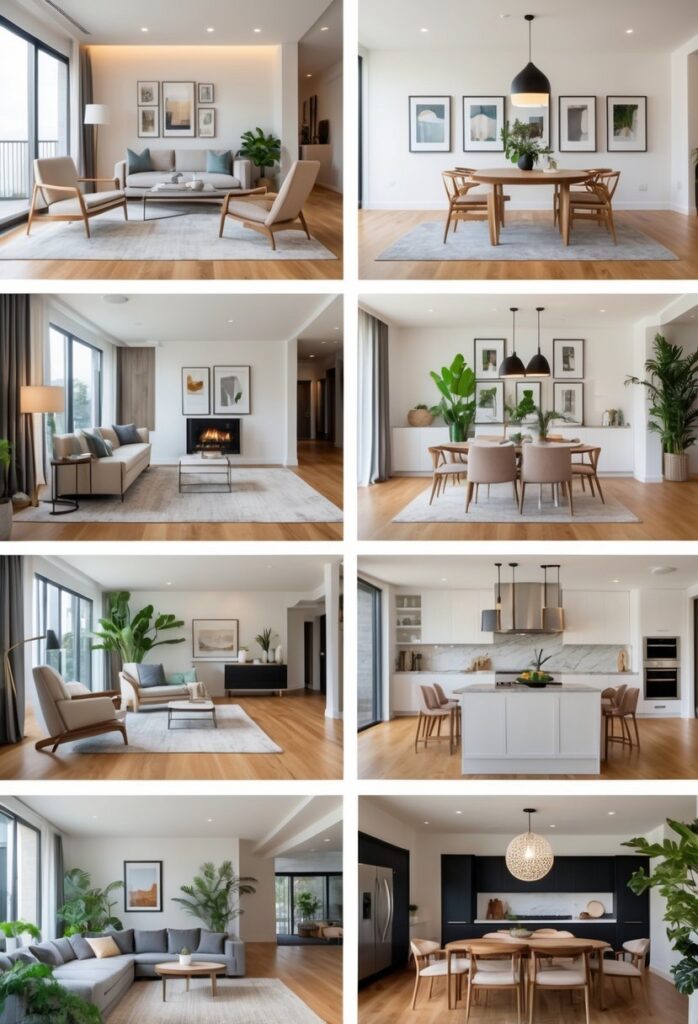
The key to effective home interior design ideas is choosing simple and practical ideas that fit the style and needs of the household. These ideas help create spaces that look good and feel right, without needing complicated or expensive work.
1) Incorporate marble countertops for timeless luxury
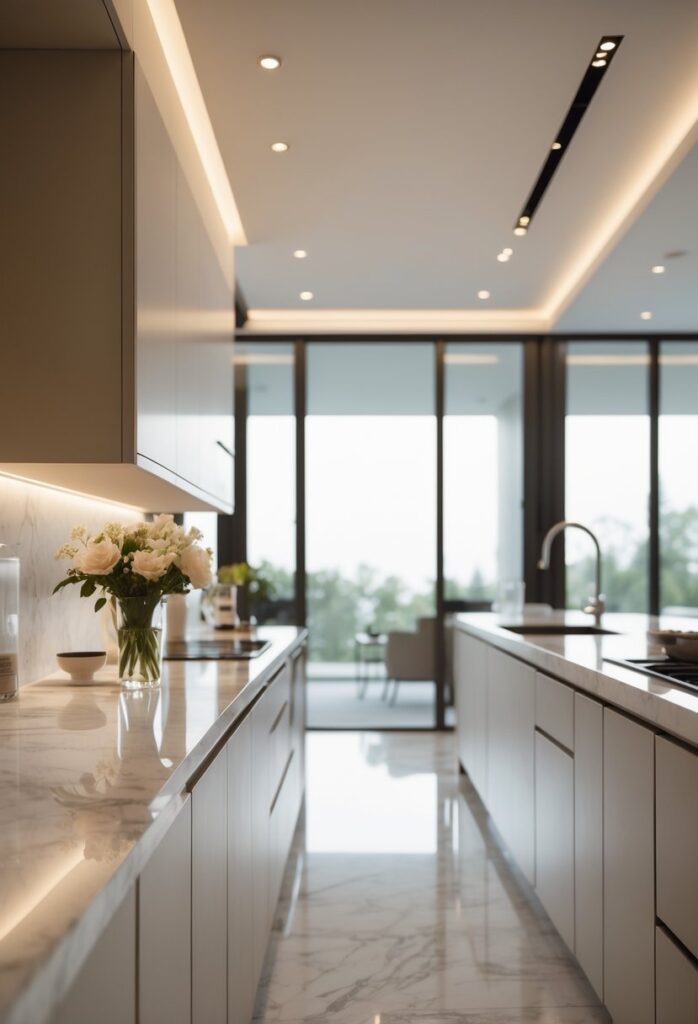
Marble countertops add a classic touch to any kitchen. They bring a clean, elegant look that lasts over time.
The stone’s natural patterns make each countertop unique. Many designers use marble to create a balanced, stylish space.
Marble pairs well with both modern and traditional styles. It can make a kitchen feel more inviting and refined.
While marble requires care to avoid stains and scratches, its beauty often outweighs maintenance. People choose marble for its lasting appeal.
2) Use brass fixtures to add warmth and elegance
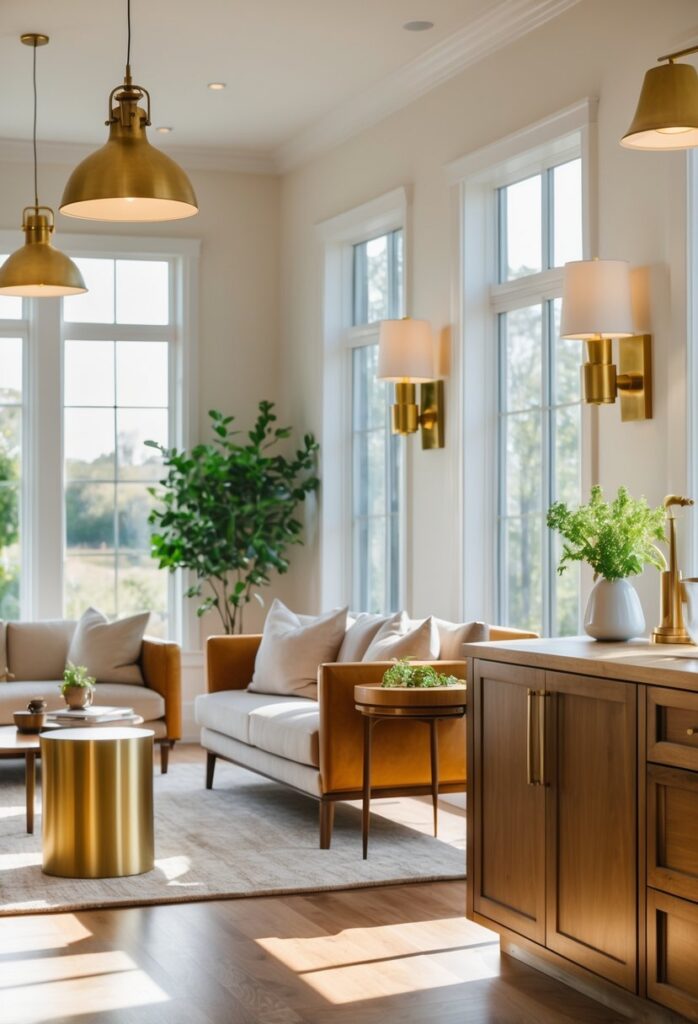
Brass fixtures bring a warm, classic look to any room. They offer a subtle shine that feels timeless without being too bright.
Using brass in kitchens or bathrooms can create a stylish, elegant feel. Faucets, cabinet handles, and light fittings are popular choices.
Brass works well with wood and marble surfaces. It adds depth and contrast, making spaces feel inviting and polished.
Small brass accents, like sconces or trays, add charm without overwhelming a room. They suit both modern and vintage styles.
3) Opt for a neutral color palette with pops of bold hues
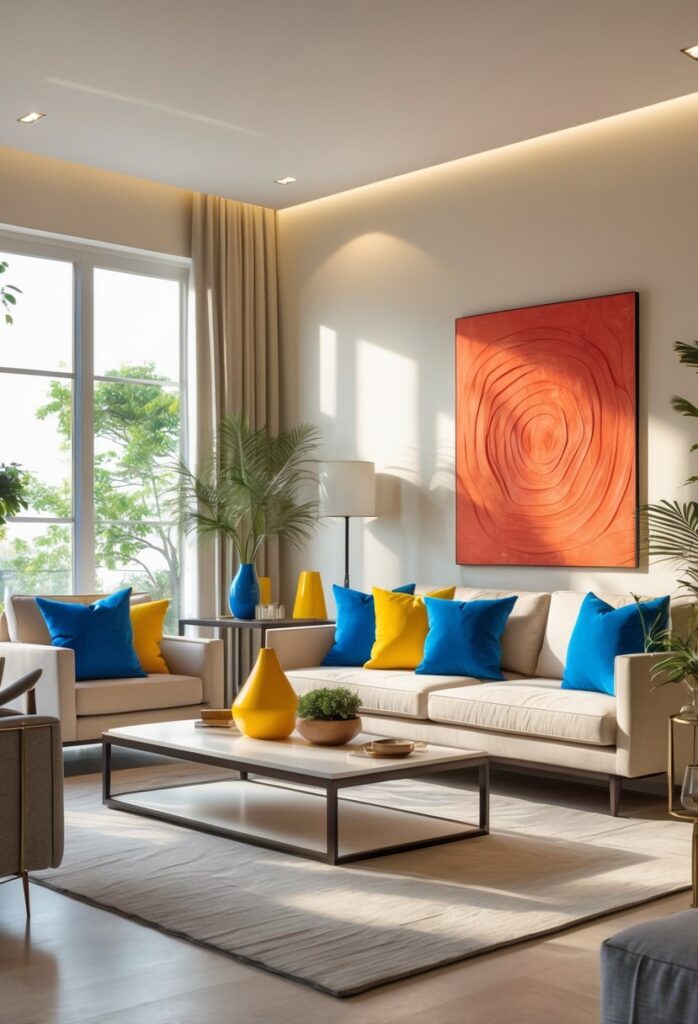
A neutral color palette creates a calm and balanced base for any room. Whites, beiges, grays, and soft browns make the space feel open and clean.
Adding bold colors in small doses brings interest without overwhelming the eye. Bright throw pillows, colorful rugs, or a single accent chair can add energy.
Deep greens, navy, or warm ochre work well with neutral tones. These shades add depth and personality while keeping the overall look natural and inviting.
Using bold colors sparingly helps guide the eye around the room. This approach keeps the design fresh and modern without being too busy or loud.
4) Mix and match textures like velvet and linen
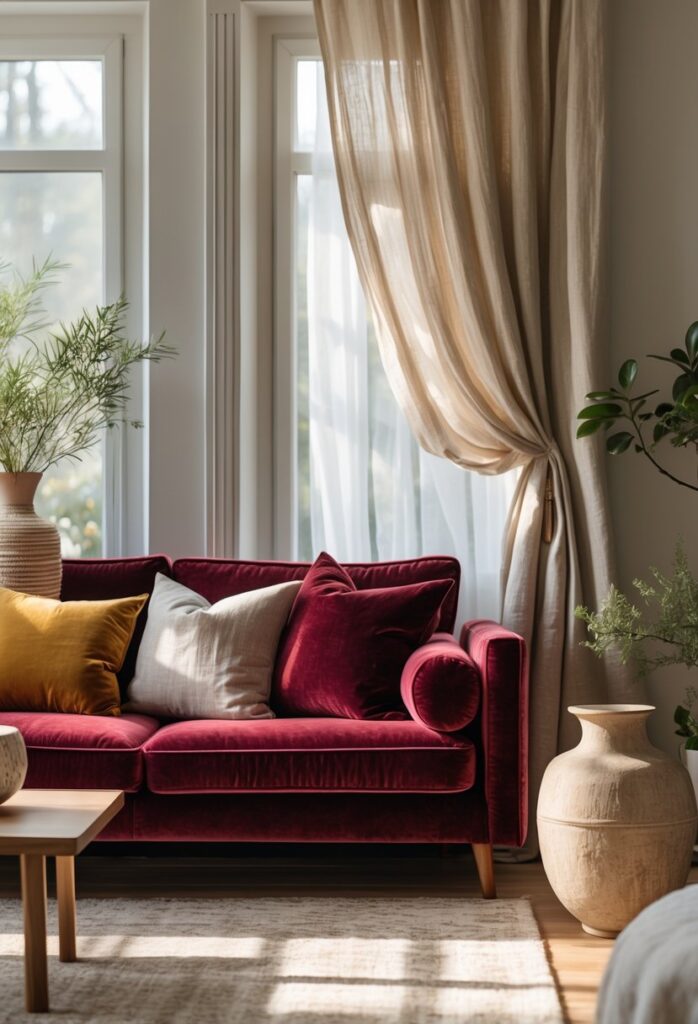
Mixing velvet and linen creates contrast in both look and feel. Velvet is soft and rich, adding warmth to a space. Linen is light and breathable, bringing a natural touch.
Combining these fabrics can make a room feel inviting and balanced. Velvet cushions on a linen sofa, for example, add depth without overwhelming. It keeps the space interesting but comfortable.
Using textures like these helps avoid a flat or boring room. They provide a mix of softness and structure. This method is simple but effective for a cozy, stylish home.
5) Create focal walls with geometric wallpaper
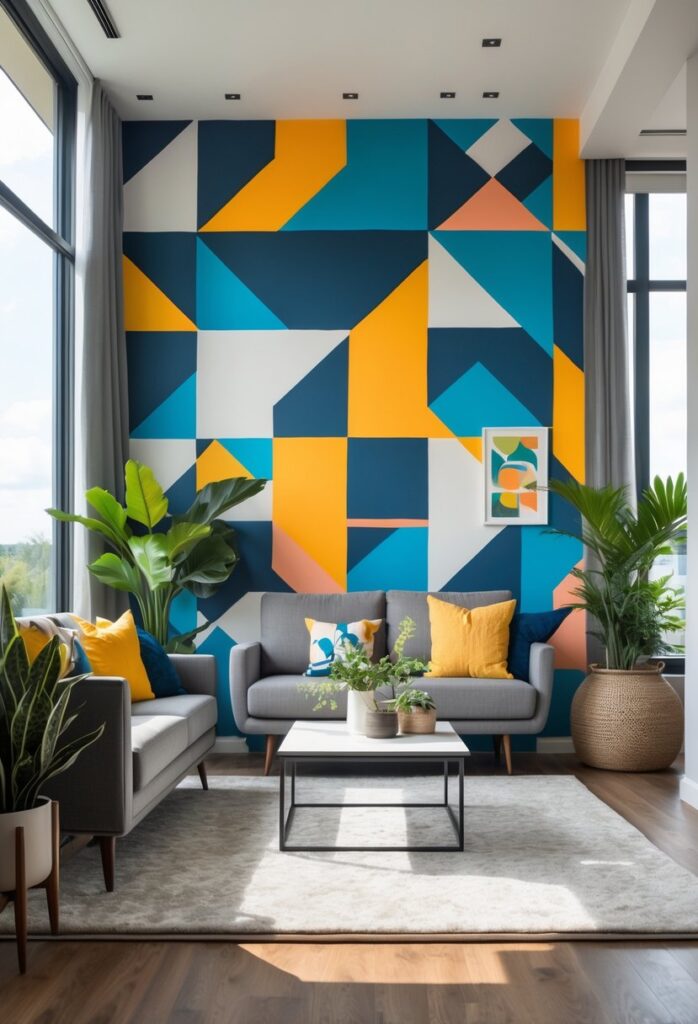
Geometric wallpaper adds bold shapes and clean lines to any room. It gives a modern and structured look that draws attention.
The patterns can range from simple to complex. This flexibility helps match different styles and color schemes.
Using geometric wallpaper on one wall creates a clear focal point. It changes the feel of the space without major changes.
It works well in living rooms, bedrooms, and offices. The design adds personality while keeping the room balanced and neat.
6) Integrate open shelving in kitchens for a modern look

Open shelving offers a clean and simple style that fits modern kitchens well. It removes bulky cabinets and creates a more open feeling.
The shelves allow easy access to dishes and ingredients. This makes cooking and cleaning faster and more convenient.
Shelves can be styled with everyday items or decorative pieces to show personality. Mixing practical items with decor adds visual interest.
Using materials like light wood or metal keeps the look sleek and fresh. The design works well with neutral colors or bold accents.
Open shelving also maximizes storage without crowding the space. It helps kitchens feel airy and bright while remaining functional.
7) Choose minimalist furniture with clean lines
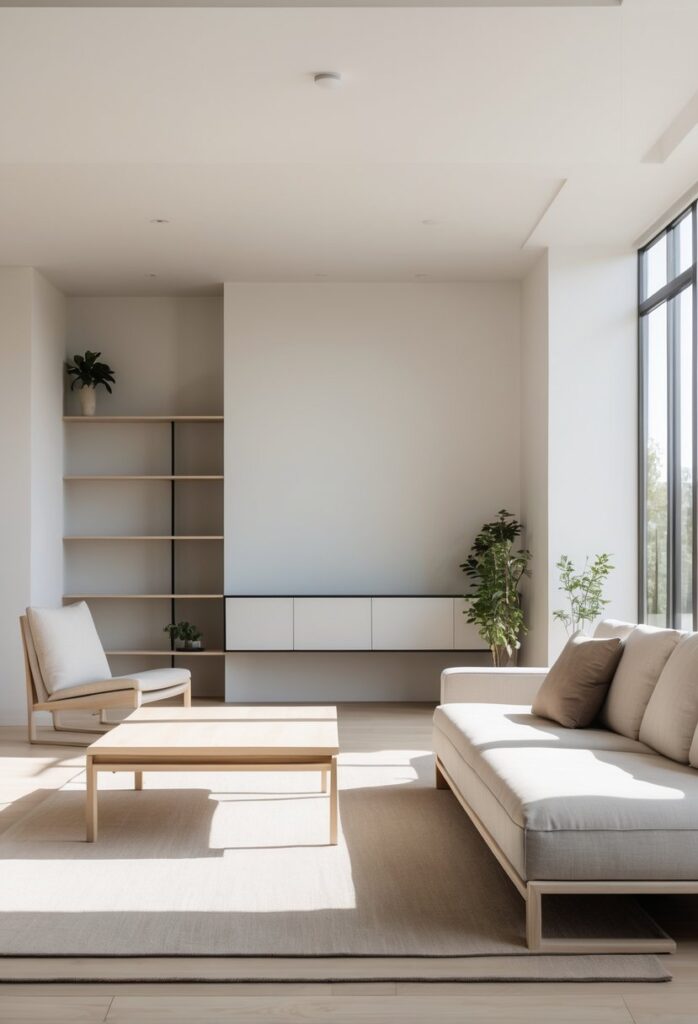
Minimalist furniture helps create a calm and open space. Its simple shapes and smooth edges avoid visual clutter.
Choosing pieces with clean lines means focusing on form and function. Furniture should have straight or gently curved edges without extra decoration.
This kind of furniture works well in any room. It fits small spaces by staying light and unbulky, and in larger rooms by adding balance.
Materials like wood, metal, and glass often complement minimalist furniture. They add quality and style without overwhelming the design.
Minimalist furniture encourages careful selection. Each piece should serve a purpose and add to a clean, organized look.
Fundamental Principles of Home Interior Design
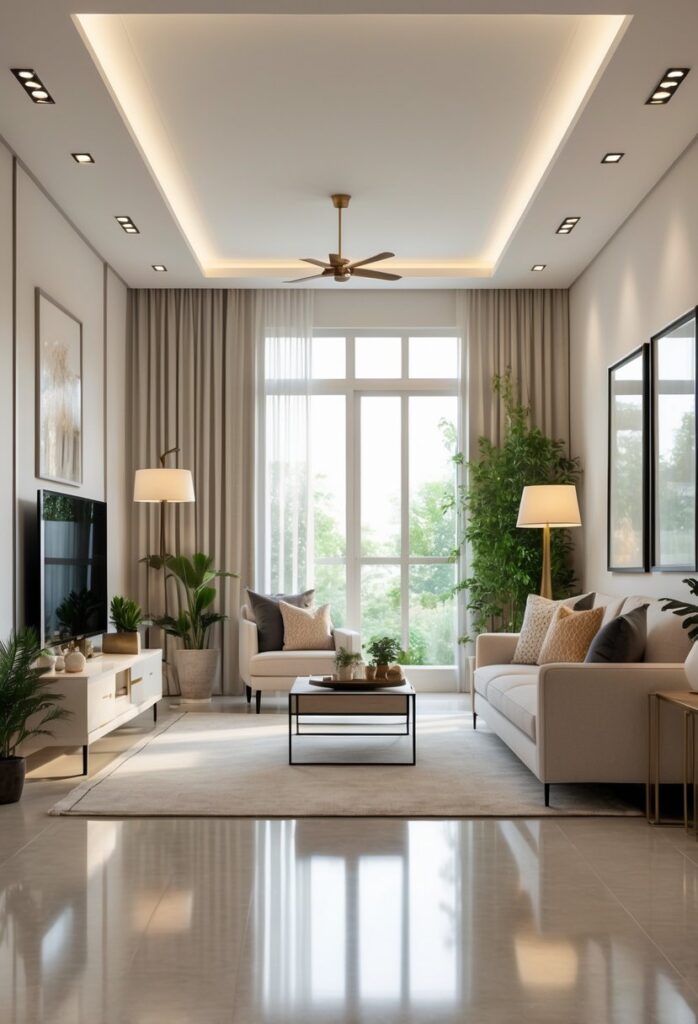
Creating a successful interior involves more than just picking furniture or colors. It requires careful attention to how space works and how different elements like color and texture interact. These basics help make a home both functional and visually appealing.
Understanding Spatial Flow
Spatial flow means the way people move through a room or home. It is important to arrange furniture so pathways are clear and natural. Crowded or blocked spaces can make a room feel uncomfortable or awkward.
Good spatial flow also involves zoning areas based on their use. For example, separating dining and relaxation zones helps keep the room organized and purposeful. Measuring the space first is essential to avoid overfilling it with furniture.
Lighting plays a role here too. Proper lighting guides movement and highlights key areas, improving both function and mood. Overall, spatial flow creates a smooth experience in the home.
Balancing Color and Texture
Color and texture shape a room’s personality and mood. Using a balanced mix keeps the space interesting without overwhelming the senses.
Start by choosing a color scheme with a mix of light, medium, and dark tones. Using bold colors on an accent wall or in accessories can add focus. Neutral colors on larger surfaces prevent the room from feeling chaotic.
Texture adds depth and comfort. Mixing smooth surfaces like glass or metal with soft fabrics and rougher finishes creates contrast. For example, pairing a velvet sofa with a wooden coffee table brings variety to touch and sight.
Together, thoughtful color and texture choices make interiors feel complete and welcoming.
Incorporating Trends Into Your Space
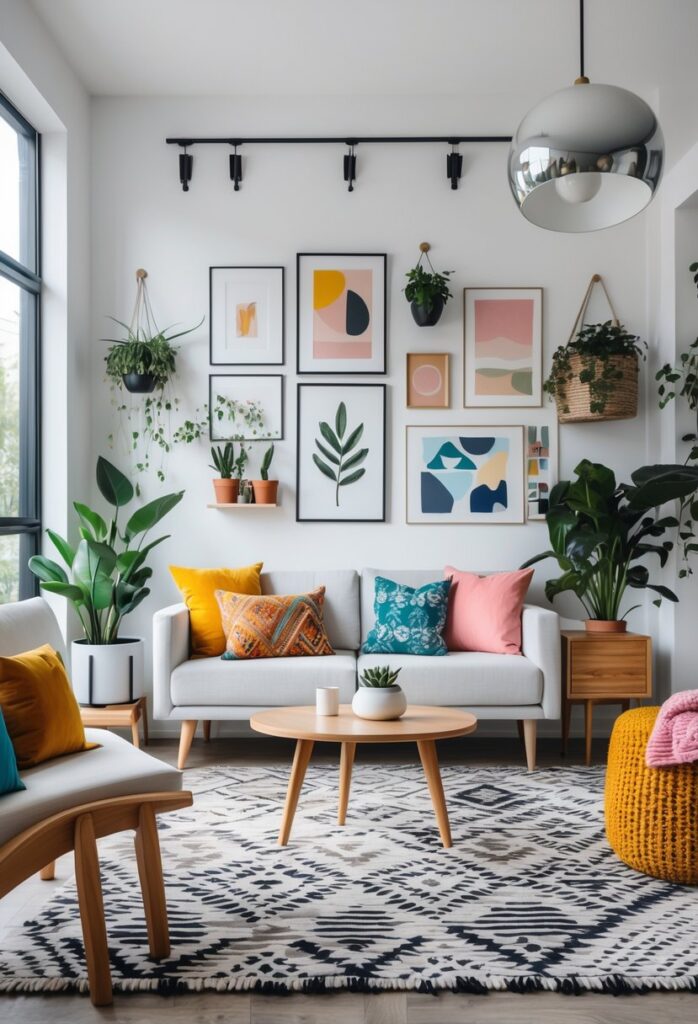
Designers often suggest mixing different styles and materials to create balanced and unique interiors. Careful choices in furniture and materials help make a home both stylish and practical.
Blending Modern and Classic Elements
Combining modern and classic pieces creates a timeless look that feels fresh yet familiar. For example, a sleek, contemporary sofa can be paired with a vintage wooden coffee table. This blend adds depth without overwhelming the room.
To do this well, focus on color harmony and proportions. Neutral colors like white, gray, or beige help unify the different styles. Large furniture pieces should share similar tones or textures to avoid clashing.
Using classic accents, such as antique lamps or framed art, alongside modern lighting and clean lines keeps the space balanced. This approach allows homeowners to keep meaningful items while updating the overall feel.
Using Sustainable Materials Effectively
Sustainable materials are a leading trend in 2025 and can improve a home’s look and eco-friendliness. Natural wood, bamboo, and recycled metals are popular choices for furniture and décor.
When selecting materials, it’s important to prioritize durability and style. For example, reclaimed wood can be used for flooring or shelving, offering both texture and a story. Organic fabrics like cotton and linen work well for cushions and curtains.
Incorporating plants and natural fibers not only adds warmth but also improves indoor air quality. Combining these elements can create a space that honors the environment and maintains aesthetic appeal.