9 Permaculture Garden Ideas to Maximize Sustainability and Yield
Permaculture gardening focuses on creating sustainable and productive outdoor spaces by working with nature. It encourages gardens that use less water, support healthy soil, and attract beneficial wildlife.
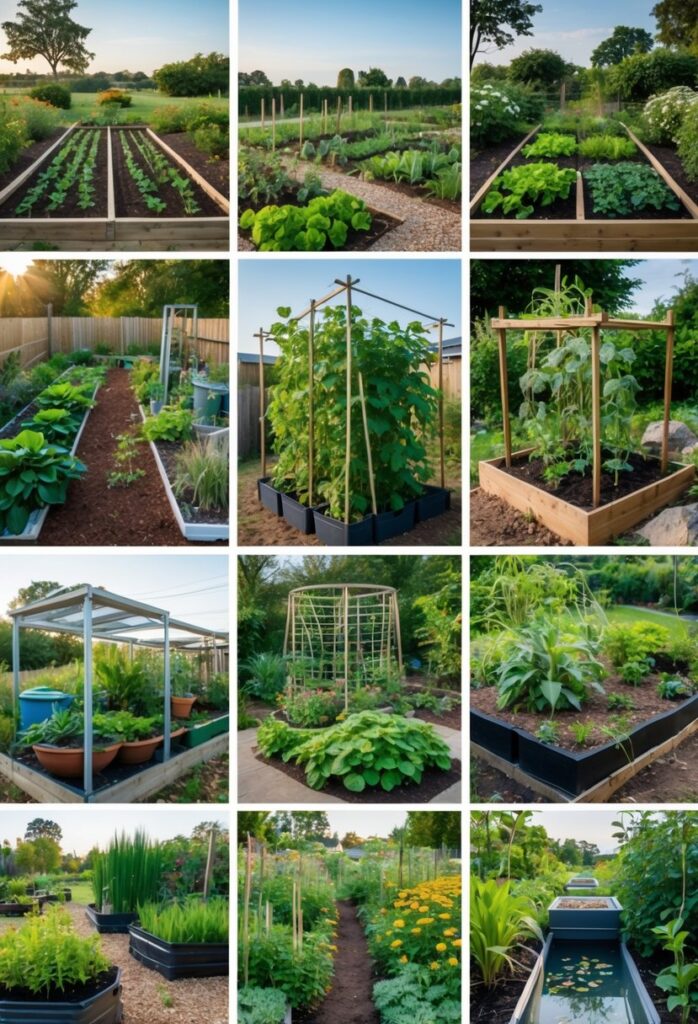
The main goal of permaculture garden ideas is to build an eco-friendly environment that conserves resources while growing food and plants efficiently. This approach helps gardeners design spaces that are both practical and low-maintenance.
1) Create a food forest with layered planting including trees, shrubs, and groundcovers
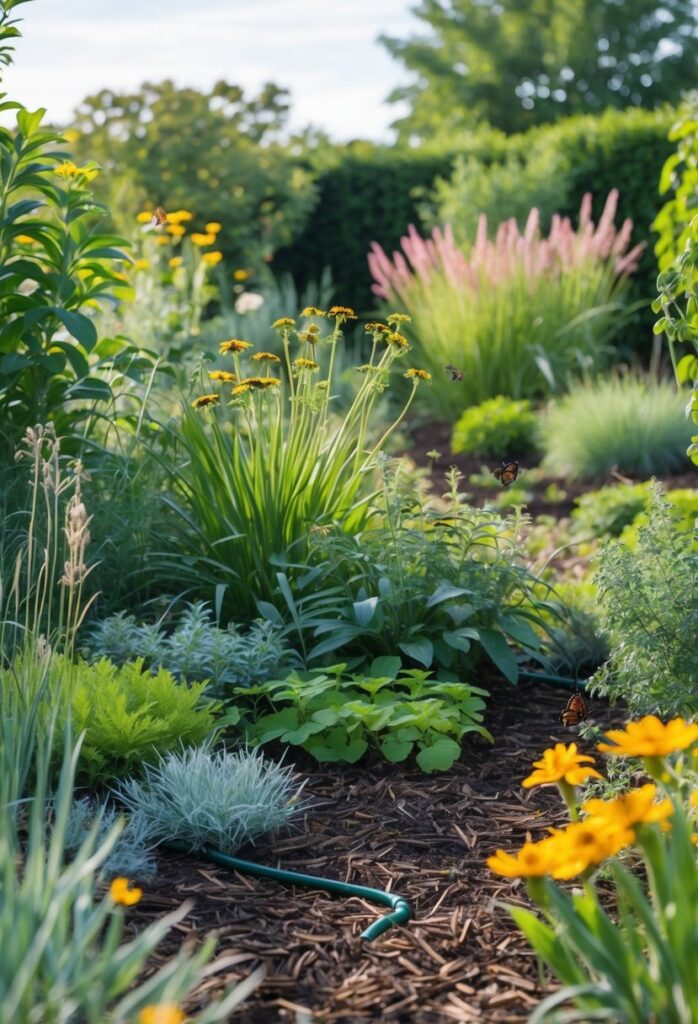
A food forest uses multiple layers of plants to mimic a natural forest. Taller trees form the canopy, providing shade. Beneath them, smaller trees and shrubs create an understory. Groundcovers and vines fill the lower layers.
Each layer has a role in supporting the ecosystem. This layered planting improves soil health and reduces the need for work. It creates a balanced, low-maintenance garden that produces food all year. Learn more about this method at how to layer a food forest and what to plant in each.
2) Build a herb spiral to maximize vertical space and improve microclimates
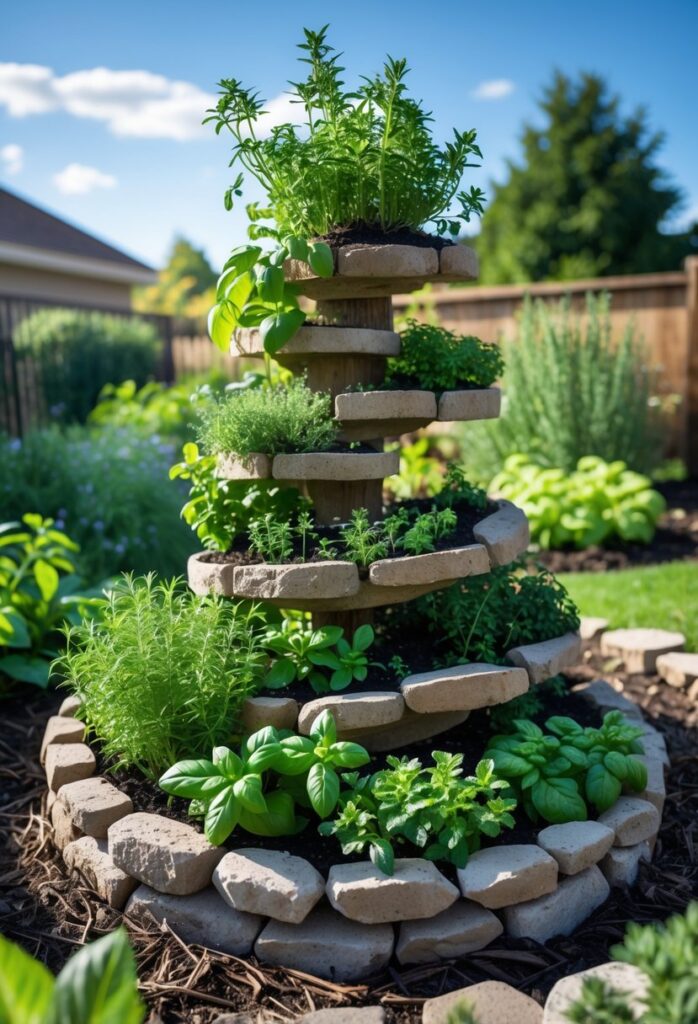
A herb spiral uses vertical space to grow many herbs in a small area. Its spiral shape creates different microclimates, allowing plants with various water and sunlight needs to thrive.
The top of the spiral stays drier and gets more sun, perfect for herbs like rosemary. Lower areas hold more moisture, good for plants like mint.
This design also helps with natural drainage and makes harvesting easier. It is an efficient way to increase yield without taking up much ground space. Learn more about building one at The Spruce.
3) Install raised beds for improved soil drainage and ease of access
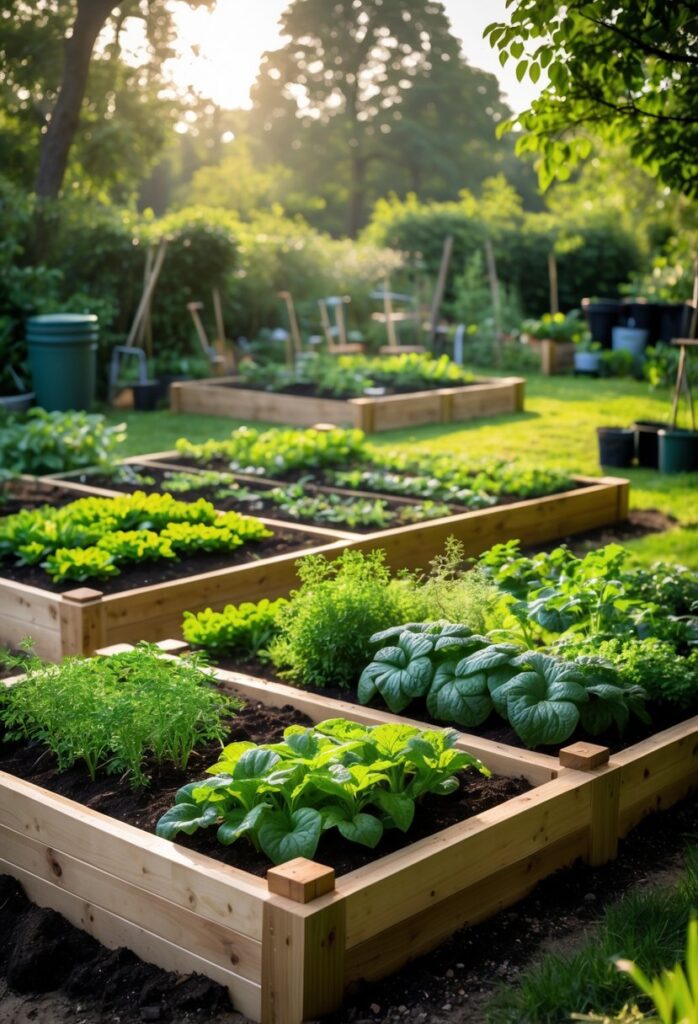
Raised beds help improve soil drainage, preventing water from pooling around plant roots. This reduces the risk of root rot and promotes healthier growth.
They also make gardening easier by reducing the need to bend or kneel, which is helpful for people with limited mobility. Well-built raised beds can boost garden productivity by creating a better environment for plants.
For guidance on building durable and efficient raised beds, this step-by-step guide offers practical advice.
4) Implement swales for effective rainwater harvesting and erosion control
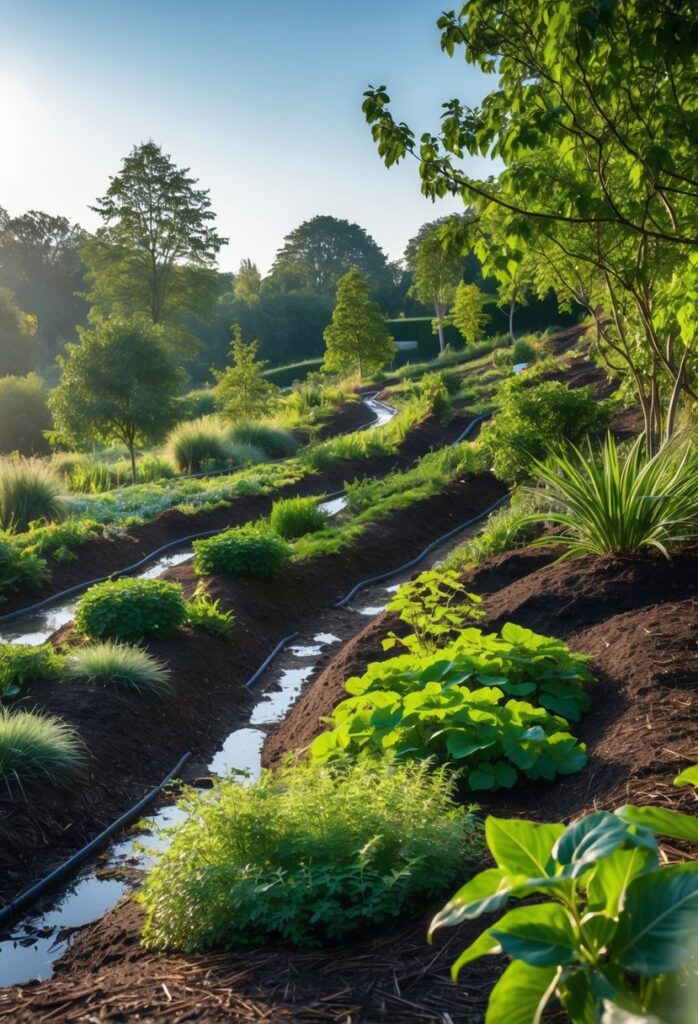
Swales are shallow, contour ditches that capture rainwater and help it soak into the soil. They slow down water runoff, which reduces erosion on slopes.
By holding water, swales recharge groundwater supplies and keep the soil moist longer. This supports healthy plant growth and lowers the need for extra irrigation.
Swales are a simple but powerful way to manage water sustainably. Installing them properly requires careful design on contour lines to work well in a garden or farm setting. Learn more about how to use swales for water conservation in permaculture.
5) Compost kitchen and garden waste onsite to enrich soil naturally
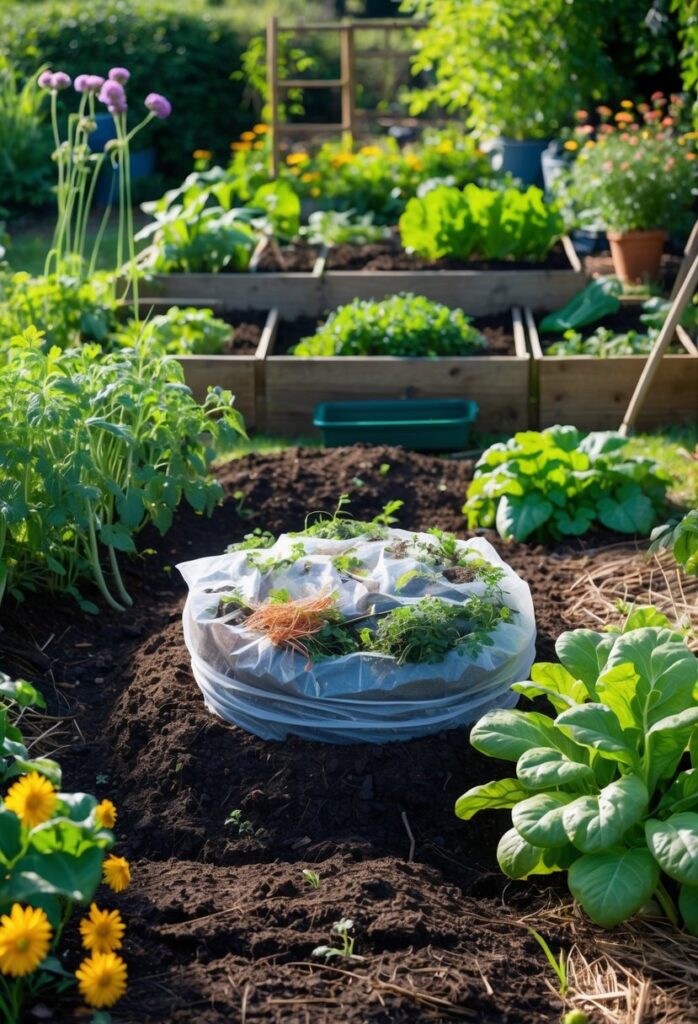
Composting turns kitchen scraps and garden waste into nutrient-rich material. This process improves soil structure and promotes healthy plant growth.
It reduces the need for chemical fertilizers and cuts down on waste sent to landfills. Balancing green materials like vegetable peels with brown materials like dry leaves helps maintain a healthy compost pile.
Using onsite compost lets gardeners recycle nutrients directly back into their soil. This creates a sustainable and eco-friendly way to nourish plants. Learn more about successful composting methods at Colorado State University’s guide on making compost.
6) Use companion planting to enhance pest control and plant health
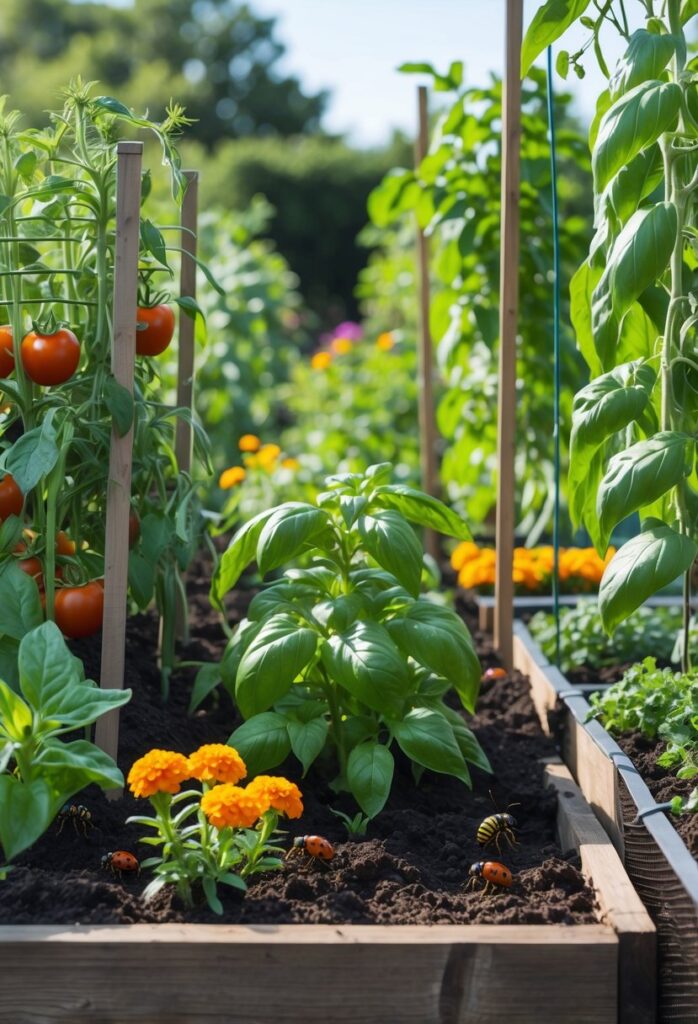
Companion planting involves growing different plants close to each other to help control pests naturally. It can reduce the need for chemicals by attracting beneficial insects that eat harmful pests.
This method also improves plant health by boosting growth and enriching the soil. Gardeners can create balanced ecosystems that support stronger crops.
For more on how companion planting improves pest control and growth, see companion planting strategies for pest control and yield increase.
7) Incorporate native plants to support local biodiversity and reduce water use
Native plants are adapted to the local climate and soil, so they need less water and care. This makes them a smart choice for conserving water in a garden.
They also provide habitat and food for local wildlife like birds, bees, and butterflies. This helps increase biodiversity in the area.
Using native plants can cut water use by up to 70% compared to non-native gardens. This supports healthier ecosystems and reduces pollution. Learn more about the benefits of native plants for water conservation and biodiversity. https://plantwild.com/native-plants/native-plants-for-biodiversity-and-helps-ecosystems/
8) Set up a greywater recycling system for sustainable irrigation
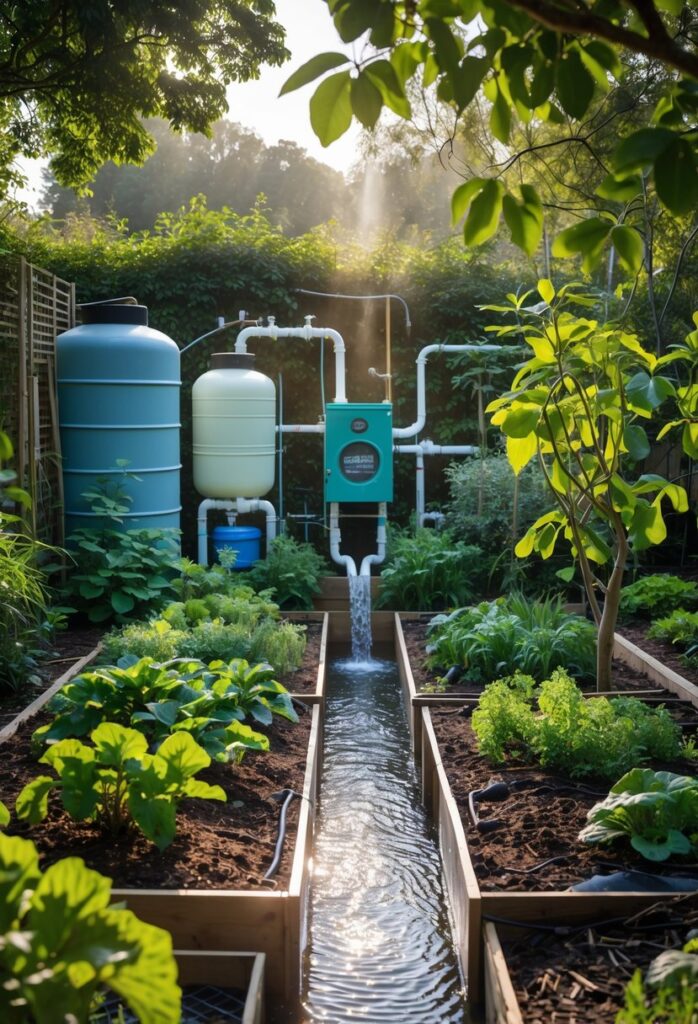
Greywater systems reuse water from sinks, showers, and laundry to water gardens. This reduces freshwater use and lowers water bills.
Installing a simple greywater system can be done with basic materials at home. Proper care is needed to avoid health risks and keep plants healthy.
This method supports water conservation and fits well with permaculture principles. Learn more about how to build a greywater system for your garden to save water and support sustainability.
For detailed steps, visit 11 Ways to Build a Greywater System That Slashes Water Bills.
9) Design a multifunctional zone layout to optimize garden maintenance
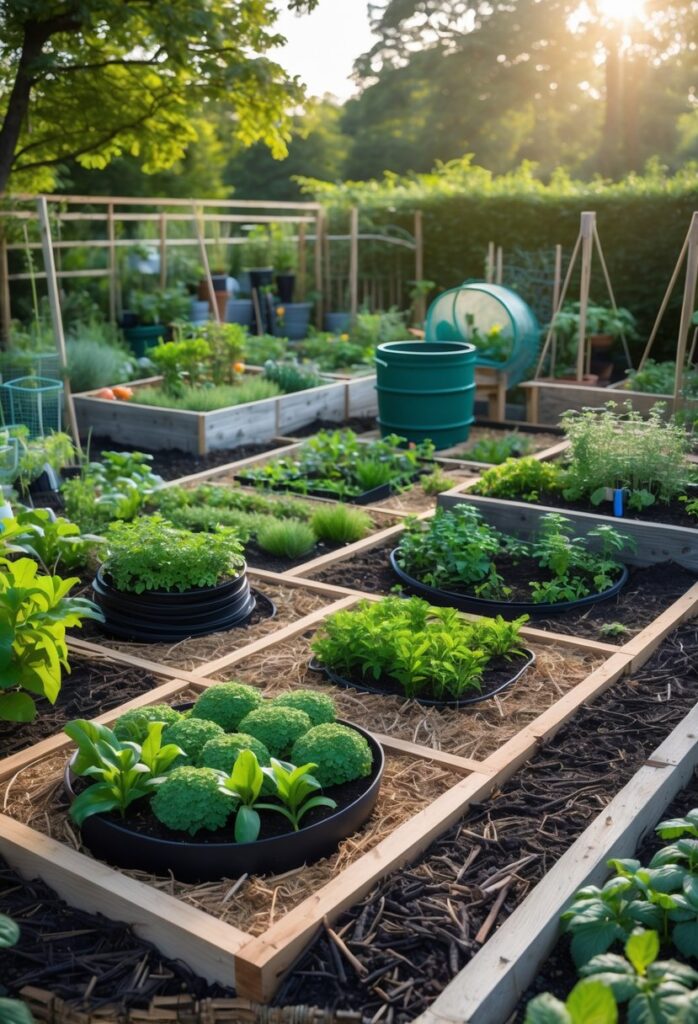
A multifunctional zone layout groups plants and tasks based on how often they need care. This reduces travel time and effort. For example, high-maintenance herbs and vegetables stay close to the house.
Zones farther from the center can include plants that require less attention. This makes the garden easier to manage. Using zones also helps save resources like water and energy.
This approach creates an efficient, low-maintenance system that supports sustainable gardening. It is a key principle in permaculture garden design focused on practical use of space. Learn more about zones here.
Principles Of Permaculture Design
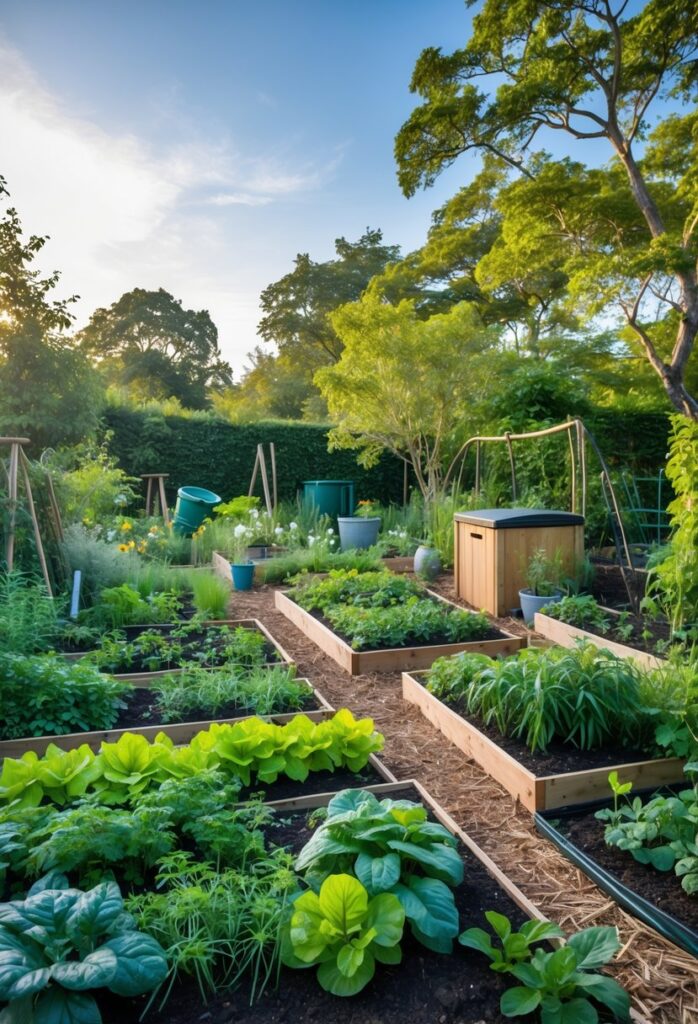
Effective permaculture gardens rely on several core ideas that shape how they function and thrive. These ideas focus on creating systems that work with nature, support growth, and reduce waste. Understanding these basics helps gardeners build spaces that are both productive and easy to maintain.
Key Elements for a Functional Garden
A functional permaculture garden is built around soil health, water management, and plant selection. Healthy soil supports strong plant roots and stores nutrients. Gardeners improve soil quality by adding organic matter like compost and mulch. Water is captured and conserved through techniques such as swales, rainwater harvesting, and drip irrigation.
Plant choice matters. Using native and perennial plants reduces the need for extra care and helps the garden adapt to local conditions. Plants are arranged to provide shade, improve soil, and protect from wind. Grouping plants by water and sunlight needs ensures efficient resource use. This thoughtful design leads to a balanced, resilient garden system.
Integrating Sustainability and Biodiversity
Sustainability in permaculture means designing gardens that maintain themselves over time. This is done by mimicking natural ecosystems where waste from one part becomes a resource for another. Incorporating a variety of plants attracts beneficial insects, pollinators, and animal species, which help control pests and improve soil.
Diversity also includes using polycultures, where multiple species grow in the same space. This reduces disease risk and increases productivity. Crop rotation and companion planting are common practices that support biodiversity and soil health. By working with nature’s patterns, permaculture gardens become more stable and less dependent on external inputs.
For more on these principles, see the full guide on permaculture design principles.
Troubleshooting Common Permaculture Challenges
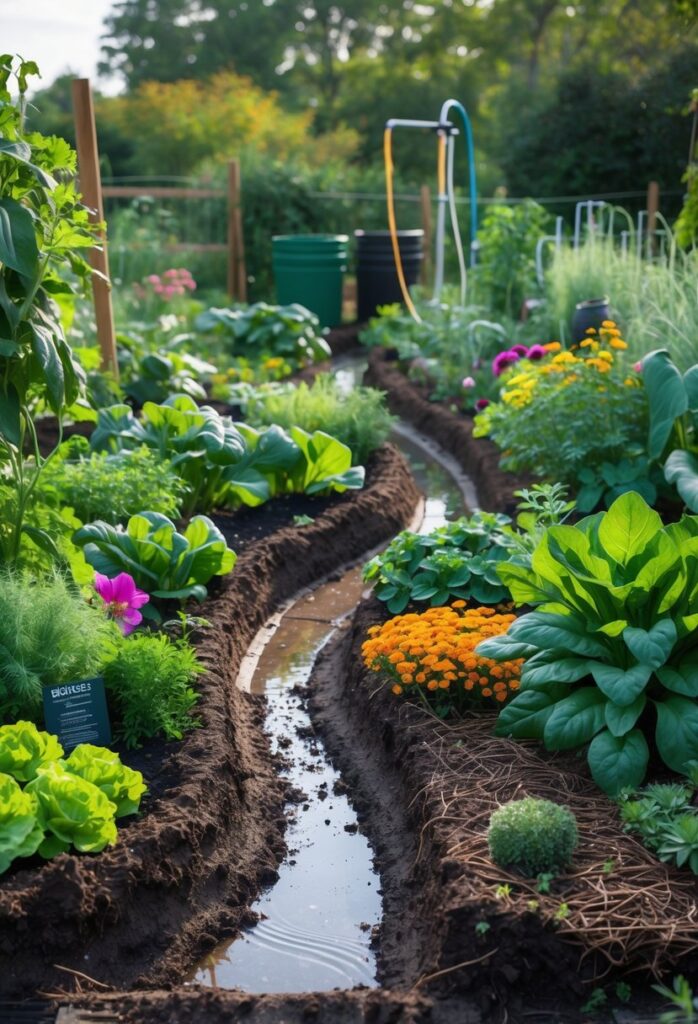
Permaculture gardeners often face problems with soil quality and water use. Fixing these helps plants grow strong and reduces waste. Effective soil management and smart watering techniques can improve garden health and productivity.
Addressing Soil Health Issues
Soil health is critical in permaculture. Poor soil can limit plant growth and reduce nutrient availability. Gardeners should test soil regularly to check pH and nutrient levels.
Adding organic matter like compost or mulch improves soil texture and boosts beneficial microbes. Crop rotation and planting cover crops can prevent soil depletion and erosion. Avoid using chemical fertilizers that harm soil life.
If soil is compacted, loosening it with simple tools or adding sand can improve drainage. Paying attention to soil structure and biology allows plants to thrive naturally and supports a resilient ecosystem.
Managing Water Efficiently
Water management is essential to avoid overwatering or water waste. Permaculture uses techniques like mulching and rainwater harvesting to keep soil moist longer and reduce irrigation needs.
Swales or shallow trenches catch runoff and direct water to plant roots. Drip irrigation provides water directly at the base of plants, limiting evaporation.
Choosing drought-resistant plants helps in dry periods. Monitoring soil moisture regularly ensures plants get enough water without excess. Managing water carefully saves this resource and keeps the garden sustainable.
For more detailed water and soil strategies, see common challenges in permaculture gardening.