7 Mulch Landscaping Ideas for Enhancing Garden Health and Aesthetics
Mulch is a simple yet effective way to improve the look and health of any garden or yard. It helps protect plants, control weeds, and retain moisture in the soil. Many gardeners use mulch, but there are creative ways to use it that go beyond basic coverage.
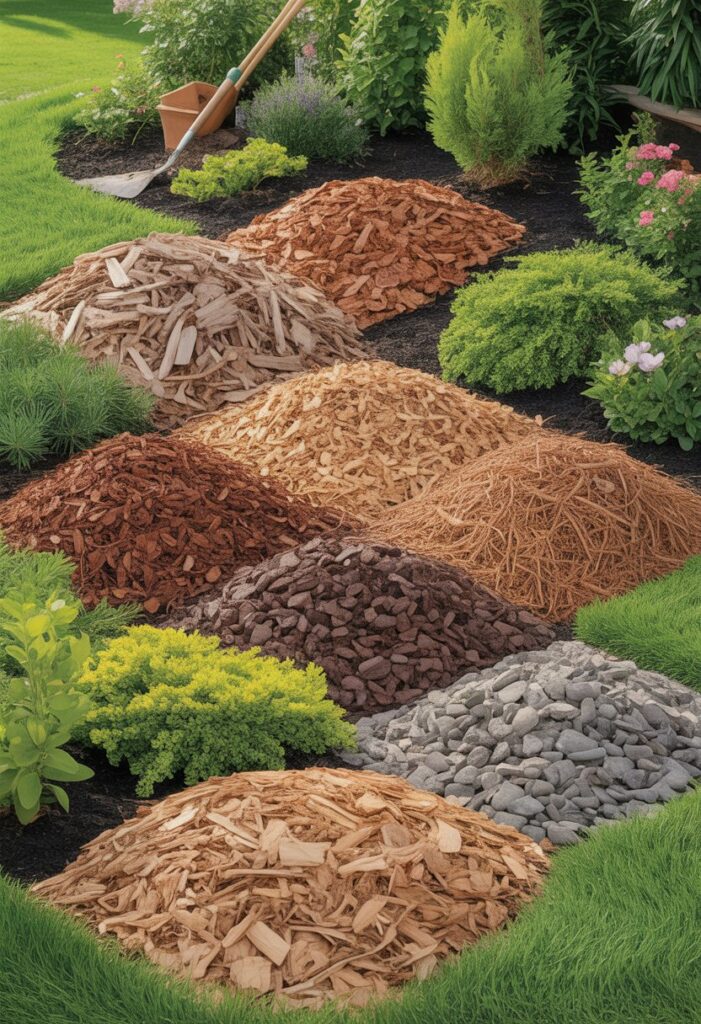
These 7 mulch landscaping ideas show how mulch can add both function and style to outdoor spaces. By choosing the right materials and arranging them thoughtfully, landscapes can become more attractive and easier to maintain. This approach suits a wide range of garden styles and needs.
1) Colored wood chips for vibrant garden beds
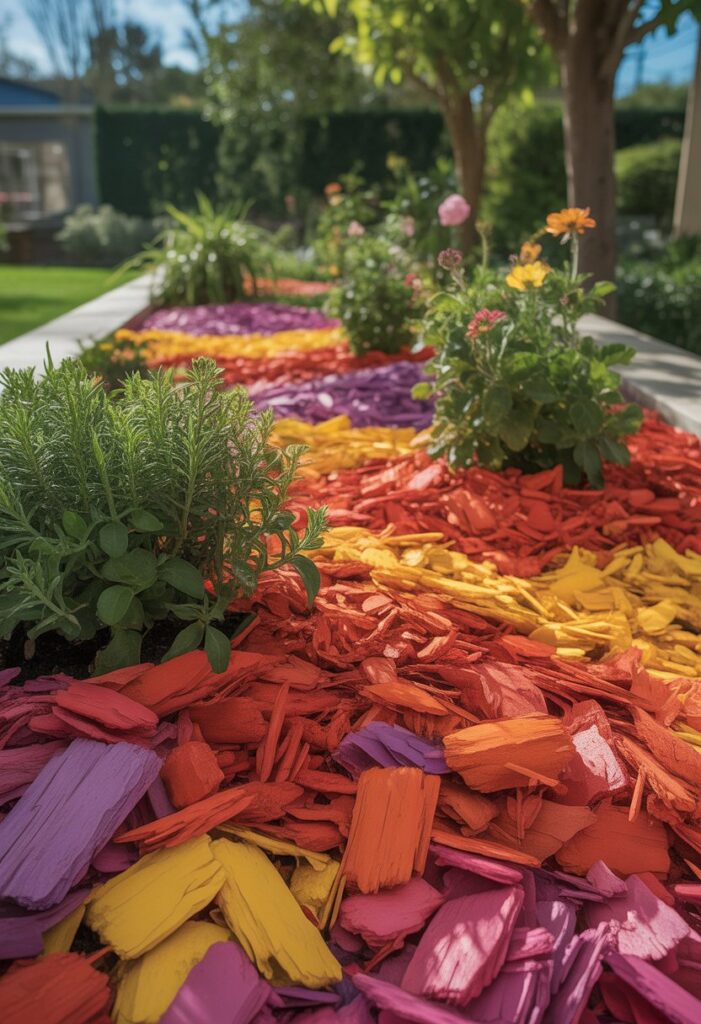
Colored wood chips add a bright, attractive look to garden beds. They come in shades like red, black, and brown, which help create eye-catching contrasts.
These chips also help keep soil moist and reduce weeds. Using natural, untreated colored chips ensures the garden stays healthy while looking neat.
Gardeners often choose them to highlight plants or define spaces. For ideas on colors and uses, see colored chips for landscaping and garden beds.
2) Recycled rubber mulch for playground safety
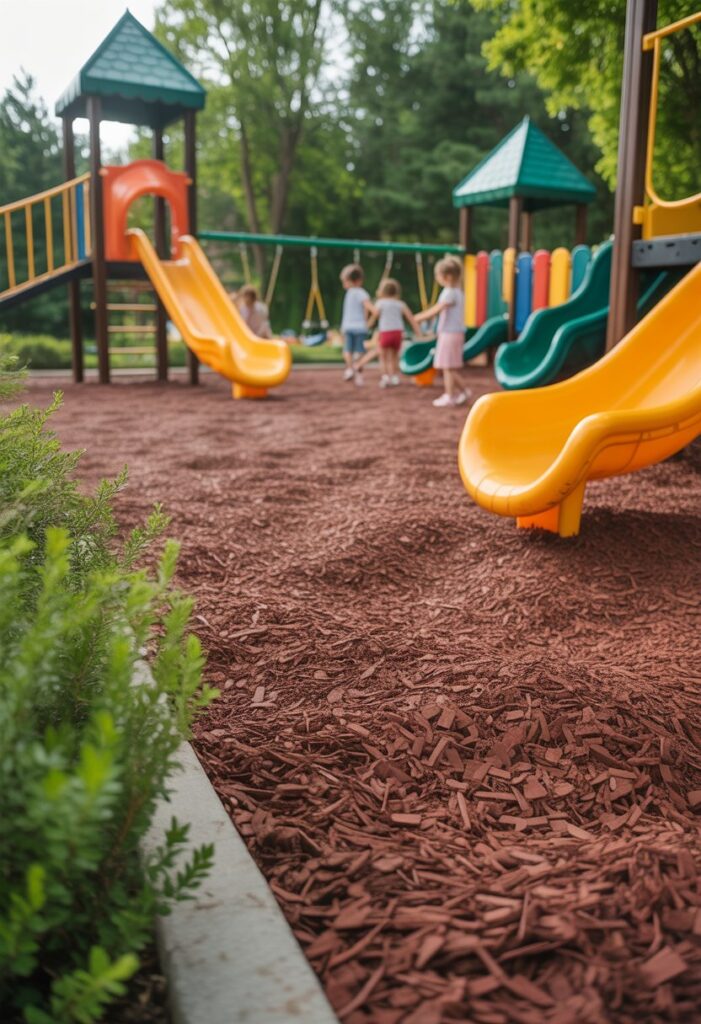
Recycled rubber mulch is a durable and soft option for playground surfaces. It cushions falls better than wood chips or sand, helping reduce injuries.
Made from recycled tires, it resists compaction and lasts much longer. It also requires less maintenance, making it cost-effective over time.
This mulch comes in various colors to fit different playground designs. Its eco-friendly nature supports sustainability while keeping play areas safe. Learn more about recycled rubber mulch for playgrounds.
3) Natural bark mulch to improve soil health
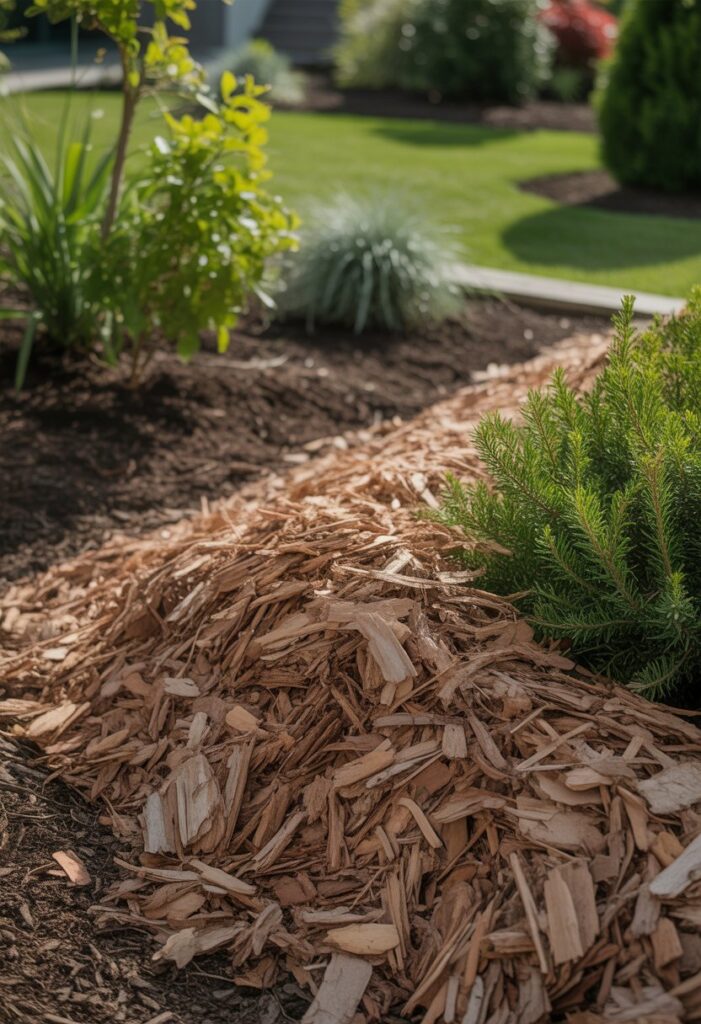
Natural bark mulch helps retain soil moisture by reducing evaporation. It also slows weed growth, making garden care easier.
As bark breaks down, it adds organic matter to the soil. This improves soil structure and supports beneficial microbes.
Different types of bark, like pine or cedar, suit various plants and garden styles. Bark mulch also gives a neat, finished look to landscaping.
Learn more about bark mulch benefits and uses at Fox Landscape Supply.
4) Decorative stone mulch for a modern look
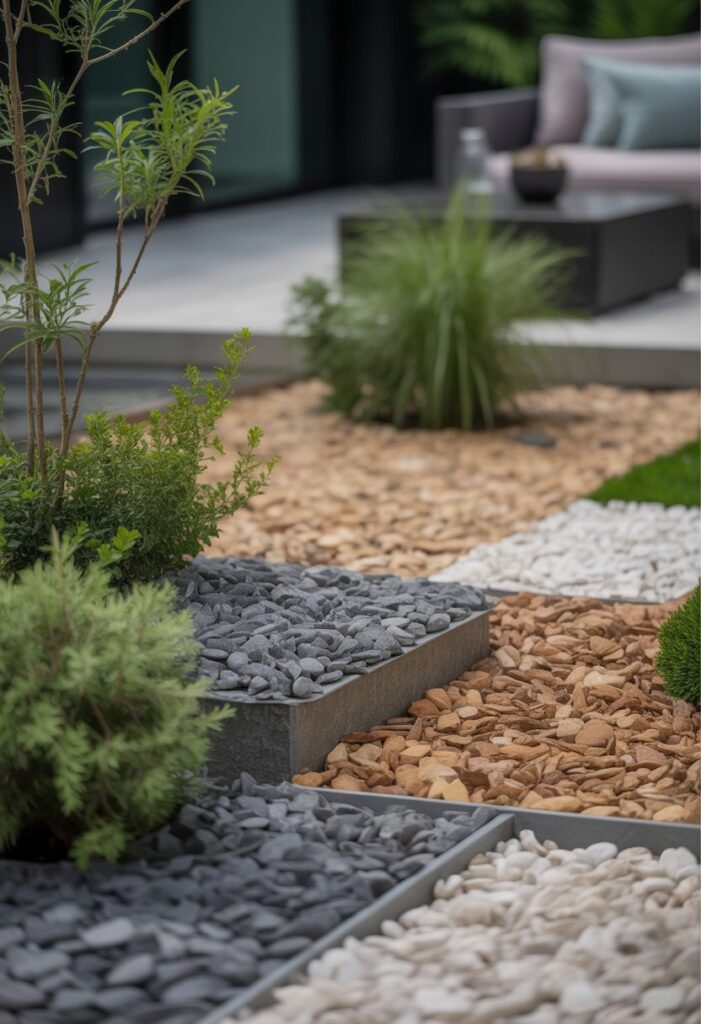
Decorative stone mulch adds a clean, sharp appearance to any garden. It works well with minimalist designs and enhances the modern appeal of outdoor spaces.
Using light-colored stones alongside dark mulch creates a striking contrast. This contrast highlights plants and defines garden areas clearly.
Stone mulch also requires little maintenance. It stays neat longer than organic options, making it practical for busy gardeners. For ideas, see decorative stone mulch landscaping options.
5) Compost mulch to enrich plant growth
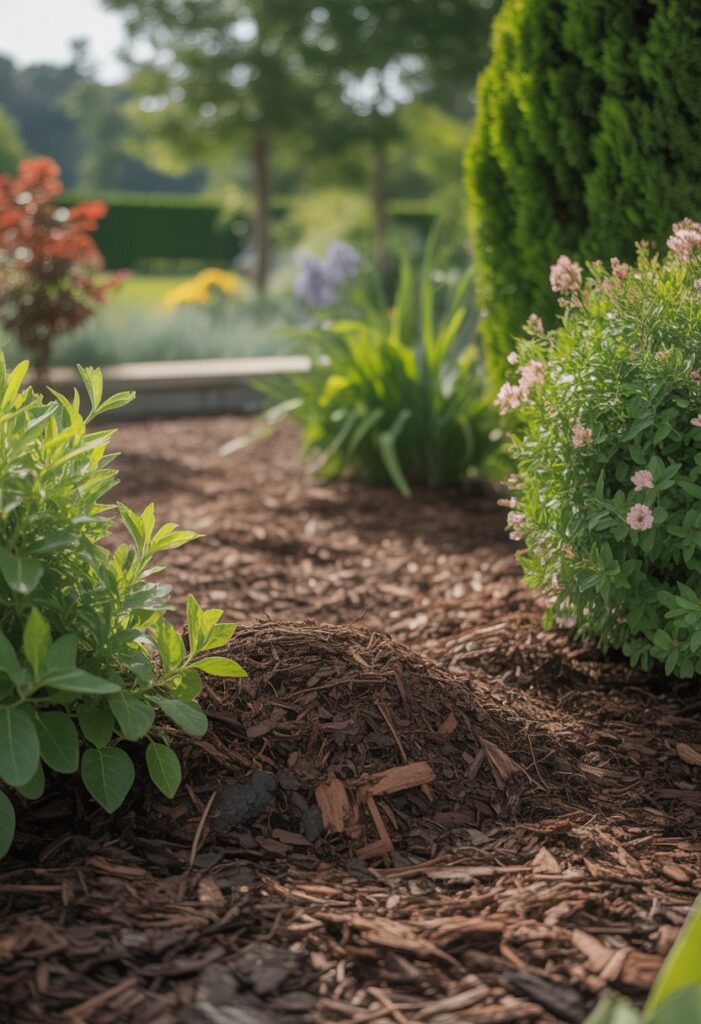
Compost mulch slowly breaks down, adding nutrients to the soil. This helps improve soil structure and supports healthy plant roots.
It also acts as a natural insulator, protecting plants from extreme temperatures. By retaining moisture, compost mulch reduces the need for frequent watering.
Using compost mulch supports a low-maintenance garden while encouraging stronger plant growth. For more ideas on natural mulches, see 15 garden mulch options to improve your soil.
6) Cocoa hull mulch for pleasant aroma and moisture retention
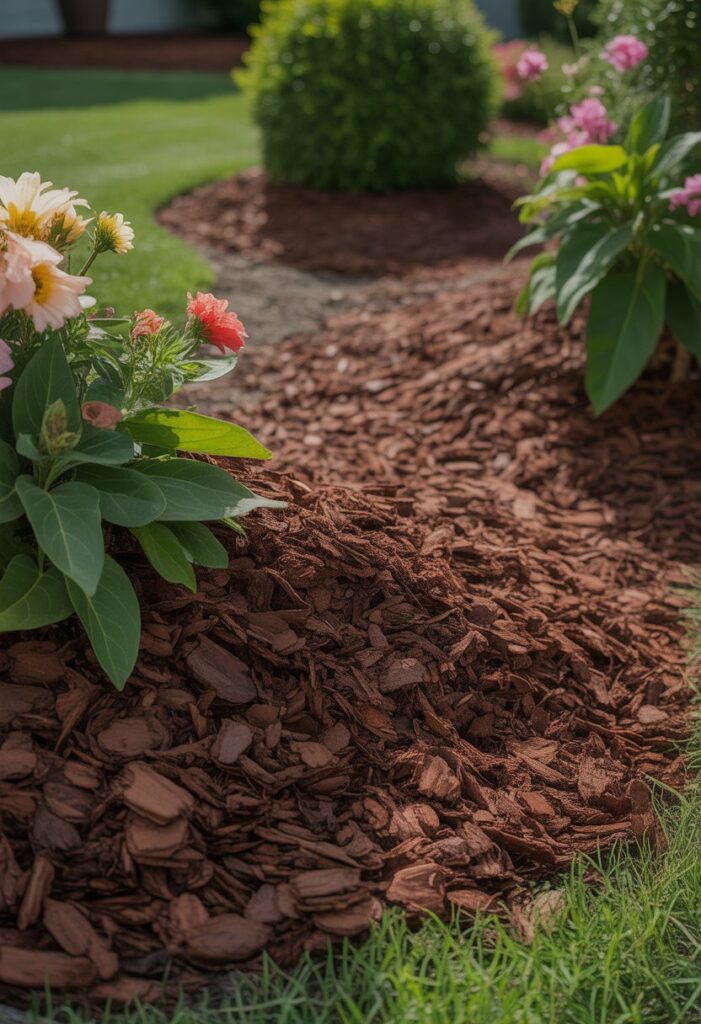
Cocoa hull mulch comes from the outer shells of cocoa beans. It has a natural, sweet smell that many gardeners find pleasing.
This mulch helps retain soil moisture, reducing how often plants need watering. It also adds nutrients like nitrogen to improve soil health.
When spread evenly in a 2-inch layer, it suppresses weeds and insulates plant roots during colder months. Learn more about cocoa hull mulch benefits at Menards® and The Hull Farm.
7) Pine straw mulch for acidic soil plants
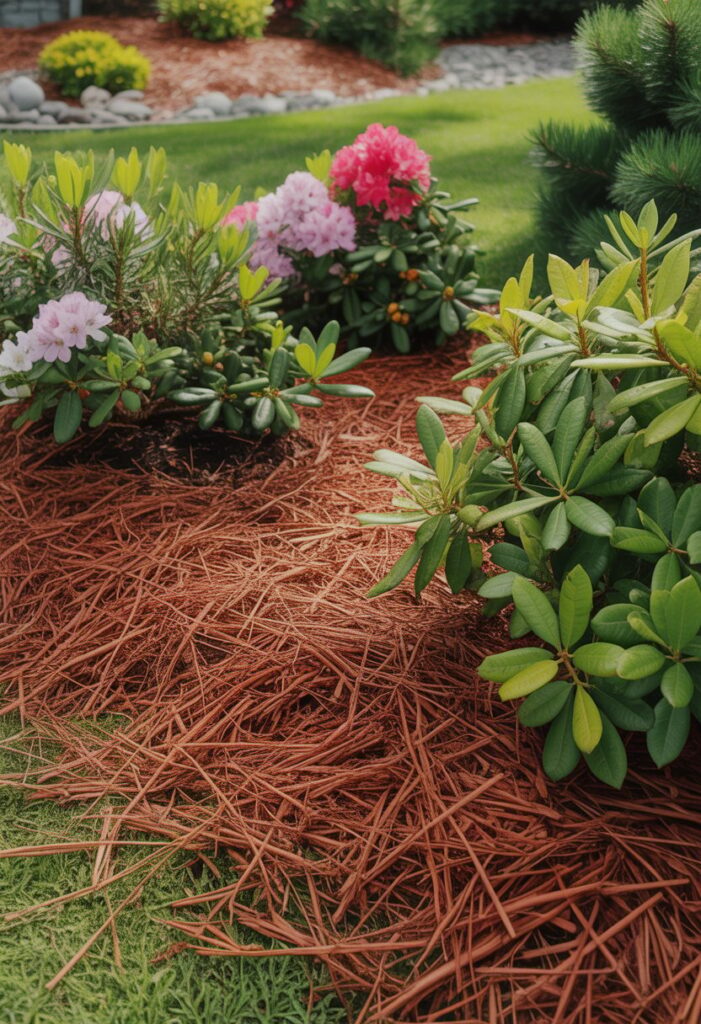
Pine straw mulch is a popular choice for plants that prefer acidic soil. It helps retain moisture and keeps soil temperatures steady.
This mulch also breaks down slowly, adding organic matter that supports healthy roots. Pine straw does not create a hard crust, allowing water to soak in easily.
It works well with azaleas, blueberries, and rhododendrons, helping to maintain the acidic environment these plants need to thrive. Using pine straw is a simple, natural way to support acid-loving plants in the garden.
Learn more about using pine needle mulch for acid-loving plants at this guide on how to use pine needle litter in acid-loving plant beds.
Benefits of Mulch in Landscaping
Mulch improves the soil’s condition and helps control the garden’s environment. It supports plant growth by protecting roots and maintaining ideal moisture and temperature levels.
Soil Health and Moisture Retention
Mulch acts as a barrier between the soil and the air. This helps keep the soil moist longer by reducing evaporation. Plants get a steady supply of water, which helps them grow well, especially during dry periods.
Decomposing organic mulch adds nutrients to the soil. This improves soil structure, making it easier for roots to spread and absorb water. It also supports beneficial organisms, like earthworms, which help keep the soil healthy.
Using mulch reduces soil erosion during rain by slowing down water runoff. It also prevents the soil from becoming hard and compacted, which can block water and air needed by plants.
Weed Suppression and Temperature Regulation
Mulch helps block sunlight from reaching weed seeds, stopping many from growing. This lowers the need for chemical weed killers and reduces garden maintenance.
Mulch keeps soil temperature steady by insulating the ground. During hot weather, it cools the roots; in cold weather, it keeps them warm. This protection supports plant health all year round.
By lowering soil temperature swings, mulch reduces stress on plants. This helps them survive droughts, frost, and heat waves better than plants without mulch.
For more ways mulch benefits your garden, explore 7 Benefits of Adding Mulch Around Your Plants.
Mulch Selection and Application Tips
Selecting the right mulch type and applying it properly can boost plant health and keep the garden neat. Paying attention to the material and coverage depth helps maintain soil moisture and control weeds effectively while avoiding common problems like rotting or pest issues.
Choosing the Right Type of Mulch
Mulch comes in two main categories: organic and inorganic. Organic mulches, such as wood chips, bark, pine needles, and shredded leaves, improve soil health by breaking down and adding nutrients. They are best for flower beds and vegetable gardens but need replenishing every year or two.
Inorganic mulches like gravel, rubber, or landscape fabric last longer and don’t decompose. They work well in areas where low maintenance is preferred, such as driveways or paths.
Color and texture also matter. Dark-colored mulches, like black or brown wood chips, absorb heat and help warm soil in cooler climates. Light-colored or natural mulches can prevent overheating in hot areas. Choosing the right mulch depends on climate, plant type, and aesthetic goals.
Best Practices for Even Coverage
Mulch should be spread evenly with a depth of about 2 to 4 inches. Too little mulch won’t suppress weeds well, while too much can suffocate roots and lead to water pooling.
Start by preparing the bed—remove weeds and water the soil. Apply mulch around plants but keep it a few inches away from stems or trunks to prevent rot and pests.
Regularly check mulch thickness and replenish as needed, especially after heavy rains or wind. Using a rake helps level the mulch and create a uniform look. Proper coverage ensures moisture retention and weed control without harming plants.
For detailed tips on mulch types and application, visit 7 mulch landscaping ideas for garden health.