
14 Mosquito Repellent Plants Effective for Natural Pest Control
Many people look for natural ways to keep mosquitoes away from their homes and outdoor spaces. Using plants with natural repellent properties is one effective option. These plants can help reduce mosquito presence without the need for chemicals or sprays.
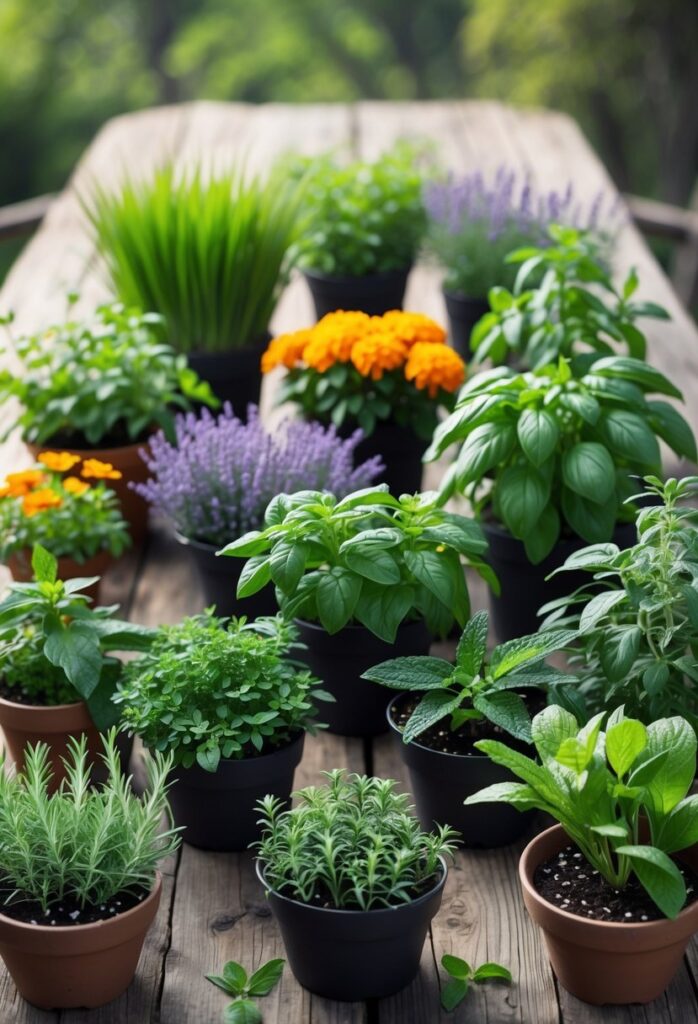
Mosquito repellent plants work by releasing scents or oils that mosquitoes find unpleasant, making outdoor areas more comfortable. Growing these plants around patios, gardens, or decks can help create a barrier against mosquitoes. This article will cover 14 plants known to repel mosquitoes naturally.
1) Citronella
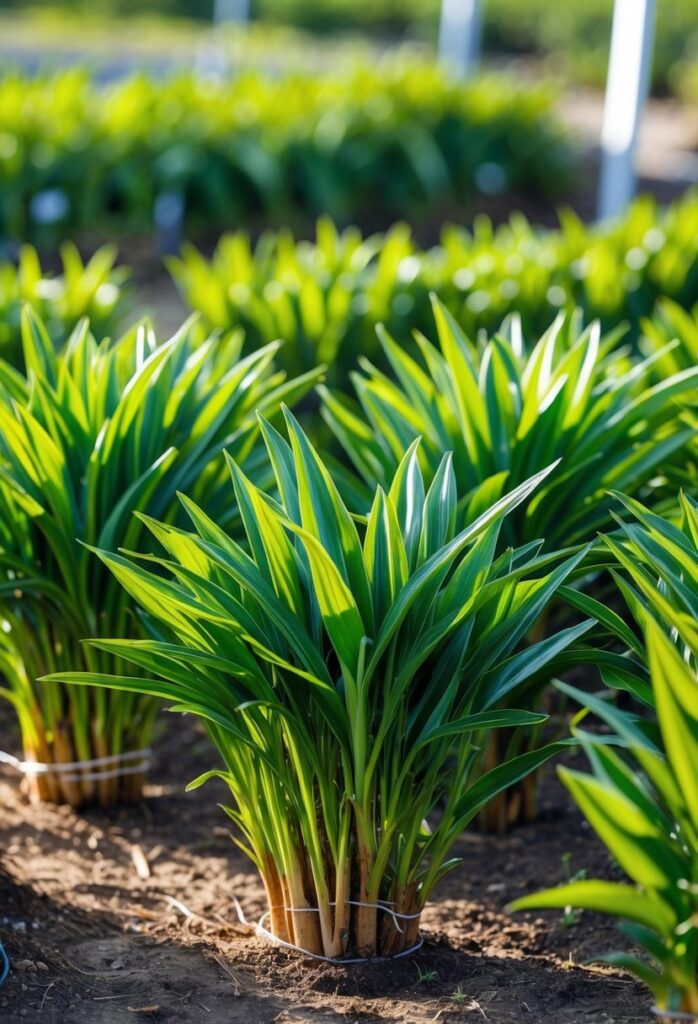
Citronella is a well-known plant often used to repel mosquitoes. It belongs to the Cymbopogon genus and is native to tropical Asia. The plant produces oils that can help keep mosquitoes away but only when the oil is extracted and used in sprays or candles.
Having a citronella plant alone in a yard or garden does not guarantee mosquito protection. The plant’s natural oils need to be released, usually by crushing the leaves or processing them into products. Simply placing the plant near outdoor areas will not stop mosquitoes effectively.
Citronella oil is the key factor in repelling mosquitoes. It works by masking scents that attract these insects. Many families prefer citronella as a natural alternative to chemical repellents like DEET.
Growing citronella can still be beneficial. It is easy to grow and adds greenery to outdoor spaces. Some people also use it with other plants like lavender or basil to improve mosquito control.
For more details, see information on how citronella plants work as mosquito repellents from The Spruce.
2) Lavender
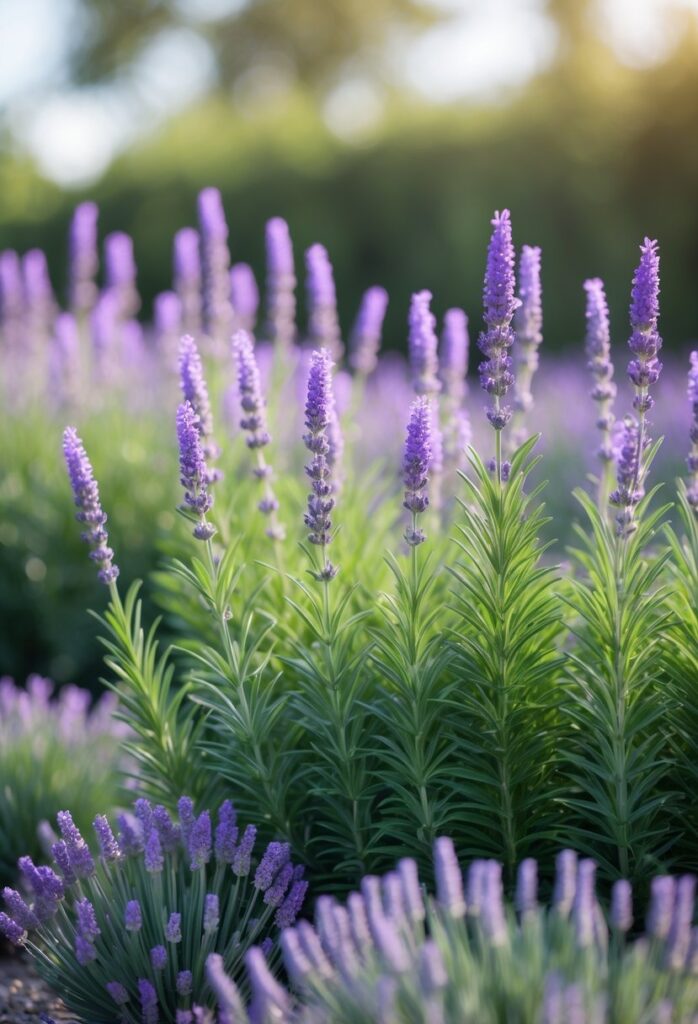
Lavender is a well-known plant that helps repel mosquitoes. It has a strong, pleasant scent that insects dislike. The smell comes from its essential oils, which are more effective when crushed or used as oil.
Planting lavender around your garden can reduce mosquito presence. For best results, several lavender plants should be placed in the area, as one plant alone is usually not enough. Lavender also adds beauty and a calming fragrance to outdoor spaces.
While the whole plant helps, lavender essential oil works better as a topical mosquito repellent. People often rub the oil on their skin to keep bugs away safely.
Lavender is a natural and non-toxic way to lower mosquito activity. It is not a perfect solution, but it can be part of an overall mosquito control plan. For more detailed information, see how lavender works as a mosquito repellent.
3) Mint
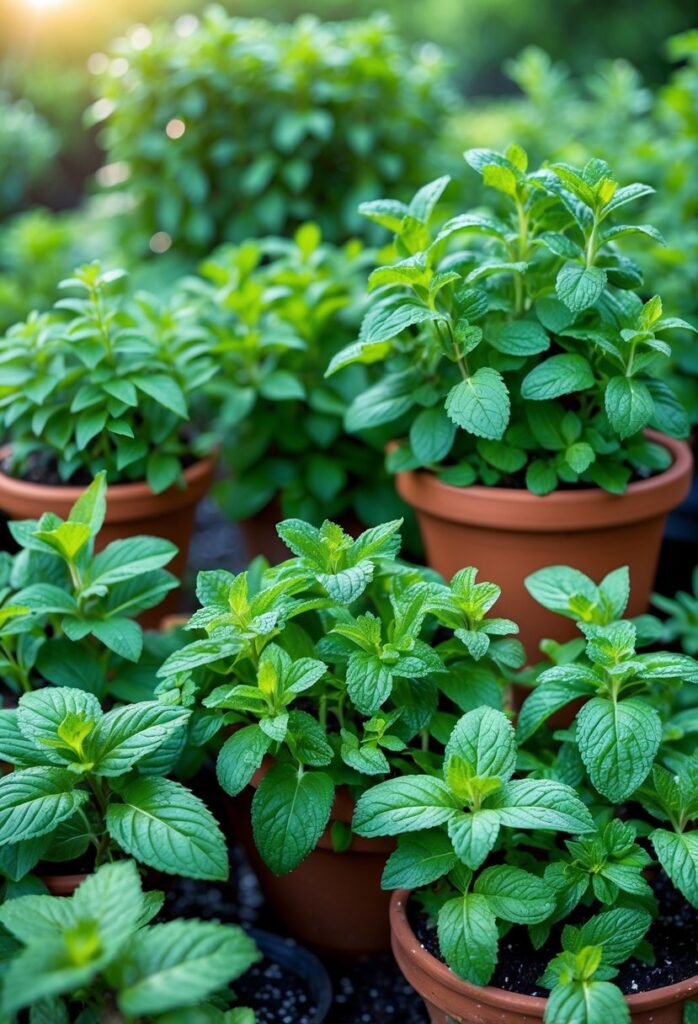
Mint is a common plant known for its ability to repel mosquitoes. Peppermint and spearmint are the most effective types because of their strong scent and high menthol content.
The oils in mint plants create a natural barrier that mosquitoes tend to avoid. These oils can reduce mosquito presence around gardens and patios by masking human odors.
Mint is easy to grow in pots or garden beds. Its rapid growth and pleasant smell make it a good choice for outdoor mosquito control.
While mint helps reduce mosquitoes, it is best used along with other plants or methods for full protection. The oils’ effect on mosquitoes typically lasts for a short time after being released.
Planting mint near outdoor seating areas is a practical way to take advantage of its repellent qualities. Mint also deters other pests such as ants and flies, adding extra benefits for gardens.
For more on mint’s mosquito-repelling effects, see 14 Plants That Naturally Keep Mosquitoes Away in the Evenings.
4) Basil
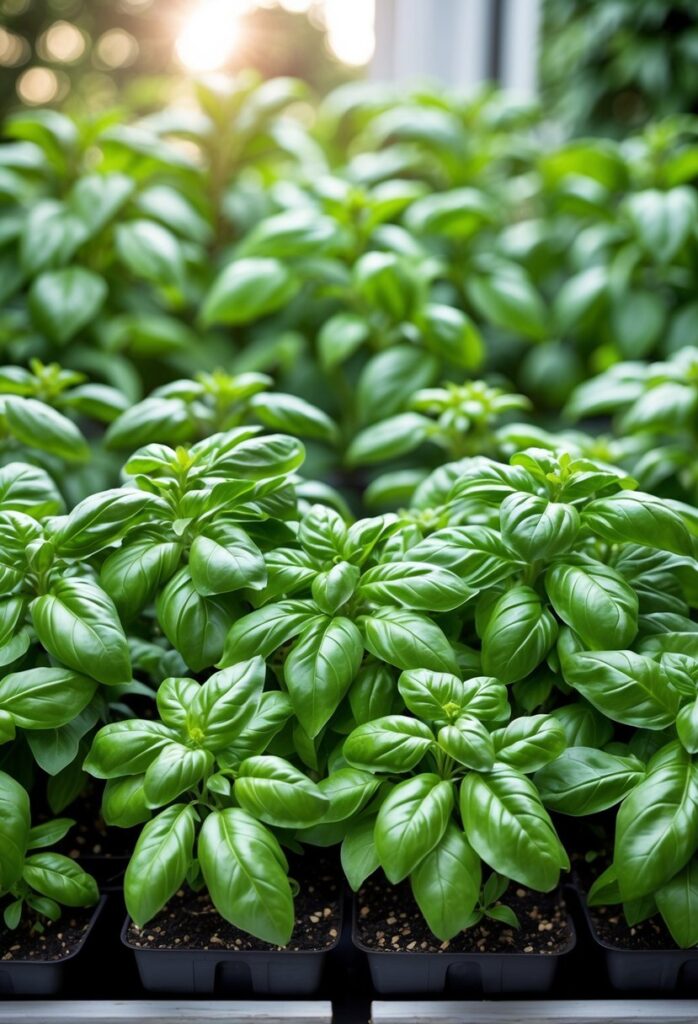
Basil is a common herb known for its scent, which can help repel mosquitoes. It contains four natural compounds: citronella, estragole, limonene, and nerolidol. These substances interfere with mosquito sensors, making it harder for them to find people.
People can grow basil in their gardens to reduce mosquitoes nearby. Planting several basil plants together increases the strength of its natural smell. This can create a small barrier that mosquitoes tend to avoid.
Basil leaves can also be used in other ways. Crushing the leaves and rubbing them on the skin may provide some protection. Another option is to make a homemade spray using basil leaves and other ingredients like water and witch hazel.
While basil does not kill mosquitoes, its smell helps keep them away. Using basil along with other repellent plants can improve the chances of reducing mosquito presence in outdoor areas. For more on how to use basil for mosquito control, see this guide on how to use basil as a mosquito repellent.
5) Marigold
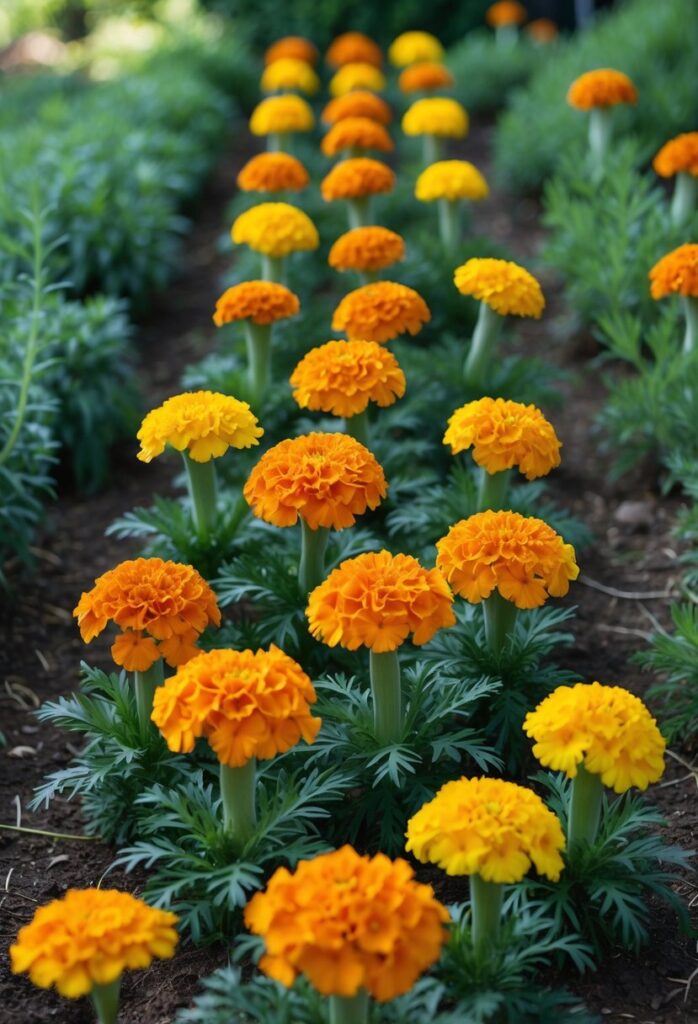
Marigolds are popular garden plants known for their bright colors and easy growth. They produce a natural compound called pyrethrum. This compound is found in many insect repellents and helps keep mosquitoes and other pests away.
The strong scent of marigolds is another factor that may deter mosquitoes. While they are not 100% effective on their own, marigolds can reduce mosquito presence when planted near outdoor seating areas.
Marigolds also attract helpful insects like bees and butterflies. This makes them a good choice for gardeners who want to control pests without using chemicals. For more details on how marigolds work as natural mosquito repellents, see this guide on marigold mosquito repellent.
6) Catnip
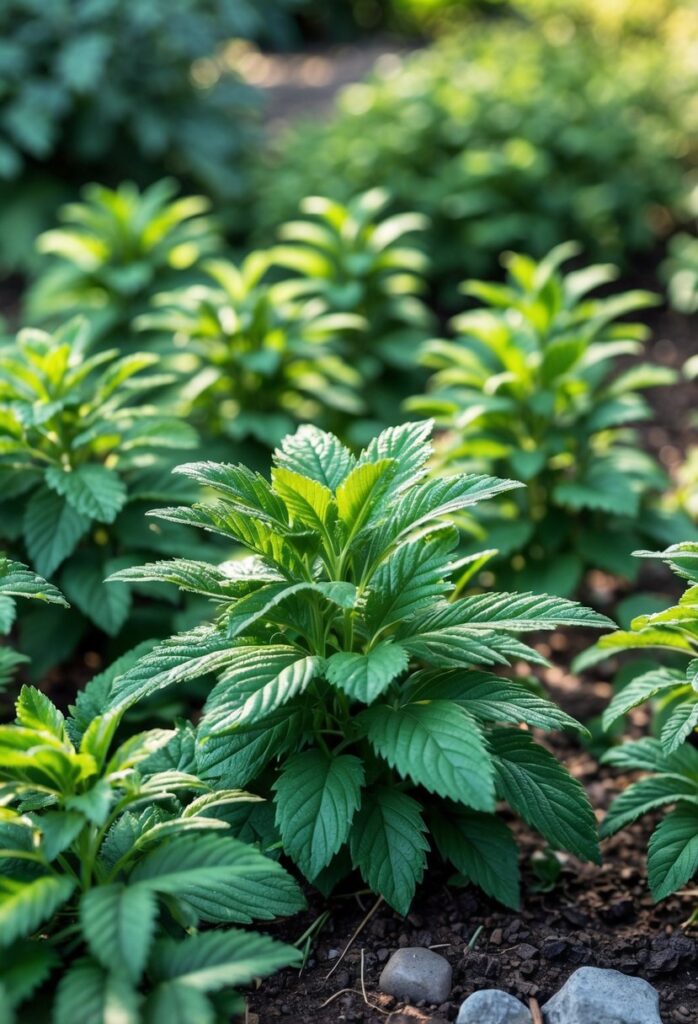
Catnip is a perennial herb that belongs to the mint family. It is best known for its effects on cats, but it also has a strong ability to repel mosquitoes.
The plant produces an essential oil called nepetalactone. This oil works as a natural insect repellent. Studies show that catnip oil can be even more effective than some synthetic chemicals like DEET at keeping mosquitoes away.
Catnip plants are easy to grow in many climates. They can thrive in well-drained soil and tolerate a range of conditions. This makes them a practical choice for gardeners looking to reduce mosquitoes naturally.
Using catnip in the garden helps create spaces with fewer mosquitoes. The plant’s scent is pleasant to people but repels insects. It can be planted near outdoor seating areas to improve comfort during warm months.
For more details on catnip’s mosquito-repelling properties and how to use the plant, see how to use catnip as a mosquito repellent.
7) Lemon Balm
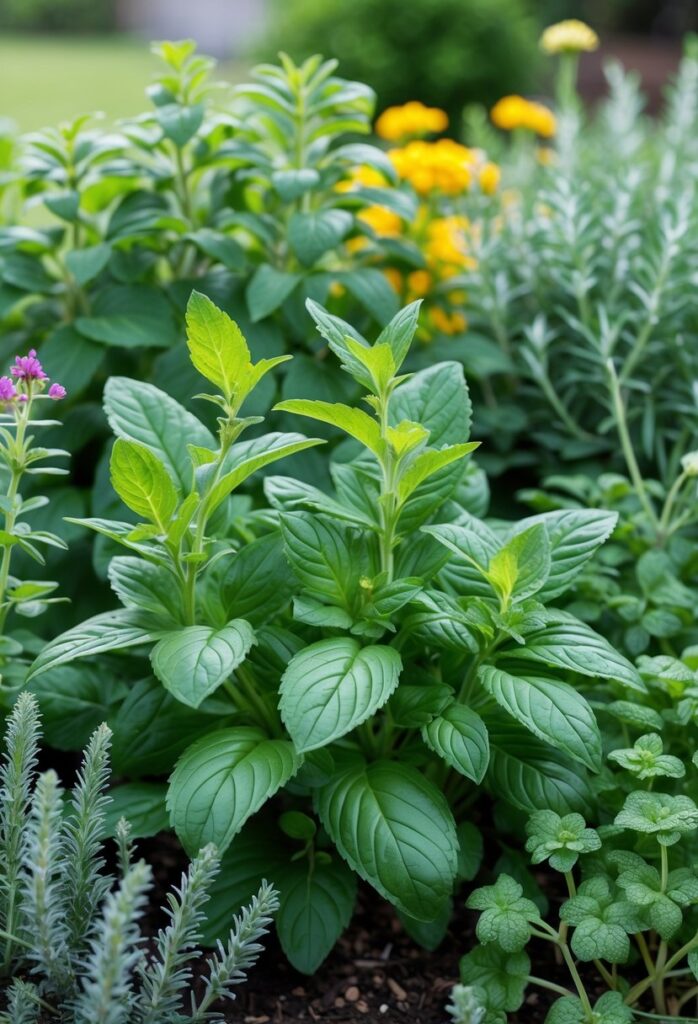
Lemon balm is a fast-growing herb in the mint family. It has a strong lemon scent that can help keep mosquitoes away. The plant is easy to grow in pots or gardens, making it a popular choice for outdoor spaces.
The leaves contain oils that mosquitoes find unpleasant. Crushing the leaves releases more of this oil. People often rub the crushed leaves on their skin for short-term mosquito protection.
Lemon balm can also be burned to create a smoke that repels mosquitoes. It is less expensive and simpler to grow than other mosquito-repelling plants like citronella.
Besides repelling mosquitoes, lemon balm leaves are used in teas to reduce anxiety and promote sleep. Regular trimming helps the plant grow well. However, it can spread easily, so some care is needed when growing it.
The herb offers a natural way to reduce mosquito bites without chemicals. It works best as part of a group of plants designed to repel mosquitoes around a yard or garden. For more details on how to use lemon balm as a mosquito repellent, see this guide on lemon balm and mosquitoes.
8) Rosemary
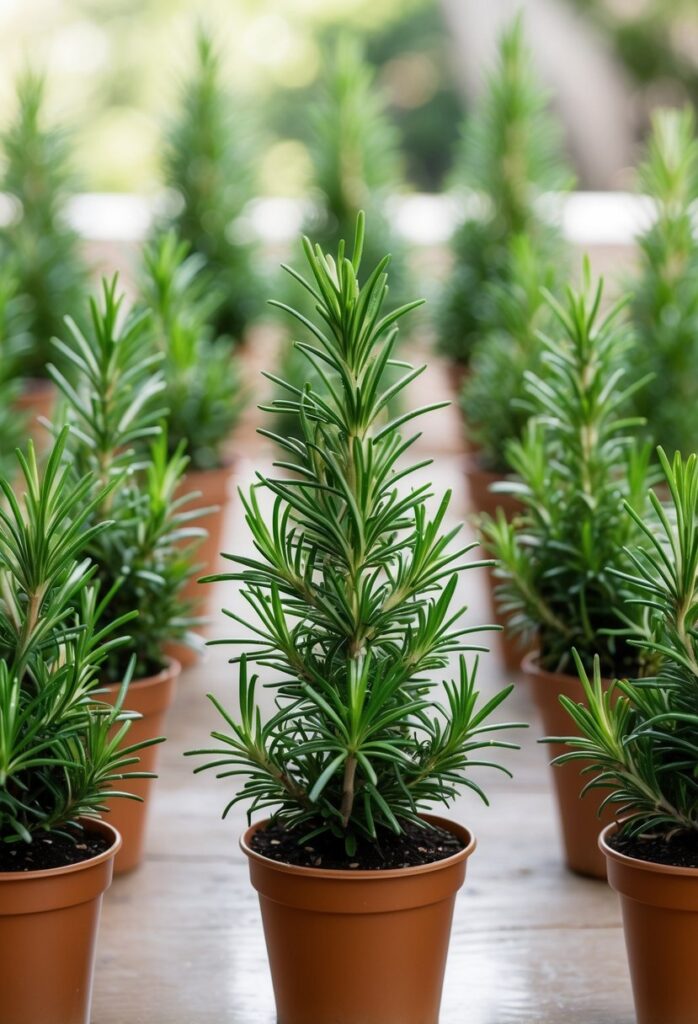
Rosemary is a common herb known for its strong, woody scent. This scent helps to repel mosquitoes and other insects, making it useful in gardens and outdoor spaces.
People can use fresh rosemary leaves or rosemary essential oil to keep mosquitoes away. Rubbing crushed rosemary on the skin or burning the herb near outdoor areas can help reduce mosquito presence.
Besides mosquitoes, rosemary also deters pests like flies, aphids, and even some small animals. It serves both as a culinary herb and a natural pest repellent.
Rosemary’s ability to repel mosquitoes is supported by several studies and expert guides. It is a safe option for those looking to avoid chemical repellents.
For more on how rosemary works to keep mosquitoes away, see the detailed guide on using rosemary as a mosquito repellent.
9) Pitcher Plant
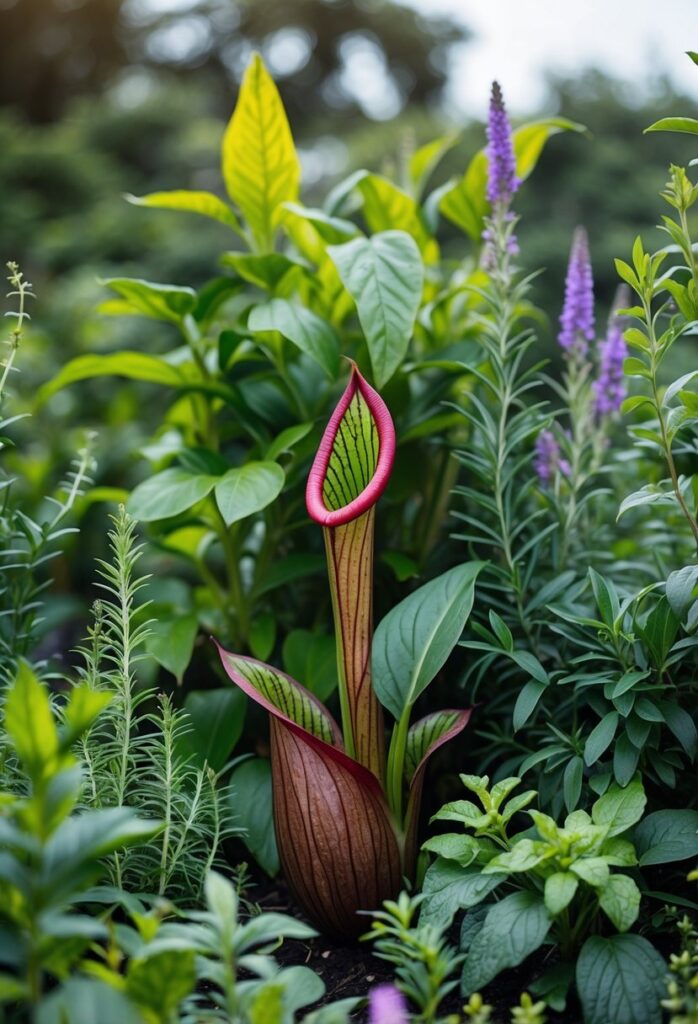
The pitcher plant is a carnivorous plant that traps insects, including mosquitoes. It lures insects with its scent and colorful pitcher-shaped leaves. When mosquitoes crawl along the edge, they fall into the trap and cannot escape.
While the plant does catch some mosquitoes, it mainly attracts male mosquitoes, which feed on plant sap. Female mosquitoes, which are the ones that bite humans, are not strongly attracted to pitcher plants.
Because of this, pitcher plants do not work well as mosquito repellents. They do not keep mosquitoes away but only catch a small number of them. Growing pitcher plants adds interest to a garden but should not be relied on for mosquito control.
Pitcher plants are tropical and need warm, humid conditions to thrive. They do best in direct sunlight and require special soil that mimics their natural bog environment.
More details about how pitcher plants interact with mosquitoes are available at blog.entomologist.net and carnivorousplantsguide.com.
10) American Beautyberry
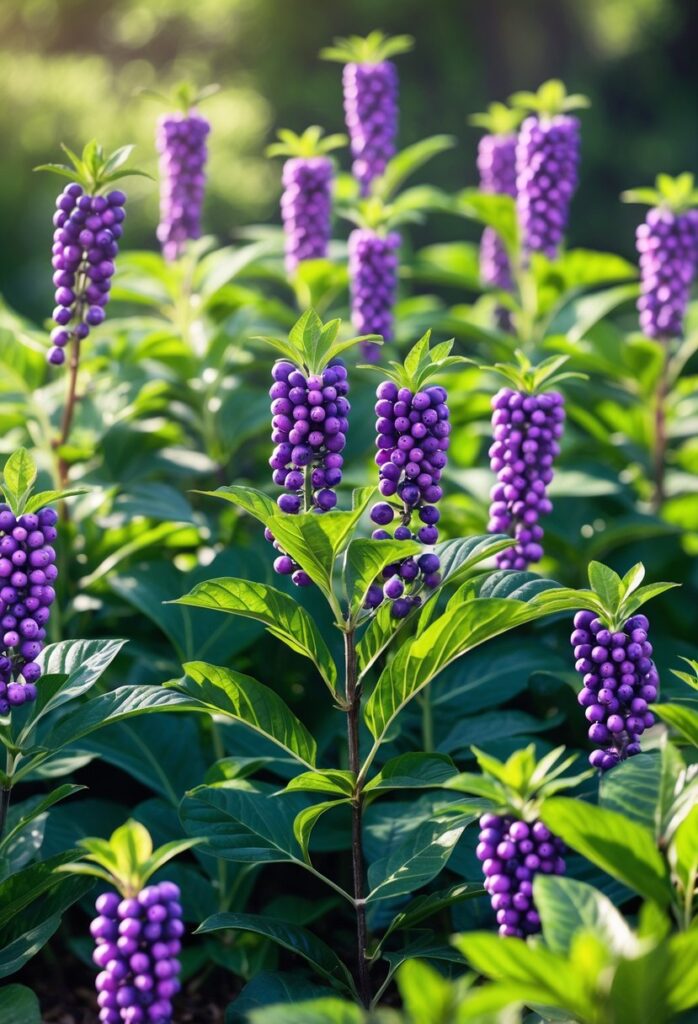
American Beautyberry is a native shrub known for its bright purple berries. It grows well in moist woodlands and open spaces.
The plant’s leaves contain natural compounds called callicarpenal and intermedeol. These compounds help repel mosquitoes, ticks, fire ants, and other pests.
People often use Beautyberry leaves to make homemade insect repellent. Extracting the compounds from leaves and mixing them with carrier oils creates an effective, natural bug spray.
The berries are edible but more commonly used for jams and teas rather than eating raw. Besides pest control, parts of the plant may support natural skincare applications.
Gardeners sometimes plant American Beautyberry to reduce insect problems nearby. It fits well in gardens and wild areas where chemical repellents are less desired.
More details on using Beautyberries as food and mosquito repellent can be found at how to use American Beautyberries as food and mosquito repellent.
11) Geranium
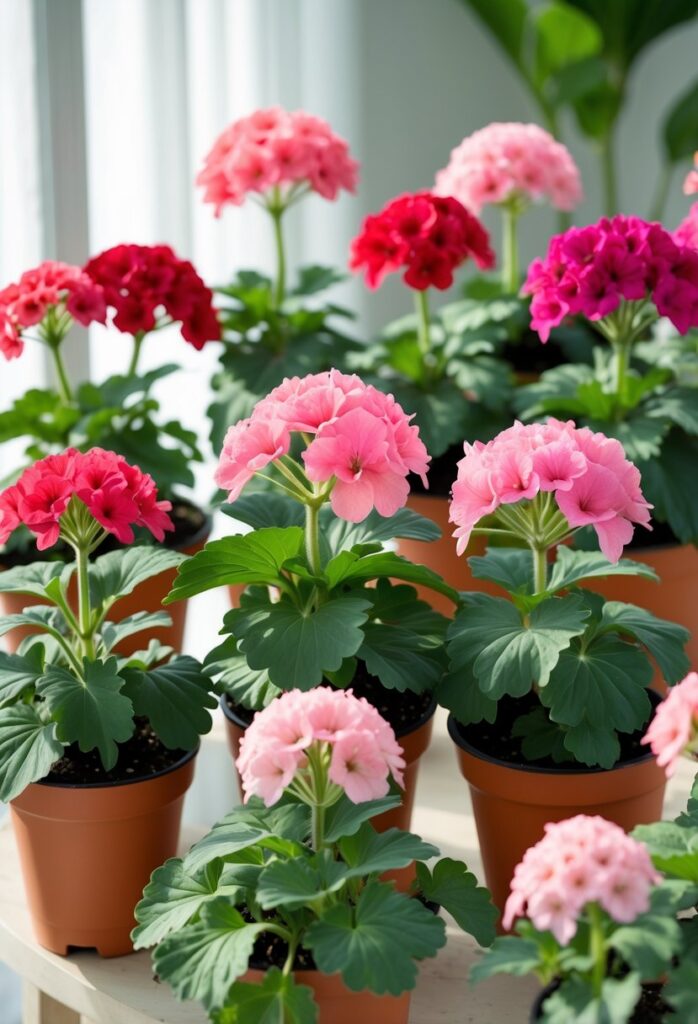
Geraniums are well-known for their ability to repel mosquitoes naturally. They contain essential oils in their leaves that release a scent when touched or brushed by the wind. This scent helps keep mosquitoes away from the surrounding area.
Certain types of geraniums, like citronella geraniums, are especially valued for their insect-repelling properties. These plants do not only help against mosquitoes but can also deter other pests such as ticks, ants, and flies.
Geraniums are easy to grow in gardens or pots. They add color and fragrance while serving as a natural barrier against biting insects. Using geranium oil as a spray or diffuser can also help repel mosquitoes indoors or in patio areas.
Planting geraniums near outdoor seating or windows can reduce the number of mosquitoes in those spaces. This makes them a practical choice for anyone wanting to enjoy their yard with fewer insect bites. For more detailed advice on geraniums’ benefits and types, see this page about how geraniums repel mosquitoes all summer.
12) Garlic
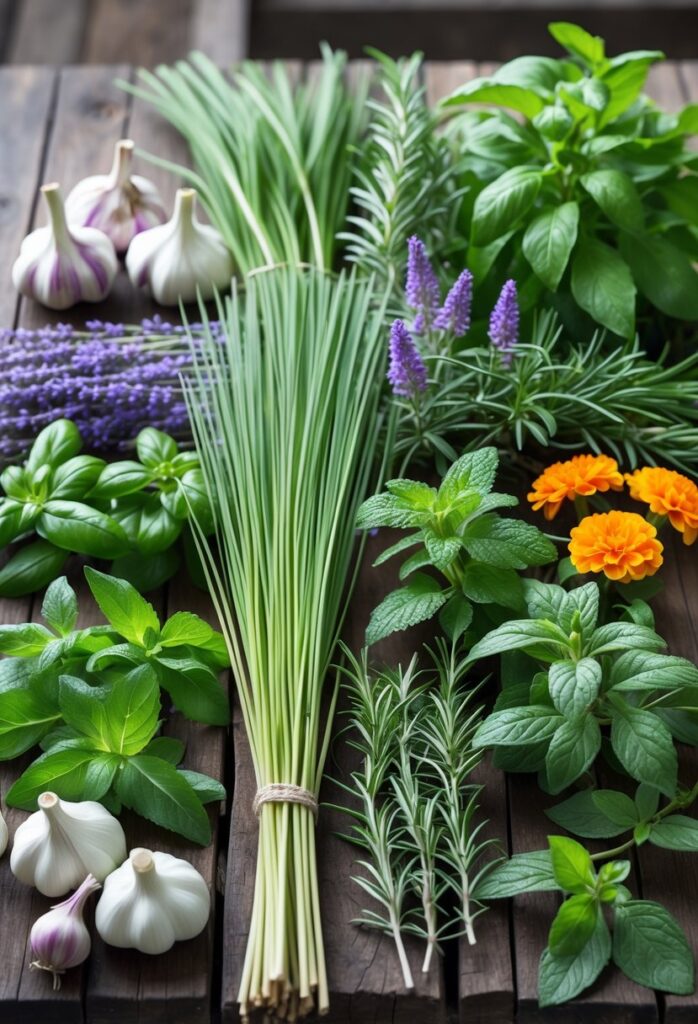
Garlic is known for its strong smell, which helps keep mosquitoes away. The plant releases a scent that mosquitoes often dislike, making it a natural repellent.
People can grow garlic in their gardens to reduce mosquito presence. It prefers well-drained soil and plenty of sunlight to grow well.
Using garlic in different forms, such as crushed cloves or sprays made from garlic, can enhance its repelling effects. However, eating garlic may not protect a person directly from mosquito bites.
Garlic is also safe for most plants around it. It provides an eco-friendly option for those who want to avoid chemical sprays.
For more details on how garlic works as a mosquito repellent, visit this guide on garlic and mosquito control.
13) Chrysanthemum
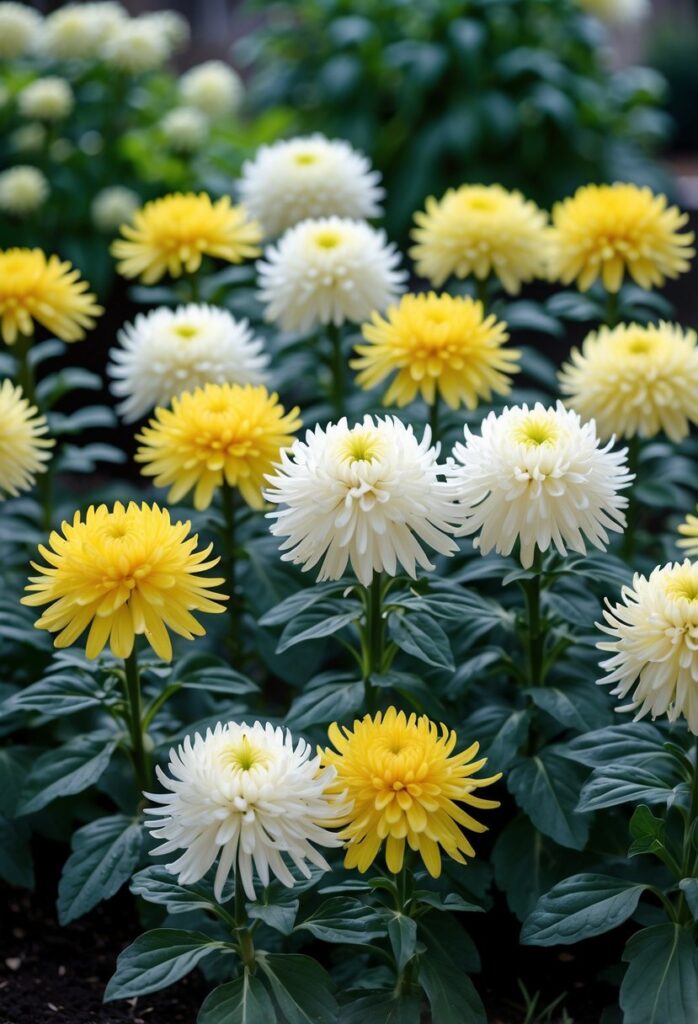
Chrysanthemums contain pyrethrum, a natural chemical that can repel mosquitoes and other insects. This substance affects the nervous systems of pests, making chrysanthemums a useful plant for reducing mosquito presence. It is the same chemical found in many insect sprays.
Besides mosquitoes, chrysanthemums help deter ants, ticks, roaches, bed bugs, and spider mites. Their ability to control several pests makes them good companion plants in gardens.
These flowers work best when planted around the edges of garden beds or near plants that attract insects. Keeping chrysanthemums about 1 to 1.5 feet from vulnerable plants can help protect them.
Chrysanthemums have a long history of use in pest control, originally coming from Asia before spreading worldwide. Their natural insect-repelling effects make them a practical choice for outdoor and indoor use.
Using chrysanthemums alone will not stop all mosquitoes but combining them with other methods increases protection. They provide a natural, low-toxicity way to help manage common garden pests and mosquitoes. For more details, see how chrysanthemums are used as a natural mosquito repellent.
14) Thyme
Thyme is a small, aromatic herb known for its strong scent. It is effective in helping to repel mosquitoes naturally. Many varieties of thyme, including creeping thyme and lemon thyme, produce oils that mosquitoes dislike.
The essential oils in thyme contain compounds such as carvacrol and alpha-terpinene. These natural chemicals have been shown to work well as insect repellents. Some studies suggest these oils may perform better than common chemical options in keeping mosquitoes away.
Creeping thyme is especially useful because it grows low to the ground and spreads easily. This makes it a good plant for ground cover in gardens or patio areas. It not only helps reduce mosquitoes but also adds a pleasant scent and green color.
Thyme is easy to grow and maintain. It prefers full sun and well-drained soil. Gardeners often plant thyme near outdoor living spaces to create a more comfortable area by limiting mosquito presence.
For more information about the mosquito-repelling power of thyme, see this article on thyme plant repelling mosquitoes.
How Mosquito Repellent Plants Work
Mosquito repellent plants use natural chemicals to keep mosquitoes away. These chemicals produce strong smells that mosquitoes dislike. Some plants release oils or compounds that mosquitoes find confusing or toxic.
Plants vary in how well they repel mosquitoes. Some might work better than others depending on the plant’s properties and how it’s used.
Natural Compounds That Repel Mosquitoes
Many mosquito-repellent plants contain oils rich in compounds like citronella, linalool, and geraniol. These chemicals create scents that mosquitoes avoid. For example, citronella grass produces citronella oil, a common ingredient in insect repellents.
Other plants, like lavender and basil, give off strong smells that mask human scents. This makes it harder for mosquitoes to find people.
Some plants also produce chemicals that irritate or confuse mosquitoes, stopping them from landing. These natural defenses help protect gardens and outdoor spaces.
Effectiveness Compared to Chemical Repellents
Some plants, like catnip, have shown to repel mosquitoes better than popular chemical sprays with DEET. However, plant effectiveness often depends on wind, plant size, and how fresh the scent is.
While natural plants work well around patios and gardens, they may not match the long-lasting power of chemical repellents on skin.
Growing several repellent plants together increases their effect. Using plants alongside other methods creates a practical, natural barrier against mosquitoes without chemicals.
More details on these plants and their effects are available in this list of 14 mosquito repellent plants.
Tips for Growing and Maintaining Repellent Plants
Successful mosquito-repellent gardens depend on where plants are placed and how well they are cared for. Knowing the right settings and daily needs helps keep these plants healthy and effective. Proper sunlight, soil, watering, and pruning all play key roles.
Optimal Placement for Maximum Protection
Place mosquito-repelling plants near areas where people gather, such as patios, decks, and doorways. This helps create a natural barrier. Plants like citronella grass and lemongrass do best in full sun and well-drained soil.
For shaded spaces, herbs such as lemon balm and mint work well since they tolerate partial shade. Group plants close together to boost their scent. Avoid overcrowding, which can lead to poor air circulation and disease.
Using containers lets you move plants where they are needed the most. This is useful for plants needing full sun or shelter from heavy wind. Keeping repellent plants at eye level or slightly below also helps spread their scent effectively.
Care and Maintenance Guidelines
Water mosquito-repellent plants regularly but avoid waterlogging. Most prefer moist, well-drained soil. Overwatering can cause root rot or fungal issues. Established plants like rosemary and marigold tolerate dry spells better.
Prune plants regularly to encourage bushier growth and keep leaves healthy. Deadheading flowers on marigolds and geraniums boosts their appearance and insect-repelling oils. Remove any yellowing or damaged leaves promptly.
Fertilize sparingly with balanced, slow-release fertilizer during growing seasons. Too much nitrogen promotes leafy growth but less scent, reducing their ability to repel mosquitoes. Check plants often for pests and treat promptly with natural insecticides if needed.
For detailed examples of easy-to-grow mosquito-repelling plants, visit 14 powerful mosquito-repelling plants for your garden.
Frequently Asked Questions
Mosquito-repellent plants vary in effectiveness depending on location and growing conditions. Some work well outdoors while others can also be used inside. Different species thrive in sunny or shaded areas, and certain plants target multiple pests.
What are the most effective plants for repelling mosquitoes outdoors?
Citronella, lavender, and marigold are among the most effective plants for outdoor mosquito control. Citronella produces a strong scent that masks human odors. Lavender and marigold add beauty and a natural barrier against mosquitoes.
Can I use plants to repel mosquitoes indoors, and which ones work best?
Yes, plants like mint and basil work well indoors. Their strong aromas discourage mosquitoes. Keeping these plants near windows or seating areas can help reduce mosquito presence inside.
Are there specific plants that can deter mosquitoes in Florida’s climate?
In Florida’s warm and humid climate, citronella and basil thrive and repel mosquitoes effectively. Marigolds also do well and add color to gardens while keeping bugs away.
Which plants are known to repel both mosquitoes and flies?
Marigold and basil repel both mosquitoes and flies. Their scents interfere with these insects’ ability to locate people, making them useful for outdoor dining spaces and patios.
What are the best plants to include in a mosquito-repellent container garden?
Citronella, mint, and lavender perform well in container gardens. These plants need moderate sunlight and regular watering. Their compact size fits well in patios or balconies where mosquito control is needed.
Can you recommend any mosquito-repelling plants that thrive in shaded areas?
Mint grows well in partial shade and repels mosquitoes with its strong scent. Some varieties of basil can tolerate shade too. These plants are good options for yards where sunlight is limited.
For more details on natural mosquito repellents, visit 14 Plants That Repel Mosquitoes – Southern Living.