
7 Kitchen Accents Ideas to Elevate Your Cooking Space Effortlessly
Kitchens are often the busiest rooms in a home, where style and function come together. Adding accents can change the look and feel of the space without a full remodel.
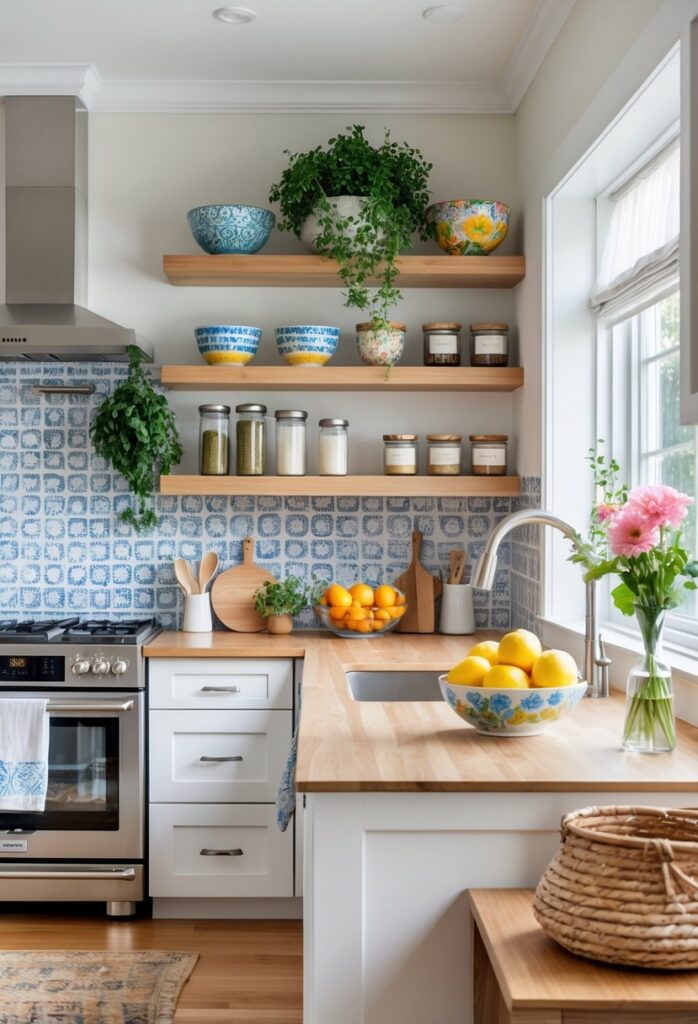
The key to enhancing a kitchen lies in choosing simple accents that boost its personality and charm. These kitchen accents ideas help refresh the room while keeping it practical and inviting.
1) Farmhouse sink paired with vintage-style faucets
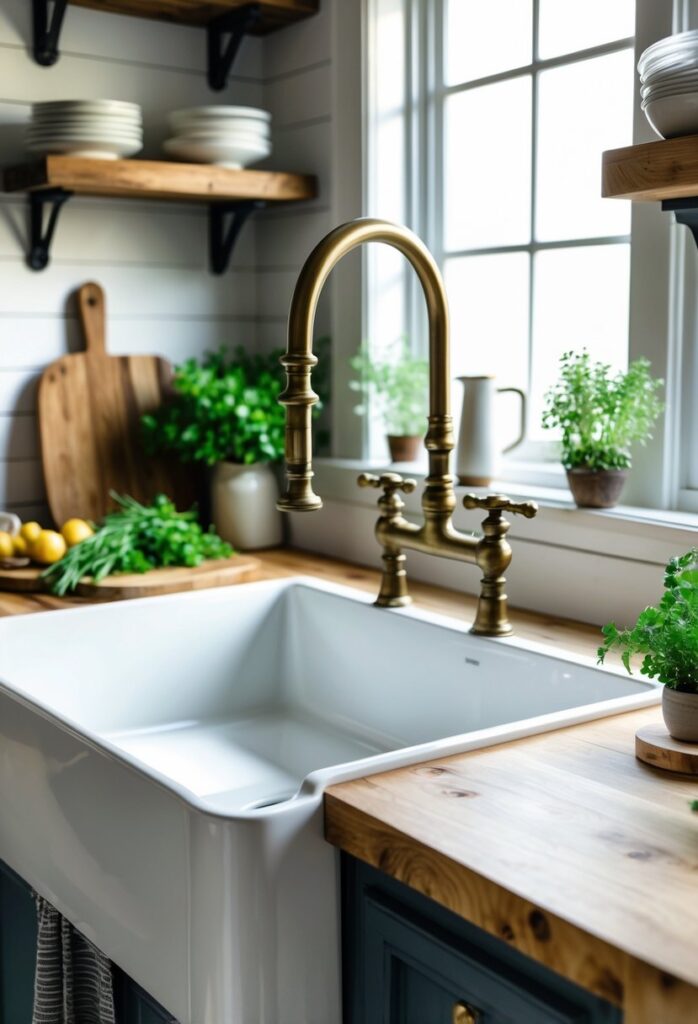
A farmhouse sink adds a timeless look to any kitchen. Its deep basin is great for washing large pots and pans.
Pairing it with vintage-style faucets enhances the classic feel. Faucets in antique brass or brushed nickel work well.
This combination fits both rustic and modern kitchens. It blends charm with practical use.
The apron-front design stands out as a focal point. It brings old-fashioned appeal without losing functionality.
For inspiration, explore ideas that mix farmhouse sinks with elegant, vintage faucets for a balanced style.
More details are available at 16+ Charming Farmhouse Sink Ideas for Your Home.
2) Glass-front cabinets to add lightness and display dishware
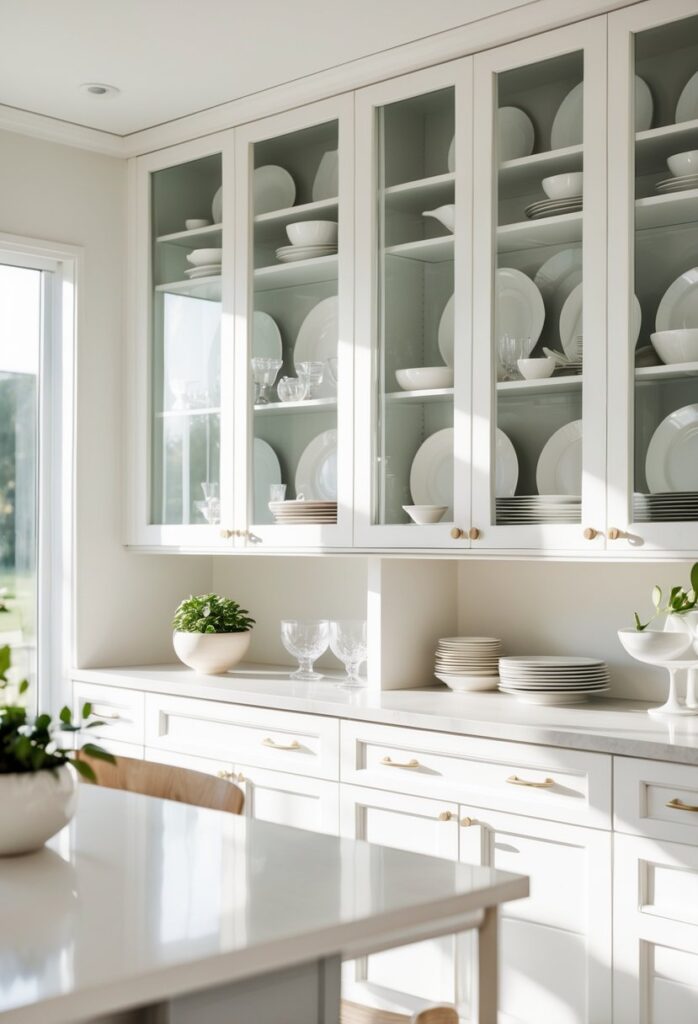
Glass-front cabinets brighten kitchens by letting light flow through the space. They create a more open, airy feel compared to solid doors.
These cabinets also showcase favorite dishes and glassware. People can use them to add style and personality by arranging their collections thoughtfully.
Including LED lighting inside glass-front cabinets enhances visibility. It highlights the contents and adds a soft glow that makes the kitchen look inviting.
Combining glass with wood or other materials can balance modern and classic looks. This mix adds texture while keeping the space light and elegant.
For ideas on styling glass-front cabinets, visit kitchen cabinet design advice at kitchenwyse.com.
3) Polished nickel cabinet handles for a subtle shine
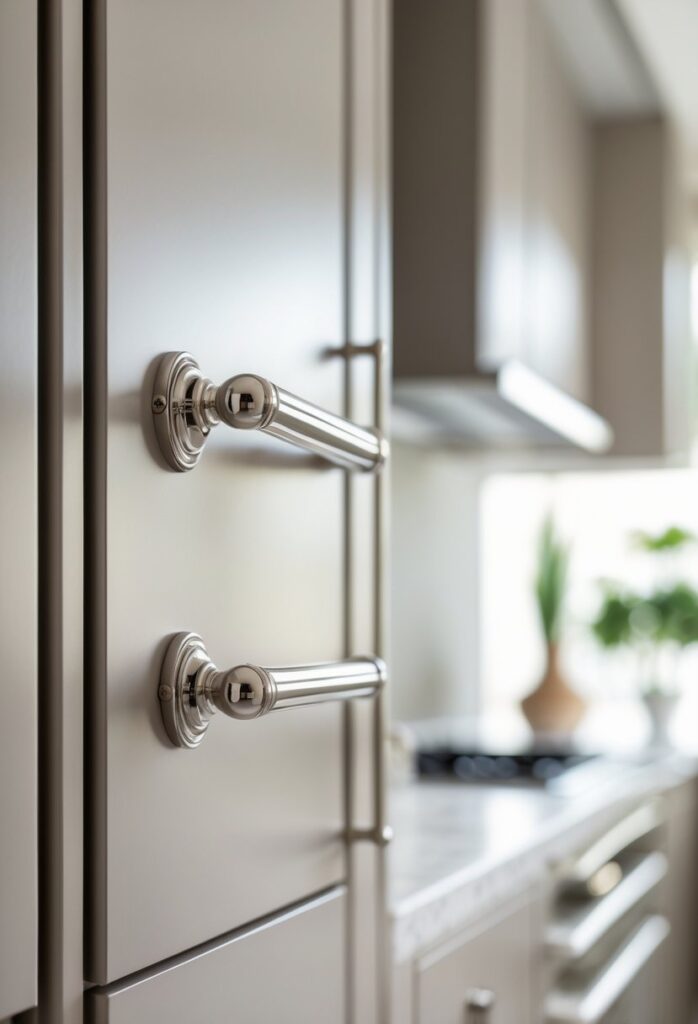
Polished nickel cabinet handles add a clean, reflective look without being too flashy. They work well with many design styles, from modern to traditional.
These handles catch light softly, giving cabinets a subtle shine that brightens the kitchen. Their timeless finish blends easily with different colors and materials.
Durability is another benefit. Polished nickel resists wear and fingerprints better than other shiny metals. This makes it practical for everyday use.
Choosing polished nickel handles can update kitchen cabinets with minimal effort. They offer both style and function in one simple detail.
For a wide selection, many stores offer polished nickel options, like this 7″ C/C polished nickel cabinet handle.
4) Open wooden shelves for decor and practical storage
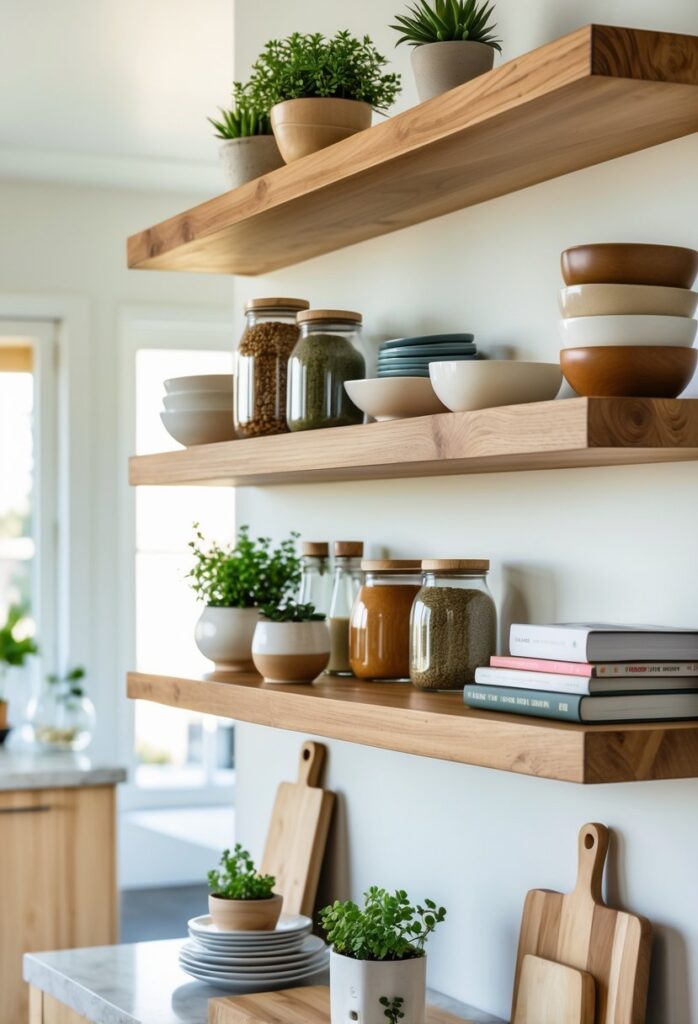
Open wooden shelves combine style with function in any kitchen. They offer a natural, warm look that complements many decor styles.
These shelves create easy access to everyday items like dishes and cups. They keep essentials visible and within reach.
People often use them to display decorative items, such as plants or unique dishware. This adds personality without cluttering the space.
Choosing sturdy wood ensures durability and supports heavier kitchenware. The shelves can be matched or contrasted with cabinets for a custom look.
Open wooden shelves balance practicality and aesthetics well, making kitchens feel open and inviting. For ideas, see creative open shelving designs.
5) Bold blue cabinetry as a vibrant focal point
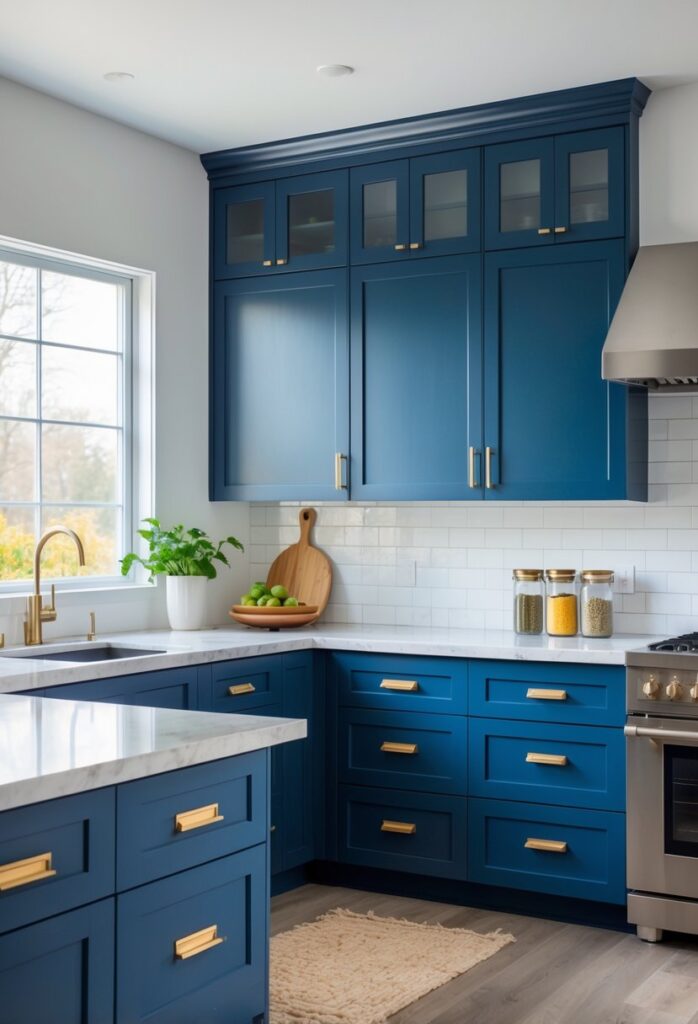
Bold blue cabinets bring a strong visual impact to any kitchen. They stand out and add energy without overwhelming the space.
Using deep navy or cobalt blue creates a sharp contrast, especially with white or neutral surroundings. This contrast draws attention and highlights the cabinetry as the room’s centerpiece.
A blue kitchen island is a popular way to introduce this color. It adds charm and makes the space feel modern and inviting.
Pairing blue cabinets with simple hardware keeps the look balanced. Blue works well with warm metals like brass or cool touches like black fixtures.
This color choice suits many styles. Whether the kitchen is farmhouse, coastal, or contemporary, blue provides a timeless yet fresh accent.
More ideas on bold blue cabinetry as a vibrant kitchen focal point can be found in these blue kitchen cabinet ideas.
6) Rustic wooden dresser to blend old and new styles
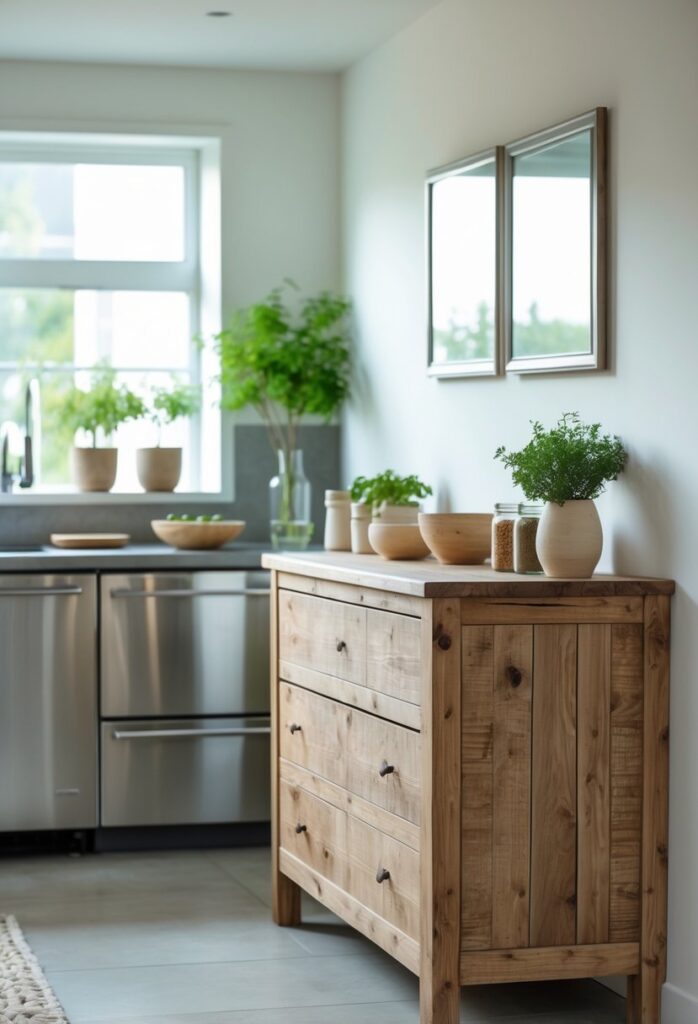
A rustic wooden dresser adds warmth and character to any kitchen. It brings a natural, timeless look that pairs well with modern elements.
The weathered wood contrasts nicely with sleek countertops or stainless steel appliances. This mix creates a balanced style that feels both cozy and fresh.
Using a rustic dresser also adds extra storage without sacrificing design. Its classic feel helps blend old charm with contemporary simplicity for a harmonious space.
For ideas on combining rustic charm with modern elegance, see 25 Wooden Kitchen Designs Blending Rustic Charm with Modern Elegance.
7) Funky pendant light fixtures above the island
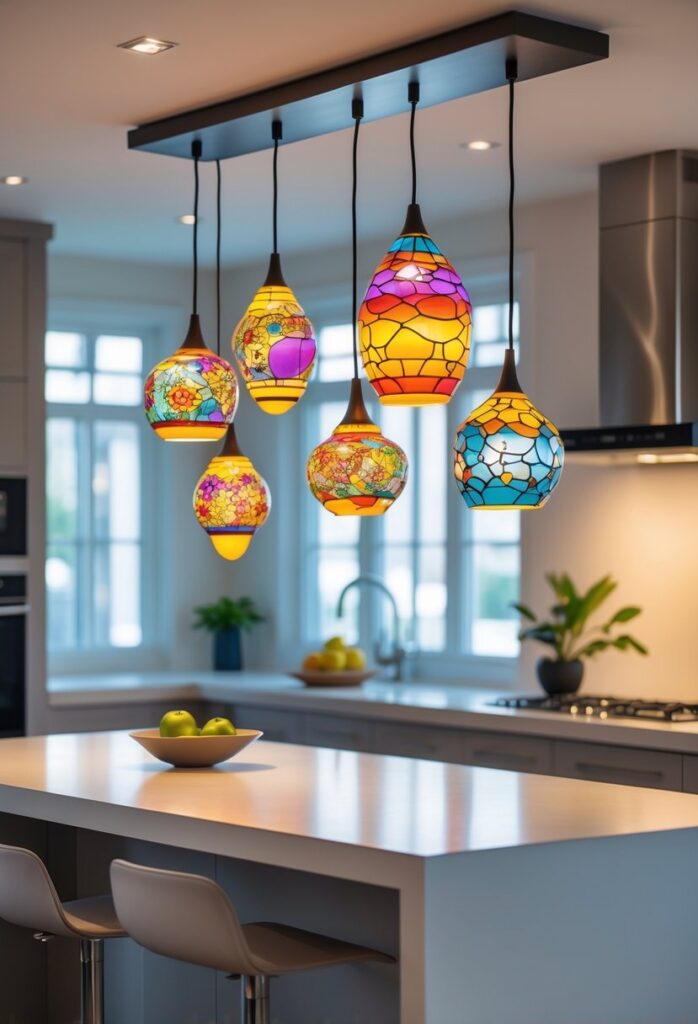
Funky pendant lights add character to the kitchen island. They bring a unique style without being overwhelming.
These fixtures work well with many design styles, from modern to rustic. Clear glass or bold colors can create visual interest.
Choosing the right pendant lights balances function and design. They provide light for cooking while serving as a focal point.
Mixing different shapes or materials can make the space feel personalized. This approach lets the kitchen reflect individual taste.
For ideas on selecting pendant lights, see kitchen island pendant lighting ideas.
Choosing the Right Materials
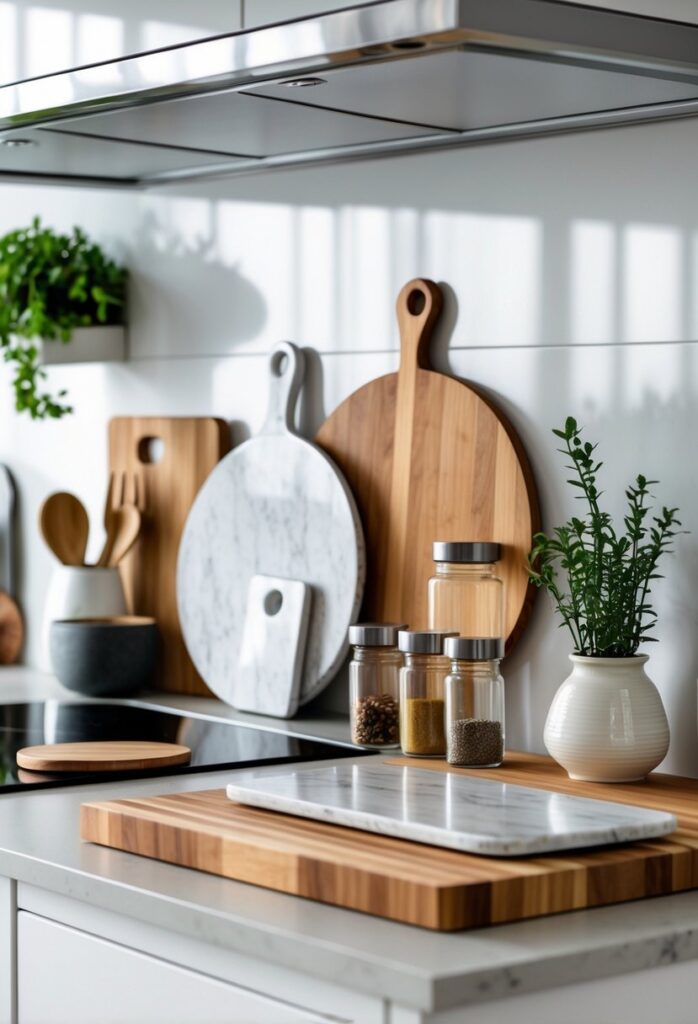
Choosing materials for kitchen accents means balancing durability, style, and ease of maintenance. The decision between natural and synthetic options affects both the look and function of the space. Color choices play a key role in creating a unified design.
Benefits of Natural vs. Synthetic Accents
Natural materials like wood, stone, and metal offer unique textures and warmth. Wood adds an organic feel, while stone provides strength and an upscale look. These materials usually age well but may need more care, such as sealing or polishing.
Synthetic materials, including laminates and engineered stone, often cost less and resist stains and scratches better. They can mimic natural finishes while requiring less upkeep. However, they may lack the character found in real wood or stone.
Choosing the right material depends on how much wear the accent will face and what maintenance is acceptable. For example:
- Wood cabinet trim: warm but may scratch easily
- Quartz countertop accents: durable and low maintenance
- Stainless steel handles: modern, easy to clean
Color Coordination for Cohesive Design
Colors should connect accents with countertops, cabinets, and flooring without clashing. Neutral tones create a safe base, while bold colors add interest without overwhelming.
A good approach is to pick accents a few shades lighter or darker than the main surfaces. For instance, dark wood shelves look good against light stone backsplashes.
Using a color wheel helps in choosing complementary or analogous shades. For example:
| Main Color | Accent Color Idea | Effect |
|---|---|---|
| White Cabinets | Matte Black Hardware | Sharp contrast, modern |
| Grey Countertops | Soft Blue Backsplash | Calm and cohesive |
| Beige Walls | Brass Fixtures | Warm and elegant |
Matching finishes (matte, glossy) also affects how colors appear next to each other. Consistent finishes tie the look together, making the kitchen feel intentional and polished.
For guidance on material choices, see more at Choosing the Right Materials for Your Kitchen Remodel.
Maintaining Kitchen Accents

Keeping kitchen accents in good condition depends on regular cleaning and understanding which materials last longer. Proper care helps retain their look and usefulness over time.
Cleaning and Care Recommendations
Kitchen accents often face grease, moisture, and food spills. It’s important to clean them promptly using mild soap and warm water. Avoid harsh chemicals, especially on wood, metal, or wallpaper, to prevent damage or discoloration. For example, a soft cloth or sponge works best to avoid scratching surfaces.
For wallpaper or painted walls, wipes should be gentle to protect the finish. If the accent involves textured tiles or stone, a soft brush can clear dirt from crevices. Plants or vertical gardens need regular watering and occasional trimming to stay healthy without creating mold or water damage.
Using sealants or protective coatings can keep surfaces resistant to stains. Daily wipe-downs combined with weekly deeper cleanings extend the life of kitchen accents.
Longevity and Durability Factors
Materials used for kitchen accents vary widely. Durable options such as ceramic tiles, metal panels, or sealed wood tend to last longer under kitchen conditions. Moisture-resistant finishes are critical in areas near sinks or stoves.
Regular inspection for cracks, peeling wallpaper, or water damage helps catch problems early. Exposure to heat or sunlight may fade colors over time, so placement of accents matters.
Simple upgrades like peel-and-stick wallpaper allow for easy replacement if wear occurs. Choosing high-quality materials and finishes based on kitchen use prevents premature wear and maintains the accent’s appearance.