8 Toca Boca Kitchen Ideas to Enhance Creativity and Play
Creating a fun and imaginative kitchen space inspired by Toca Boca can make playtime more engaging for children. These ideas focus on blending creativity with practical design to encourage exploration and learning.
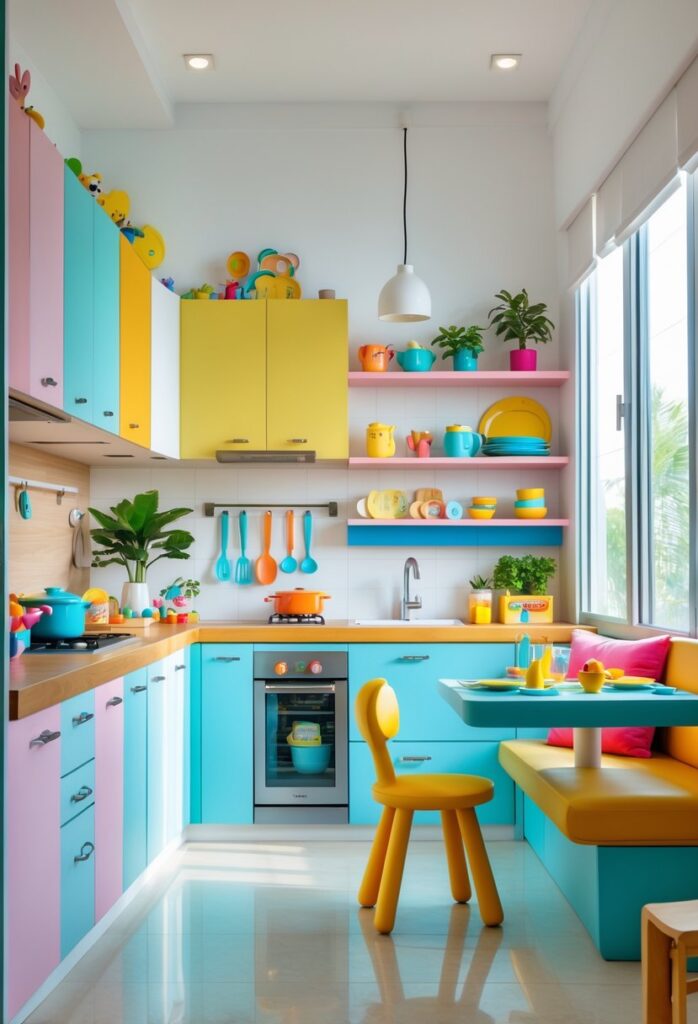
The article offers eight toca boca kitchen ideas and easy ways to bring Toca Boca’s colorful and playful kitchen style into any kid’s space. It helps parents and designers create areas that are both visually appealing and inviting for imaginative cooking and storytelling.
1) Use color blocks with bright pastel tones for a playful kitchen look
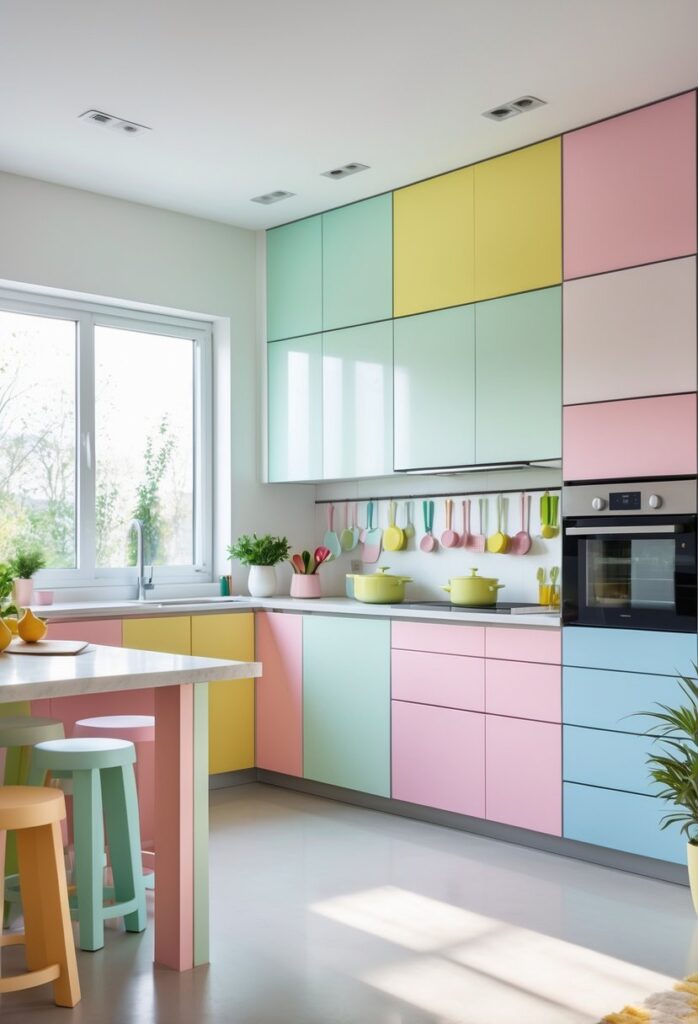
Color blocking with bright pastel shades adds energy and charm to a kitchen. It creates distinct areas that stand out without clashing.
This approach works well on walls, backsplashes, or cabinet doors. Combining soft pinks, blues, and greens brings a light, lively feel.
Using pastels keeps the space cheerful but not overwhelming. The blocks make the kitchen feel fun and organized at the same time.
2) Incorporate rounded edges on counters and furniture for child-friendly safety
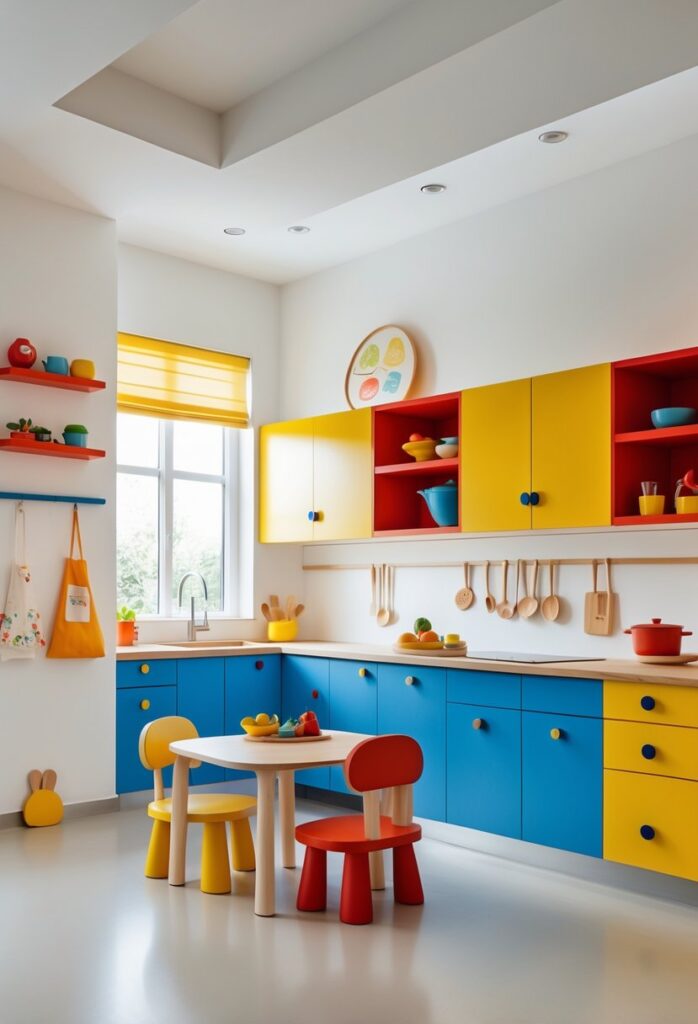
Rounded edges on counters and furniture reduce the chance of injuries. Sharp edges can cause cuts or bumps, especially for young children.
Using rounded or chamfered edges creates a safer kitchen space while keeping a stylish look. It helps prevent accidents without needing extra padding.
Edge protectors can add another layer of safety. They work well with rounded designs and protect kids from accidental bumps.
This simple change makes a kitchen more welcoming and secure. It allows children to move around with less risk of hurting themselves.
3) Design modular kitchen units to maximize space in small rooms
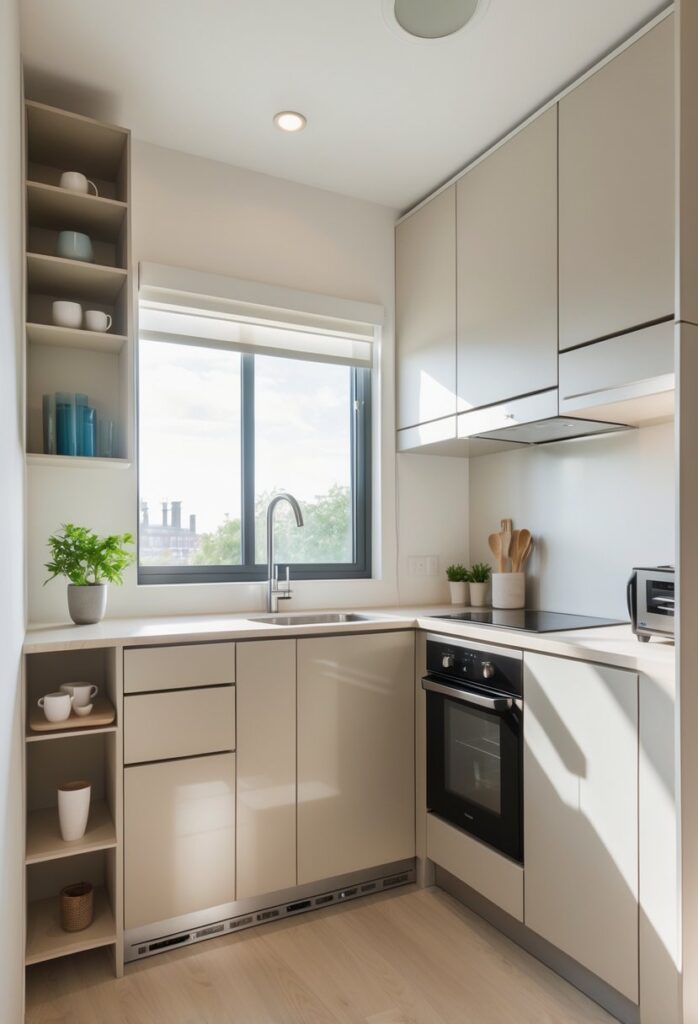
Modular kitchen units allow for flexible use of space in small rooms. They can be arranged to fit walls, corners, and even awkward spaces. This helps keep the kitchen organized and spacious.
Using modular cabinets and shelves helps maximize storage. Vertical storage and stackable units add extra capacity without taking up more floor area. It gives easy access to items while reducing clutter.
Modular designs also support customization. People can choose layouts that fit their cooking habits and storage needs. This turns a small kitchen into a more efficient and practical area.
4) Add interactive cooking stations with pretend appliances
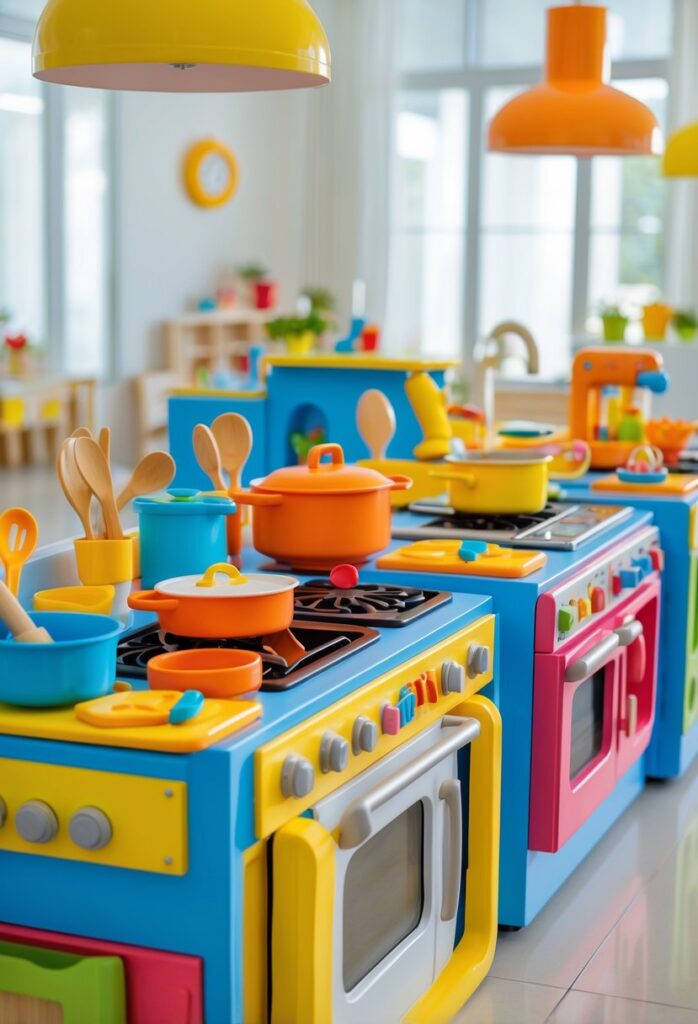
Interactive cooking stations help make playtime more engaging and fun. Kids can use pretend appliances like stoves, mixers, and ovens to mimic real cooking tasks.
These stations encourage creativity and improve fine motor skills. They also give children a chance to role-play and imagine being chefs in their own kitchen.
Adding buttons, dials, and movable parts makes the appliances feel realistic. This hands-on experience supports learning while keeping playtime exciting and dynamic.
5) Include open shelving for easy access and organization
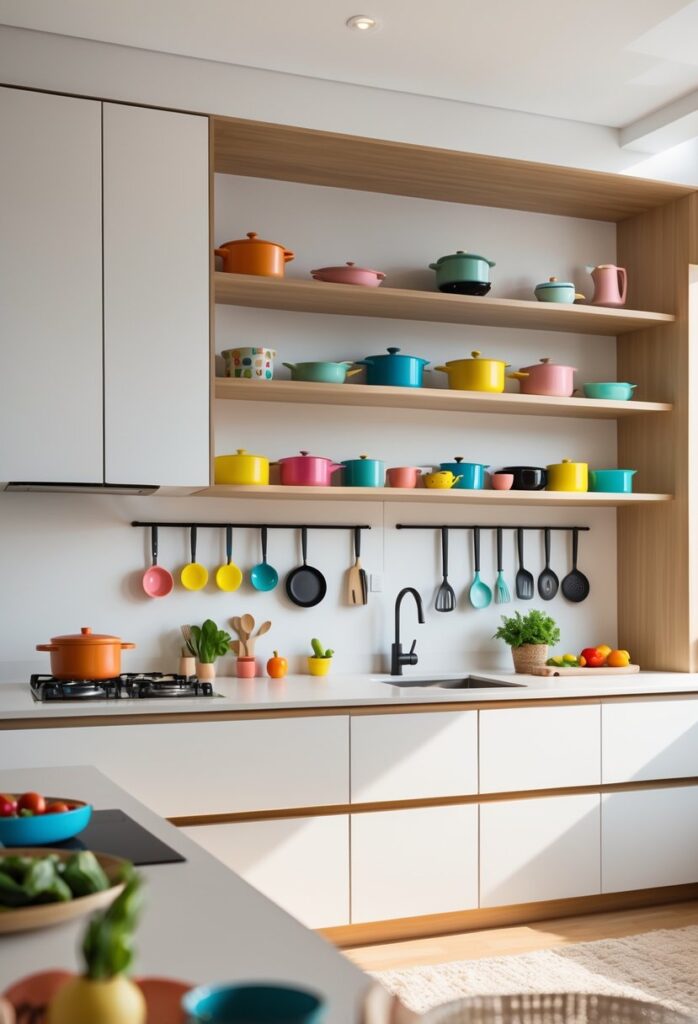
Open shelving makes it simple for kids to reach toys and play items. It encourages independence by letting children choose what they want without help.
Using colorful bins on the shelves keeps everything neat. Labeling the bins with words or pictures helps kids find and put away items quickly.
The shelves should be at kid height. This allows children to see all their play food and utensils easily during pretend cooking. It also helps keep the space tidy and organized.
6) Use bold visual contrasts to define different kitchen zones
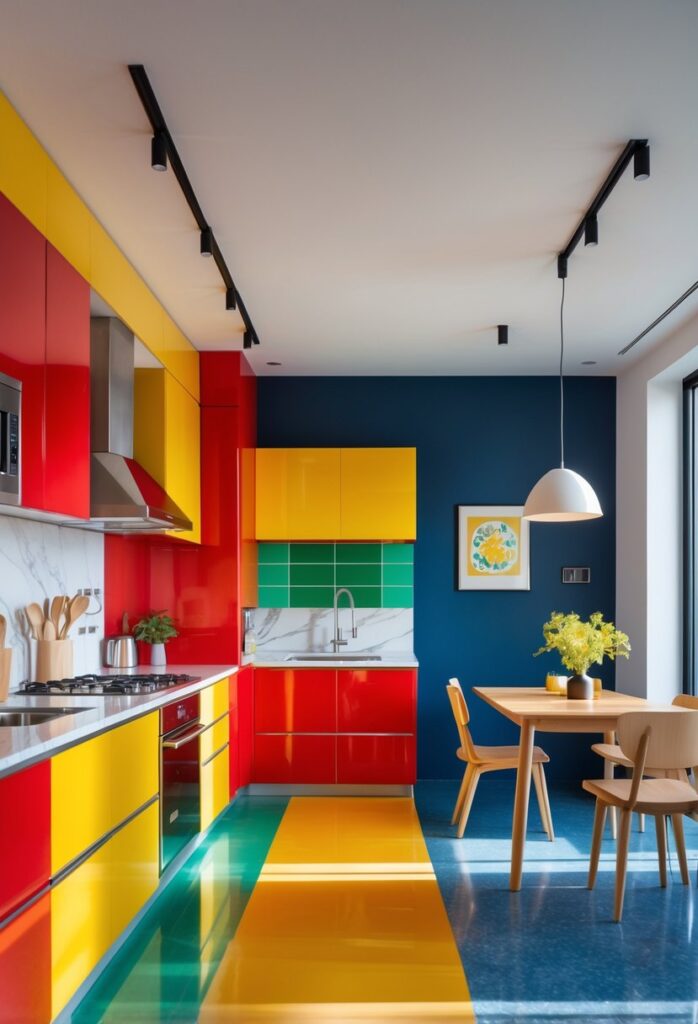
Using bold colors helps separate areas in the kitchen clearly. It makes each zone easy to see and understand.
For example, painting one wall bright red and another blue creates a strong visual division. This guides children to different parts for cooking or cleaning.
Contrasting colors also add energy to the space. They keep it lively without being confusing.
Bright color blocks matched with neutral counters balance the look. This avoids overwhelming the eye while still defining zones.
7) Integrate multifunctional furniture for storage and play
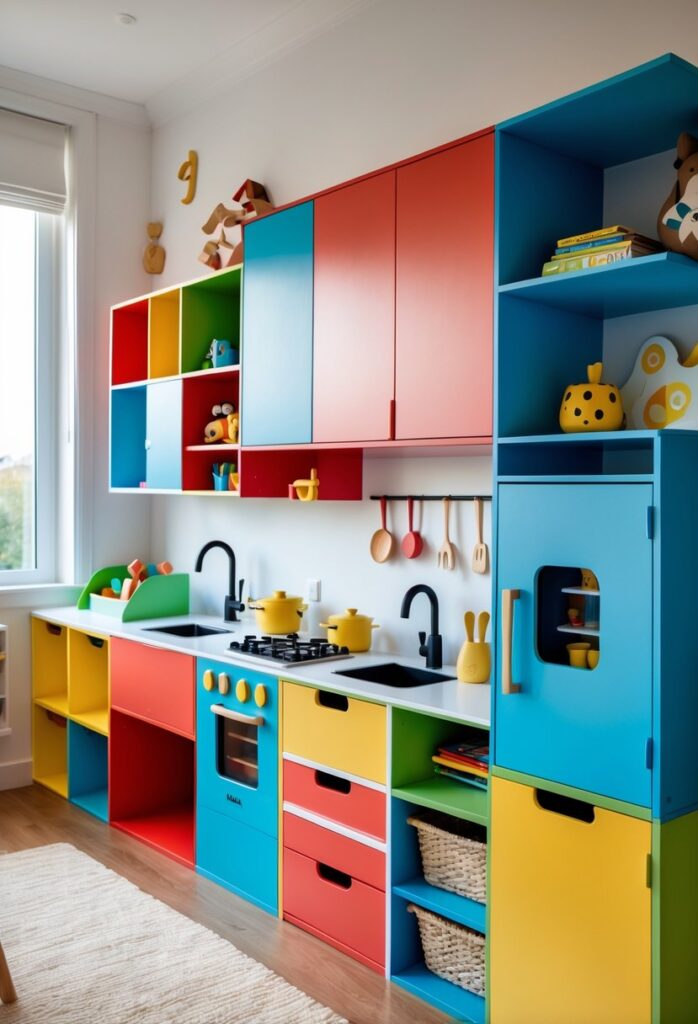
Multifunctional furniture helps save space while adding value to a Toca Boca kitchen. Pieces like benches with hidden compartments or tables with built-in shelves offer both storage and play areas.
This type of furniture keeps toys and kitchen tools organized. It also creates surfaces where kids can imagine, cook, or craft without clutter.
Using multifunctional items adapts well to small spaces. It supports a clean, safe environment that encourages creativity and easy cleanup.
8) Arrange quirky, irregular appliance placements for creative flow
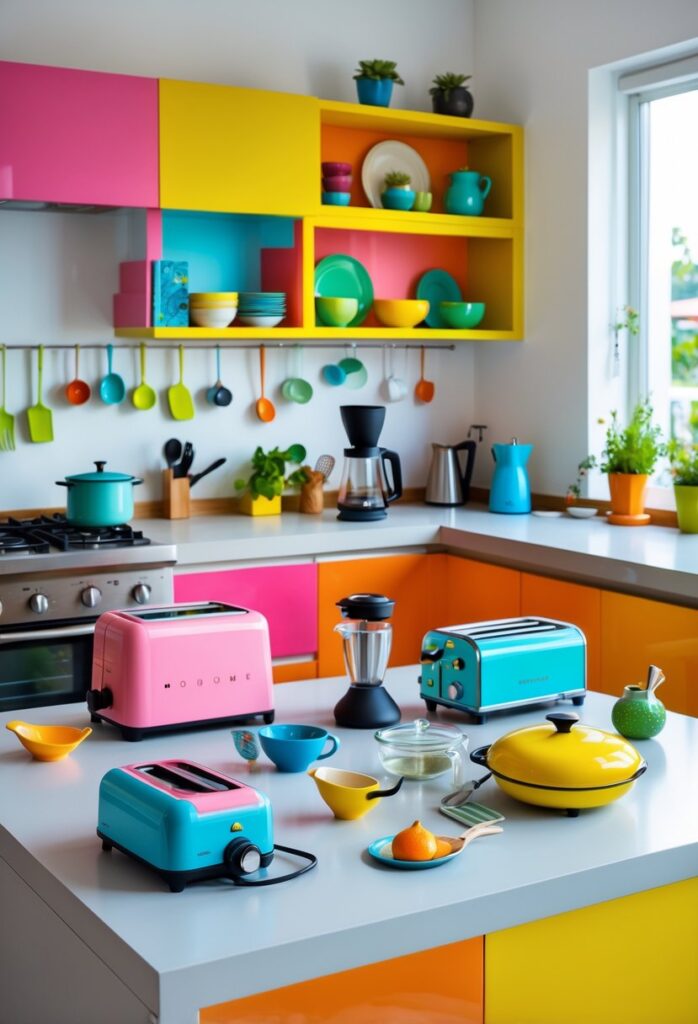
Placing appliances in unexpected spots adds interest and encourages imaginative play. This breaks the usual kitchen setup and sparks new ideas.
Appliances grouped in unconventional ways can help children explore different cooking and organizing methods. It makes the kitchen feel more dynamic and fun.
This kind of layout invites creativity. The irregular arrangement also fits well in smaller spaces where standard setups don’t work.
Keeping the flow open and playful allows for better storytelling during play. It supports active learning by mixing order with surprise.
Designing Your Own Toca Boca Kitchen
Creating a Toca Boca kitchen involves combining playful design with practical details. The focus should be on including realistic kitchen features alongside thoughtful color choices that make the space inviting and easy to use. Both elements work together to create a balanced and fun environment.
Incorporating Realistic Elements
A Toca Boca kitchen benefits from adding familiar appliances and tools to make the space feel believable. Items like sinks, stoves, and ovens help ground the design. Including shelves or cabinets adds storage and organizes the layout effectively.
Small touches, such as utensils or food items, give the kitchen a lived-in look. Modular furniture with smooth edges mimics Toca Boca’s style while making the space safe and user-friendly. Lighting also plays a role—soft, warm lights can create a cozy atmosphere without harsh glare.
Color Palettes and Aesthetic Choices
Choosing the right colors is key to capturing the Toca Boca vibe. Bright, bold blocks of color create a playful, energetic feel. Common tones include reds, yellows, blues, and greens, often used in combination to make the space visually interesting.
Rounded shapes and simple patterns keep the design approachable and child-friendly. Textures should be smooth or matte to match the game’s aesthetic. Vertical storage painted in vibrant shades can add both organization and pops of color. This balance of color and form makes the kitchen stimulating but not overwhelming.
Encouraging Creativity Through Role Play
Role play in a Toca Boca kitchen helps children develop storytelling skills and work together with others. It turns simple play into an active learning experience by offering chances to imagine new scenarios and practice social skills.
Fostering Imaginative Storytelling
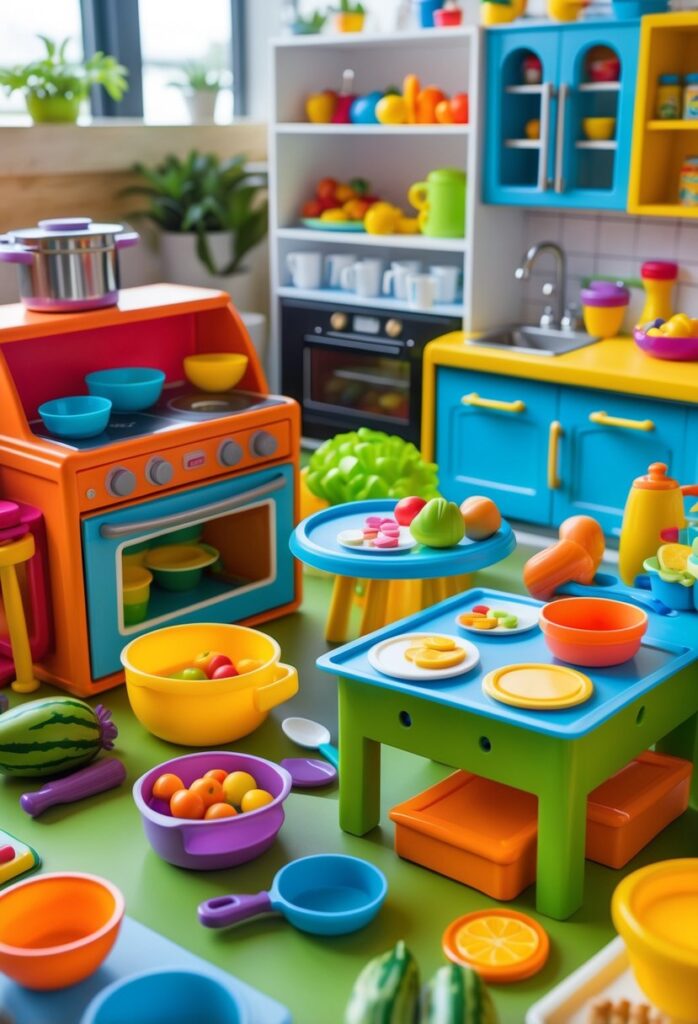
Children create stories by pretending to cook, serve, and manage a kitchen. They can invent characters like chefs, customers, or delivery people, which helps build language and thinking skills. Using colorful props, such as plastic fruits and toy utensils, makes the experience more vivid.
Setting up a play kitchen with different stations encourages kids to explore various roles. For example, one spot can be for baking while another serves as a cafe counter. This variety invites kids to switch between storylines and expand their creativity.
Promoting Collaborative Play
Role play in the kitchen also teaches teamwork. Kids learn to share tasks like taking orders, cooking, and cleaning up. This cooperation builds communication and problem-solving skills.
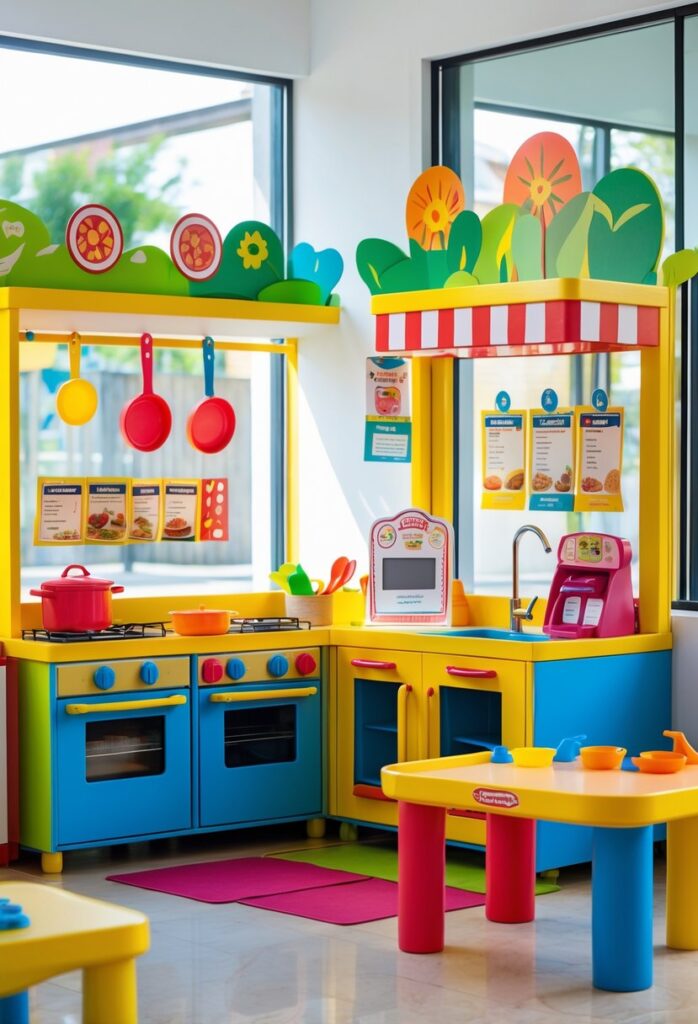
Group play in a Toca Boca kitchen can include using pretend cash registers or setting up menus together. Such activities encourage children to negotiate roles and practice listening, which are key parts of social development.
Structured play areas that allow sharing space and tools make collaboration easier and more natural.