
8 Dining Room Ideas to Elevate Your Home’s Style and Functionality
A dining room plays an important role in a home. It is a place where people gather to share meals, celebrate, and connect. Creating a comfortable and attractive dining space can improve both everyday use and special occasions.
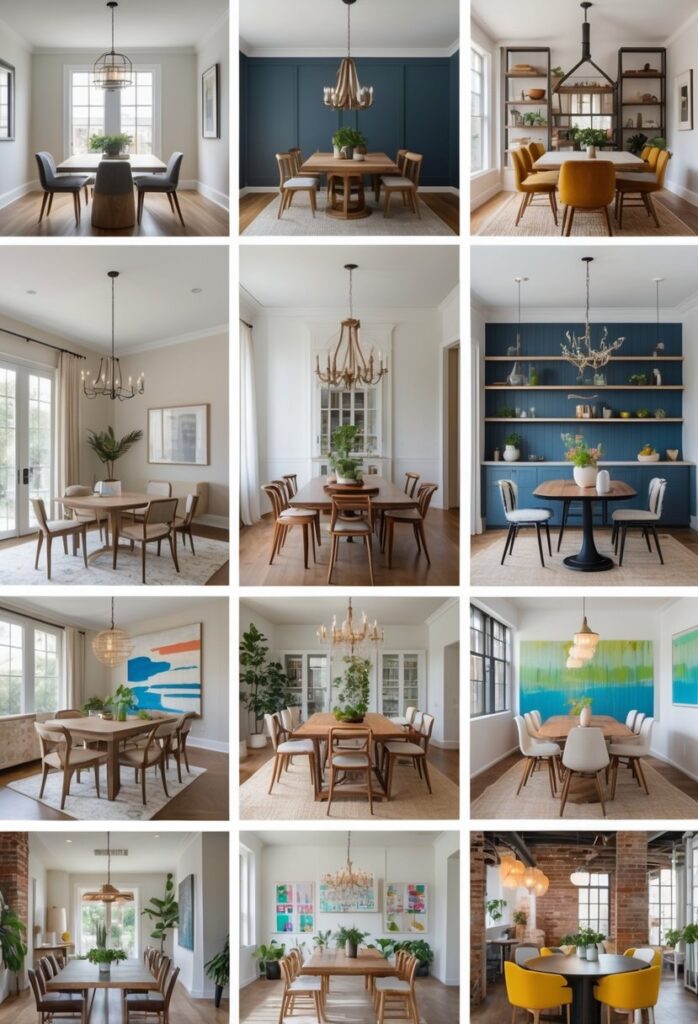
The key to a great dining room is balancing style and function to suit different needs and spaces. Simple changes or thoughtful design can make the room more inviting and practical. This article explores eight ideas to help elevate any dining room.
8) Mix metal and wood chairs for an eclectic seating arrangement
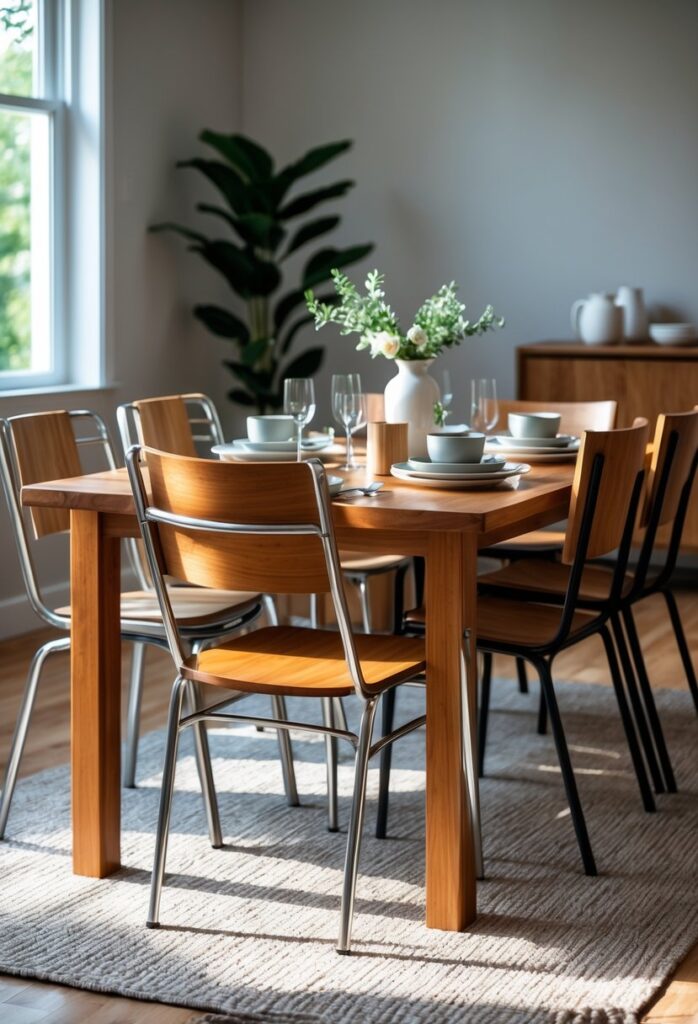
Mixing metal and wood chairs adds variety without clashing. The contrast between materials creates interest.
Wood brings warmth and texture, while metal offers sleek lines and durability. Together, they balance each other.
This mix suits both modern and rustic spaces. It lets people combine styles comfortably.
Choosing chairs with similar heights or shapes keeps the look cohesive. It avoids feeling too busy or random.
An eclectic mix like this can make the dining area feel unique and inviting to guests.
For ideas on mixing different chair materials and styles, see how to create eclectic chair combinations.
7) Create a coastal vibe with light wood and ocean-inspired decor
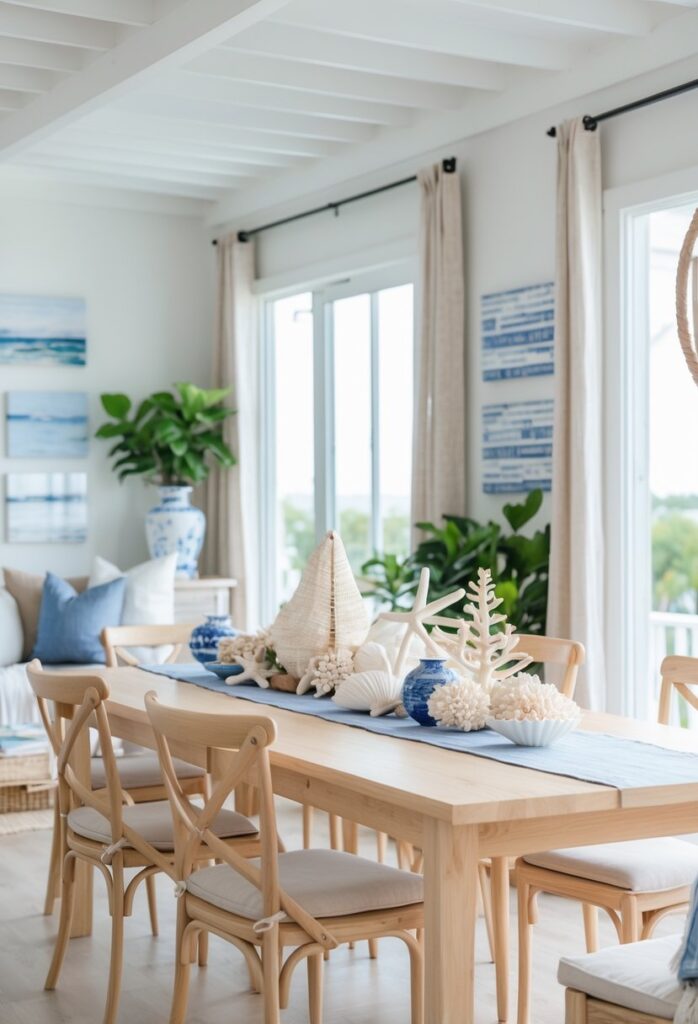
Light wood furniture anchors the room with a natural and calming tone. Pieces like dining tables or bedframes in soft wood hues add warmth without overwhelming the space.
Ocean-inspired decor such as seashell centerpieces or nautical accents enhances the coastal feel. These small details tie the theme together and bring a subtle beach vibe indoors.
Pairing light wood with crisp white walls creates a fresh, classic backdrop. This combination keeps the space bright and airy, reflecting the qualities of coastal living.
Using wood finishes with matte or natural textures helps maintain a relaxed atmosphere. Avoid overly glossy or polished surfaces to keep the feel casual and comfortable.
Woven textures in chairs or shelving add another layer of natural charm. Together, these elements bring both warmth and openness, making dining spaces inviting and peaceful.
More ideas on blending natural wood and coastal style can be found in detailed guides on mixing these elements seamlessly. For example, explore this collection of 10 Ways to Mix Natural Wood with Coastal Decor.
6) Layer textures with a jute rug and linen curtains
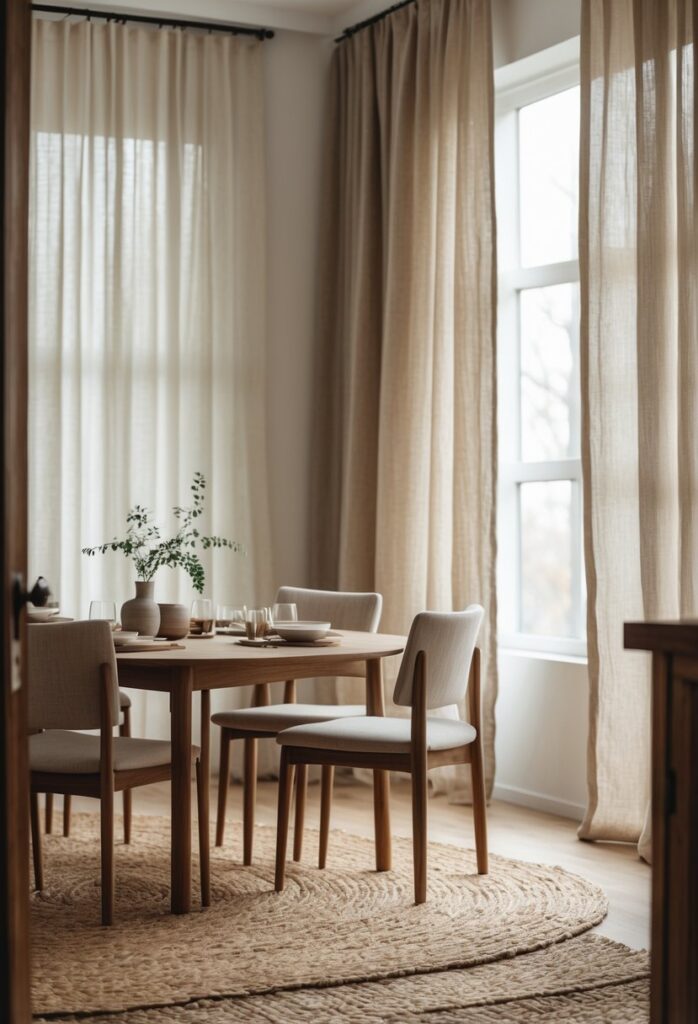
Using a jute rug adds natural texture and warmth to the dining room floor. The rough, woven surface contrasts nicely with smoother materials.
Linen curtains bring softness and lightness to the space. Their breathable fabric moves gently with the breeze, balancing the sturdiness of the jute.
Together, these materials create a simple, layered look. This combo enhances comfort without overwhelming the room’s style.
Adding a patterned rug over the jute can introduce color and pattern. This layering technique improves depth while keeping the natural vibe intact, as explained in this guide on layering jute rugs.
5) Paint an accent wall in deep navy or forest green
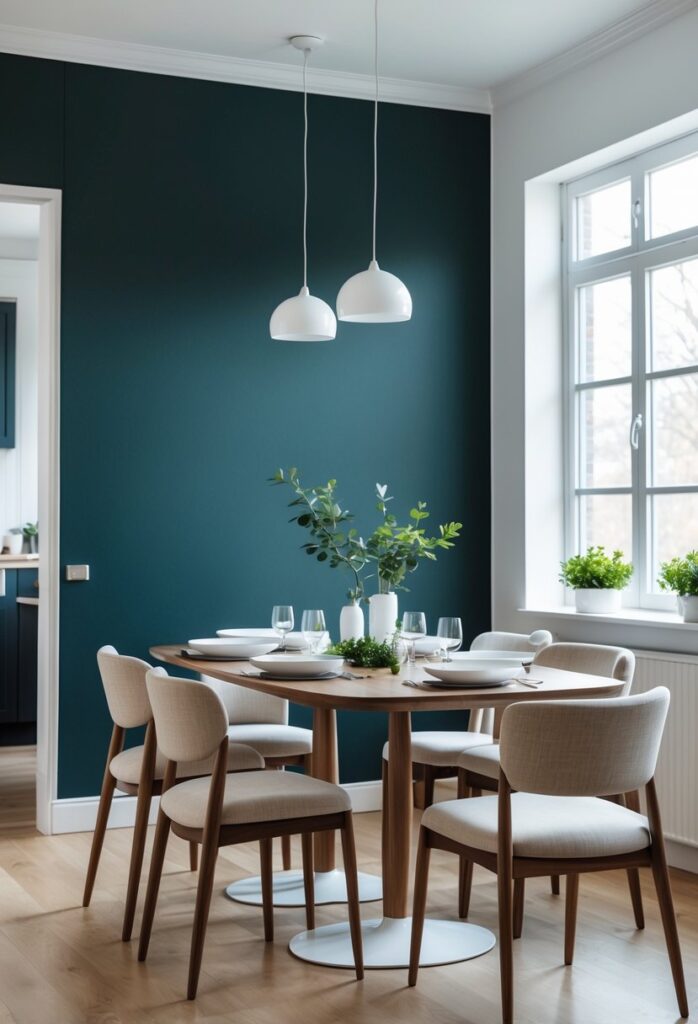
Painting an accent wall in deep navy or forest green adds a strong, elegant touch to dining rooms. These colors create a cozy, inviting atmosphere without overwhelming the space.
Both shades work well with wood furniture and neutral decor. They bring depth and contrast, making other features stand out.
Deep navy offers a rich, sophisticated look. Forest green adds a natural, earthy feel that pairs well with various styles.
Choosing either color can refresh the room’s mood. Accent walls in these tones make the dining area feel more polished and stylish.
For more ideas on using colors like deep navy or green, see dining room accent wall ideas.
4) Choose organic modern furniture for a sleek, natural look
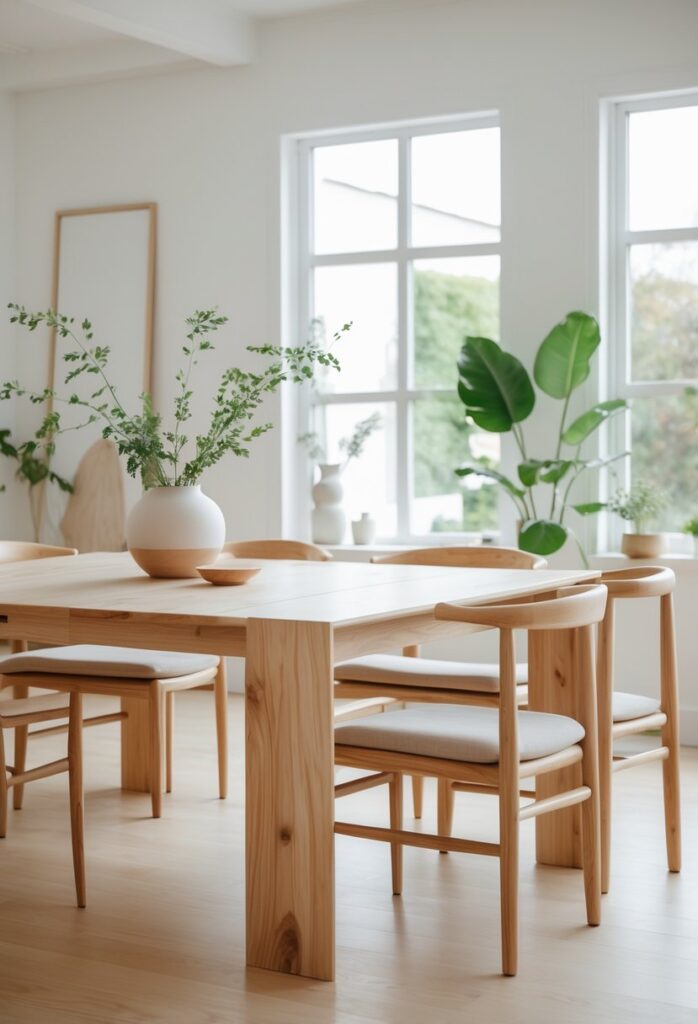
Organic modern furniture blends natural materials with simple, clean lines. It creates a balanced and calming space.
Wood pieces, like a solid walnut table, add warmth and texture. Sleek chairs in contrasting materials bring a modern touch.
Using natural elements such as stone or live-edge wood keeps the room grounded. This style feels both elegant and inviting.
Incorporating plants or soft textiles adds depth without cluttering the space. Lighting with wood or metal complements the overall look.
For inspiration, explore examples of organic modern dining room ideas to see how natural materials meet sleek design.
3) Add a built-in bench with storage for functional seating
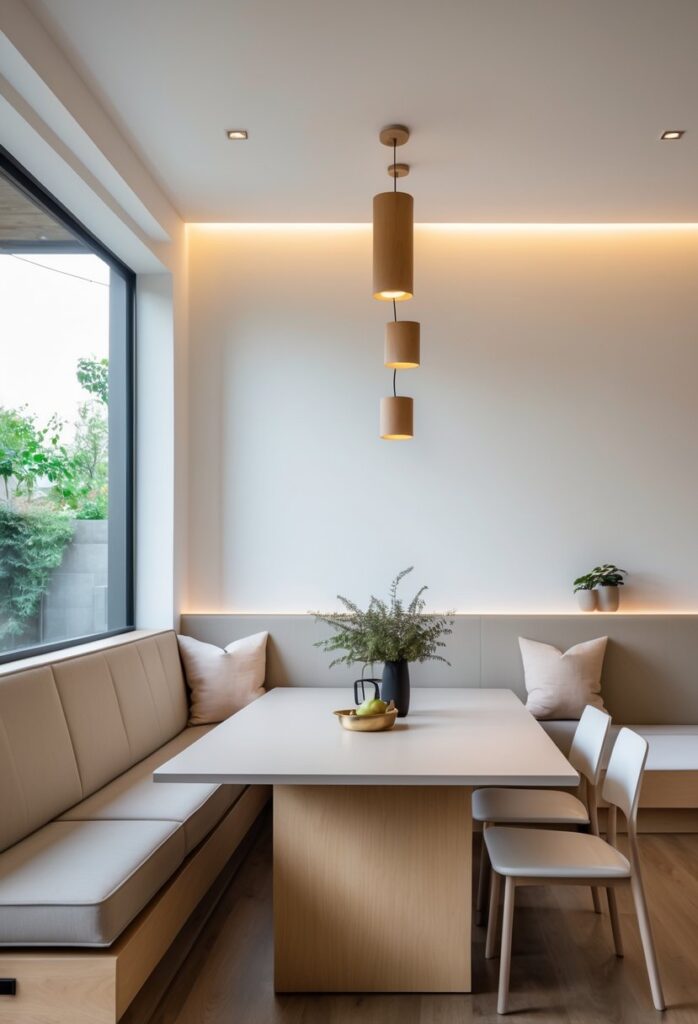
A built-in bench offers extra seating while saving floor space. It fits well along walls or in corners.
The bench can include storage under the seat. Drawers or open shelves keep dining essentials organized and easy to reach.
This design creates a cozy and practical area. It combines comfort with useful storage in one piece of furniture.
Adding cushions makes the bench more inviting. The storage helps reduce clutter by hiding items like table linens or dishware.
For step-by-step ideas, see how to build a built-in bench with storage.
2) Use a round dining table for better flow in small spaces
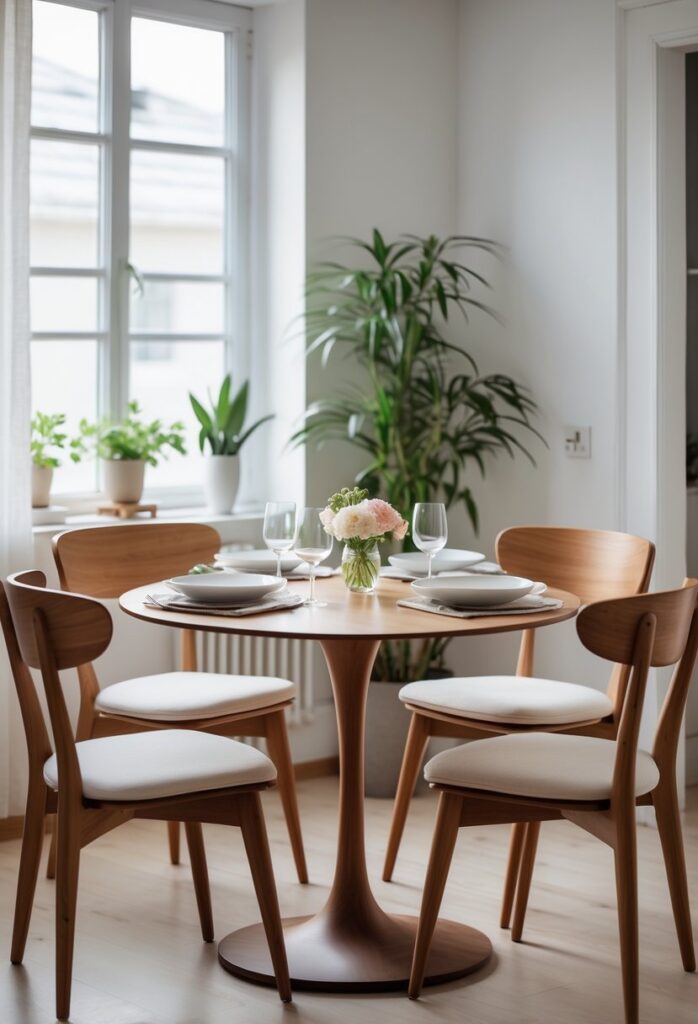
A round dining table works well in small rooms because it saves space. It allows easy movement around the table without sharp corners getting in the way.
This shape encourages conversation since everyone faces each other. It creates a cozy atmosphere without feeling crowded.
Round tables fit well in narrow or awkward spaces. They help maintain an open flow and make the room feel less tight.
For more ideas on using round tables, see this guide on stunning round dining tables for small spaces.
1) Incorporate a statement chandelier to elevate the room’s ambiance
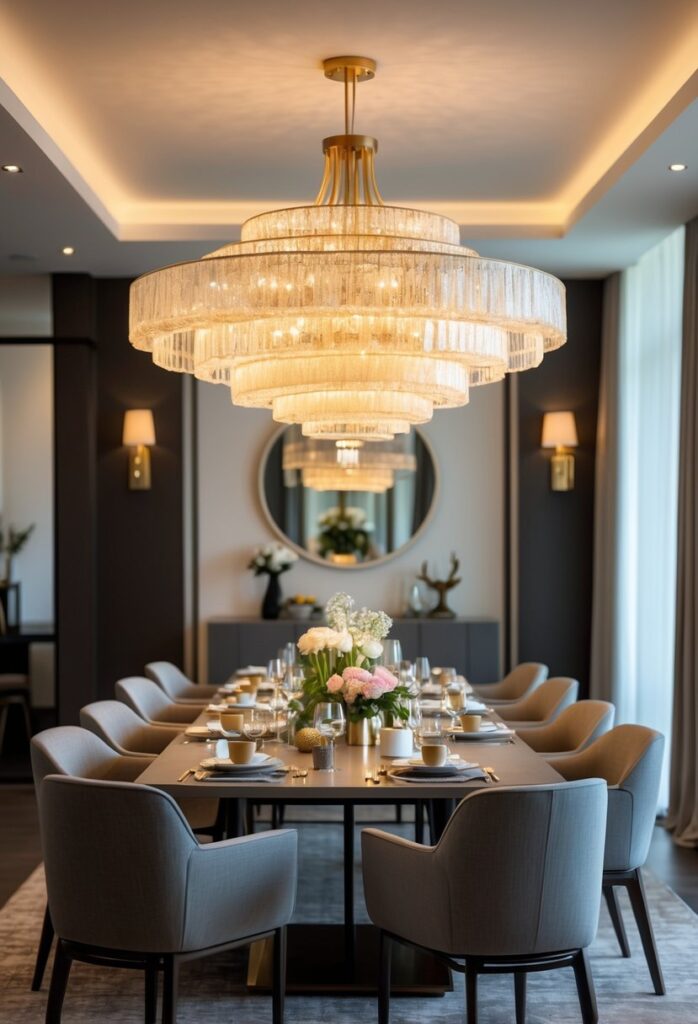
A statement chandelier adds style and light to the dining room. It draws attention and creates a focal point.
Choosing the right size is important. A chandelier that fits well over the table balances the space.
Different styles work for different rooms. Crystal designs bring elegance, while modern shapes offer simplicity.
Dimmable bulbs allow control over the mood. This makes the room versatile for both casual meals and special occasions.
Using a statement chandelier can lift the whole atmosphere. It blends function with artistic design to enhance the dining experience.
For more ideas on choosing and placing chandeliers, see dining room chandelier ideas that elevate your space.
Design Principles for Dining Spaces

A well-designed dining area balances how the space looks and works. It should flow smoothly and take advantage of natural light to feel open and welcoming. These key factors shape the comfort and style of the room.
Balancing Form and Function
The dining room must serve its purpose while looking good. Choosing the right table size is crucial: it should fit the room without crowding it. For example, a rectangular table works well in narrow spaces, while round tables create intimacy in smaller rooms.
Chairs should be both comfortable and match the style of the table. Materials like wood, metal, or fabric add texture and character. Storage options, such as a buffet or sideboard, can keep essentials handy without cluttering.
Key points for balance:
- Size furniture to fit the space
- Prioritize comfort in seating
- Use complementary materials and colors
- Include storage for usability
Creating Visual Flow
Visual flow means arranging the room so the eye moves naturally and nothing feels out of place. It starts with positioning the table where people enter easily and can move around freely.
Spacing is important: allow at least 36 inches between the table and walls or other furniture. This prevents crowding and makes the room feel open. Using consistent colors or repeating patterns in fabrics and décor ties the room together.
Paths to other rooms should stay clear. Lighting fixtures, like a centered chandelier, help focal points stand out and guide the eye.
Maximizing Natural Light
Natural light brightens the dining area and makes it feel larger. Positioning the table near windows offers views and daylight during meals.
Window treatments should let in light but reduce glare. Sheer curtains or blinds are practical choices. Avoid heavy drapes that darken the space.
Mirrors placed opposite windows reflect light deeper into the room. Lighter wall colors help bounce sunlight around the space, enhancing brightness.
These strategies create a cheerful atmosphere and reduce the need for artificial lighting during the day. For detailed ideas on layout and flow, see 12 Dining Room Layout Ideas for Better Flow, Backed by Designers.
Common Mistakes to Avoid

Creating a dining room that is both functional and inviting requires careful attention to space, lighting, and style. Overlooking these details can lead to an uncomfortable or disjointed dining experience for guests and family alike.
Overcrowding the Space
One frequent error is placing too much furniture or choosing pieces that are too large for the room. This can make moving around difficult and cause the dining area to feel cramped. It is important to measure the space before buying furniture and leave at least 36 inches of clearance around the table for chairs to slide out comfortably.
Avoid bulky chairs or oversized tables in small rooms. Instead, opt for furniture scaled to the room’s size to maintain balance. Leaving enough space helps people move freely and improves the overall flow. Crowded rooms are less inviting and can make hosting meals stressful rather than enjoyable.
Ignoring Lighting Needs
Lighting plays a critical role in dining room atmosphere and function. Relying on a single overhead fixture often results in harsh or uneven light. It’s best to combine ambient, task, and accent lighting to create a warm and adaptable environment.
A dimmable chandelier or pendant light above the table sets the mood, while wall sconces or lamps can soften shadows. Natural light should be maximized during daytime meals but balanced with window treatments to reduce glare. Journaling lighting needs ensures the room looks good and feels comfortable at every hour.
Neglecting Cohesive Style
Ignoring style harmony can cause the dining room to feel disjointed. Mixing too many colors, patterns, or furniture styles without a clear plan confuses the eye and disrupts flow between connected rooms.
Choosing a consistent color palette and complementary materials helps unify the space. For example, matching wood tones or coordinating upholstery fabrics can tie various elements together. Keeping decor simple and purposeful allows the dining room to feel thoughtful and polished rather than cluttered or random.
For more tips on avoiding these pitfalls, see 9 Dining Room Design Mistakes You Might Be Making (And How to Fix Them).