
7 Reading Nook Ideas to Enhance Your Home Comfort and Style
Creating a reading nook is a simple way to add a cozy and inviting space to any home. It can be made in small corners, window seats, or even unused closets. These personalized spots encourage relaxation and make reading more enjoyable.
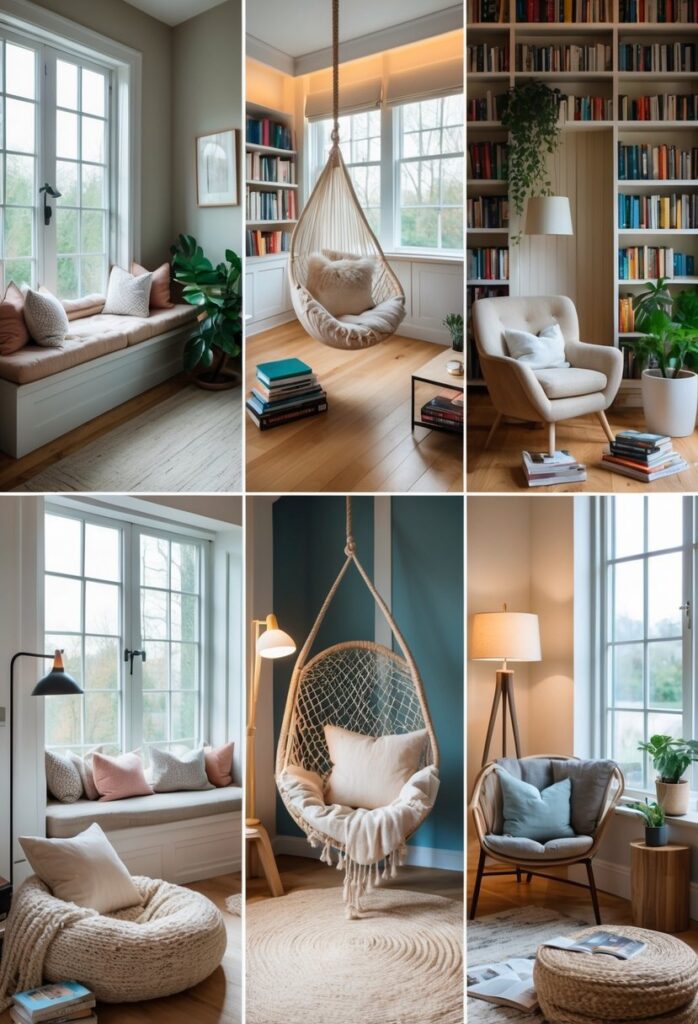
The right reading nook offers comfort and a quiet place where anyone can focus on their book without distractions. It can be designed to fit different needs, from a child’s imaginative hideaway to a calm retreat for adults.
1) Window seat with built-in storage
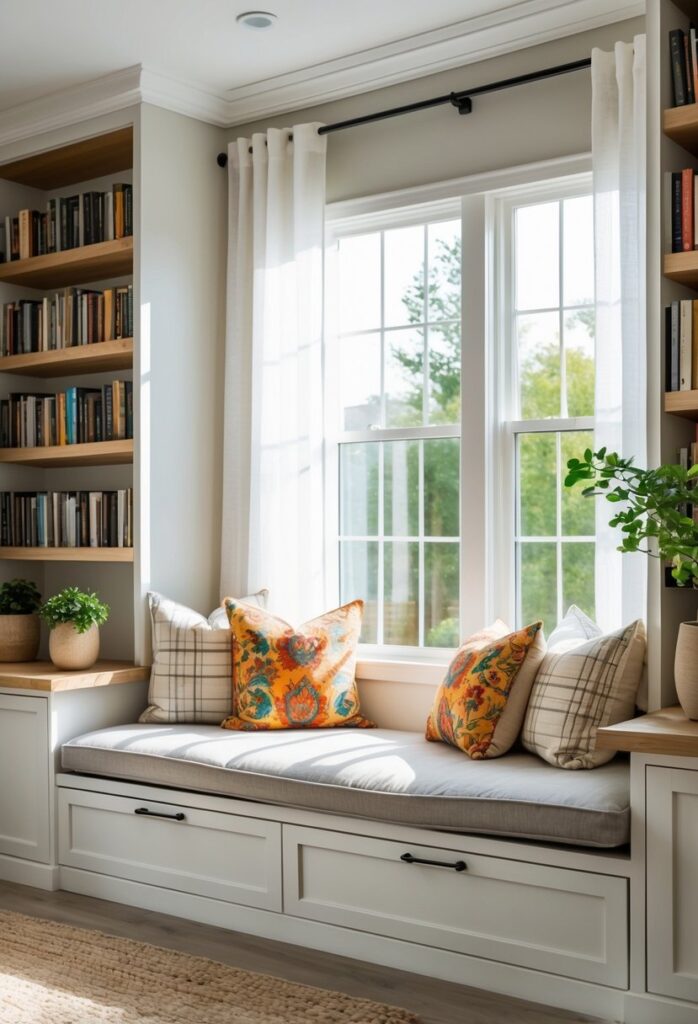
A window seat with built-in storage combines comfort and practicality. It provides a cozy spot to read while keeping the area organized.
The storage below can hold books, blankets, or toys. This makes it ideal for small rooms with limited space.
Choosing sturdy materials and fitting a soft cushion enhances comfort. Adding drawers or shelves maximizes usability without taking extra space.
2) Cozy armchair with layered throw pillows
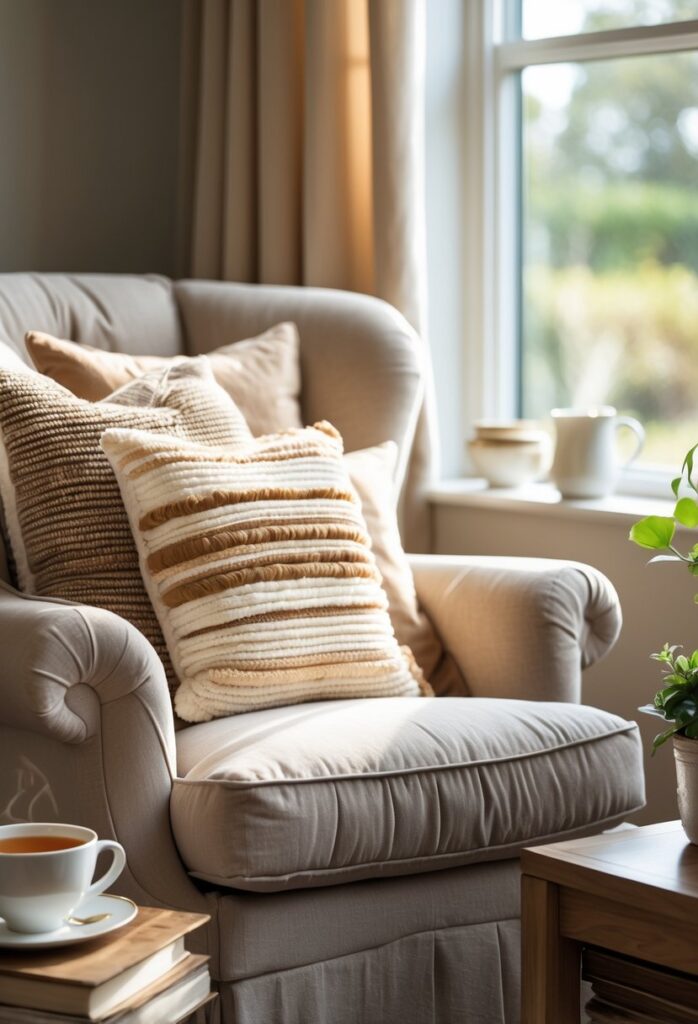
A cozy armchair creates a dedicated spot for reading comfort. It offers both support and softness.
Layered throw pillows add extra padding and warmth. They can be arranged to suit different sitting positions.
Choosing pillows with varied textures also improves the feel. Wool, knit, or velvet materials work well.
This setup fits nicely in small spaces or corners. It makes a simple area inviting without much effort.
3) Converted closet reading cave
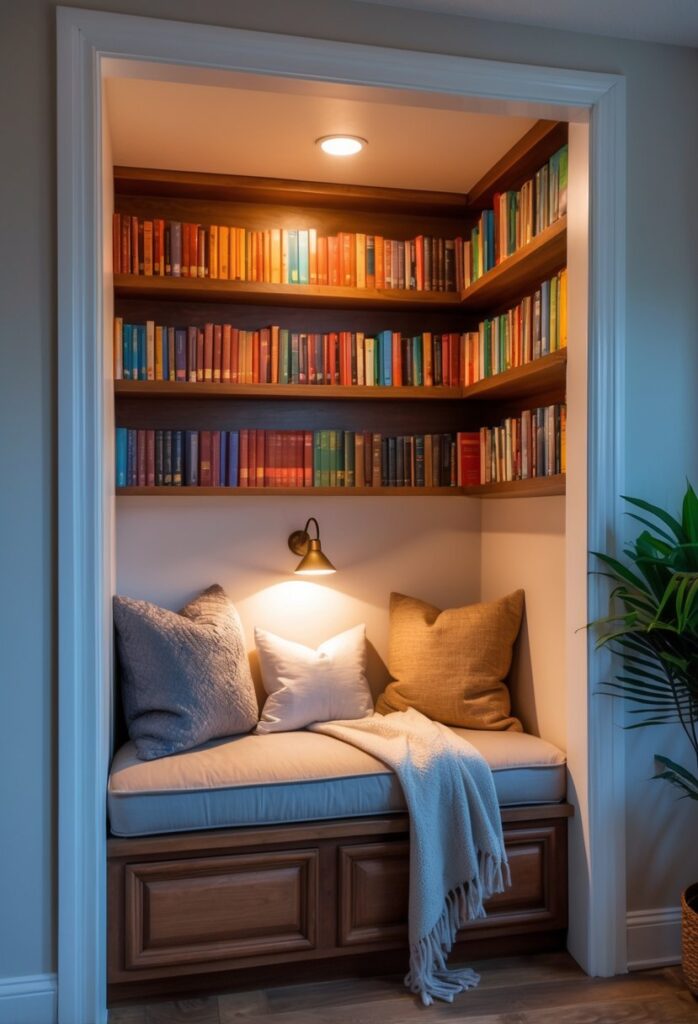
A converted closet can become a quiet, private reading cave. It uses small space well.
Adding a built-in bench or cushions makes sitting comfortable. Shelves keep books organized nearby.
Good lighting is important. Soft lamps or LED strips help avoid strain.
Decor is simple but cozy. Blankets, pillows, and warm colors make it inviting.
This reading cave fits well in any home with limited space. It creates a calm spot to focus.
4) Nook with adjustable warm LED lighting
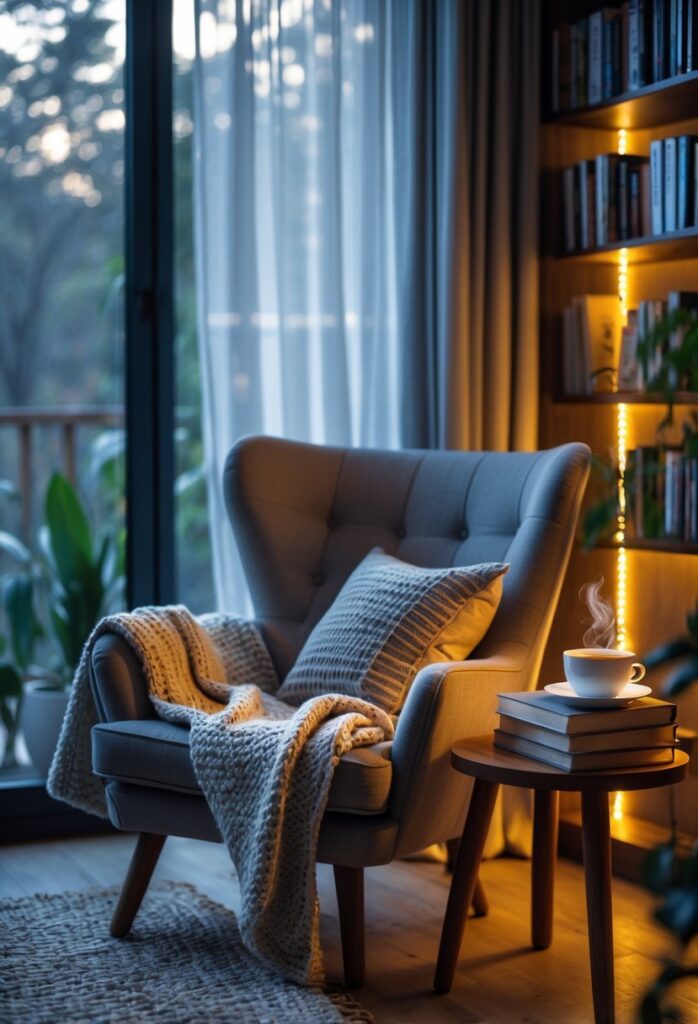
Adjustable warm LED lighting allows users to control the brightness and color temperature. This makes the reading space comfortable at any time of day.
Warm light reduces eye strain and creates a cozy atmosphere. It helps the reader feel relaxed and focused without harsh glare.
LED lights use little energy and last longer than other bulbs. This makes them a practical choice for a reading nook.
The ability to dim or brighten the light means it can suit different books or moods. It also helps prepare the body for sleep with softer settings.
Placing the LED light near seating or bookshelves ensures the area is well-lit. Adjustable fixtures add flexibility for various reading positions.
5) Bookshelf wall surrounding a small bench
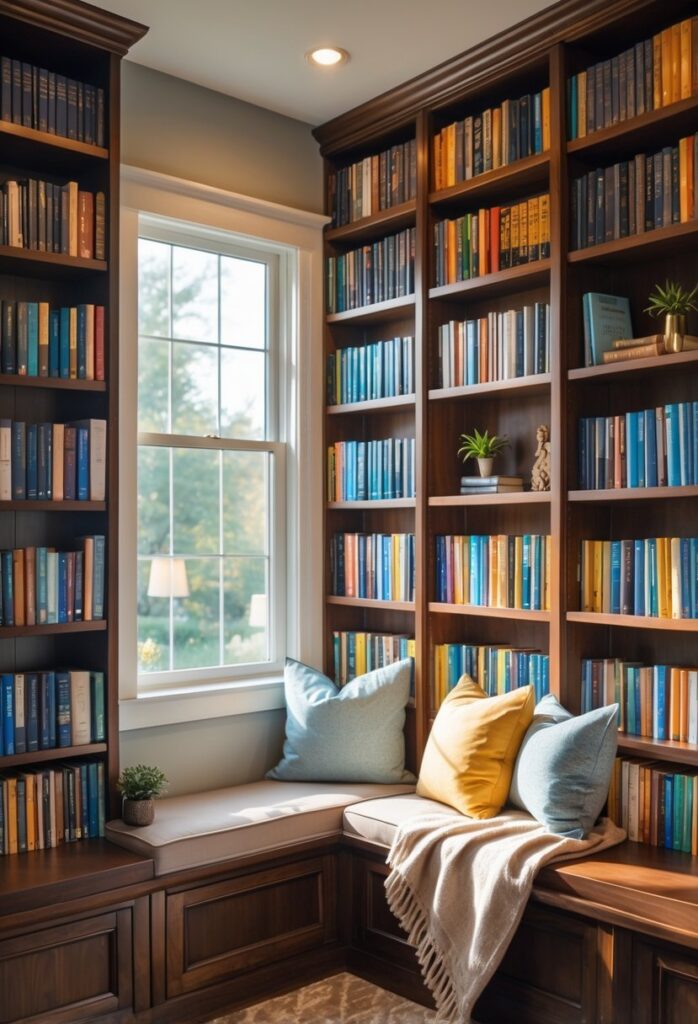
A bookshelf wall around a small bench creates a compact, efficient reading nook. It uses vertical space to store and display books while providing a cozy seat.
The bench often includes storage underneath for extra books or blankets. This keeps the area tidy and helps maximize limited space.
Wall shelves can be arranged to fit the nook’s size and shape. Front-facing books add visual interest and make it easy to find favorites.
This design works well in narrow or small rooms. It combines seating and storage into one area, perfect for tight spaces.
6) Floating shelves above a cushioned bench
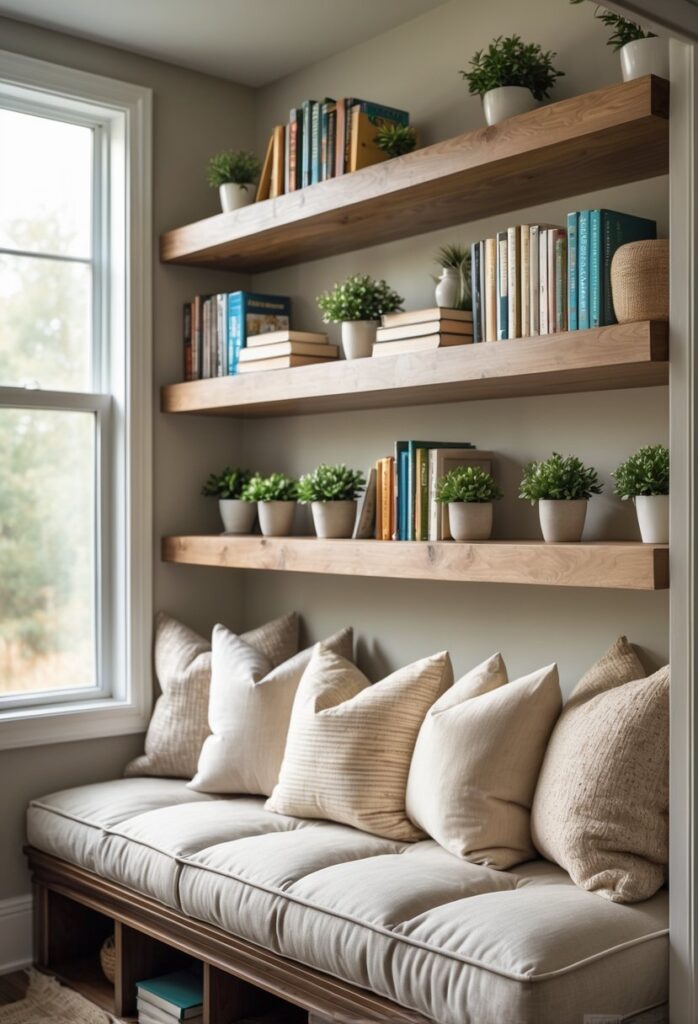
Floating shelves installed above a cushioned bench create a neat and functional reading space. They keep books close at hand while freeing up floor space.
The bench should have soft cushions for comfort during long reading sessions. Adding pillows can enhance coziness without crowding the area.
These shelves work well in small rooms or corners. They make use of vertical space and keep the nook organized.
Light-colored wood shelves add warmth and blend well with many decor styles. Secure mounting is important to hold books safely.
This setup benefits from nearby lighting, like wall sconces or LED strips. Proper light helps reduce eye strain while reading.
7) Reading loft with soft rugs and blankets
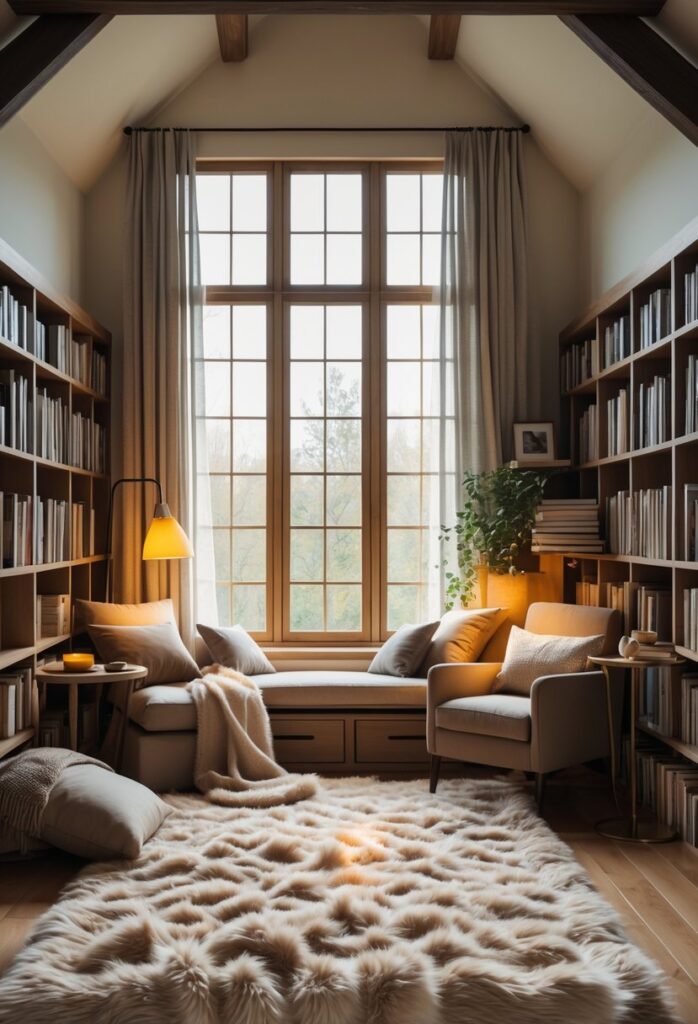
A reading loft with soft rugs and blankets creates a warm, inviting space. Rugs add comfort underfoot and help define the nook area.
Choosing plush rugs in neutral colors makes the loft feel calm and cozy. Blankets provide extra warmth for long reading sessions.
Layering different textures with blankets and cushions adds depth to the space. It encourages relaxation and comfort while reading.
This setup works well in small or large lofts. It helps turn an unused area into a peaceful retreat.
Design Principles for Creating Cozy Reading Nooks
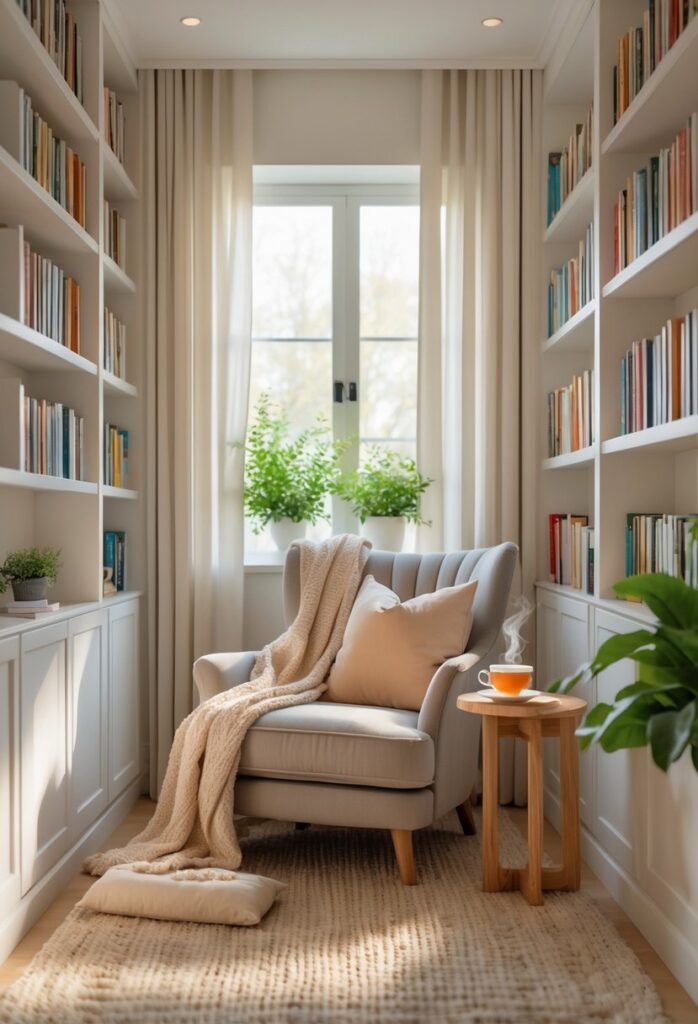
Creating a cozy reading nook means carefully picking the spot, choosing the right seating, and planning the lighting well. These elements work together to build a space that feels inviting and comfortable, helping anyone focus on their book without distractions.
Choosing the Right Space
The best reading nook fits naturally into a quiet corner or unused part of a room. Near a window is ideal because it offers natural light and a view that adds calm. Spaces like alcoves, under stairs, or empty closets can also work well if they are cleaned out and made cozy.
The area should be free from heavy foot traffic to avoid distractions. Size matters too; it does not need to be big but should be enough for comfortable seating and a small shelf or table. Good ventilation helps keep the nook fresh.
Choosing a space with easy access to power outlets is useful for reading lamps or charging devices. This practical detail adds to the comfort and use of the nook.
Selecting Comfortable Seating
Comfortable seating is key in a reading nook. Chairs with soft cushions, armrests, and back support help maintain good posture during long reading sessions. A small sofa, bean bag, or padded window seat also works well.
The seating should match the size of the space. For small nooks, a single armchair or a built-in bench with cushions is enough. Bigger areas allow for couches or multiple chairs.
Adding throw pillows and blankets improves comfort and warmth. Materials like cotton or fleece are soft and easy to clean. Make sure the seating fabric does not irritate the skin, especially when sitting for hours.
Optimizing Natural and Artificial Lighting
Lighting affects both comfort and focus in a reading nook. Natural light is best, so placing the nook near a window helps reduce eye strain during the day. However, glare from direct sunlight can be uncomfortable, so adjustable curtains or blinds are needed.
For nighttime or cloudy days, a mix of lighting types works best. A main overhead light sets the room’s brightness. Task lighting, like an adjustable reading lamp, should provide focused light on the page without shadows.
Warm white bulbs (2700K–3000K) create a soft, relaxing atmosphere. Avoid harsh fluorescent lights as they can be tiring to the eyes. Battery-powered or plug-in lamps offer flexibility if outlets are far.
| Lighting Tip | Purpose |
|---|---|
| Natural light near window | Daytime reading, mood boost |
| Adjustable curtains/blinds | Control glare and brightness |
| Warm white LED bulbs | Reduce eye strain and comfort |
| Adjustable reading lamp | Focused light for reading |
Incorporating Personal Touches
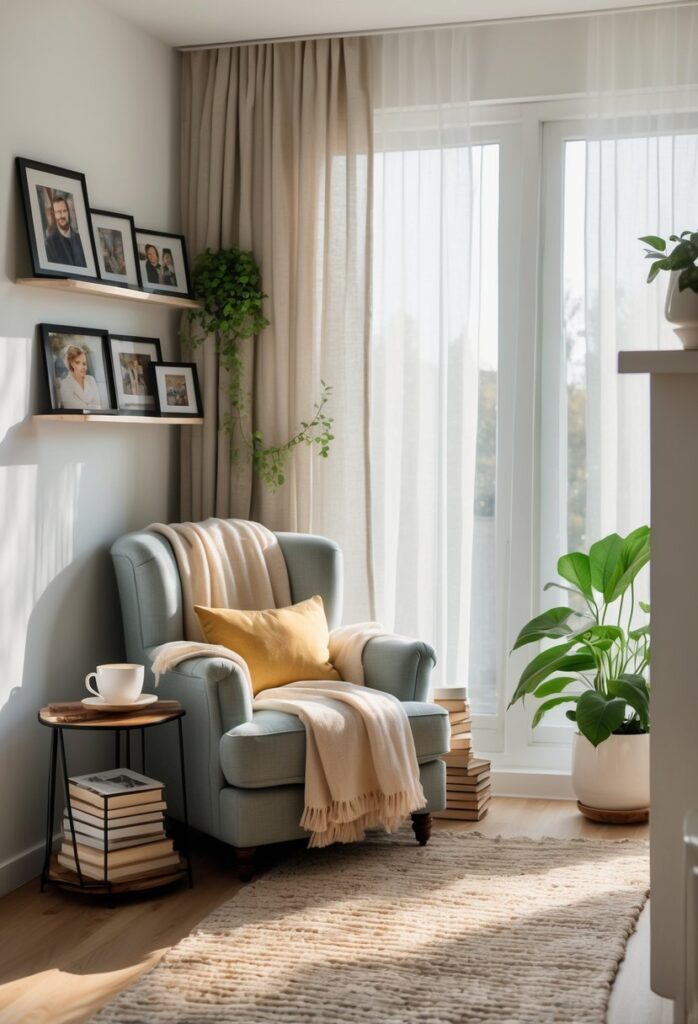
A reading nook should feel inviting and reflect the personality of the person using it. This can be done by carefully choosing items that have meaning and make the space both comfortable and visually appealing.
Integrating Favorite Books and Decor
Including favorite books is one of the simplest ways to personalize a reading nook. Shelves or small bookcases filled with well-loved titles invite use and create a sense of identity.
Decor items like framed photos, art prints, or souvenirs add character. These objects tell a story about the reader and their interests. A small plant or a unique bookend can also bring life to the space.
Lighting matters too. A lamp with an adjustable arm or soft colored bulbs creates the right mood for reading while showing individual style. The mix of books and decor should feel balanced, not cluttered.
Adding Textiles for Warmth and Texture
Textiles play an important role in making the nook cozy. Soft throw pillows in different shapes and colors give comfort and a touch of personality. Layering with blankets or throws invites relaxation.
Choosing textures like knit, fleece, or velvet can add depth without overpowering the space. Curtains or rugs can also enhance warmth and define the area visually.
Using textiles allows for seasonal changes. Swapping out pillows or blankets with lighter or heavier materials can keep the nook comfortable year-round, reflecting practical style as well as personal taste.