6 Edible Flowers to Enhance Your Culinary Creations
Edible flowers have become a popular way to add color, flavor, and texture to meals and drinks. They offer a simple way to make everyday dishes more interesting while bringing a natural touch from the garden to the plate. Many people are curious about which flowers are safe to eat and how they can be used in cooking.
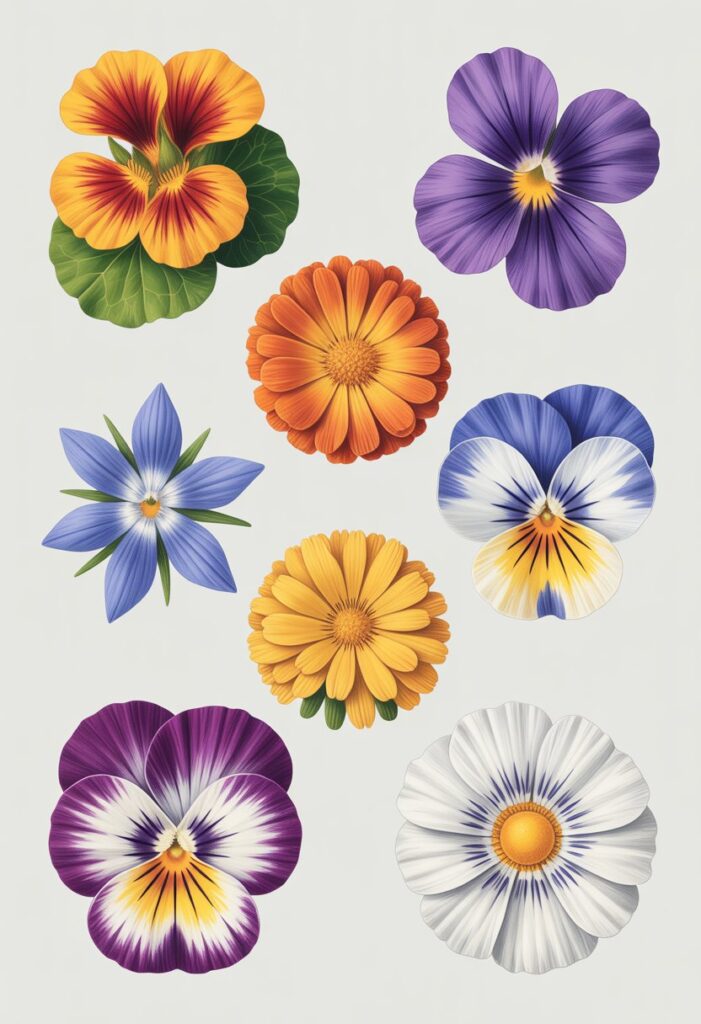
This article highlights six common edible flowers and explains their uses, flavors, and how to enjoy them safely. Knowing a few well-chosen flowers can inspire creative cooking and gardening at the same time. It also helps to understand how to select and prepare these flowers for the best taste and appearance. For more details on edible flowers, visit this list of 27 edible flowers with pictures.
1) Roses – fragrant and versatile, perfect for desserts and teas
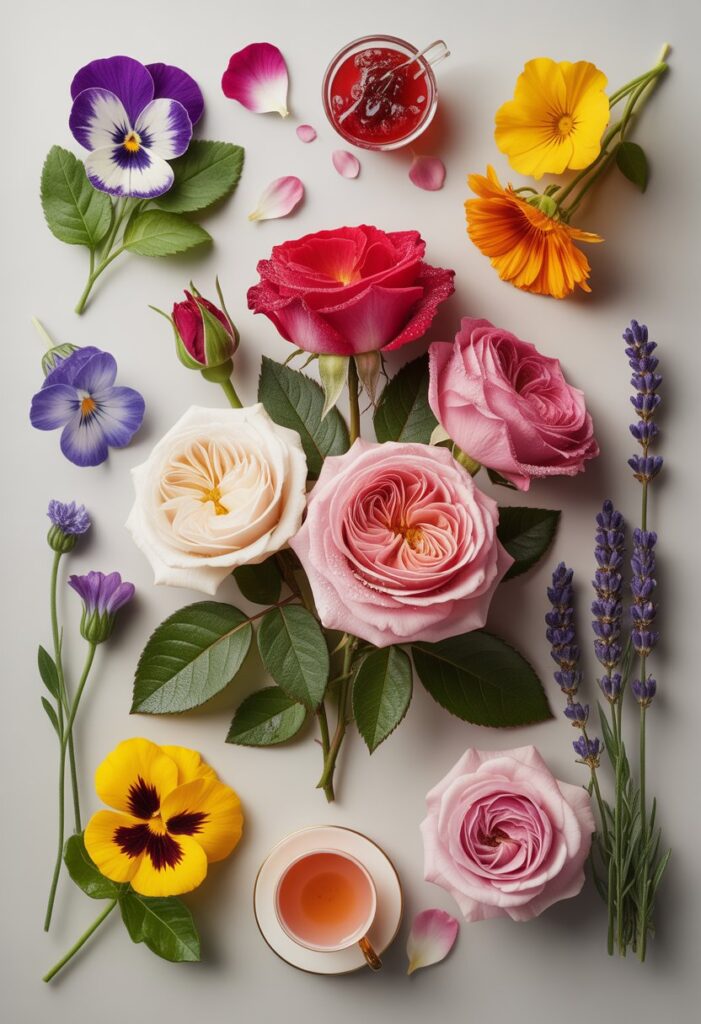
Roses are one of the most popular edible flowers. Their petals add a subtle sweetness and floral aroma.
They work well in desserts like cakes and jams. Rose petals can also be used to brew fragrant teas.
Some rose varieties, like the Flavorette Pear’d, are grown specifically for eating due to their soft, thick petals. They bring both flavor and a touch of elegance to dishes. More details on edible roses are available at Petal Republic.
2) Pansies – mild, slightly sweet flavor great for salads
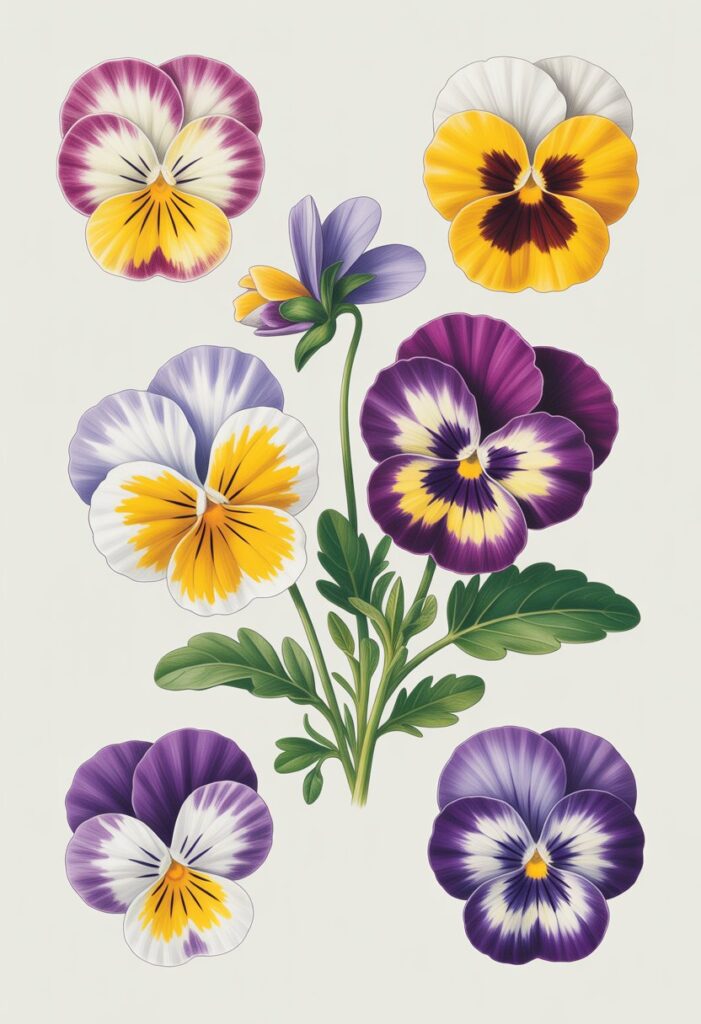
Pansies have a mild, slightly sweet taste that makes them a popular choice for salads. Their flavor is often compared to lettuce with a faint peppery or grassy note. They add both color and a delicate texture.
These flowers come in many colors, such as purple, yellow, and white. Chefs use them to garnish salads, desserts, and drinks. Eating pansies fresh is the best way to enjoy their subtle flavor and vibrant appearance.
For safety and quality, it’s ideal to grow pansies yourself or buy those labeled as edible. You can find more details on their culinary uses at this page about edible pansy flowers.
3) Violas – colorful and delicate, ideal for garnishes
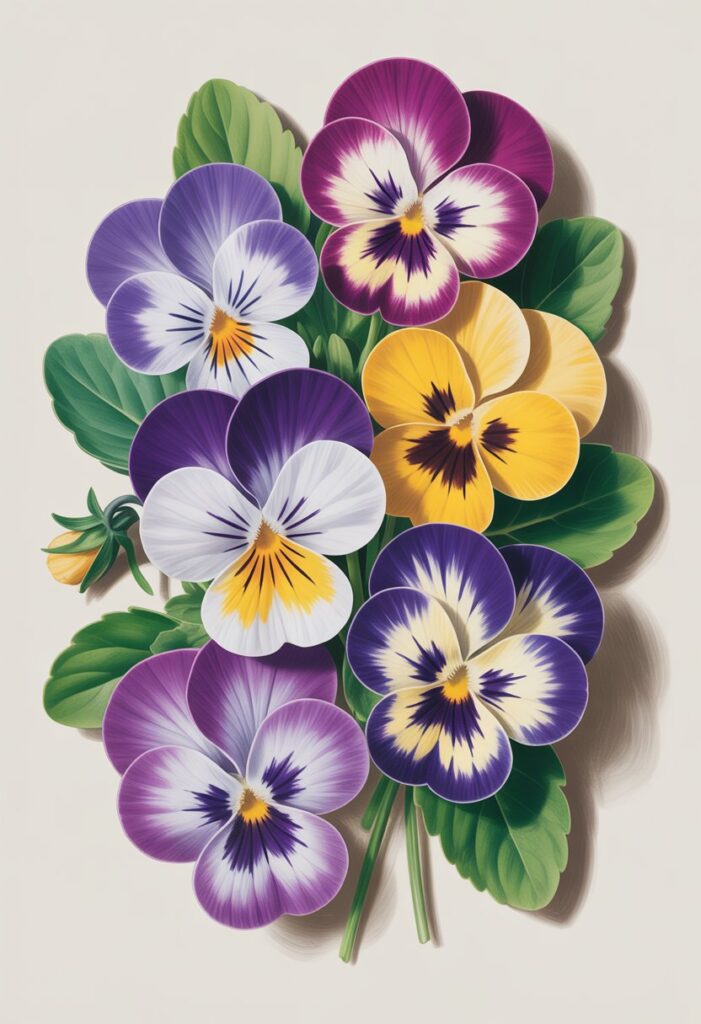
Violas are small, bright flowers that come in many colors. They add a gentle touch and mild flavor to dishes without overpowering them.
They work well as garnishes on salads, desserts, and appetizers. Their delicate petals bring visual appeal and a subtle floral note.
Violas are easy to grow and care for, making them a popular choice for edible flowers in cooking and decoration. See more on using violas as edible garnishes.
4) Bee Balm – minty flavor, suitable for drinks and savory dishes
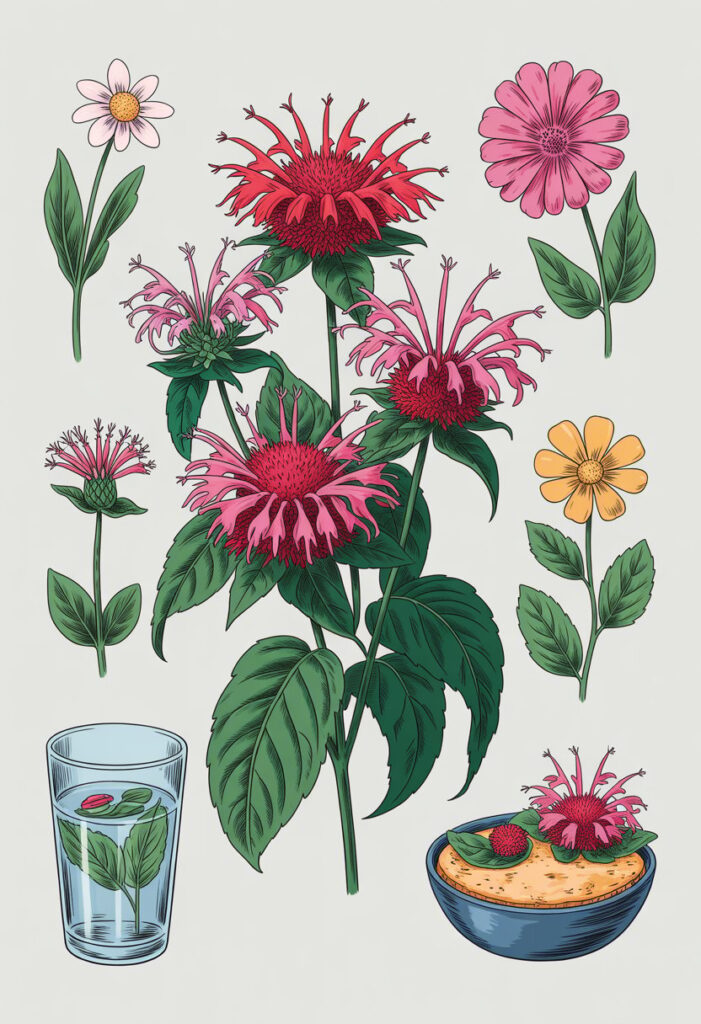
Bee balm has a strong minty flavor with hints of citrus and oregano. Its leaves and flowers add a fresh, spicy taste to salads and savory meals.
It is often used to make teas or flavored syrups for cocktails. The bright flowers also serve as a colorful garnish.
Fresh bee balm works best, as drying can reduce its flavor intensity. It belongs to the mint family and is appreciated for both taste and aroma. For more uses, see how to use bee balm in drinks and cooking.
5) Dandelions – slightly bitter, used in salads and syrups
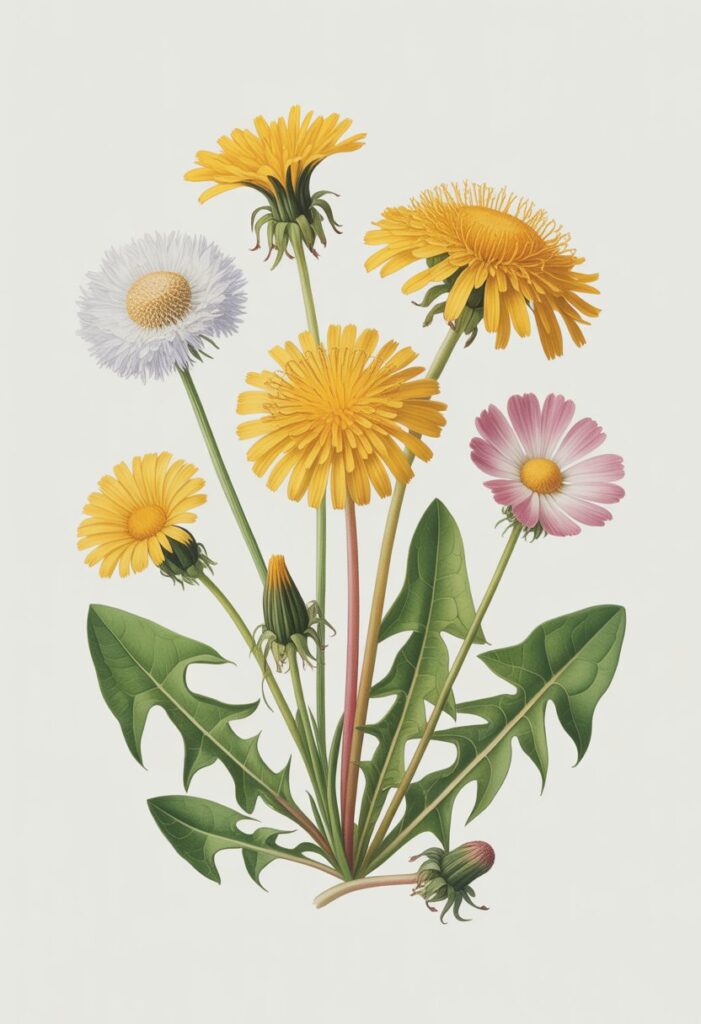
Dandelion flowers have a mild, sweet flavor that balances their slightly bitter leaves. The leaves are often added to salads for a unique, bitter note. Younger leaves tend to be less bitter and more tender, making them easier to enjoy fresh.
The flowers can also be used to make syrups, jellies, and even wine. These uses highlight their gentle, honey-like taste. Dandelions are versatile, edible flowers that add interest to both savory and sweet dishes. Learn more about using dandelions in cooking here.
6) Elderflower – floral and sweet, often used in beverages
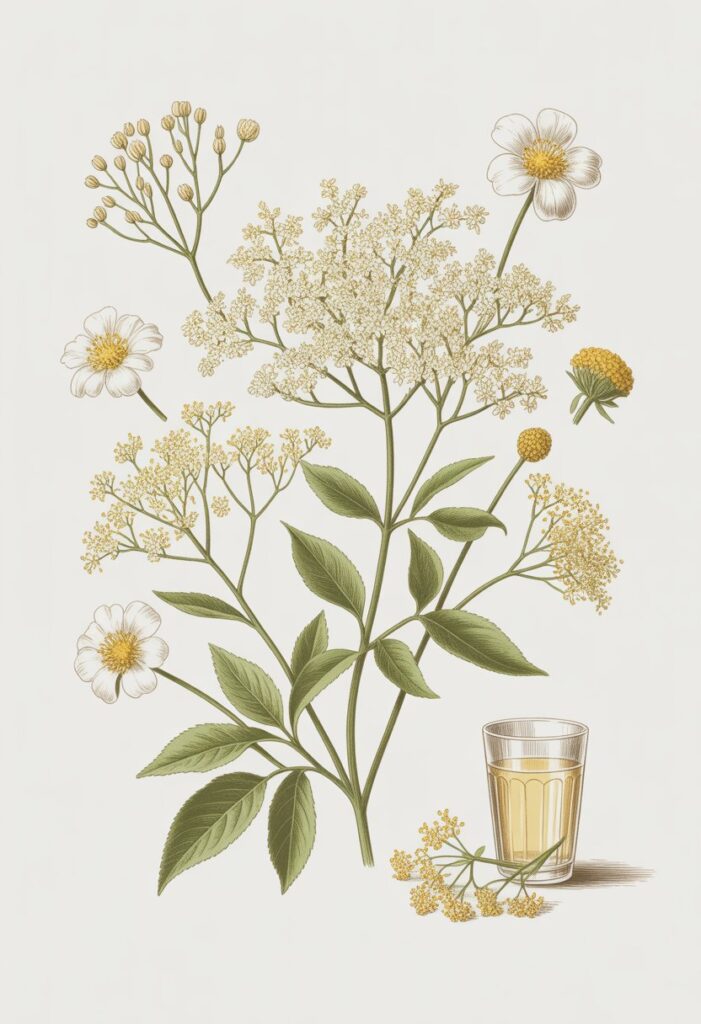
Elderflower has a delicate floral flavor with a subtle sweetness. It is commonly used to make elderflower cordial, syrup, and tea. These drinks highlight its refreshing taste.
The flowers are small and white, growing on the elder tree. They are also used in desserts and jellies, adding a unique aroma and light sweetness. Fresh elderflowers work best when used quickly to keep their flavor. Learn more about using elderflowers in drinks and recipes from this detailed guide on elderflower uses and preparation.
How to Safely Prepare Edible Flowers
Proper handling of edible flowers is crucial to avoid health risks. It requires careful selection, cleaning, and awareness of possible allergens and toxic plants. Attention to these details ensures flowers are safe to eat and enhance dishes without harm.
Sourcing Tips
Edible flowers should come from trusted sources, such as organic growers or suppliers who avoid pesticides and chemicals. Flowers picked from roadsides, public parks, or unknown gardens may contain harmful toxins, pollutants, or insecticides and should be avoided.
Only select flowers known to be edible, like nasturtiums, pansies, or calendula. Always confirm the species to prevent accidental ingestion of toxic varieties. When buying from a store or farmer’s market, ask if they are specifically grown for consumption.
Growing edible flowers at home is a good alternative and gives control over growing conditions. Keep flowers separated from plants treated with sprays or fertilizers not labeled safe for food crops.
Cleaning and Storage Recommendations
Before using edible flowers, gently rinse them under cold water to remove dirt or bugs. Avoid soaking them, as flowers are delicate and can become soggy. Use a salad spinner or pat dry with paper towels to remove moisture.
Store flowers in a paper towel-lined container placed inside a refrigerator. This helps absorb excess moisture and prolongs freshness. Use flowers as soon as possible because they wilt quickly.
If storing longer, some flowers freeze well or can be preserved in sugar or honey. Avoid storing near strong-smelling foods, as flowers easily absorb odors.
Allergen and Toxicity Considerations
Some edible flowers may trigger allergies or digestive upset, especially for those with pollen or plant sensitivities. Start by eating small amounts to test for reactions.
Certain parts of a flower, like stamens or pistils, might be bitter or toxic. Always remove these before eating unless the variety is fully edible.
Avoid using wild-picked flowers unless confident in identification and safety. Consult reliable guides to distinguish edible species from toxic look-alikes. Awareness of these factors protects consumers from poisoning and allergic reactions.
For more details, see tips on safely preparing edible flowers at smartgardenguru.com.
Creative Culinary Uses for Edible Flowers
Edible flowers add both color and flavor to dishes in simple yet effective ways. They can be used as eye-catching garnishes or mixed directly into recipes to enhance taste and texture. Each use brings out unique qualities of the flowers, allowing cooks to experiment widely.
Garnishing Techniques
Using edible flowers as garnishes is a straightforward way to enhance a dish’s appearance. Flowers like pansies, nasturtiums, and violets are popular because of their vibrant colors and delicate shapes. They can be placed whole on salads, soups, or desserts to create a striking visual contrast.
Flowers can also be crystallized by coating them with egg white and sugar. This adds a slight crunch and long-lasting decoration for cakes or cocktails. Another method is to freeze small edible flowers into ice cubes, which works well for cold drinks or punch bowls.
To keep garnishes fresh, flowers should be picked or bought the same day the dish is served. Avoid flowers treated with pesticides. Presentation plays a big role, so arranging blossoms thoughtfully can turn a simple meal into something elegant.
Incorporating Flowers Into Recipes
Edible flowers provide unique flavors that can be blended into many recipes. For example, lavender adds a floral aroma to baked goods, while calendula petals lend a mild, peppery taste to soups and stews. Borage flowers have a cucumber-like flavor and work well in cold salads or drinks.
Flowers can be infused into liquids such as syrups, teas, or vinegars to create floral notes without overpowering the dish. For example, rose petals are excellent for making syrups to flavor beverages and desserts.
In savory dishes, flowers like chive blossoms can complement cheeses or egg dishes. Petals can also be added to herb butters or sauces for color and subtle flavor. Careful use of edible flowers can elevate a dish’s complexity without masking its main ingredients.
For tips on choosing the right flowers and recipes, see more about cooking with edible flowers.
Frequently Asked Questions
Edible flowers add color, flavor, and texture to a variety of dishes and drinks. Knowing which types work best for specific uses and how to identify safe options is important for anyone cooking with blooms.
What are the best types of edible flowers to use for cake decoration?
Roses are a top choice for decorating cakes due to their fragrance and versatility. Pansies also work well because of their mild, slightly sweet flavor and bright colors that add visual appeal.
Which edible flowers are safe to use in preparing cocktails?
Bee Balm is popular in cocktails because of its minty flavor. Its unique taste pairs nicely with both alcoholic and non-alcoholic drinks. Rose petals are also safe and offer a fragrant touch.
Where can I purchase fresh edible flowers for culinary use?
Fresh edible flowers are often available at farmers markets, specialty grocery stores, or online retailers specializing in culinary herbs and flowers. It’s important to buy from sources that grow flowers specifically for eating to avoid pesticides.
Can you provide a list of edible flowers that are commonly used in dishes?
Common edible flowers include roses, pansies, violas, bee balm, and dandelions. These flowers vary in flavor from sweet to slightly bitter and can be used in desserts, salads, garnishes, and beverages.
How can I tell if a flower is safe and suitable for consumption?
Only eat flowers grown without pesticides and verified as edible. Avoid flowers from florists, nurseries, or roadside plants unless you confirm they are safe. When unsure, refer to trusted guides on edible flowers.
What are some popular edible flowers that can be used in salads and garnishes?
Pansies and violas are favorites for salads and garnishes because of their mild flavor and colorful appearance. Dandelions add a slightly bitter taste and work well in both salads and syrups.