How to Replant a Plant: Expert Steps for Healthy Growth
Replanting a plant is an essential step to keep it healthy and encourage new growth. It involves moving the plant from its current pot into a bigger one or fresh soil to give the roots more space and nutrients. The key to successfully replanting a plant is to choose the right pot size, prepare the plant carefully, and handle the roots gently to avoid damage.
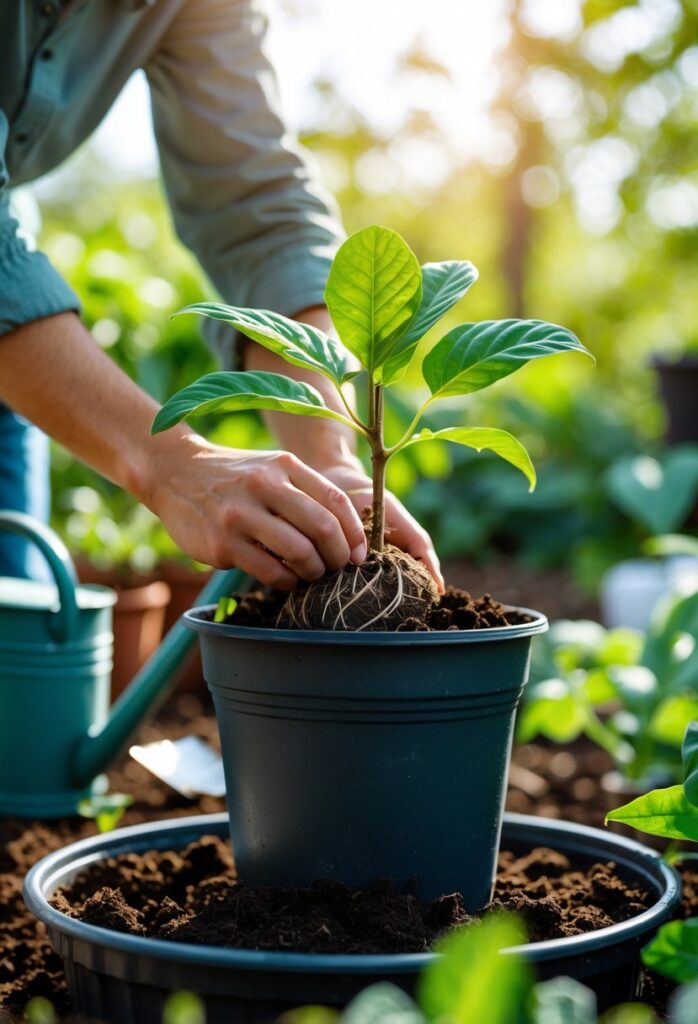
When done correctly, replanting helps prevent the plant from becoming root bound, where roots grow in tight circles and limit growth. Watering before removal makes it easier to take the plant out and protects the roots. After placing the plant in fresh soil, watering again helps the roots settle and absorb nutrients in their new environment.
Understanding these basics will make replanting a less stressful and more productive task. This guide will break down the steps clearly and simply to help anyone replant a houseplant with confidence and care.
Key Takeways
- Plants need fresh soil and space to grow healthy roots.
- Proper pot size and gentle root handling are essential.
- Watering before and after replanting supports plant recovery.
When and Why to Replant a Plant
Replanting a plant is important when its current environment limits growth or health. Knowing the right time and reasons to repot helps keep plants strong and thriving. Key factors include watching for clear signs your plant needs more space, choosing the right season, understanding the advantages of fresh soil, and identifying rootbound conditions.
Recognizing Signs Your Plant Needs Replanting
A plant that needs repotting often shows specific signs of stress. One common signal is roots growing out of the drainage holes or circling tightly inside the pot. This means the plant is rootbound and lacks room to expand.
Other signs include soil drying out very quickly after watering or the plant wilting even though it’s been watered. Stunted growth and yellowing leaves can also indicate it needs fresh soil and space.
If a plant needs frequent watering or the growth seems slow despite proper care, it’s time to repot. This helps provide more nutrients and room for roots to grow.
Best Time of Year to Replant
Spring is usually the best time to repot plants, especially houseplants and outdoor perennials. This is when plants naturally enter their main growing period. Roots will establish well in fresh soil, helping the plant recover faster.
Repotting during active growth allows the plant to adapt and thrive in its new container. Avoid repotting in winter, as plants are often dormant and may struggle to recover.
For indoor plants, early spring provides warmth and light, aiding root development before the growing season. Preparing your plant during this time results in better long-term growth.
Benefits of Fresh Potting Soil
Replacing old soil with fresh potting mix improves water drainage and nutrient availability. Over time, potting soil loses nutrients and may compact, reducing air around roots.
Fresh soil reduces the risk of disease by removing harmful pathogens and old minerals. It also helps regulate moisture, preventing root rot or dryness.
New potting mix tailored to a specific plant type supports healthy root function and overall growth. This refresh helps plants absorb water and nutrients more effectively, encouraging stronger, vibrant growth.
Understanding Rootbound Plants
Rootbound plants have roots packed tightly around the pot’s edges. They show limited new growth because roots struggle to find space for water and nutrients.
To help rootbound plants, roots must be gently loosened and trimmed if necessary when repotting. This prevents them from circling again and encourages outward root growth.
If ignored, a rootbound condition causes stress, weakens the plant, and can lead to leaf drop or poor flowering. Repotting with root care is essential for renewing health and growth potential.
Learning how to repot a plant properly supports recovery and long-term success for indoor plants and gardens alike. For details, see expert guidance on repotting your plant.
Choosing the Right Pot and Materials

Choosing the right pot and materials helps a plant grow well and stay healthy. The right size, proper drainage, good soil, and the right tools make repotting easier and more effective. Each part plays a key role in supporting root growth and preventing problems like waterlogging or nutrient loss.
Selecting a New Pot
When selecting a new pot, it should be 2 to 3 inches wider in diameter than the current one. This extra space allows roots to spread and gives the plant room to grow. Avoid choosing a pot that is too large because it can hold too much water, leading to root rot.
Material matters. Terra cotta pots are porous, which allows air to reach the roots and helps prevent overwatering. Plastic pots hold moisture longer and are lighter, making them easier to move. For most indoor plants, one of these options works well depending on the plant’s water needs and location.
Importance of Drainage Holes
Drainage holes are essential in any pot to let excess water escape. Without them, water can collect at the bottom, causing roots to stay too wet and rot. A pot with drainage holes improves soil aeration and prevents waterlogging.
If the chosen pot lacks holes, it’s best to drill some or use it as a decorative cachepot with an inner pot that drains. Elevating the pot with small stones or pot feet also aids water flow. Regular watering should ensure water flows through the soil and out the drainage holes.
Types of Potting Mix and Soil Amendments
Using fresh potting mix designed for indoor plants is critical. These mixes are lightweight, drain well, and contain nutrients that help roots grow. Avoid garden soil because it can be too dense and hold too much water.
Good potting mixes often include amendments like perlite or vermiculite. Perlite improves drainage and air spaces, preventing soil compaction. Adding compost or slow-release fertilizer provides extra nutrients. The mix should retain moisture but not stay soggy.
Essential Tools and Supplies
A few basic tools make repotting easier and cleaner. Gardening gloves protect hands from dirt and potential irritants. Pruning shears help trim dead or damaged roots without hurting healthy ones.
A watering can with a narrow spout aids in watering the plant evenly after repotting. A trowel or small scoop helps handle soil without making a mess. Having these tools ready ensures a smooth process and better results for the plant’s health.
For more details on potting and materials needed, see this complete guide to replanting houseplants.
Step-by-Step Guide to Replanting a Plant
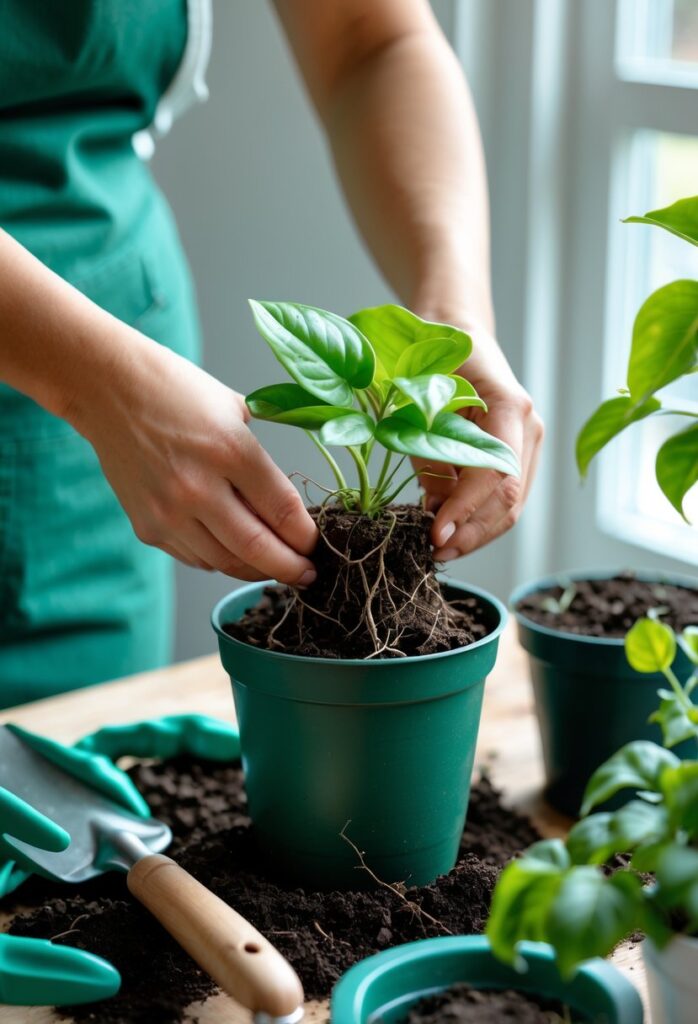
Replanting a plant involves careful handling to protect its roots and ensure healthy growth in a new container. Each stage, from preparing the plant to filling the new pot, requires attention to detail and proper technique.
Preparing the Plant for Removal
Before removing a plant from its pot, it needs to be well watered. Watering deeply two or three days in advance softens the soil and reduces stress to the rootball. This also helps prevent roots from breaking during removal.
The plant should be healthy and not in a flowering or fruiting stage, as this can add stress. Wearing gardening gloves protects hands during the process and improves grip.
If the plant has been indoors, gradual exposure to outdoor light for a few days can help strengthen it before replanting outside. Preparing the plant carefully gives it a better chance to recover in its new environment.
Safe Removal from the Old Pot
To remove the plant safely, the pot should be laid on its side. Gently tapping the sides and bottom loosens the soil. If the plant is stuck, carefully run a blunt tool around the pot’s edge.
The rootball should slide out in one piece to avoid root damage. If it’s tightly bound, the gardener can gently squeeze the pot or use pruning shears to trim any roots wrapped around the edge.
Avoid pulling the plant by the stem or leaves as this can harm it. Handling the rootball with care minimizes stress and reduces the risk of root rot later on.
Inspecting and Pruning Roots
Once out of the pot, the rootball needs a close inspection. Brown, mushy, or foul-smelling roots are signs of root rot and should be cut away with sharp pruning shears.
If roots are tightly wound or circling the rootball, trimming them encourages new growth. Removing dead roots also stimulates the plant’s recovery.
Healthy roots are white or light-colored and firm. Pruning roots properly sets the stage for the plant to expand in its new pot and absorb nutrients efficiently.
Placing and Backfilling in the New Pot
Start by adding fresh soil to the bottom of the new container. The pot should have drainage holes to prevent water from pooling and causing root rot.
Place the plant in the center, making sure the top of the rootball sits slightly below the pot’s rim for easier watering. Hold the plant upright while adding soil in layers, pressing lightly to remove air pockets without compacting.
After filling, water the plant gently but thoroughly to help the soil settle around the roots. Using the right soil mix for the plant species is key to ensure adequate nutrients and drainage.
Caring for Your Replanted Plant
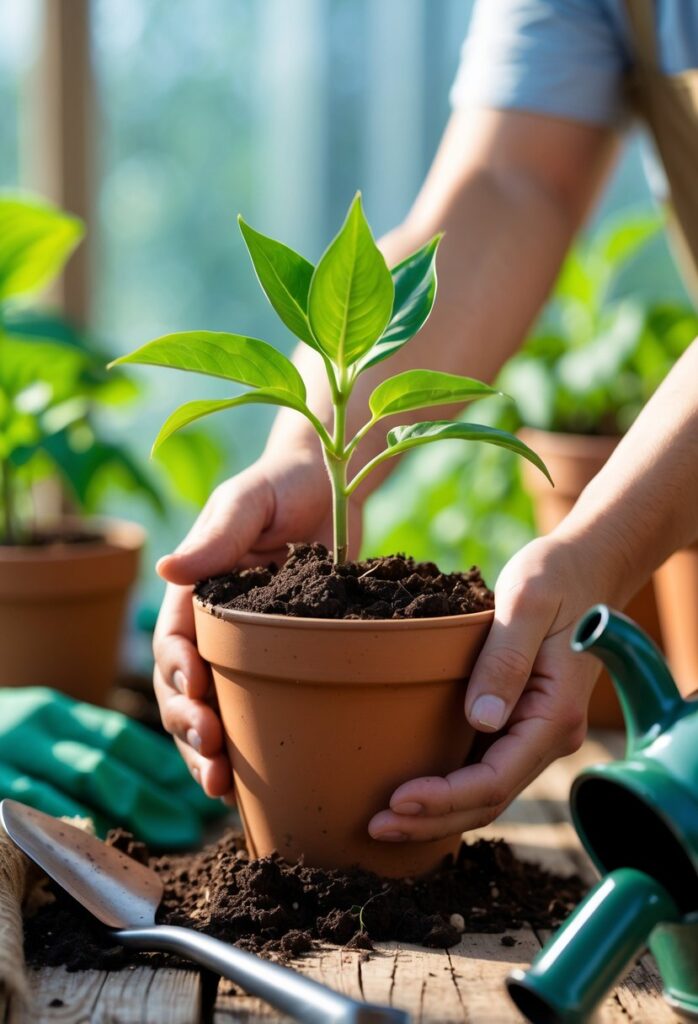
Proper care after replanting is crucial to help the plant adjust and thrive. Paying attention to immediate steps, watering routines, and creating conditions that support recovery will increase the chances of healthy growth.
Immediate Aftercare
Right after replanting, the plant needs gentle treatment to reduce stress. It is important to place the plant in a shaded, protected area, avoiding direct sunlight and strong winds for at least a few days. This helps prevent shock caused by sudden changes in environment.
Excess soil around the roots should be lightly pressed without packing tightly. The soil should be kept moist but not soggy to encourage root settling. Using a watering can with a fine spout helps deliver water gently. Avoid fertilizing immediately after replanting, as roots need time to recover.
If the plant was indoors, keeping it in stable temperatures without drafts is ideal. This first stage sets the foundation for new root growth.
Watering and Light Needs Post-Replanting
Watering plays a key role after replanting, but overwatering is a common mistake. The soil surface should be checked regularly—water only when the top inch feels dry. Water deeply but allow excess to drain to prevent root rot.
Light requirements depend on the species. Most indoor plants and young seedlings do best with indirect light during recovery. Harsh, direct sunlight can cause leaf burn and added stress. Adjust the plant’s position if leaves begin to curl or discolor as signs of too much light.
Using a watering can designed for gentle flow avoids disturbing soil. Maintaining consistent moisture without saturation promotes steady root growth.
Encouraging Healthy Plant Recovery
To help the plant recover growth strength, avoid handling or moving it unnecessarily during the first two weeks. This minimizes shock and gives roots time to spread.
After the initial recovery, using an organic fertilizer designed for seedlings or indoor plants can boost nutrient availability. It’s best to apply the fertilizer at half the recommended strength to avoid overwhelming the young roots.
Monitoring progress by checking leaf color, firmness, and new growth is important. If leaves show yellowing or drooping, adjustments in watering or light may be needed. Removing any dead or damaged leaves supports overall plant health.
By following these clear steps, the plant is given the best chance to settle into its new environment and continue healthy development. For detailed guidance on replanting steps, refer to this step-by-step guide for replanting seedlings.