How To Grow Herbs Indoors: Expert Guide for Thriving Herb Gardens
Growing herbs indoors is a simple way to have fresh flavors year-round without needing a garden. Anyone can do it with just a sunny spot, proper containers, and basic care. The key to success is choosing the right herbs, giving them enough light, and watering them properly to keep them healthy.
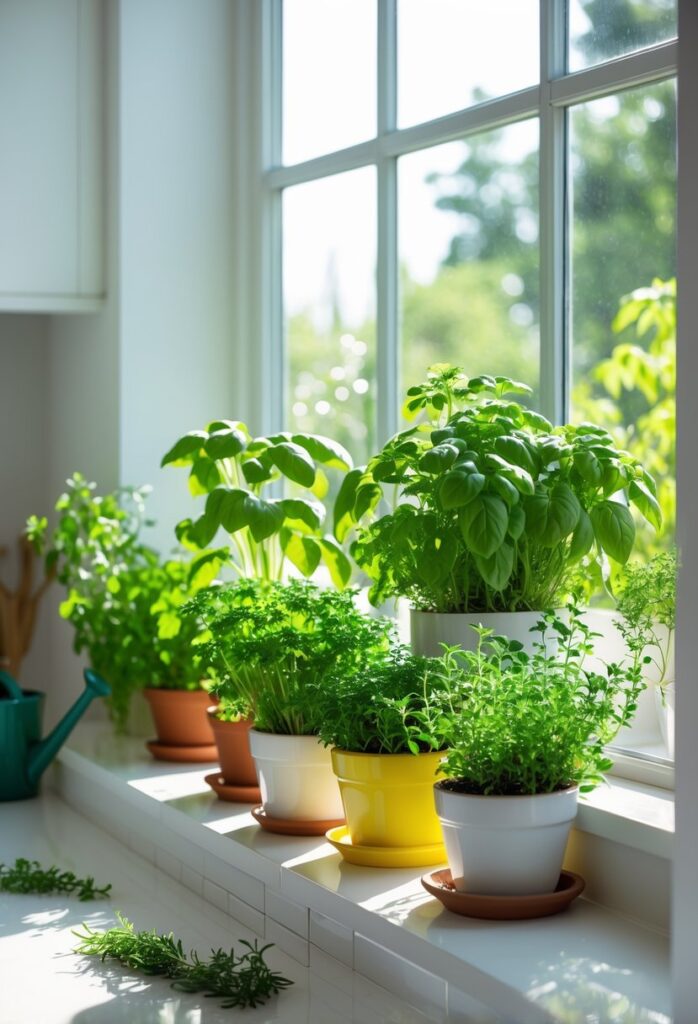
Indoor herb gardens save money and reduce waste by letting people harvest only what they need. They also avoid common outdoor problems like pests and weather issues. With a little planning, growing herbs on a windowsill or in small containers becomes both practical and enjoyable.
This guide covers the essentials of starting an indoor herb garden, including how to pick herbs, set up the space, and care for plants so they thrive inside.
Key Takeaways
- Select herbs suited for indoor growing and personal use.
- Provide sufficient light and proper watering to maintain healthy plants.
- Use space efficiently to create a practical and steady herb supply.
Choosing the Best Herbs to Grow Indoors
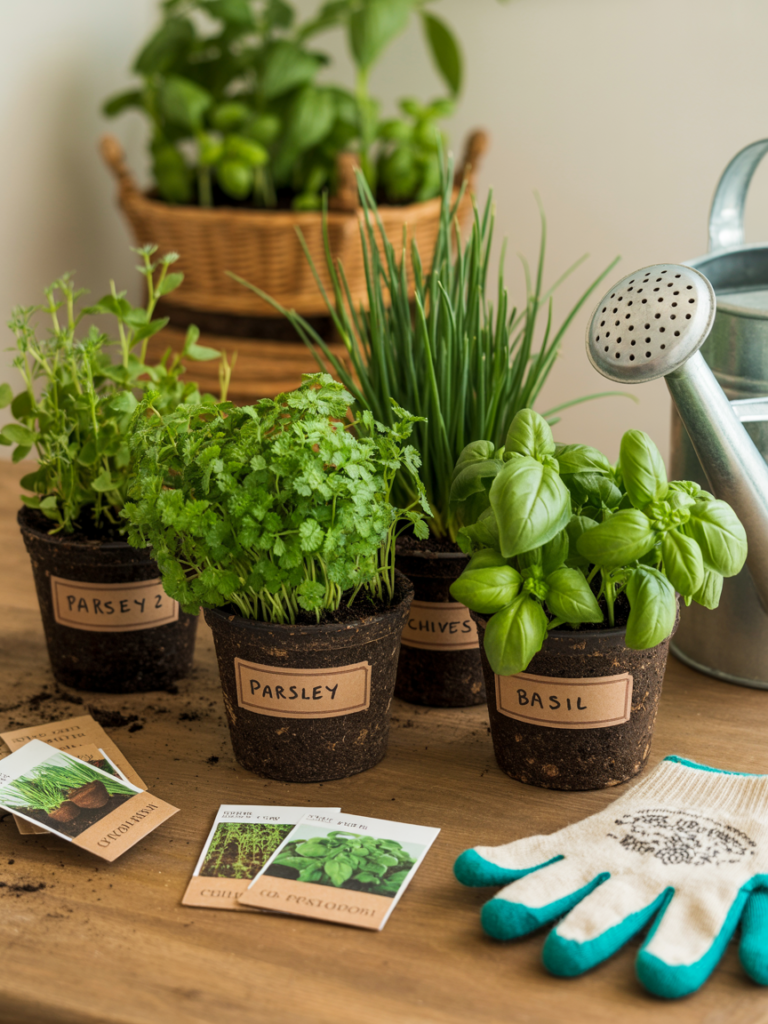
Choosing the right herbs depends on the space available and the light your home provides. Some herbs need more sunlight and room, while others can thrive in lower light or smaller pots. Knowing these details helps ensure healthy plants and fresh herbs year-round.
Most Popular Indoor Herbs
Some herbs are well-suited for indoor growing and commonly used in cooking. Basil is favored for Italian dishes and needs a sunny spot with good airflow. Mint grows quickly and spreads well but must be contained in a pot to avoid crowding.
Chives and parsley are easy to maintain and add fresh flavors to many meals. Oregano and thyme are drought-tolerant and do well in pots with well-drained soil. Rosemary and sage require more light and space but reward gardeners with aromatic leaves for seasoning.
These herbs provide a mix of uses and growing needs for an indoor garden.
Selecting Herbs Based on Light and Space
Light is a key factor when choosing herbs. South-facing windows give the most sun, ideal for light-loving plants like basil, rosemary, and sage. They need at least 6 hours of direct light daily to grow well.
Herbs like chives, parsley, and mint tolerate less sunlight and can thrive in east- or west-facing windows. For space, compact herbs like thyme fit well into small pots, while rosemary needs a larger container to spread roots.
Balancing light and space helps select herbs that will stay healthy and produce fresh leaves for the kitchen. Growing multiple herbs together needs enough room for air circulation to prevent diseases.
Learn more about the best herbs to grow indoors at https://www.thespruce.com/herbs-to-grow-indoors-5220148.
Setting Up Your Indoor Herb Garden For Mason Jars and Window Sill
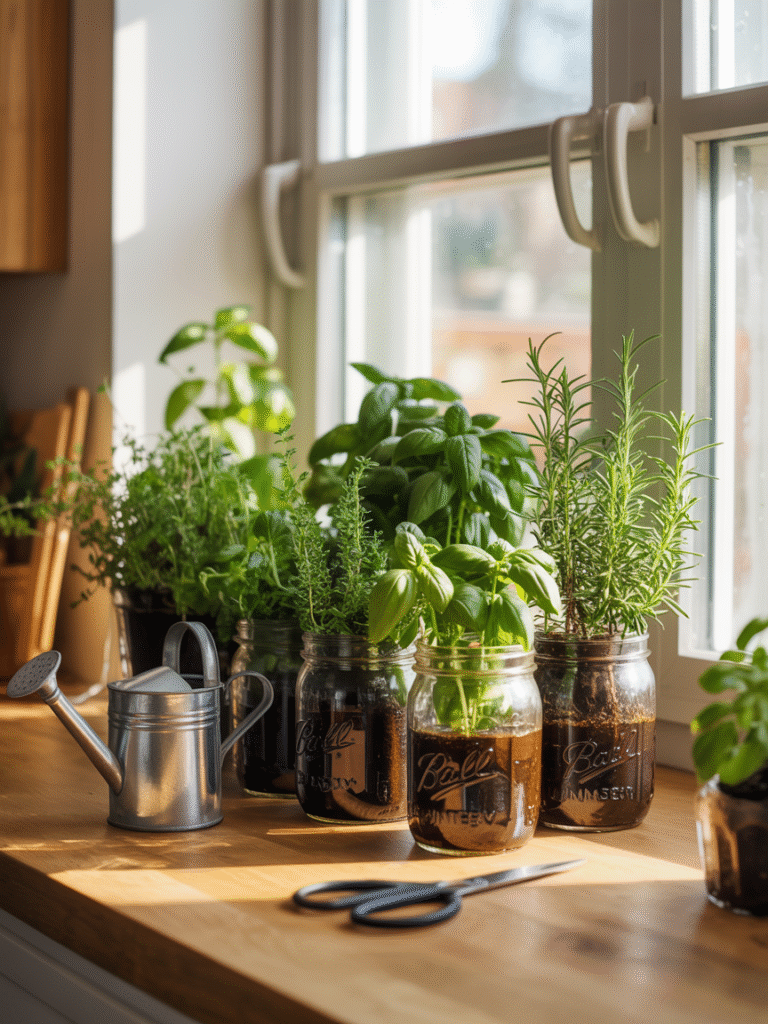
Setting up an indoor herb garden requires attention to containers and soil choices. Proper containers help with drainage and space use, while the right potting mix supports healthy root growth. Both factors affect how well herbs grow inside.
Choosing Containers and Pots
Mason jars are a popular choice for an herb garden inside because they are inexpensive and fit well on a window sill. However, they lack drainage holes, so adding about 2 inches of small rocks or gravel at the bottom helps prevent water buildup that can rot roots.
Ceramic pots with drainage holes are another good option for indoor herbs. They offer better airflow and water flow, which helps plants grow stronger. When choosing containers, it is important they are deep enough for root growth—usually at least 4-6 inches deep.
The size of the container depends on the herb. For example, basil and parsley need bigger pots, while chives or thyme can thrive in smaller containers. Labels or tags help keep track of herbs in clear or opaque pots.
Selecting Potting Mix and Soil Amendments
For indoor herbs, potting mix is better than regular garden soil. Potting mix has organic materials like peat moss and compost, which retain moisture but also drain well.
Adding perlite to potting mix improves drainage and keeps the soil from becoming compacted. This ensures roots get enough air. About 10-20% perlite mixed with potting soil works well for most herbs.
Herbs need a light, fluffy growing medium to avoid root diseases. Avoid heavy soils that stay wet too long. A good potting mix combined with gravel at the bottom of jars or pots creates the best growing conditions for an indoor herb garden on a window sill.
For detailed steps and examples, see how to grow herbs using mason jars indoors.
Lighting Requirements for Growing Herbs Indoors
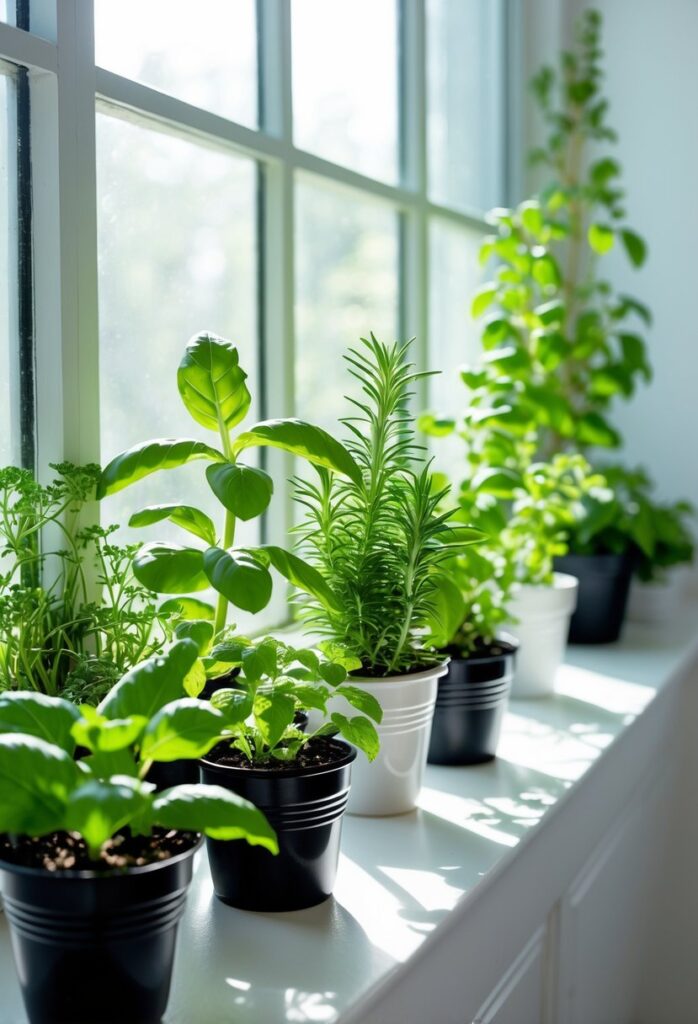
Lighting is a key factor for healthy herb growth indoors. Plants need enough light to produce energy, develop leaves, and keep their flavors. Proper placement and the right type of lighting can make a big difference in herb health and yield.
Maximizing Natural Light
Herbs do best when placed near south-facing windows, as they get the most consistent and direct sunlight during the day. Most herbs require at least 6 hours of full sun daily to thrive.
If natural light is limited, placing herbs on a bright windowsill or using sheer curtains to diffuse sunlight helps avoid leaf burn while still providing enough light.
Rotation of the plants every few days ensures even light exposure and prevents leaning or uneven growth. It is important to remember that some herbs, like cilantro and dill, can struggle indoors because they need more sun than typically available.
Using Grow Lights and LED Solutions
When natural light falls short, grow lights provide the necessary energy for herbs. Among them, LED grow lights are the most energy-efficient and offer a full spectrum of light that mimics sunlight.
For indoor herb gardens, a light positioned about 6-12 inches above the plants works well, depending on the type of light used. LEDs emit low heat, so they can safely be placed closer than incandescent or fluorescent bulbs.
A timer set for 6-8 hours per day replicates daylight length, especially during winter months. Using full spectrum LED grow lights encourages strong growth, good color, and essential oil production, which affects herb flavor.
Essential Care for Indoor Herbs
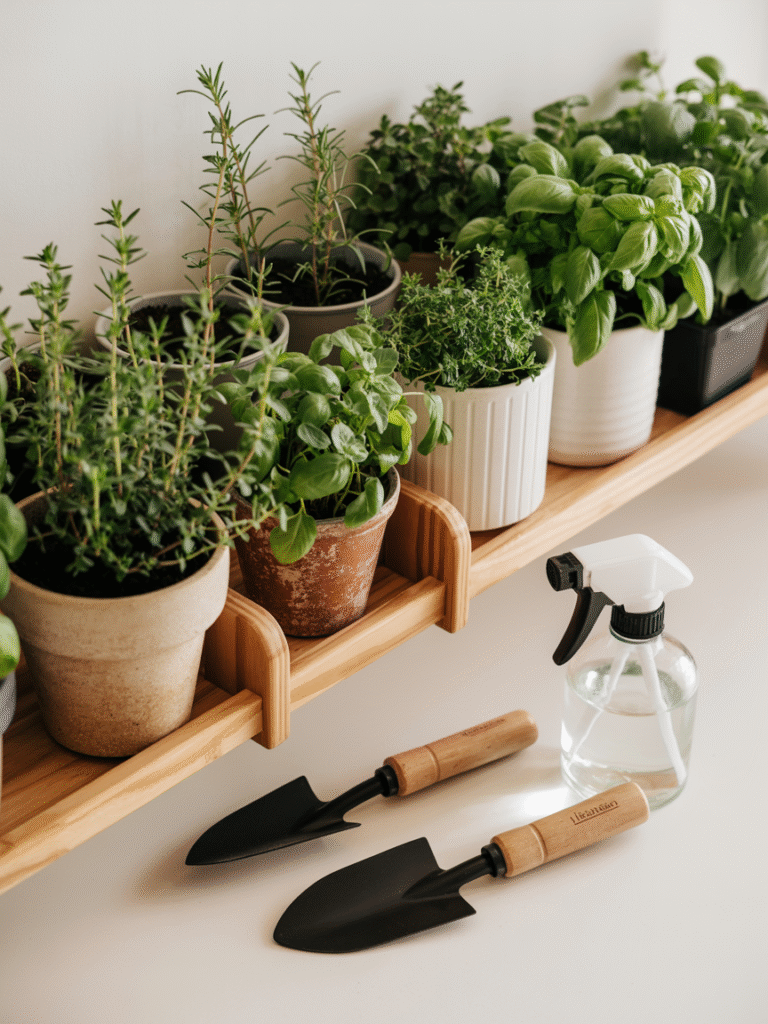
Indoor herbs need careful attention to water, humidity, air flow, and nutrients to stay healthy and grow well. These factors work together to keep the plants strong and productive.
Proper Watering Techniques
Watering indoor herbs properly means giving just enough water without drowning the roots. Most herbs prefer the soil to dry out slightly between watering. A simple test is to touch the top inch of soil—if it feels dry, it’s time to water.
Overwatering can cause root rot, so pots need drainage holes to let excess water escape. Water slowly and evenly to soak the soil, then let any extra drain away.
Avoid watering the leaves. Instead, water at the base of the plant to prevent mold and fungal diseases. Most herbs need about 1 inch of water per week, but this can change depending on the indoor temperature and humidity.
Maintaining Humidity and Air Circulation
Indoor herbs often suffer in dry air, especially during winter with indoor heating. To raise humidity, placing pots close together helps create a moisture pocket. Misting leaves occasionally can also reduce dryness but avoid soaking them.
Using a tray with water and pebbles under the pots adds humidity near plants without making roots soggy.
Good air circulation is important to prevent mold and pests. Herbs should have some space around them and be placed near a window or a fan. Stagnant air encourages spider mites and fungal growth. Moving pots occasionally helps leaves dry faster after watering.
Fertilizing Indoor Herbs
Herbs indoors don’t need heavy feeding but still need nutrients to stay productive. A balanced, organic liquid fertilizer applied once a month during the growing season is usually enough.
Dilute the fertilizer to half strength to avoid burning the roots. Use fertilizers like kelp or fish emulsion for best results.
Avoid feeding herbs in winter when growth slows, as excess fertilizer can damage plants. Feeding too much can cause leggy growth with weak stems.
Keeping feeding consistent but light supports healthy leaves and better flavor in herbs.
Starting Herbs: Seeds, Cuttings, or Transplants
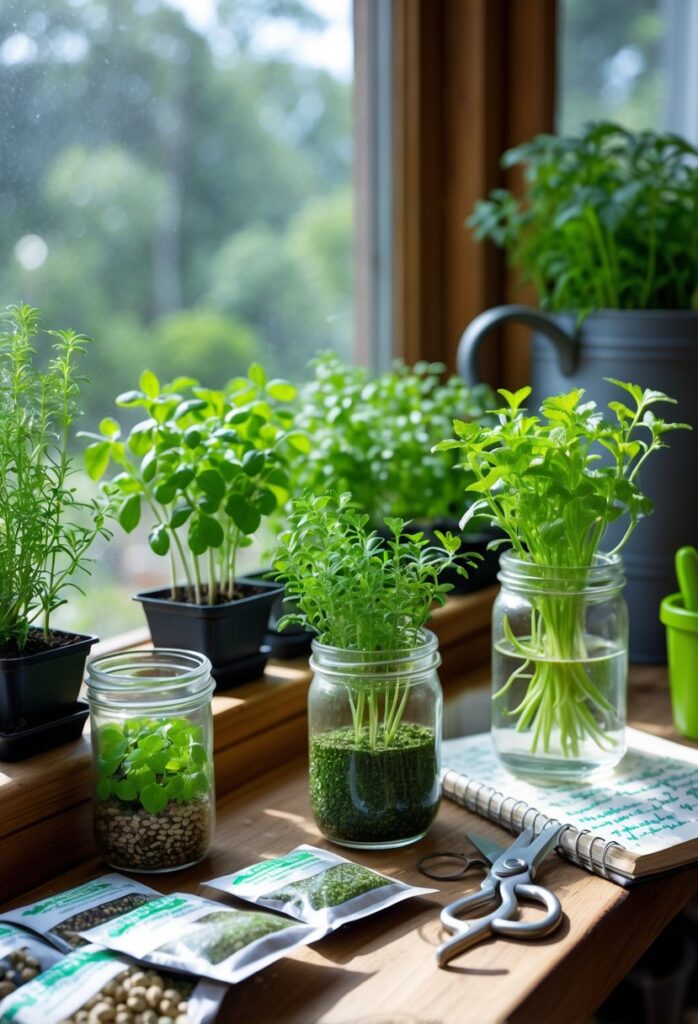
Indoor herb gardening offers several ways to begin growing herbs. Choosing the right method depends on factors like plant type, space, time, and experience. Each approach has its own benefits and care needs.
How To Grow Herbs Indoors From Seeds
Growing herbs from seeds indoors allows control over choice and cost. Seeds should be planted in moist, well-draining seed-starting mix. Plant seeds at about twice their size in depth.
Provide 6+ hours of light daily. If natural sunlight is limited, use a grow light set 4 inches above seedlings. Keep the soil temperature around 65-75°F for best germination.
Some seeds like basil and oregano may take 7-14 days to sprout. Soaking larger seeds such as parsley can speed up germination. Thin seedlings once they have two sets of leaves to prevent overcrowding.
Avoid overwatering; keep soil damp but not soggy to prevent fungal diseases like damping off. When plants reach 2-3 inches tall, gradually harden them off before transplanting to larger pots.
Propagating Herbs from Cuttings
Cuttings provide a faster way to grow herbs indoors, especially perennials like mint, lavender, and rosemary. Healthy, non-flowering stems about 4 inches long are ideal.
Remove leaves from the lower half and place cuttings in water or moist soil. Root development usually takes 2-4 weeks. Use a clean container and fresh water if rooting in water.
Warm temperatures and indirect light improve rooting success. Once roots are 1-2 inches long, transplant into pots with well-draining soil. Keep soil moist but not wet.
Cuttings avoid transplant shock and grow true to the parent plant. This method is especially useful for gardeners wanting to save time and replicate mature herb varieties indoors.
Transplanting Starter Plants
Starter plants, or transplants, offer convenience and speed for indoor herb gardening. Look for healthy seedlings at garden centers or nurseries with no yellow leaves or pests.
Before transplanting, gently loosen roots if root-bound. Choose pots with drainage holes and fill with nutrient-rich potting mix designed for herbs.
Transplants require gradual exposure to indoor light and temperature changes. Place them in indirect sunlight at first, then increase to 6 hours of light daily.
Water when the top inch of soil feels dry. Fertilize lightly once a month with a balanced, water-soluble fertilizer. Monitor plants closely for signs of stress or pests.
Using transplants reduces germination risks and jump-starts growth but can be more expensive than starting from seed. Proper care ensures herbs thrive indoors and remain productive.
For more details on these methods and specific herb care, visit the guide on growing herbs from seeds and tips for indoor herb gardening.
Managing Common Indoor Herb Problems
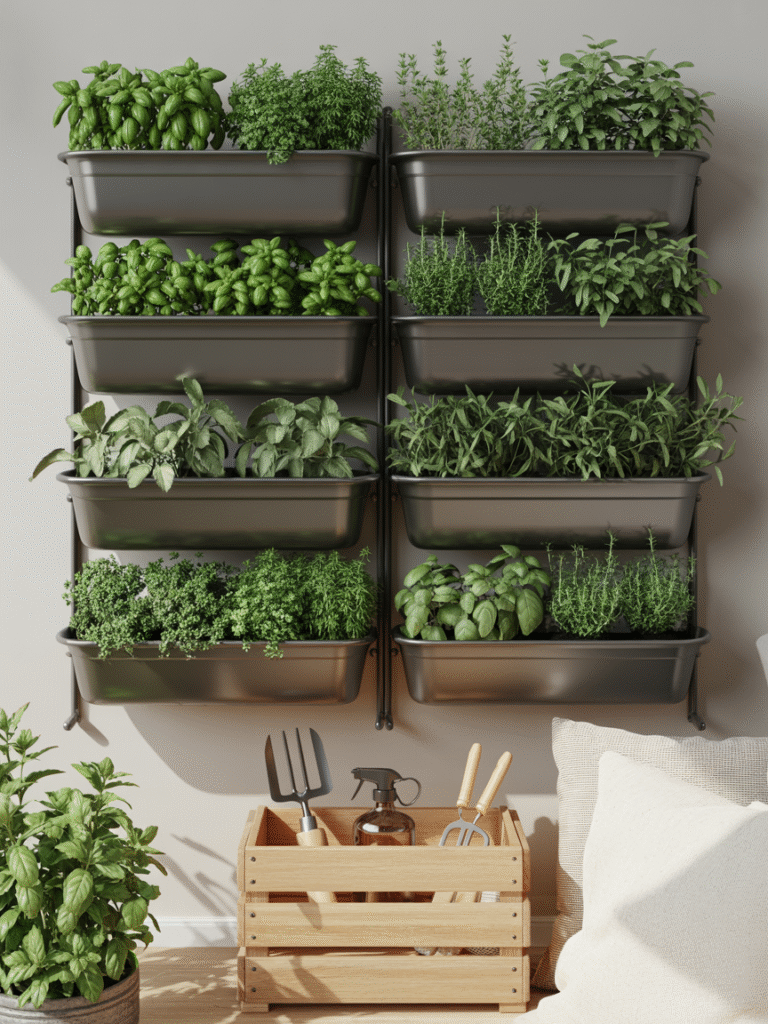
Indoor herb gardens face specific challenges that can slow growth or damage plants. Careful attention to watering and pest control is essential to keep herbs healthy and productive.
Dealing with Pests and Diseases
Herbs grown indoors can attract pests like aphids, spider mites, and fungus gnats. These insects damage leaves by sucking sap or spreading disease, causing yellowing, spots, or leaf drop. Regularly inspecting plants, especially under leaves and stems, helps catch pests early.
Removing affected leaves can stop the spread. For persistent infestations, spraying a diluted neem oil solution is effective. Neem oil works as a natural insecticide and prevents fungal growth without harming herbs. It’s important to wait a few days after treatment before harvesting and to wash herbs thoroughly.
Keeping good air circulation and avoiding excess humidity reduces fungal diseases. Clean tools and pots also prevent infections. Monitoring plants weekly ensures pests and diseases are dealt with before becoming serious.
Preventing Overwatering and Root Rot
Overwatering is a common mistake for indoor herbs. It causes soil to stay soggy, depriving roots of oxygen and leading to root rot. Symptoms include yellowing leaves, droopiness, and a foul smell from the soil.
To avoid this, check soil moisture before watering by inserting a finger 2-3 inches deep. Water only when the soil feels dry at this depth. Use pots with drainage holes to allow excess water out.
If root rot starts, remove affected roots and repot the herb in fresh, well-draining soil mixed with perlite or vermiculite. Avoid watering again until the topsoil dries. Proper watering habits and drainage keep roots healthy and herbs thriving. For more details on common problems and fixes, see indoor herb garden troubleshooting.
Harvesting and Using Your Fresh Herbs
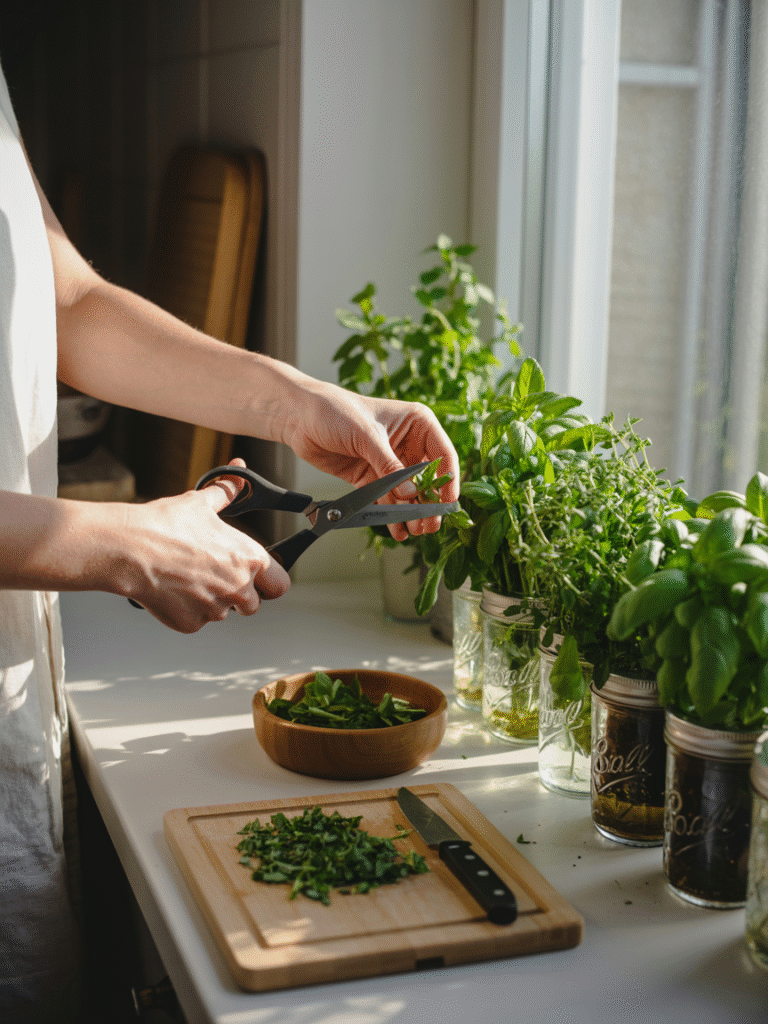
Proper harvesting and storing are key to keeping herbs flavorful and fresh for longer. Timing, technique, and preservation methods all affect the quality of the herbs used in cooking or other purposes.
How and When to Harvest Indoor Herbs
Herbs should be harvested in the morning after the dew has dried. This is when essential oils are at their highest, giving the best flavor and aroma.
Using sharp, clean scissors or pruning shears avoids damage to the plant. Leaves or stems should be cut just above a leaf node to encourage new growth. Pinching off the top leaves regularly helps plants stay bushy instead of leggy.
Frequent harvesting encourages the plants to produce more leaves. Avoid removing more than one-third of the plant at a time to keep it healthy.
Storing and Preserving Your Herb Harvest
Fresh herbs work best when used quickly but can be preserved for later use. Drying herbs involves tying small bunches and hanging them upside down in a cool, dark, and well-ventilated spot.
Freezing herbs is an option for maintaining flavor. Wash and chop leaves, then freeze them spread out on parchment paper before transferring to airtight bags.
Infusing herbs in oils or vinegars allows the flavors to develop over weeks. Store jars in a cool, dark place and strain before use.
Each method helps extend the life of fresh herbs while maintaining their taste.
Frequently Asked Questions
Growing herbs indoors requires attention to light, water, and the right containers. Starting from seeds or cuttings involves careful planting and care. Some herbs thrive better indoors, and special methods help when sunlight is limited. Maintenance during winter ensures herbs stay healthy year-round.
What do beginners need to know to start growing herbs indoors?
Beginners should choose easy-to-grow herbs like basil, parsley, or chives. Containers must have drainage holes to prevent root rot. The soil should be light and well-draining, such as potting mix with perlite or coco coir.
Position containers in a sunny spot, preferably a south- or west-facing window, where herbs can get 6 to 8 hours of light.
What steps should be followed to successfully grow herbs from seeds inside?
Fill seed trays or small pots with moist seed-starting mix.
Plant herb seeds just under the surface and water gently.
Keep the containers near a bright window or under a grow light.
Thin out weaker seedlings when they are a few inches tall to allow strong plants room to grow.
How can herbs be grown indoors in the absence of natural sunlight?
Use LED grow lights placed 6 to 12 inches above plants.
Keep the lights on for 12 to 16 hours daily to mimic natural sunlight.
Timers can help maintain a consistent light schedule for healthy growth.
What is the process for cultivating herbs in water indoors?
Start with healthy stem cuttings from herbs like basil or mint.
Place the cuttings in a glass of water, making sure no leaves are submerged.
Change the water regularly to prevent molds and encourage root growth.
Once roots develop, transplant cuttings into soil or continue growing them in water.
Which herbs are ideal for growing indoors, especially for a top-ten list?
The top ten indoor herbs include basil, mint, parsley, chives, cilantro, thyme, oregano, rosemary, sage, and dill.
Soft-stemmed herbs like basil and parsley grow quickly and are easy for beginners.
Woody herbs like rosemary and thyme need more light and space but can thrive indoors with proper care.
How can I maintain an indoor herb garden during winter months?
Ensure herbs receive adequate light by supplementing with grow lights when daylight is short.
Reduce watering to avoid overwatering as plants grow slower in cooler temperatures.
Keep humidity levels higher by grouping plants or misting leaves to prevent dryness.
Regularly prune herbs to encourage bushier growth and prevent legginess.