
10 Living Room Ideas for a Stylish, Functional Space
A living room sets the tone for how a home feels and works each day. It supports rest, conversation, and daily routines, so its design needs to balance comfort and function without feeling crowded or dull.
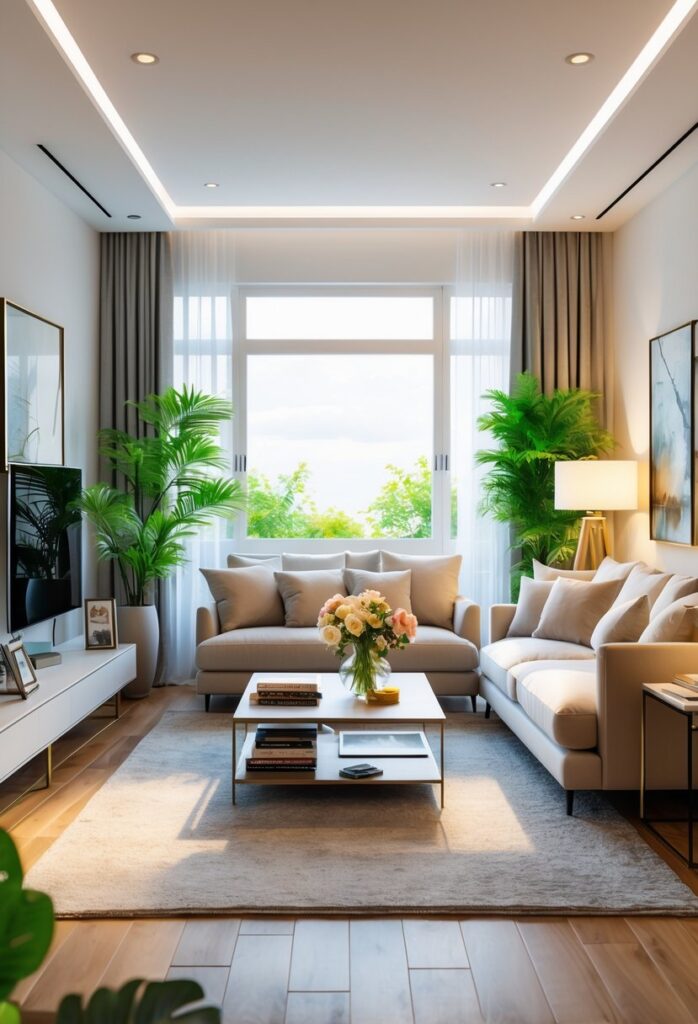
This article shares clear living room ideas that help shape a space that feels comfortable, organized, and visually balanced. It guides how they can use layout, color, lighting, storage, and texture to support real life while keeping a cohesive look that feels intentional and easy to maintain.
1) Create a cozy seating area with layered textiles
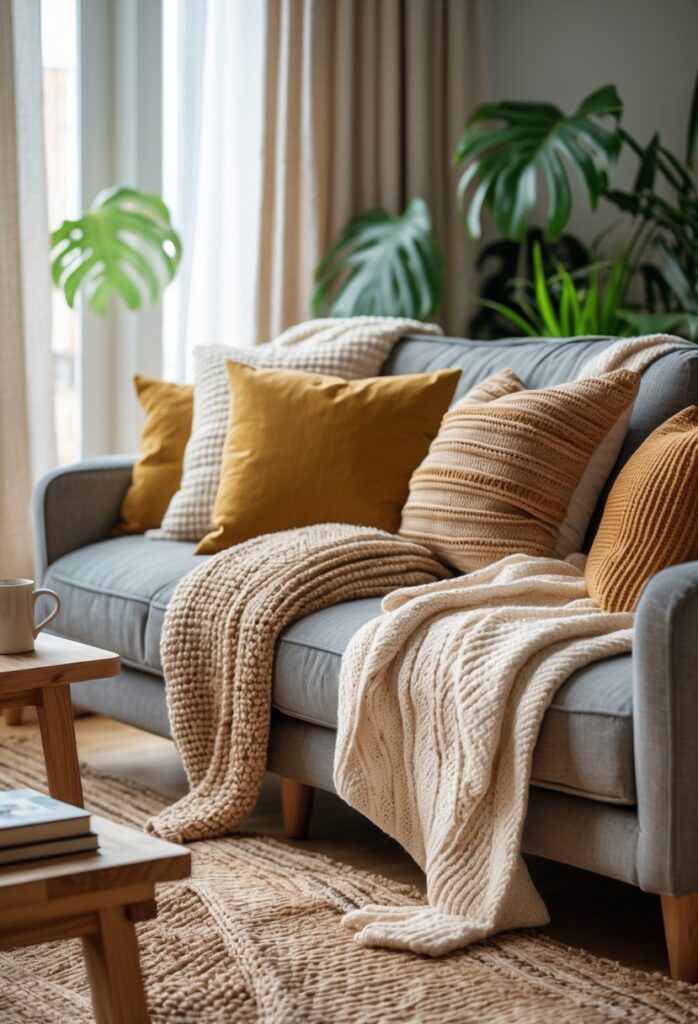
They start with a sofa and add soft layers. Throws, pillows, and an area rug add warmth and comfort.
They mix simple textures like cotton, knit, and wool. Neutral colors keep the space calm, while one patterned pillow adds interest. Floor lamps or table lamps support the cozy feel.
2) Incorporate multifunctional furniture for small spaces
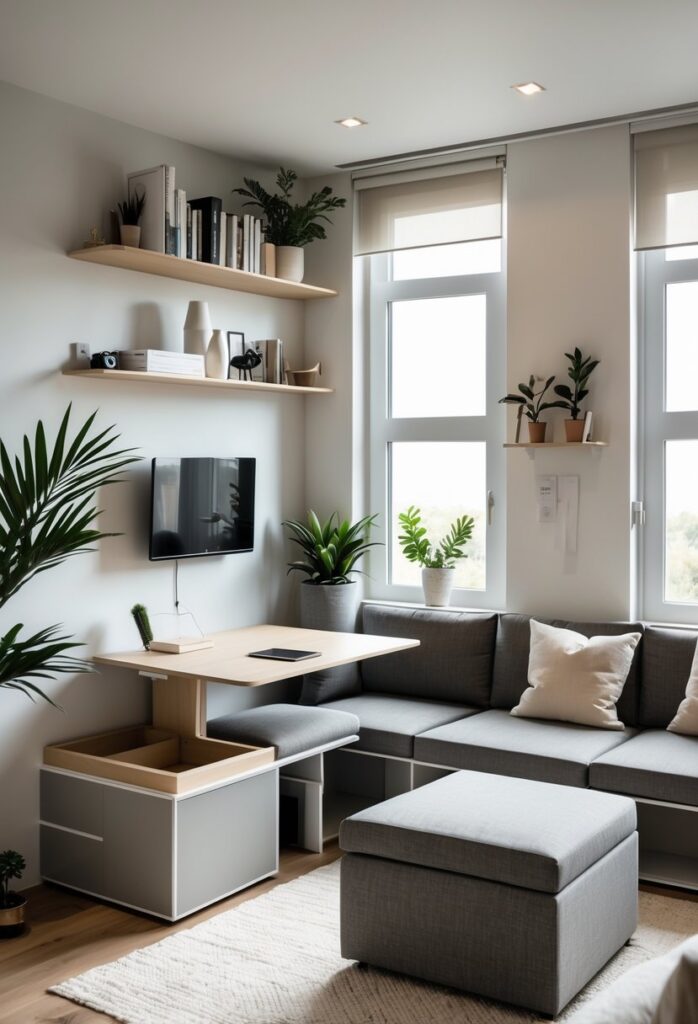
They choose pieces that serve more than one purpose.
Sofa beds, storage ottomans, and lift-top tables save space and reduce clutter.
These items support daily use without crowding the room.
3) Use a neutral color palette with vibrant accents
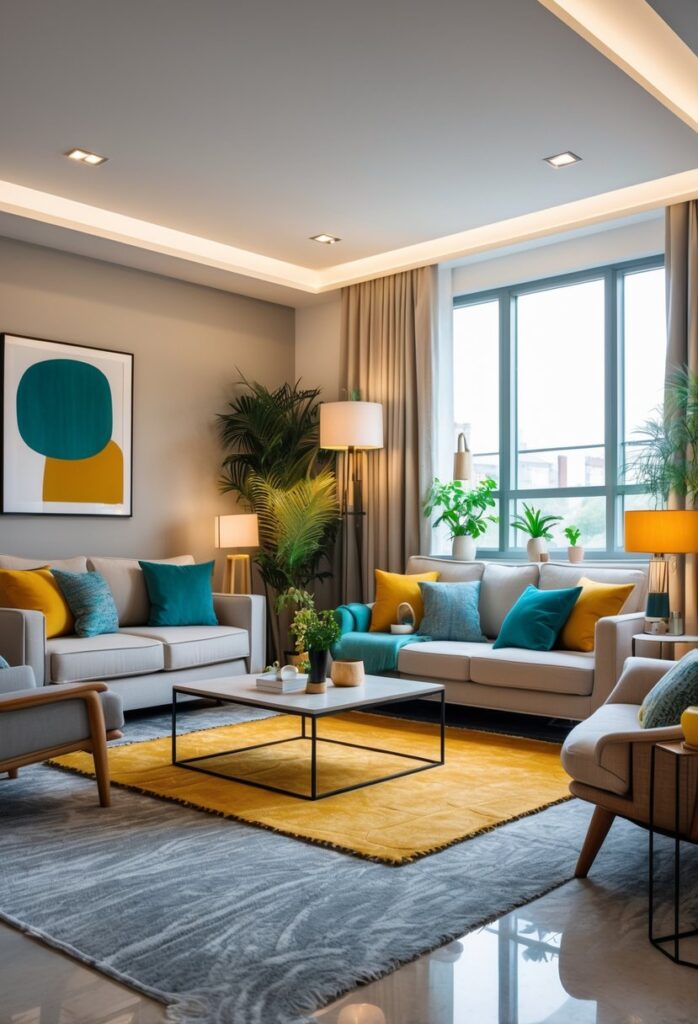
Neutral tones like white, beige, and gray set a calm base. They keep the room bright and easy to update.
Bold accents add focus and contrast. Pillows, art, or a rug in blue, green, or black bring energy without crowding the space.
4) Add statement lighting like a chandelier or floor lamp
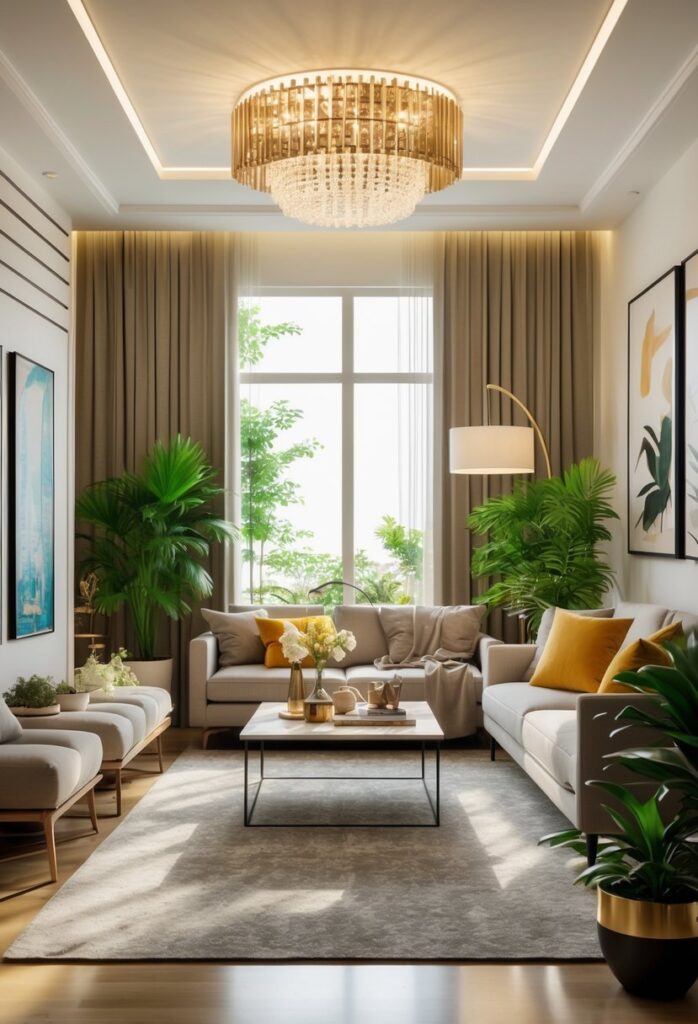
Statement lighting gives the living room a clear focal point. A chandelier can center the seating area and set the mood.
A floor lamp adds height and useful light near a sofa or chair. Simple shapes and clean finishes keep the room balanced.
5) Mix vintage and modern decor elements
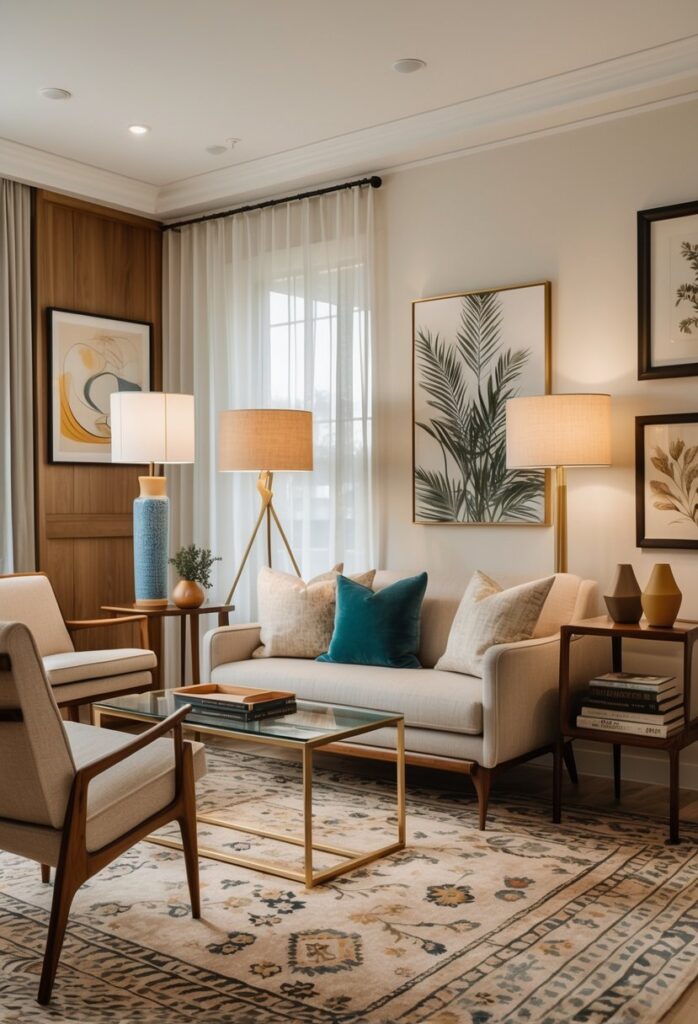
They pair clean modern sofas with one vintage chair or table. This contrast adds character without clutter.
They keep colors simple to tie pieces together. Neutral walls help older items feel current.
They balance scale and finish. A sleek lamp can update a worn wood piece.
6) Arrange sofas and chairs to encourage conversation
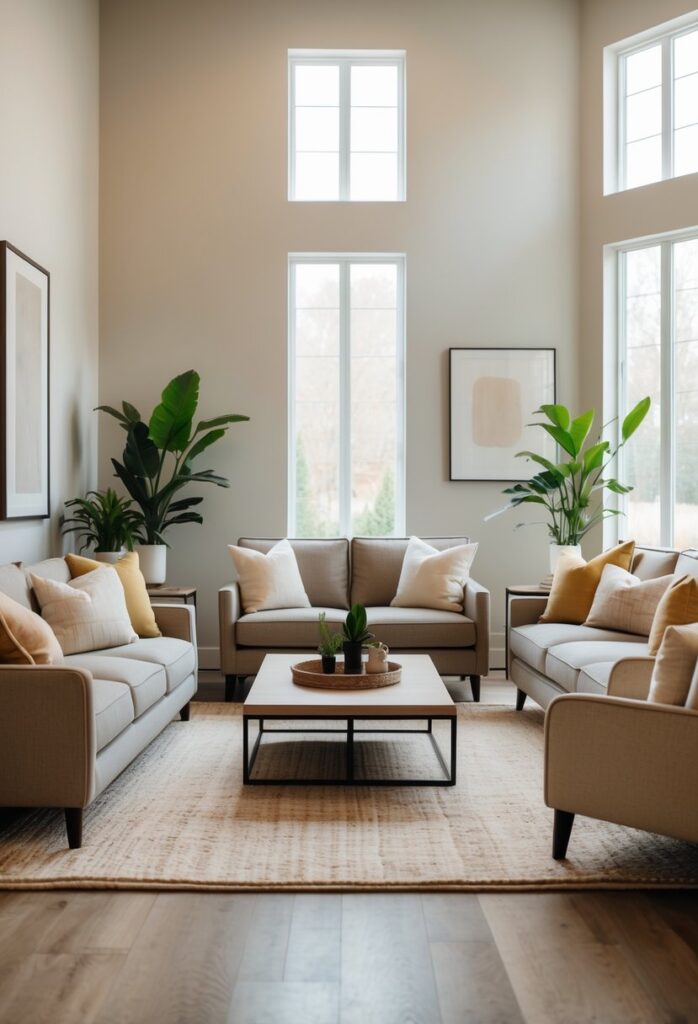
They should place sofas and chairs to face each other. This setup keeps sight lines clear and invites easy talk.
They can add a coffee table or ottoman in the center. Leave enough space to walk and sit without strain.
7) Include built-in storage to reduce clutter
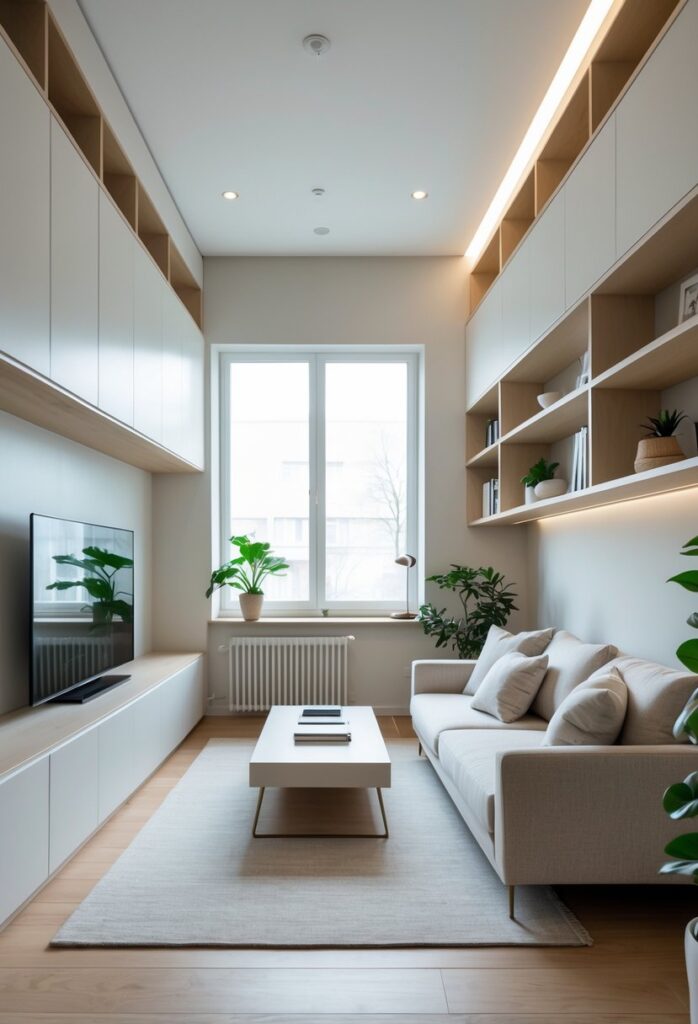
Built-in shelves and cabinets keep items off the floor and out of sight. They fit the room layout and use wall space that often goes unused.
They store books, media, and daily items near seating areas. This setup supports tidy habits and keeps surfaces clear.
8) Use large area rugs to define zones
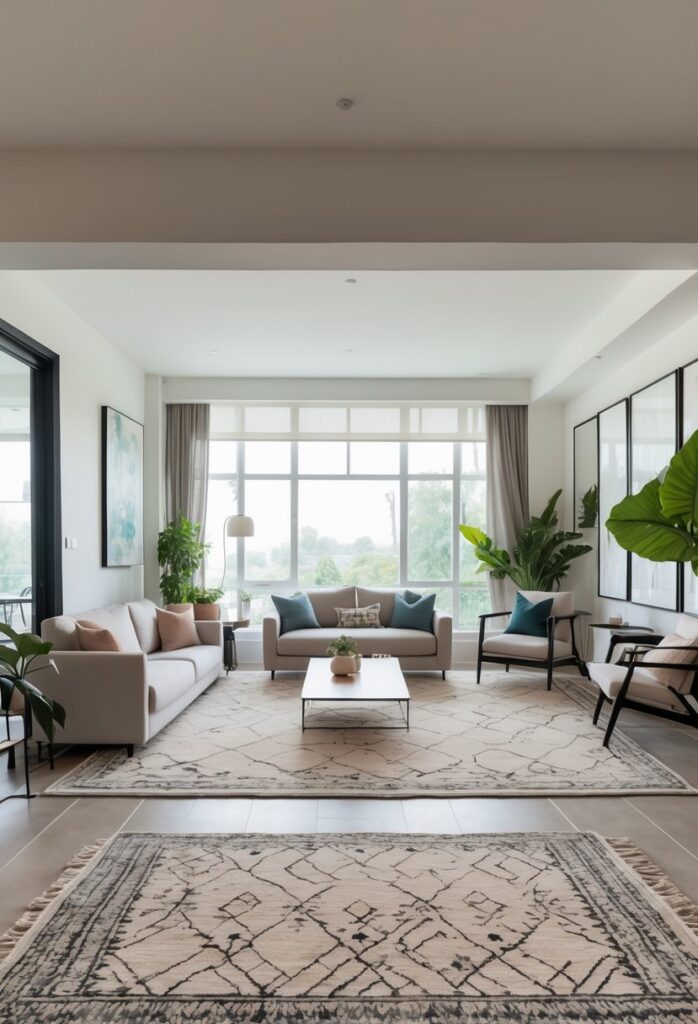
Large area rugs help define zones in one living room. They create clear visual boundaries without walls.
Place a large rug under the sofa and chairs to mark the seating area.
Use a different rug size or shape for dining or work areas, while keeping colors related.
9) Incorporate plants for a natural touch
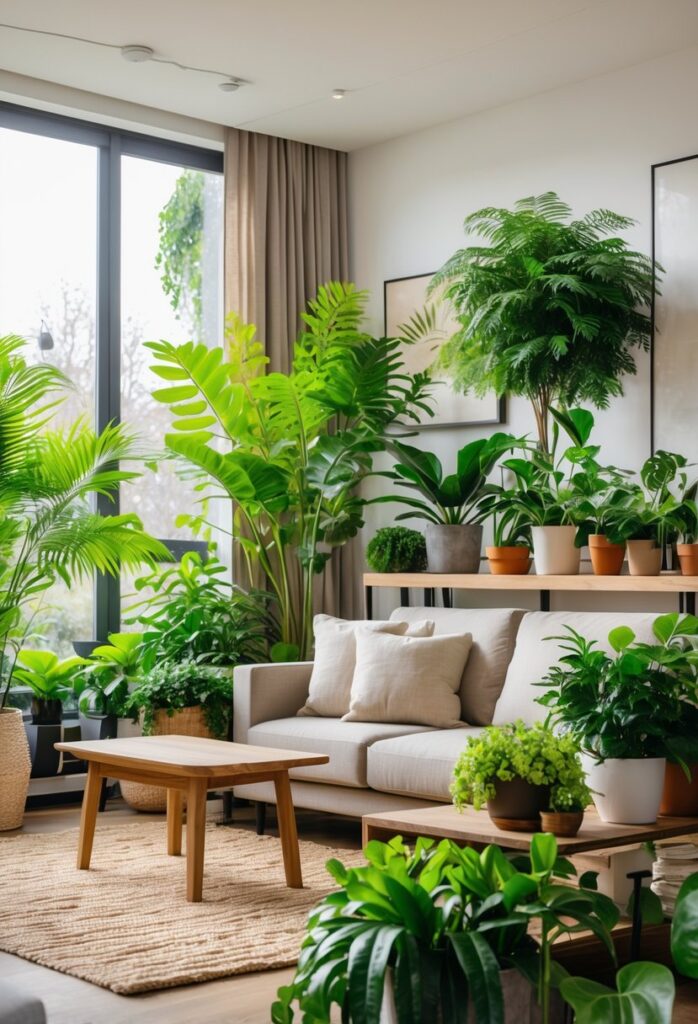
Plants add color and soften hard lines. They place medium plants near seating and a tall plant in a corner to add height.
Small pots on shelves or tables fill gaps. Choose low-care plants and simple containers to keep the room calm.
10) Opt for textured wallpapers or paint techniques
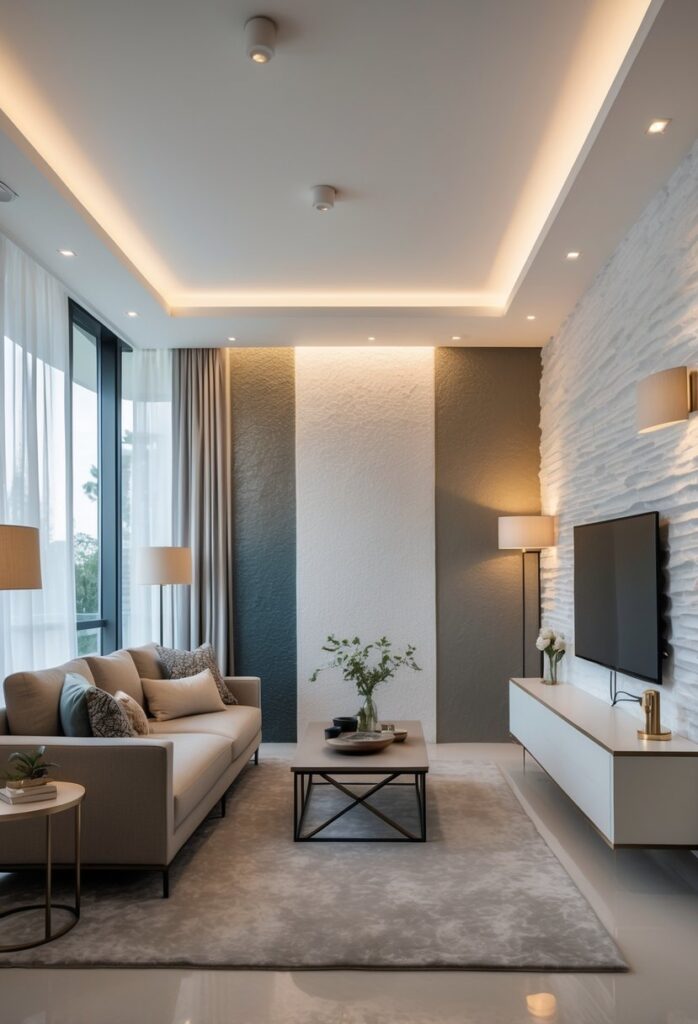
Textured wallpaper adds depth without heavy decor. Options include subtle grasscloth, light geometric patterns, or soft metallic finishes.
Paint techniques like plaster or limewash create gentle movement on walls. They work well in modern or traditional living rooms and keep the space calm.
Key Principles for a Cohesive Living Room
A cohesive living room relies on clear color choices and a layout that supports daily use. When colors repeat with purpose and furniture fits the space, the room feels calm and pulled together.
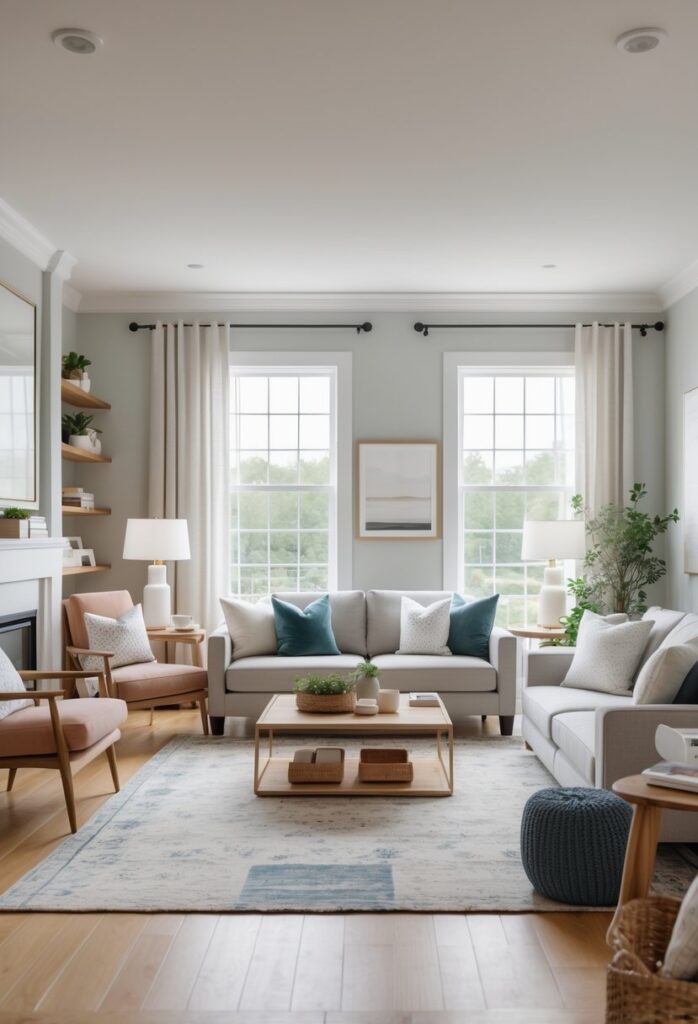
Color Coordination Tips
They start with a limited color palette and use it across the room. A strong base keeps choices simple and avoids visual clutter. Most rooms work best with one main color, one secondary color, and one accent.
| Role | Example Colors | Where to Use |
|---|---|---|
| Main | soft gray, beige | walls, large sofa |
| Secondary | navy, olive | chairs, rugs |
| Accent | black, brass | pillows, frames |
They repeat colors at least three times to create balance. A blue pillow, a blue book cover, and blue art can tie pieces together.
They also mix light and dark shades of the same color. This adds depth without adding new colors. Natural textures like wood and linen help soften bold tones and keep the room comfortable.
Finding the Right Furniture Layout
They plan the layout around how the room gets used. Seating should face the main focus, such as a TV, fireplace, or window. Clear walkways matter more than filling every corner.
They choose furniture that fits the room size. Large rooms need wider sofas or sectionals, while small rooms need slim frames and open legs. Spacing matters; leave 14–18 inches between a sofa and a coffee table.
A simple checklist helps guide placement:
- Keep pathways clear.
- Anchor seating with a rug.
- Balance visual weight on both sides of the room.
They avoid pushing all furniture against the walls. Pulling pieces inward creates a more connected and comfortable layout.
Enhancing Comfort and Style
Comfort and style work best when the room feels easy to use and pleasant to see. Thoughtful textures, patterns, and lighting choices shape how the space feels during daily use and quiet time.
Incorporating Textures and Patterns
Textures add comfort through touch and sight. Soft fabrics, such as cotton throws and wool rugs, make seating areas feel warmer and more inviting. Smooth surfaces, like wood tables or leather chairs, add balance and prevent the room from feeling cluttered.
Patterns bring interest when used with care. A patterned pillow or area rug can add depth without taking over the room. They should support the color scheme, not fight it.
Practical ways to layer textures and patterns:
- Use one bold pattern and keep others simple
- Mix soft and firm materials in the same area
- Repeat textures across the room for a steady look
These choices help the room feel lived-in while staying organized.
Balancing Natural and Artificial Lighting
Lighting shapes how the living room works at different times of day. Natural light should take priority. Sheer curtains let in daylight while keeping privacy. Furniture placement should avoid blocking windows.
Artificial lighting fills gaps after sunset. A mix of light sources works better than one bright fixture.
| Lighting Type | Purpose | Example |
|---|---|---|
| Ambient | General light | Ceiling fixture |
| Task | Focused use | Reading lamp |
| Accent | Visual interest | Wall sconce |
Warm bulbs support comfort. Dimmers help adjust light levels for reading, relaxing, or hosting guests.